
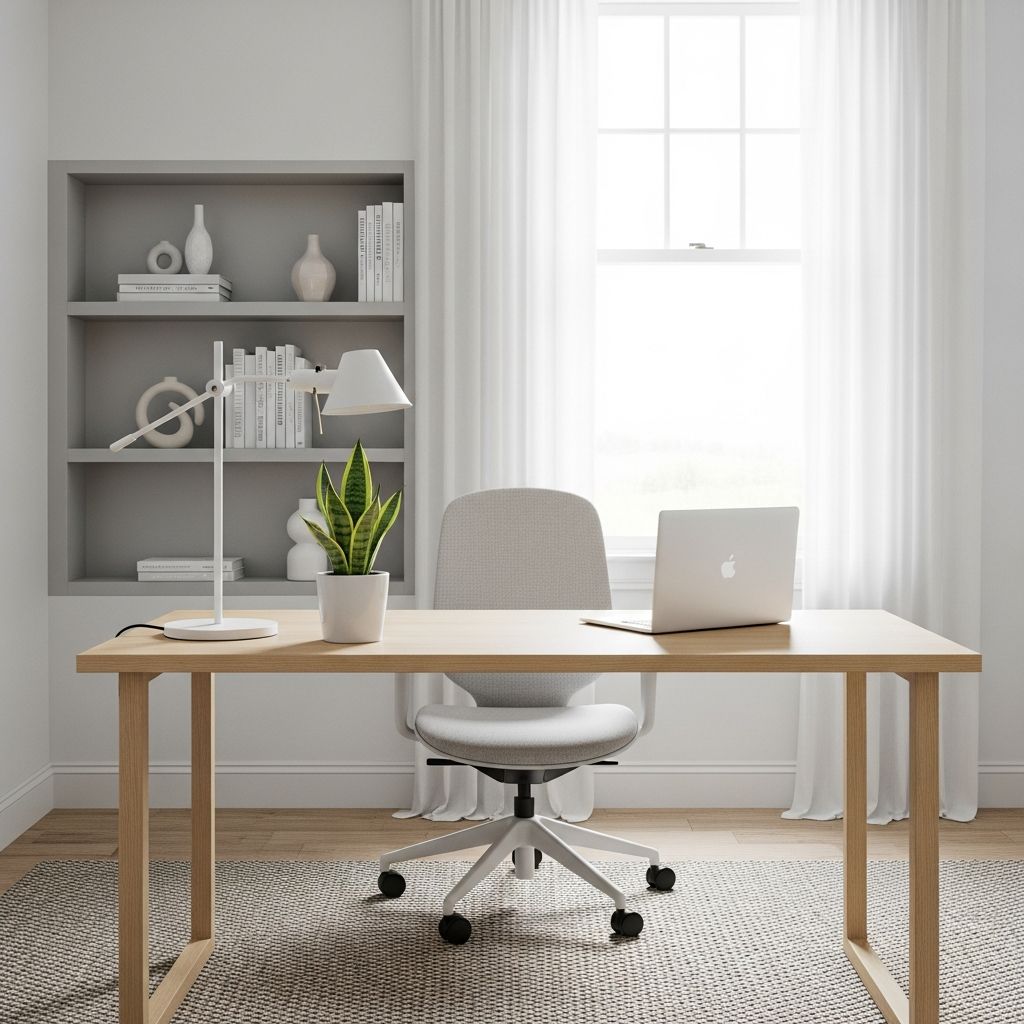
A well-designed workspace can significantly influence your mental state and output. By integrating thoughtful elements like soothing colors, natural light, and ergonomic features, you can foster an environment that promotes deep focus and minimizes stress. This guide explores comprehensive strategies to build such a space, drawing on design principles that enhance tranquility without sacrificing functionality.
Selecting a Harmonious Color Scheme
Colors play a pivotal role in shaping mood and concentration. Harsh or vibrant hues often lead to heightened tension, while muted palettes encourage relaxation. Opt for soft neutrals such as pale blues, gentle greens, beiges, and light grays, which studies link to lower anxiety levels and better cognitive performance.
These shades create a backdrop that feels expansive and calm, ideal for extended work sessions. For subtle personality, introduce accents like sage green cushions or lavender artwork. Avoid overwhelming patterns; instead, layer textures through rugs or throws in complementary tones to add depth without distraction.
- Light blues: Promote clarity and reduce eye strain.
- Warm neutrals: Evoke stability and comfort.
- Pastel greens: Mimic nature for restorative effects.
Experiment with an accent wall in a soft tone to draw the eye gently, balancing the room’s energy. This approach not only calms but also visually organizes the space, making it easier to maintain focus.
Harnessing the Power of Natural Light
Daylight is a natural mood enhancer, proven to boost serotonin and sharpen alertness. Position your primary workstation near a window, ideally facing outward to capture views and avoid screen glare. Sheer curtains can diffuse intense sunlight, maintaining even illumination throughout the day.
In spaces with limited windows, supplement with full-spectrum bulbs that replicate sunlight’s warmth. Adjustable task lighting allows personalization, preventing shadows that cause fatigue. Research indicates that ample light exposure can improve productivity by up to 15% in office settings.
| Light Source | Benefits | Implementation Tips |
|---|---|---|
| Natural Daylight | Regulates circadian rhythm, reduces stress | Desk near window, sheer blinds |
| Full-Spectrum LEDs | Mimics sunlight, energy-efficient | Dimmable desk lamps |
| Ambient Overhead | Even coverage, glare-free | Warm-toned fixtures |
Regularly adjust blinds or shades to optimize light flow, creating a dynamic yet serene atmosphere that supports sustained attention.
Prioritizing Ergonomic Comfort
Physical comfort directly impacts mental performance. An ergonomic chair with lumbar support, adjustable height, and breathable materials prevents strain during long hours. Pair it with a desk at elbow height, allowing feet to rest flat and knees at a 90-degree angle.
Consider standing desks for posture variety, reducing sedentary risks. Wrist rests and ergonomic peripherals minimize repetitive stress injuries. A clutter-free surface with organizers keeps essentials accessible, further easing cognitive load.
- Chair: Adjustable arms, lumbar curve.
- Desk: 24-30 inches high, ample legroom.
- Accessories: Monitor arms, footrests for customization.
Soft additions like a footstool or cushioned mat enhance relaxation, turning your setup into a supportive sanctuary.
Integrating Biophilic Elements
Biophilic design connects indoor spaces to nature, combating digital fatigue. Introduce potted plants such as succulents or ferns for air purification and visual soothing. Wooden accents, stone decor, or bamboo trays ground the area in organic textures.
A small water fountain provides gentle white noise, masking distractions and promoting mindfulness. Living walls or hanging planters add vertical interest without floor clutter. Evidence shows biophilic elements can lower stress hormones by 15-20%.
These features not only beautify but also improve air quality and psychological well-being, fostering a restorative vibe.
Embracing Minimalist Organization
Clutter breeds mental chaos; minimalism streamlines thought. Limit desk items to essentials: computer, notebook, and one personal touch like a photo frame. Use hidden storage—drawers, wall-mounted shelves, or cable organizers—to conceal cords and supplies.
Digital tools for file management reduce paper piles. Weekly purges maintain order, with labeled bins for categorization. This setup sharpens focus, as a tidy space signals the brain to concentrate.
| Clutter Zone | Solution | Expected Impact |
|---|---|---|
| Papers/Documents | Digital scanners, filing cabinets | Faster retrieval, less anxiety |
| Cables | Ties, under-desk trays | Cleaner aesthetics |
| Supplies | Modular organizers | Quick access |
Controlling Acoustics for Quiet Focus
Sound profoundly affects concentration. Soft furnishings like rugs, curtains, and upholstered panels absorb echoes, creating a hushed environment. White noise machines or fans offer consistent background hums to drown out interruptions.
For shared spaces, noise-cancelling headphones provide personal pods of silence. Modular screens customize privacy levels, ideal for neurodiverse needs. Calming audio—nature tracks or instrumental playlists—can further soothe without lyrics diverting attention.
Creating Dedicated Wellness Zones
Variety prevents burnout. Designate a cozy nook with a rocking chair or bean bag for breaks, encouraging movement and fresh perspectives. Meditation corners with cushions and dimmable lights support mindfulness practices.
Breakout areas with soundproofing allow recharge time, blending solitude and subtle collaboration. These zones enhance overall well-being, with studies showing short pauses boost productivity by 12%.
Frequently Asked Questions (FAQs)
What colors best suit a serene workspace?
Soft neutrals like light blues, greens, and beiges promote calm and focus, backed by design research.
How much natural light do I need?
Aim for desk positioning near windows with diffused light; supplement with quality LEDs if needed.
Are plants essential for a zen office?
Not essential but highly beneficial; they reduce stress and purify air effectively.
Can minimalism work in small spaces?
Yes, multifunctional furniture and vertical storage maximize tranquility in compact areas.
How do I maintain organization long-term?
Implement daily habits like end-of-day tidy-ups and digital tools for sustainability.
Advanced Strategies for Sustained Serenity
Beyond basics, personalize with aromatherapy diffusers using lavender or eucalyptus for subtle scent therapy, known to lower cortisol. Temperature control at 68-72°F optimizes comfort, preventing drowsiness or discomfort.
Wall art with abstract nature scenes or motivational minimalism inspires without overwhelming. Flexible layouts—movable partitions—adapt to varying tasks, from deep work to creative brainstorming.
Integrate smart tech sparingly: automated blinds for light management, app-controlled lighting for mood matching. These elevate the space into a dynamic yet peaceful hub.
Sustaining your serene workspace requires iteration. Solicit feedback, track mood via journals, and tweak seasonally. The result: a personalized oasis amplifying productivity and joy.
(Word count: 1678)
References
- 5 Design Secrets to Create a Calm and Productive Home Office — Sukkhainteriordesign.com. 2023. https://www.sukkhainteriordesign.com/blog/5-design-secrets-to-create-a-calming-home-office
- Zen Office Ideas: How to Design a Wellness-Focused Workspace — Alen.com. 2023. https://alen.com/blogs/health-benefits/zen-office-ideas
- Office design ideas: focus spaces and quiet working — Mmoser.com. 2023. https://www.mmoser.com/ideas/office-design-ideas-focus-spaces/
- 5 zen office ideas for a calming workspace — Diamondinteriors.co.uk. 2023. https://diamondinteriors.co.uk/ways-to-create-a-zen-office-space/
- Creating Calm in the Chaos: Stress-Reducing Office Design Essentials — Metirium.com. 2023. https://www.metirium.com/blog/creating-calm-in-the-chaos-stress-reducing-office-design-essentials/

Medha Deb is an editor with a master's degree in Applied Linguistics from the University of Hyderabad. She believes that her qualification has helped her develop a deep understanding of language and its application in various contexts. Medha specializes in the areas of beauty, health, sports, and wellness and is committed to ensuring that the content on the website is…