
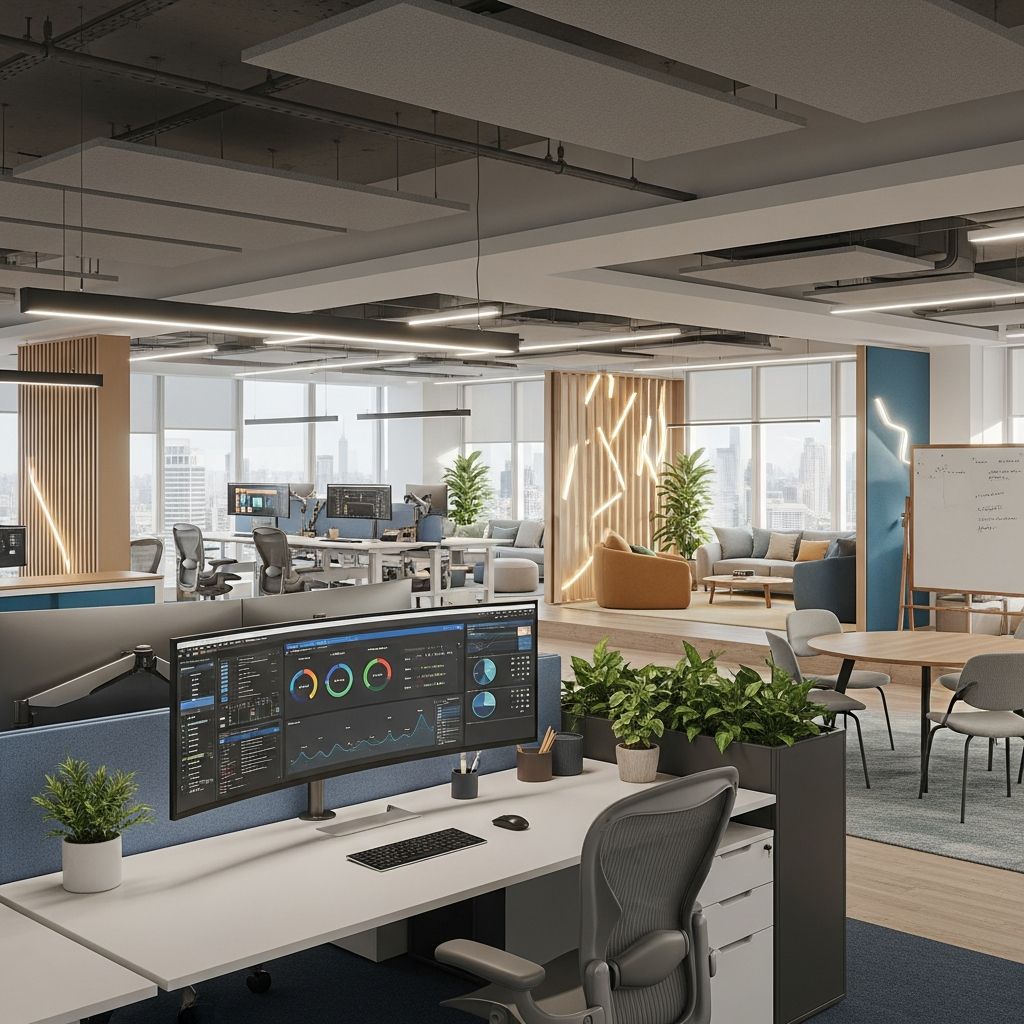
Creating an Environment Where Your Mind Thrives
The spaces where we spend our professional lives have profound effects on our cognitive abilities, emotional resilience, and overall productivity. While many people focus on task management and time optimization, they often overlook the fundamental role that environmental design plays in supporting mental performance. Research consistently demonstrates that thoughtful modifications to your work setting can significantly enhance concentration, reduce mental fatigue, and create conditions where deep thinking flourishes.
The relationship between environment and cognition is not merely anecdotal. Neuroscience and organizational psychology have established that physical and organizational factors directly influence brain function, stress hormone levels, and the capacity for sustained mental effort. By understanding these connections, you can intentionally design a workspace that supports rather than hinders your cognitive potential.
The Neuroscience of Physical Space and Mental Clarity
Your brain processes environmental information continuously, even when you are not consciously aware of it. Cluttered spaces, excessive noise, poor lighting, and disorganization create what researchers call “cognitive load”—the amount of mental resources required to process information and maintain focus. When your environment demands constant low-level attention to manage disorder or distractions, fewer cognitive resources remain available for actual work.
Conversely, organized, calm environments reduce this baseline cognitive load, freeing mental energy for complex thinking and creative problem-solving. Studies show that employees in well-designed workspaces report improved concentration, reduced stress markers, and enhanced decision-making abilities. The physical environment acts as either a cognitive ally or antagonist, influencing whether your mind can settle into the deep focus required for meaningful work.
Establishing Physical Order as a Foundation for Mental Order
The principle of external order supporting internal clarity is well-documented in productivity research. A workspace free from unnecessary items and visual clutter creates a baseline mental state more conducive to focus. This does not mean sterility or the elimination of all personal touches, but rather intentional curation of what occupies your physical space.
Begin by assessing what items truly serve your work functions:
- Remove materials unrelated to your current projects or responsibilities
- Establish designated zones for different types of work or activities
- Create filing systems that minimize visual chaos while maintaining accessibility
- Regularly purge items that no longer serve practical or meaningful purposes
- Position frequently used items within arm’s reach to reduce fragmented movement
This organizational discipline creates what psychologists call “environmental affordances”—physical arrangements that make desired behaviors easier and unwanted distractions less apparent. When your workspace is ordered, your mind encounters fewer competing demands for attention, allowing deeper concentration on substantive work.
Lighting: The Overlooked Cognitive Enhancer
Illumination profoundly affects both mood and cognitive performance, yet it remains one of the most commonly neglected environmental factors. Natural light exposure regulates circadian rhythms, enhances alertness, and supports vitamin D synthesis—all essential for optimal brain function. Insufficient or poor-quality artificial lighting can contribute to fatigue, headaches, and reduced mental acuity.
Implementing lighting improvements requires examining your current conditions and making strategic adjustments:
- Position your workspace to maximize exposure to natural daylight when possible
- If natural light is limited, invest in full-spectrum LED lighting that mimics daylight
- Adjust brightness levels according to task demands—brighter light for detail work, softer light for creative thinking
- Minimize glare on screens through strategic positioning and anti-glare filters
- Consider task lighting for specific work areas while maintaining ambient light
The biological effects of appropriate lighting extend beyond immediate comfort. Consistent exposure to bright light during work hours supports sustained mental energy, improves mood regulation, and can enhance sleep quality when followed by darkness in evening hours. This creates a virtuous cycle where environmental lighting supports both daytime focus and nighttime recovery.
Acoustic Environment: Managing Sound for Sustained Focus
Sound management represents a critical yet frequently underaddressed aspect of cognitive optimization. While complete silence is impractical in most work settings, uncontrolled noise creates constant interruptions that fragment attention and elevate stress responses. The brain’s orientation reflex—an automatic alerting to unexpected sounds—disrupts the neural patterns necessary for deep work.
Strategies for acoustic optimization include:
- Creating designated quiet zones or focus hours when non-essential conversations are minimized
- Using noise-canceling headphones or white noise to mask unpredictable interruptions
- Positioning your workspace away from high-traffic areas when possible
- Establishing communication norms that respect focused work periods
- Using soft furnishings and acoustic panels to absorb rather than amplify sound
The distinction between productive background sound and disruptive noise varies by individual and task type. Some people concentrate better with ambient sound, while others require silence. The key is intentional control—actively choosing your acoustic environment rather than passively accepting whatever sound surrounds you.
Air Quality and Temperature: Environmental Factors Affecting Cognitive Function
The relationship between indoor air quality, temperature regulation, and mental performance is grounded in physiological science. Poor ventilation increases carbon dioxide levels, which impairs cognitive function and decision-making. Temperature extremes similarly demand metabolic resources and cognitive attention, diverting mental energy from productive work.
Optimizing environmental conditions involves:
- Ensuring adequate ventilation and regular air circulation in your workspace
- Maintaining temperature within a comfortable range (research suggests 69-72°F for cognitive performance)
- Positioning yourself away from direct heating or cooling vents that create discomfort
- Adding plants that improve air quality while providing visual interest
- Monitoring humidity levels, as extremely dry or humid conditions affect both physical comfort and mental clarity
While individual preferences vary, creating conditions that minimize physiological stress supports optimal cognitive function. When your body is not dedicating resources to temperature regulation or breathing quality, more mental capacity remains available for complex thinking.
Ergonomic Design: Supporting Physical Comfort for Mental Endurance
Physical discomfort creates a persistent cognitive drain. Pain, tension, or awkward positioning demand ongoing attention while triggering stress responses that impair focus and decision-making. Proper ergonomic setup is not merely a comfort consideration—it is a cognitive performance enhancement strategy.
Essential ergonomic adjustments include:
- Positioning your monitor at eye level to prevent neck strain
- Maintaining proper posture with adequate lumbar support from your chair
- Keeping your keyboard and mouse at elbow height to reduce arm and shoulder tension
- Taking regular movement breaks to prevent stiffness and maintain circulation
- Using supportive footrests or adjustable desks to accommodate different working positions
Organizations increasingly recognize that ergonomic accommodations—including flexible seating options, standing desk availability, and adjustable workstations—are investments in employee cognitive performance and long-term health. When physical comfort is supported, mental resources can be directed toward meaningful work rather than managing discomfort.
Social Environment and Psychological Safety
The social dimension of your work environment profoundly influences cognitive function and wellbeing. Psychological safety—the belief that you can take interpersonal risks without fear of negative consequences—enables focused work, creative thinking, and authentic problem-solving. Conversely, environments marked by conflict, distrust, or hostile dynamics trigger stress responses that impair cognitive performance.
Cultivating a supportive social environment requires:
- Normalizing discussions about mental health and work-related stress
- Establishing norms of respectful communication and conflict resolution
- Supporting colleagues through transparent, empathetic leadership
- Creating opportunities for meaningful social connection beyond task-oriented interactions
- Addressing behaviors that create anxiety or psychological threat
Leaders play a critical role in establishing psychological safety through modeling openness about their own challenges, demonstrating supportive supervision techniques, and actively addressing disrespectful behavior. When employees trust their environment and colleagues, cognitive resources previously allocated to vigilance and stress management become available for productive work.
Recovery Spaces: Essential Infrastructure for Sustained Cognitive Performance
Continuous cognitive effort leads to mental fatigue, reduced decision quality, and eventual burnout. Contrary to productivity myths that equate relentless work with achievement, research demonstrates that strategic breaks and recovery periods enhance overall output and cognitive function. Creating dedicated spaces for mental recharge is not a luxury—it is essential infrastructure for sustained performance.
Effective recovery spaces include:
- Quiet rooms where employees can rest without interruption
- Areas for movement and physical activity to support circulation and stress reduction
- Comfortable spaces for genuine lunch breaks away from work tasks
- Opportunities for social connection and informal conversation
- Access to nature or natural elements that support psychological restoration
Organizations that protect break time and encourage vacation day usage report higher employee engagement, better health outcomes, and improved long-term retention. Supporting recovery is not time wasted—it is the mechanism through which sustainable high performance becomes possible.
Technology Integration: Tools That Support Rather Than Distract
While technology enables productivity, unmanaged digital tools create constant interruptions and fragmented attention. Thoughtful technology design and usage policies can enhance cognitive work rather than undermine it.
Strategic technology practices include:
- Designating specific times for email and message checking rather than continuous monitoring
- Disabling non-essential notifications during focused work periods
- Using project management tools that clarify priorities and reduce cognitive load
- Implementing focus-time policies that protect deep work from interruptions
- Separating communication platforms for different types of interaction
Technology is most beneficial when it serves your cognitive needs rather than fragmenting your attention. This requires conscious choices about which tools you adopt and how you configure them to support rather than sabotage focus.
Personalization: Adapting Environmental Design to Individual Needs
While general principles of environmental design apply broadly, individual differences in personality, work style, and sensory preferences require personalization. What enhances one person’s focus may distract another. Effective workspaces accommodate this variability through flexibility.
Personalization strategies include:
- Providing choice in where and how people work when organizational needs allow
- Offering adjustable environmental controls rather than imposed uniformity
- Supporting reasonable accommodations for individuals with specific sensory or accessibility needs
- Allowing personal touches that create meaning and connection to your workspace
- Regularly soliciting feedback about environmental preferences through surveys and discussions
Organizations that recognize individual differences and provide environmental flexibility report higher engagement and better utilization of workspace resources.
Measurement and Continuous Improvement
Optimizing your work environment should not be a one-time project but an ongoing process. Regular assessment of how well your environment supports cognitive function and wellbeing enables continuous refinement.
Evaluation approaches include:
- Monitoring your own focus quality and energy levels in different environmental conditions
- Soliciting team feedback about environmental factors affecting productivity
- Conducting periodic reviews of which adjustments produce measurable improvements
- Staying informed about emerging research on environmental design and cognitive performance
- Adjusting practices as work demands and circumstances evolve
This iterative approach ensures that your environment remains optimized rather than becoming static and misaligned with changing needs.
Frequently Asked Questions
Q: How long does it take to notice improvements in cognitive performance after making environmental changes?
A: Initial improvements in focus and mental clarity often appear within days to weeks, particularly for major changes like lighting or noise reduction. Broader effects on stress levels and sustained wellbeing typically emerge over several weeks to months as your nervous system adapts to the improved environment.
Q: What if I cannot modify my physical workspace due to office policies or limitations?
A: Many environmental enhancements are portable or non-permanent. Noise-canceling headphones, personal lighting solutions, ergonomic accessories, and strategic positioning can significantly improve your immediate environment. Additionally, advocating for organizational changes with evidence-based research often succeeds when presented to decision-makers.
Q: How do I balance personalization with maintaining a professional appearance?
A: Meaningful personalization enhances both comfort and professional effectiveness. Thoughtful personal items—plants, meaningful artwork, or objects representing your values—create psychological connection and visual interest without compromising professionalism. The key is intentionality rather than clutter.
Q: Can environmental design address mental health challenges or clinical conditions?
A: While environmental optimization supports mental wellbeing and can reduce stress, it is not a substitute for clinical mental health treatment. Environmental improvements should complement—not replace—professional mental health support, therapy, or medication when needed. Organizations should provide access to both environmental supports and clinical resources.
Q: What role should organizations play in supporting environmental optimization?
A: Organizations have a responsibility to provide baseline working conditions that support cognitive function and safety. This includes adequate lighting, ergonomic furniture, noise management, climate control, and policies protecting break time. Beyond baseline standards, organizations should accommodate individual needs through flexibility and gather feedback to continuously improve environmental design.
References
- Five Tips for Improving Employee Wellbeing in the Workplace — Mental Health First Aid. Accessed January 18, 2026. https://mentalhealthfirstaid.org/news/five-tips-for-improving-employee-wellbeing-in-the-workplace/
- Organizational Best Practices Supporting Mental Health in the Workplace — National Center for Biotechnology Information (NCBI/NIH). 2022. https://pmc.ncbi.nlm.nih.gov/articles/PMC8631150/
- How Employers Can Support Mental Health in the Workplace — WorkRise Network. Accessed January 18, 2026. https://www.workrisenetwork.org/working-knowledge/how-employers-can-support-mental-health-workplace
- Mental health at work — World Health Organization (WHO). Accessed January 18, 2026. https://www.who.int/news-room/fact-sheets/detail/mental-health-at-work
- Providing Support for Worker Mental Health — Centers for Disease Control and Prevention (CDC). Accessed January 18, 2026. https://www.cdc.gov/mental-health/caring/providing-support-for-workers-and-professionals.html
- Workplace Mental Health & Well-Being — U.S. Department of Health and Human Services (HHS). Accessed January 18, 2026. https://www.hhs.gov/surgeongeneral/reports-and-publications/workplace-well-being/index.html

- Integrated M.A. in Applied Linguistics, University of Hyderabad
- 5+ years in editorial, instructional, SEO, and research-based writing
Sneha is a relationships and lifestyle writer with a strong foundation in applied linguistics and certified training in relationship coaching. She brings over five years of writing experience to theskillvault, crafting thoughtful, research-driven content that empowers readers to build healthier relationships, boost emotional well-being, and embrace holistic living. Her writing and insights reflect the belief that beauty, happiness, and wellness…