
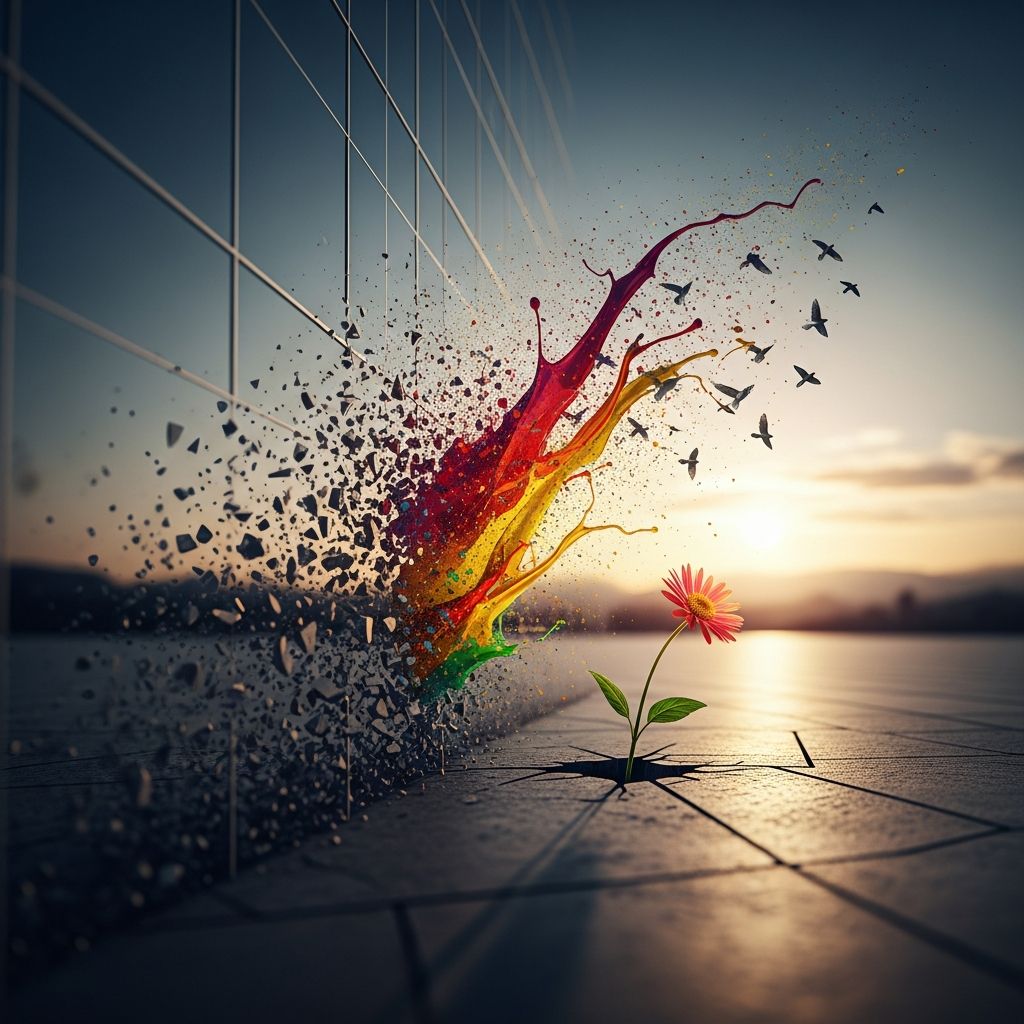
Understanding the Balance Between Structure and Spontaneity
Modern life often demands organization. We schedule our work hours, plan our meals, set recurring reminders, and build routines around predictable patterns. While this structure provides stability and productivity, excessive rigidity can trap us in monotony and limit our capacity for genuine human connection and creative thinking. The paradox of contemporary living is that structured routines actually create space for spontaneity to flourish. When we establish foundational habits and clear our minds of logistical decisions, we free up mental energy to embrace unexpected opportunities and experiences.
The tension between planning and improvisation isn’t necessarily a conflict to resolve but rather a dynamic balance to cultivate. Research into human behavior and creativity suggests that too much structure leads to stress and diminished innovation, while complete chaos generates anxiety and prevents meaningful progress. The sweet spot exists where reliable systems create a foundation that allows spontaneous moments to emerge naturally, enhancing rather than disrupting our lives.
The Psychological Benefits of Embracing Unplanned Moments
Introducing spontaneity into your life offers measurable psychological advantages. Stress reduction emerges as one of the primary benefits when you release the constant need to control and predict every moment. The nervous system relaxes when we shift from a state of perpetual planning to one of present-moment awareness. This doesn’t mean abandoning responsibility but rather loosening the grip of perfectionism.
Enhanced creativity and problem-solving abilities flourish in unpredictable environments. When your brain encounters novelty and unexpected situations, it activates neural pathways associated with innovation and lateral thinking. Artists, scientists, and entrepreneurs have long recognized that their best ideas emerge during moments of play and exploration rather than rigid brainstorming sessions.
Beyond cognitive benefits, spontaneity cultivates emotional resilience and adaptability. When you regularly practice responding to unexpected situations, you build confidence in your ability to handle life’s uncertainties. This psychological flexibility translates to greater overall life satisfaction and reduced anxiety about circumstances beyond your control.
Practical Strategies for Introducing Controlled Unpredictability
Designating Flexibility Windows in Your Schedule
Rather than filling every hour with predetermined activities, intentionally create unscheduled time blocks throughout your week. These aren’t lazy hours but rather open spaces where unexpected opportunities can be pursued. The strategy involves maintaining your essential commitments while building in flexibility around them. For instance, you might keep Tuesday afternoons completely open or designate Friday evenings as spontaneity time. This approach honors your responsibilities while creating legitimate space for improvisation.
Practicing Strategic Yes-Saying
Saying yes more frequently to invitations and opportunities represents one of the most transformative practices. This doesn’t mean accepting every request indiscriminately but rather developing a bias toward acceptance when opportunities align with your values. When a colleague suggests an impromptu lunch, when a friend invites you to an event, or when an interesting workshop appears on your radar, pause before automatically declining. Many of life’s most memorable experiences emerge from these spontaneous acceptances rather than from meticulously planned outings.
Deliberately Disrupting Daily Patterns
Routine routes, familiar restaurants, and predictable activities create mental autopilot. Intentionally varying these patterns shakes your brain awake. Taking a different route to work, trying a cuisine you’ve never experienced, visiting a neighborhood in your city you’ve overlooked, or rearranging your living space introduces novelty without requiring extensive planning. These small disruptions accumulate into a lifestyle that feels fresh and engaging rather than stale and obligatory.
Experiential Adventures Without Major Planning
Spontaneous Nature Exploration
Nature offers infinite opportunities for unplanned discovery. Sunrise watching requires only an early alarm and a location with a clear view. The practice of daily walks in nature keeps you anchored in the present moment while allowing ideas and insights to surface organically. Alternatively, stargazing beneath a blanket with minimal preparation creates profound moments of perspective and wonder. These activities cost little, demand no extensive logistics, and consistently deliver transformative experiences.
Transportation-Based Adventures
Boarding a random train or bus without predetermined destination exemplifies calculated spontaneity. This approach combines safety with genuine exploration—public transportation operates within established systems while the destination remains unknown to you. You might discover neighborhoods, street art, local businesses, or interesting fellow travelers. Electric bike rentals offer similar adventure potential, allowing you to explore countryside routes and villages at your own pace.
Culinary and Sensory Exploration
Food represents an accessible entry point for spontaneity. Trying unfamiliar cuisines at restaurants serving traditions you’ve never explored engages all your senses and introduces cultural elements into your experience. Similarly, purchasing flowers for your own space, printing photos for spontaneous scrapbook creation, or listening to music while preparing for your day introduces sensory richness. These practices remind us that spontaneity needn’t involve grand gestures but rather small, intentional choices to engage differently with ordinary moments.
Managing Fear and Building Confidence for Spontaneous Living
The transition from a highly structured lifestyle to one embracing spontaneity often triggers anxiety. Common concerns include losing productivity, making poor decisions, or experiencing discomfort. Building confidence happens gradually through small experiments. Start with low-stakes spontaneous choices—trying a new coffee shop, taking an unfamiliar walking route, or rearranging furniture. As you accumulate positive experiences from these small acts, your nervous system learns that unpredictability isn’t synonymous with danger.
Physical wellness supports your capacity for spontaneity. When you maintain adequate sleep, regular exercise, and good nutrition, your resilience increases. You possess greater emotional bandwidth to handle unexpected situations and more confidence that you can engage fully with opportunities. This creates a virtuous cycle where good habits enable spontaneity, and spontaneous adventures reinforce your commitment to wellness.
Seasonal and Temporal Approaches to Spontaneity
Overnight Camping and Short Escapes
One-night camping trips don’t require vacation time yet provide complete mental breaks from routine. The minimal logistical demand makes them accessible while delivering substantial psychological benefits. Even backyard camping offers novelty and adventure. These brief escapes reset your perspective and return you to daily life refreshed.
Vacation Reimagining
Rather than over-planning vacations, consider adopting flexible frameworks. Build in unstructured time where activities emerge naturally. Vacation periods naturally break from daily routines and refresh perspective; incorporating spontaneous moments within these breaks compounds their restorative value.
Spontaneity in Your Immediate Environment
Furniture Rearrangement and Space Reconfiguration
Rearranging furniture requires zero financial investment yet delivers dramatic environmental change. Your home feels new when spatial relationships shift. This practice also engages your creative problem-solving skills as you envision different configurations and optimize functionality. The act itself becomes meditative while producing tangible results.
Visual and Creative Expression
Creating spontaneous art projects—from scrapbooking to writing affirmations on sticky notes to listening to music during morning routines—infuses your environment with intention and personality. These acts needn’t involve expertise; rather, they invite creative expression into everyday moments. A bird feeder outside your kitchen window creates ongoing nature observation opportunities, transforming ordinary breakfast into wildlife engagement.
The Practice of Saying Yes More Intentionally
One powerful experiment involves dedicating a single day to accepting every reasonable opportunity that emerges. Within safety parameters, this practice reveals how much spontaneity you unconsciously reject. Many people return from such experiments energized and amazed by the experiences they encountered through openness rather than preplanning. The practice doesn’t require daily repetition but serves as a reset, reminding you of spontaneity’s capacity to enrich experience.
Strategic yes-saying differs from people-pleasing. You maintain boundaries around your wellbeing and values while expanding openness to experiences that genuinely interest you. Over time, this practice retrains your default response from protective defensiveness to curious exploration.
Integrating Spontaneity With Professional Responsibilities
Many people fear that embracing spontaneity will undermine professional success. Actually, the opposite frequently occurs. When your foundation includes reliable habits and systems, spontaneous creativity and flexibility in problem-solving emerge more naturally. Successful innovators and leaders often credit spontaneity—taking calculated risks, improvising responses, pivoting strategies based on emerging information—as crucial to their achievements.
Building spontaneity windows into your work week doesn’t diminish productivity; it can enhance it. Afternoon creative breaks refresh your perspective. Conversations with colleagues sparked by spontaneous encounters often generate better ideas than scheduled meetings. The structure that supports your professional commitments creates legitimate space for the spontaneity that fuels breakthrough thinking.
Overcoming Resistance to Unplanned Time
If spontaneity feels uncomfortable, you’re not alone. Our culture heavily rewards planning, optimization, and control. Resistance to unstructured time often reflects deeper anxieties about productivity and worth. Examining these beliefs helps. Is your value truly tied to constant busyness? What fears emerge when you consider unscheduled time? Often, gentle self-inquiry reveals that the anticipated discomfort of spontaneity exceeds its actual experience.
Start small. A single unscheduled hour on Saturday afternoon represents a manageable experiment. As you practice tolerating and enjoying unstructured time, your capacity for spontaneity naturally expands. Your nervous system gradually recognizes that flexibility isn’t equivalent to chaos.
Building Spontaneity Into Relationships
Some of life’s richest moments emerge through spontaneous social interactions. Creating conditions for unplanned conversations—through regular social routines that leave space for emerging connection—deepens relationships. The unexpected chat with a grocery store staff member or fellow shopper, unplanned after-work gatherings, and impromptu activities with friends often become treasured memories precisely because their spontaneity heightened their authenticity and presence.
Frequently Asked Questions
Q: Will embracing spontaneity compromise my productivity and goals?
A: No. Research shows that strategic spontaneity within structured frameworks actually enhances both productivity and goal achievement by reducing stress, boosting creativity, and improving problem-solving abilities. The key is balance—maintaining your essential systems while creating flexibility around them.
Q: How do I start if I’m naturally very organized and scheduled?
A: Begin with micro-experiments—a single unscheduled hour weekly, trying one new restaurant monthly, or taking one different route to a familiar destination. These low-stakes practices gradually expand your comfort with spontaneity without destabilizing your organizational preferences.
Q: Does spontaneity cost money?
A: Many spontaneous activities—rearranging furniture, taking different routes, watching sunrises, nature walks, and creative projects—require minimal or no financial investment. While some adventures involve expenses, countless free or low-cost options exist.
Q: Can I be spontaneous while maintaining important commitments?
A: Yes. The strategy involves protecting your essential responsibilities while creating flexibility around them. Designate specific time blocks as spontaneity windows, allowing you to maintain reliability in your commitments while embracing unpredictability in other areas.
Q: How does spontaneity affect anxiety or overthinking tendencies?
A: Practicing spontaneity can reduce anxiety by breaking overthinking cycles. When you take action without excessive deliberation, you interrupt rumination patterns. Positive experiences from spontaneous choices gradually reprogram anxious thoughts about uncertainty.
References
- Practicing Spontaneity in Your Daily Life — tribeScroll. 2024. https://tribescroll.com/playfulness/practicing-spontaneity-in-your-daily-life/
- 23 Spontaneous Things to Do to Break Out of Your Routine — Tinggly. 2024. https://tinggly.com/journal/spontaneous-things-to-do/
- How To Create A Mindful Morning Routine — The Good Trade. 2024. https://www.thegoodtrade.com/features/creating-a-mindful-morning-routine/
- 6 Examples of Daily Routine: Stay Productive and Balanced — Levate You. 2024. https://levateyou.com/blogs/lab/example-of-daily-routine
- The Paradox of Having Routines: Spontaneity and Creativity Arrive When Structure is Present — The Simply Luxurious Life. 2024. https://thesimplyluxuriouslife.com/theroutineparadox/

- Integrated M.A. in Applied Linguistics, University of Hyderabad
- 5+ years in editorial, instructional, SEO, and research-based writing
Sneha is a relationships and lifestyle writer with a strong foundation in applied linguistics and certified training in relationship coaching. She brings over five years of writing experience to theskillvault, crafting thoughtful, research-driven content that empowers readers to build healthier relationships, boost emotional well-being, and embrace holistic living. Her writing and insights reflect the belief that beauty, happiness, and wellness…