
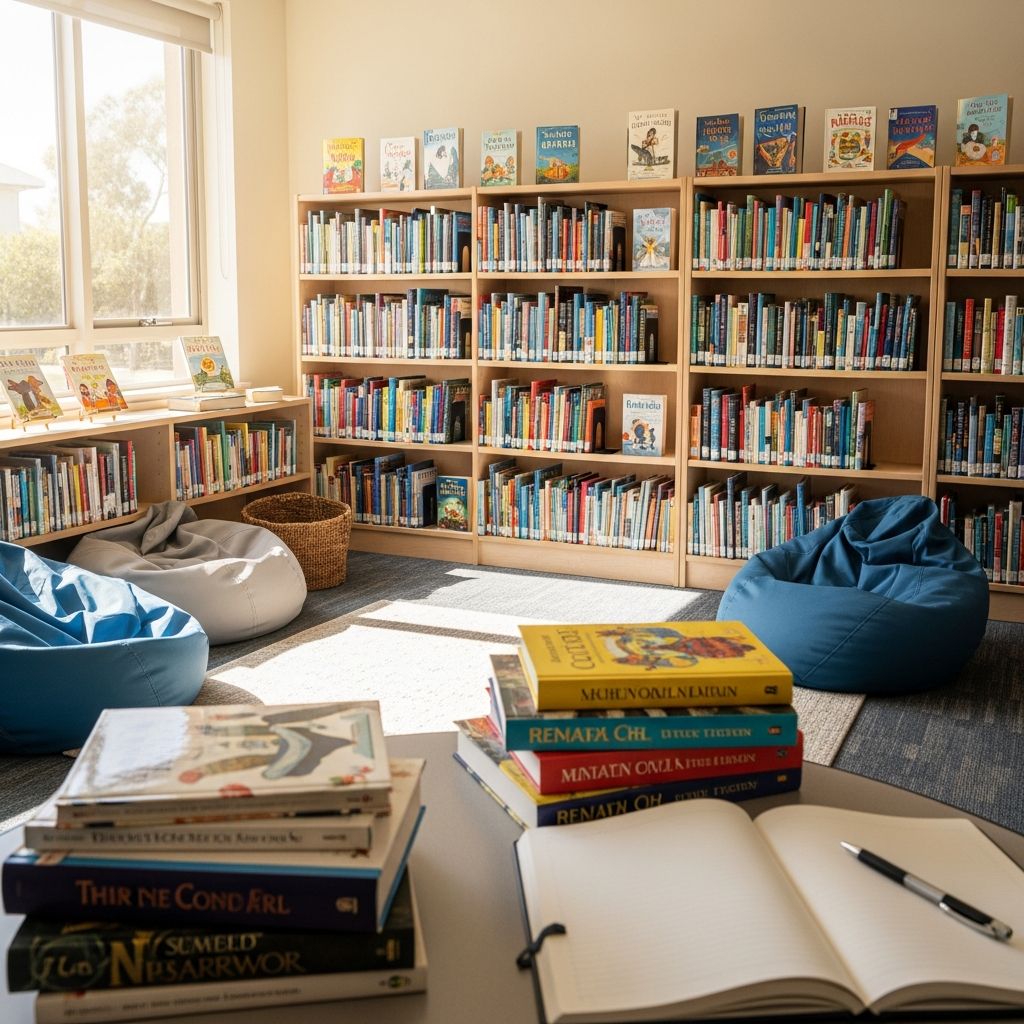
Creating a rich classroom library is fundamental to fostering literacy and a love for reading among students. However, budget constraints often make it challenging for educators to acquire enough diverse, high-quality books. Fortunately, numerous programs, marketplaces, and community resources offer free or deeply discounted books tailored for schools. This comprehensive guide explores practical, actionable strategies drawn from reliable educator networks and nonprofit initiatives, helping you build an inviting library that meets your students’ needs without straining finances.
Understanding the Importance of Classroom Libraries
A well-stocked classroom library exposes students to varied genres, reading levels, and cultural perspectives, directly impacting reading proficiency and engagement. Research from educational organizations emphasizes that access to books correlates with higher literacy rates, particularly in underserved communities. With options ranging from nonprofit marketplaces to local donations, teachers can curate collections featuring fiction, nonfiction, graphic novels, and diverse titles that reflect student demographics.
Leveraging Nonprofit Marketplaces for Deep Discounts
Nonprofit platforms specialize in providing new and gently used books at fractions of retail prices, often prioritizing schools serving low-income students. These services ensure quality while promoting equity in education.
- First Book Marketplace: Exclusively for educators in eligible programs (typically where 70% of students qualify for free/reduced lunch), this platform offers new books at 50-90% off retail. Examples include popular series like Diary of a Wimpy Kid for $2.29 (85% savings) or diverse titles like Un lugar para los pájaros for $2.40. They also provide free books via the National Book Bank, covering only shipping ($0.35-$0.50 per book). Graphic novels and STEM books are standout deals, often under $5.
- Better World Books: This literacy-focused nonprofit accepts donations and redistributes books globally. Teachers can request donations for classrooms, supporting literacy initiatives while recycling unsellable volumes.
- Literacy Empowerment Foundation: Through the Reading Resource Project, they supply sets of 100 softcover books for $88, including free shipping—ideal for bulk additions to refresh collections.
Registration is straightforward: Verify eligibility online, browse inventories, and order bundles suited for literature circles or independent reading. These marketplaces frequently update stock, ensuring access to current bestsellers and culturally responsive materials.
Tapping into Free Book Donation Programs
Direct donation programs eliminate costs entirely, shipping books to qualifying educators. Prioritize applications to those matching your school’s needs, such as diversity-focused or high-poverty criteria.
| Program | Eligibility | Offerings | How to Apply |
|---|---|---|---|
| First Book National Book Bank | Low-income serving schools/programs | Free class sets; pay shipping only | Online registration and request form |
| Library of Congress Surplus Books | U.S. schools/classrooms | Digitized classics and surplus titles | Submit donation request via instructions |
| Kids Need to Read | Schools with literacy needs | New/used books for underserved kids | Application highlighting classroom needs |
| Reading Resource Project | Literacy-based efforts | Bulk softcovers, free shipping | Contact for sets of 100 |
| Multicultural Children’s Book Day / Read Your World | All educators | Free diverse, inclusive books | Annual teacher application |
These programs often partner with publishers to distribute thousands of volumes annually, focusing on equity. For instance, We Need Diverse Books (WNDB) offers grants up to $2,000 for diverse titles, audits, or events—perfect for targeted collection building.
Community and Local Sourcing Strategies
Local networks provide immediate, no-cost access to books, encouraging community involvement in education.
- Public Library Sales: Friends of the Library groups host sales with books at $0.25-$1. Titles span genres, including children’s classics and recent discards. Check schedules for bag sales (fill for $5-10).
- Little Free Libraries: Worldwide book-sharing boxes allow taking books freely. Scout neighborhoods or request Impact Library Program installations for book-scarce areas. Contribute duplicates to sustain them.
- Thrift Stores and Book Drives: Local thrifts offer bargains ($1-5 per book). Organize school-wide drives to swap gently used titles among staff/parents.
- Free Little Libraries and Swap Meets: Community exchanges yield surprises like ex-library hardcovers.
Combine these with teacher swaps via school networks for hyper-local relevance. Pro tip: Visit post-holiday sales for influxes of new donations.
Discount Retailers and Publisher Deals
Educator-specific promotions from major vendors yield reliable savings.
- ThriftBooks: Online used/new books from $1-5, with teacher rewards (free book every 4 purchased) and points system (500 points = free book). Great for specific titles or series.
- Scholastic: Book Clubs, Warehouse Sales, and Teacher Store feature $1 deals, free shipping days, and bundles. eBook options via Epic! (20K free titles weekdays for schools).
- Amazon and AdoptAClassroom: Classroom wishlists funded by donors; pair with educator discounts. Lee & Low for diverse selections.
Grants from NEA’s Read Across America or similar amplify these—apply early for stipends covering purchases.
Embracing Digital Libraries for Modern Classrooms
With devices increasingly available, digital books expand access without physical storage.
- Project Gutenberg: 40,000+ free public domain eBooks, including children’s classics.
- International Children’s Digital Library: Thousands of global titles in multiple languages.
- Library of Congress Digital Collections: Illustrated historical books, free for tablets.
- Vooks and Epic!: Animated read-alouds (Vooks free on one device); Epic! free school plan (7am-3pm weekdays).
- Digital Book Index and BookBub: Curated free/discounted eBooks via email alerts.
Integrate with 1:1 devices for hybrid libraries, tracking usage to inform physical buys.
Maximizing Impact: Organization and Grants
Once acquired, organize by level/genre using bins (fund via AdoptAClassroom). Apply for grants like WNDB ($2,000) or First Book funding for sustainability.
Track inventory annually, rotating stock to maintain excitement. Involve students in book selection to boost buy-in.
Frequently Asked Questions (FAQs)
What qualifies my school for First Book?
Programs serving children in need (e.g., 70% low-income) are eligible for free Book Bank and discounted Marketplace access.
Are digital books truly free for classrooms?
Yes—platforms like Epic! and Vooks offer unlimited access during school hours without cost.
How can I find local library sales?
Search “Friends of the Library [your city]” for schedules; prices often $0.25-$1 per book.
Do grants cover diverse books?
Absolutely—WNDB grants up to $2,000 specifically for diverse literature and related projects.
What’s the best way to start small?
Sign up for ThriftBooks rewards or Little Free Libraries for immediate, no-cost additions.
References
- Stocking Your Classroom Library: 8 Inexpensive (Or Free …) — The Literary Maven. 2024-06-14. https://www.theliterarymaven.com/2024/06/classroom-library-purchase.html
- 15 FREE (OR CHEAP) WAYS TO STOCK YOUR CLASSROOM … — Apperson Teach Talk. N/A. https://www.apperson.com/teach-talk/15-free-or-cheap-ways-to-stock-your-classroom-library
- First Book Marketplace: Affordable Books for Educators — First Book. N/A. https://www.fbmarketplace.org
- Free Materials | NEA — National Education Association. N/A. https://www.nea.org/professional-excellence/student-engagement/read-across-america/support-your-readers/free-materials
- Find Free Books For Your School or Classroom — Waterford.org. N/A. https://www.waterford.org/blog/free-books-for-schools/
- How To Get Free Books for Teachers — AdoptAClassroom.org. 2024-04-02. https://www.adoptaclassroom.org/2024/04/02/how-to-get-free-books-for-teachers/
- First Book | Providing Educational Materials To Kids in Need — First Book. N/A. https://firstbook.org

Medha Deb is an editor with a master's degree in Applied Linguistics from the University of Hyderabad. She believes that her qualification has helped her develop a deep understanding of language and its application in various contexts. Medha specializes in the areas of beauty, health, sports, and wellness and is committed to ensuring that the content on the website is…