
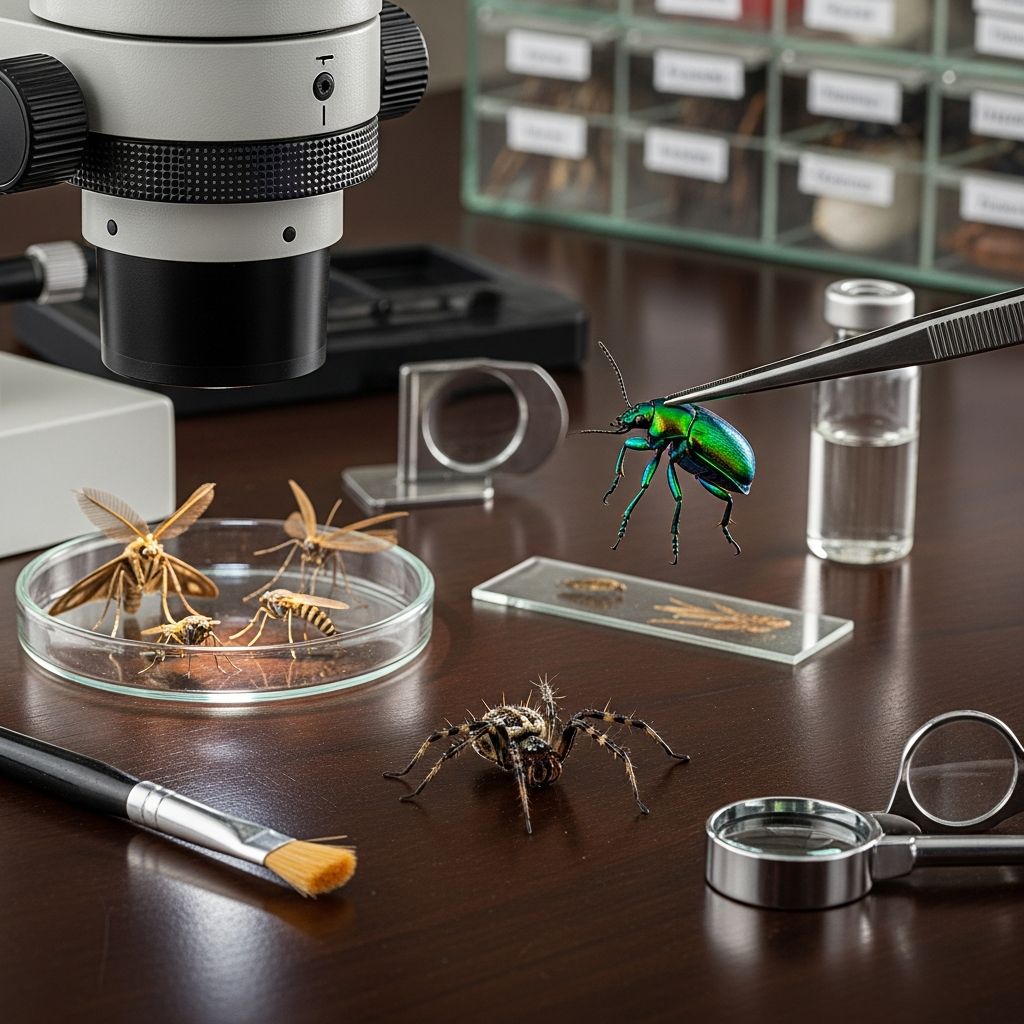
Understanding the Importance of Professional Insect Identification
Encountering an unfamiliar insect in your home, garden, or workplace often raises questions about its identification, potential danger, and appropriate management strategies. While online search engines and general references provide basic information, professional identification services offer accuracy and expertise that amateur methods cannot match. Whether you have discovered a potential pest threatening your property, encountered an unusual specimen during outdoor activities, or need verification of an insect species, accessing proper identification resources ensures reliable results. This comprehensive guide explores the various pathways to obtaining professional insect identification, the proper procedures for submitting specimens, and the institutional resources available to the general public.
Digital Photography: The Convenient Identification Method
In our increasingly digital world, submitting high-quality photographs represents one of the most accessible methods for obtaining insect identification. This approach eliminates shipping concerns, reduces specimen damage, and allows for rapid processing. However, the success of photograph-based identification depends entirely on image quality and the information provided alongside visual documentation.
Essential Requirements for Digital Submissions
When preparing photographs for identification purposes, several critical factors determine whether specialists can accurately analyze your specimen. Lighting conditions play a fundamental role in image quality. Photographs should be captured in natural daylight or under bright artificial lighting to reveal details essential for taxonomic classification. Proper focus is equally important; blurry or out-of-focus images significantly reduce the likelihood of successful identification. Specialists recommend taking multiple photographs from different angles and perspectives, as various views reveal distinctive characteristics that aid in determining species classification.
Resolution and clarity matter considerably for digital submissions. High-resolution images captured with modern smartphone cameras or digital cameras provide superior detail compared to low-resolution photographs. If your specimen appears small or requires magnification for proper observation, consider using macro photography techniques or magnifying camera attachments to capture necessary detail. Additionally, include contextual information such as the geographical location where the insect was discovered, the specific environment or habitat, and any relevant behavioral observations you made during the encounter.
Submitting Digital Photographs Effectively
When transmitting digital photographs to identification services, avoid sending blank emails containing only image files. Instead, compose a detailed message describing your encounter and the specific questions you wish answered. Provide geographic information including your state and city, and specify the precise location where you discovered the insect—whether in your kitchen, garden, basement, or outdoors. If the specimen appeared to be damaging plants or property, describe the specific damage observed. This contextual information dramatically improves identification accuracy and helps specialists understand the significance of your discovery.
Processing times for digital submissions are typically rapid, with many university extension services and professional laboratories completing analysis within one business day. This speed makes digital identification ideal for situations requiring quick answers, such as determining whether a household insect poses health concerns or whether garden specimens threaten crops or ornamental plants.
Physical Specimen Submission: Comprehensive Guidelines
For specimens requiring detailed microscopic examination, complex comparative analysis, or situations where photographic identification proves insufficient, submitting preserved physical specimens becomes necessary. Physical specimens allow specialists to examine anatomical structures, verify measurements, and conduct thorough taxonomic analysis that photographs cannot provide.
Proper Specimen Preservation Techniques
The method used to preserve insect specimens significantly impacts their suitability for identification and analysis. Most specimens should be preserved in 70% isopropyl alcohol, which maintains anatomical structures and prevents decomposition during storage and transit. This preservation method works effectively for most insects, including beetles, flies, wasps, and numerous other arthropod groups.
However, certain specimen types require alternative preservation methods. Specimens that include plant material should never be preserved in alcohol. Instead, package plant material in sealed plastic bags and transport in rigid containers to prevent crushing and deterioration. Butterflies and moths, whose wing scales and coloration provide crucial identification features, require specialized mounting or dry preservation techniques rather than alcohol storage. Caterpillars and certain mites can be submitted alive if collected on affected foliage or plant stems, maintaining their living state throughout shipping.
Never submit samples removed directly from the human body or containing bodily fluids. Educational and research laboratories lack appropriate biosafety equipment to handle potentially hazardous biological materials from human sources. Such submissions pose occupational health risks and will be discarded without processing. Similarly, avoid attaching specimens to adhesive tape or any sticky surface, as removal attempts often damage or destroy delicate anatomical structures essential for identification.
Packaging and Shipping Best Practices
Improper packaging represents one of the primary causes of specimen damage during mail transit. Insects packaged in non-rigid containers such as padded envelopes frequently sustain crushing injuries, rendering them unsuitable for identification. Always use rigid containers such as sturdy boxes, plastic containers with secure lids, or specialized shipping containers designed for specimen transport.
When shipping specimens, include a completed identification request form with your submission. This form should document your contact information, geographic location of specimen collection, date of collection, specific habitat details, and any relevant observations about the specimen’s behavior or damage it may have caused. Include your email address to facilitate communication regarding results and follow-up questions.
Multiple specimens of the same type strengthen identification accuracy and provide comparative material for specialists. Sending several individuals of the same species, when available, significantly improves diagnostic capability and confirms species identification through analysis of population variation.
Special Considerations for Specific Specimen Types
Tick identification presents particular considerations, as many diagnostic laboratories can identify ticks to species level but cannot screen for disease-causing pathogens. If you require pathogen screening for tick specimens, specialized laboratories provide this service. For Pennsylvania residents, the Tick Research Lab of Pennsylvania offers free pathogen screening for ticks, providing disease risk assessment alongside species identification.
Live specimens from outside your home state may be subject to regulatory restrictions. Some states prohibit receiving live arthropods from other regions due to quarantine and invasive species prevention measures. Verify submission requirements with your target laboratory before sending live specimens across state lines.
Major Institutional Resources for Insect Identification
Several universities and research institutions maintain dedicated identification services serving the general public. These facilities employ entomologists and taxonomic specialists with expertise across diverse insect groups and can handle both digital and physical submissions.
University Extension Services
Land-grant universities throughout the United States operate extension services providing free or low-cost identification assistance to residents and agricultural professionals. These services maintain diagnostic laboratories equipped to process both photographic and specimen-based submissions. Processing times and specific procedures vary by institution, with some prioritizing submissions from state residents while still accepting requests from outside their region. University services typically handle submissions in order of receipt, processing digital submissions more rapidly than physical specimens due to the time required for careful microscopic examination of preserved materials.
Federal Research Laboratories
The United States Department of Agriculture maintains specialized research laboratories dedicated to insect identification and classification. The USDA-ARS Systematic Entomology Laboratory conducts research on identification and taxonomy of insects and mites affecting agriculture, food security, and quarantine status. These federal facilities focus on economically significant pests, invasive species, and organisms of regulatory importance. The USDA also maintains searchable databases and online identification tools providing general public access to taxonomic information and biological backgrounds for thousands of insect species.
Online Resources and Community-Based Identification
Beyond formal institutional services, numerous online platforms provide identification assistance from expert naturalists and professional entomologists. Community science websites dedicated to insect observation and documentation maintain searchable image galleries, species information, and direct identification request systems. These platforms leverage collective expertise of hundreds of volunteer and professional contributors, enabling rapid identification of common and well-documented species.
When using online community resources, provide detailed geographic information and multiple photographs from different angles. Include specifics about the habitat, date of observation, and any behavioral observations that might assist identification. Such platforms work most effectively for insects already documented in their databases; unusual or cryptic species may receive slower responses or require submission to traditional institutional services.
Comparing Identification Methods: Digital Versus Physical Specimens
| Identification Method | Processing Time | Cost | Best For | Limitations |
|---|---|---|---|---|
| Digital Photography | 1 business day | Free to minimal | Common species, quick identification | Cannot detect fine details requiring magnification |
| Physical Specimens | 3-5 business days | Nominal fee typical | Difficult cases, cryptic species, taxonomy research | Requires proper preservation and packaging |
| Online Communities | Hours to 24 hours | Free | Documented species, amateur naturalists | Variable expertise, may require follow-up |
Preparing Your Submission: Step-by-Step Guidance
Whether choosing digital or physical submission methods, following systematic preparation steps ensures optimal results. First, document the exact location and date of your discovery, including general geographic region and specific habitat details. Second, capture multiple observations and photographs from varied perspectives if pursuing digital identification. Third, research which institutional resource best serves your needs based on geographic location and specimen type. Fourth, prepare all required documentation including identification request forms and detailed contextual information. Finally, submit your request through the appropriate channel with clear communication about your specific identification questions and any concerns about the specimen’s potential significance.
Frequently Asked Questions About Insect Identification Services
Q: How long does identification typically require?
A: Digital photograph submissions usually receive responses within one business day, while physical specimens may require three to five business days depending on specimen condition, complexity of the case, and laboratory workload. Priority processing may apply to submissions from state residents at university extension services.
Q: Should I submit my specimen alive or preserved?
A: For most insects, preserved specimens in 70% alcohol provide superior results. However, certain groups including caterpillars on plant material and some mites can be submitted alive. Check with your chosen laboratory regarding their specific preferences for your specimen type.
Q: Can identification services screen ticks for disease?
A: Most general entomology laboratories identify ticks to species but do not perform pathogen testing. Specialized tick research labs provide this service, often free to state residents.
Q: What should I include with my identification request?
A: Include your contact information, geographic location of specimen discovery, collection date, detailed habitat description, and specific questions about the specimen. For digital submissions, provide multiple high-quality photographs from different angles with good lighting and focus.
Q: Are identification services available to non-residents?
A: Many university extension services accept submissions from individuals outside their state, though processing may be slower and fees may apply. Federal and research institutional services generally serve all regions without residency restrictions.
References
- Insect ID Request Form and Instructions — Department of Entomology, Penn State University. 2024. https://ento.psu.edu/about/contact/instructions-for-insect-identification-requests
- Tips on Submitting Arthropods for Identification — MSU Extension. 2024. https://www.canr.msu.edu/news/tips_on_submitting_arthropods_for_identification
- Identification Aids and Services — USDA APHIS. January 13, 2026. https://www.aphis.usda.gov/plant-pests-diseases/caps/pest-identification/id-aids-services
- Submitting Samples of an Unknown Creature — Plant Disease and Insect Clinic, North Carolina State University. 2024. https://pdic.ces.ncsu.edu/submitting-samples-of-an-unknown-creature/
- ID Request — BugGuide.Net. 2024. https://www.bugguide.net/id-request

- Integrated M.A. in Applied Linguistics, University of Hyderabad
- 5+ years in editorial, instructional, SEO, and research-based writing
Sneha is a relationships and lifestyle writer with a strong foundation in applied linguistics and certified training in relationship coaching. She brings over five years of writing experience to theskillvault, crafting thoughtful, research-driven content that empowers readers to build healthier relationships, boost emotional well-being, and embrace holistic living. Her writing and insights reflect the belief that beauty, happiness, and wellness…