
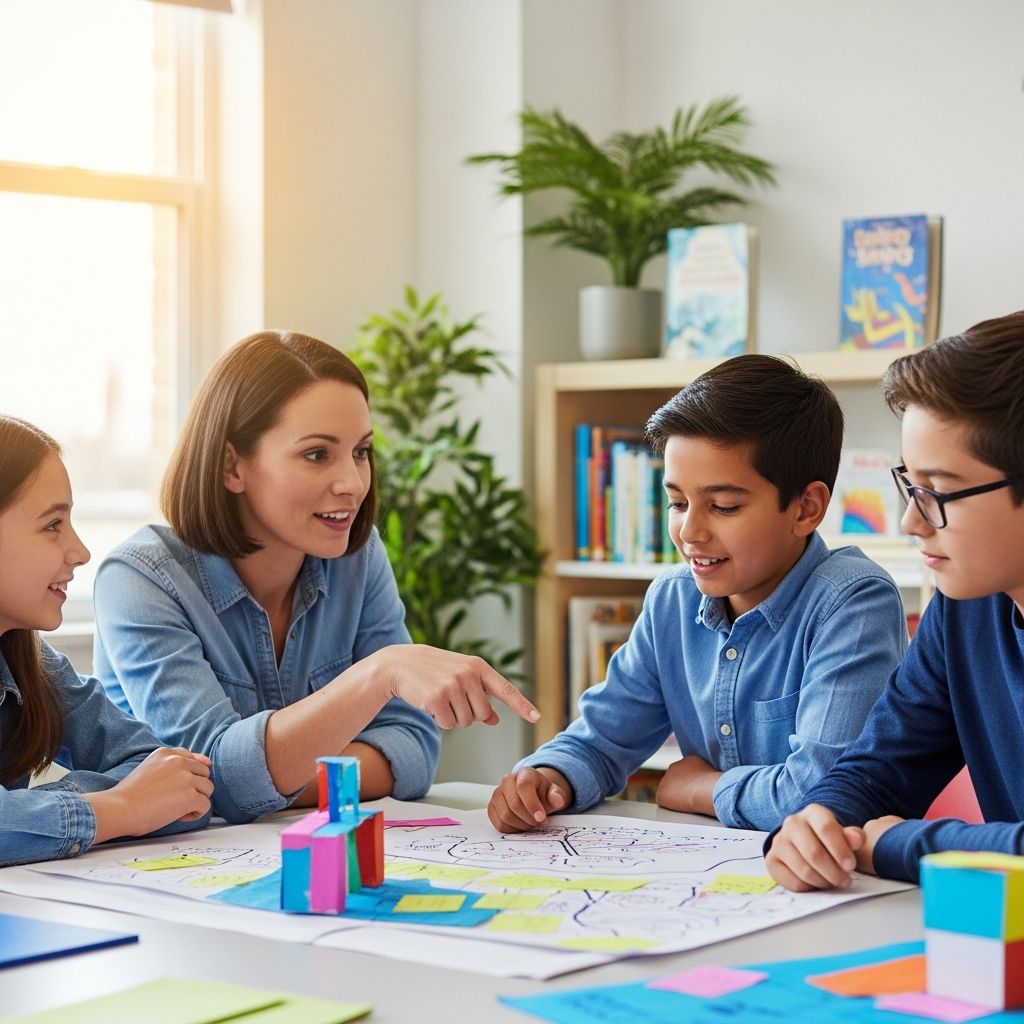
Establishing genuine connections with students transforms classrooms into vibrant learning communities. Teachers who invest time in discovering their pupils’ passions, challenges, and personalities create environments where motivation thrives and academic growth accelerates.
Why Student Connections Matter in Modern Classrooms
Strong teacher-student relationships are foundational to effective education. Research shows that when educators know their students well, attendance improves, behavioral issues decrease, and academic performance rises. These bonds encourage vulnerability, allowing students to seek help without fear and collaborate more effectively with peers.
In diverse classrooms, understanding cultural backgrounds, family dynamics, and individual learning preferences prevents misunderstandings and tailors instruction. Early-year efforts yield long-term benefits, as connected students are more resilient to setbacks and eager to participate.
Starting with Insightful Surveys and Questionnaires
Surveys serve as a low-pressure entry point to uncover student worlds. Distribute digital or paper forms asking about hobbies, favorite subjects, career dreams, and preferred learning methods. Open-ended prompts like “What makes you lose track of time?” reveal motivations.
Analyze responses to customize lessons—incorporate a soccer enthusiast’s interest into math problems or a artist’s into history projects. Revisit surveys mid-year to track growth and adapt support. This method builds trust by showing students their voices shape the class.
Interactive Icebreakers for Instant Rapport
Icebreakers break down barriers quickly. Launch the year with games that prompt sharing in fun ways. For elementary levels, try drawing self-portraits highlighting unique traits, then gallery-walk to discuss.
- People Search Bingo: Create grids with traits like “plays an instrument” or “loves video games.” Students mingle, signing squares that match them—no repeats. This reveals commonalities and sparks conversations.
- Desert Island Dilemma: Ask what three items students would take to a deserted island and why. Shares highlight priorities and humor.
- Emoji Stories: Students describe their summer using five emojis; peers guess meanings, fostering laughter and insight.
These activities, lasting 15-30 minutes, energize rooms and provide teachers with memorable facts about each child.
Age-Appropriate Games for Every Grade Level
Tailor activities to developmental stages for maximum impact. Younger learners enjoy physical play, while older ones prefer reflective discussions.
Elementary School Energizers
- Balloon Bios: Write one fact on a balloon; toss and pop to reveal, then share more about the owner.
- Animal Alter Egos: Students pick animals resembling their personalities and explain choices in pairs.
Middle School Mixers
| Activity | Description | Benefits |
|---|---|---|
| Human Knot | Students link hands across a circle, untangle without releasing grips. | Builds teamwork, communication under pressure. |
| Speed Chats | Timed partner interviews on prompts like “Favorite memory?” | Quick bonding, reveals diverse experiences. |
| Timeline Shares | Visual life event maps discussed in small groups. | Uncovers resilience, shared histories. |
High School Deep Dives
- Debate Duo: Pairs interview, then “debate” partner’s coolness to the class.
- If You Knew Me: Anonymous notes on hidden sides of self; class guesses authors.
- Interest Maps: Surveys grouping by passions for targeted projects.
Adapting ensures relevance, keeping teens engaged without feeling childish.
Daily Practices to Sustain Relationships
Beyond openers, weave connection into routines. Morning check-ins via mood meters or quick shares maintain openness. End days with “rose and thorn” reflections—what went well, what challenged.
One-on-one chats during lunch or conferences uncover depths surveys miss. Display a “class puzzle” where pieces represent talents, assembling into a unified picture symbolizing community.
Digital Tools and Virtual Adaptations
In hybrid settings, leverage tech. Platforms like Boom Cards offer interactive decks for virtual icebreakers. Shared Google Slides for “Would You Rather?” polls get remote students moving digitally.
Record video intros; play during first classes. Apps track interests, generating personalized shout-outs like “Shoutout to Alex’s skateboarding skills!”
Overcoming Common Hurdles
Shy students may resist; offer private options first, like written submissions. Large classes? Rotate small-group spotlights. Time constraints? Integrate into transitions.
Cultural sensitivity matters—prompts should welcome all backgrounds. Track participation to ensure equity, adjusting for neurodiversity.
Measuring Impact and Long-Term Gains
Observe increased participation, voluntary shares, and peer support as signs of success. Pre/post surveys gauge comfort levels. Connected classes show higher engagement scores and fewer disruptions.
Frequently Asked Questions (FAQs)
What if a student refuses to participate?
Respect boundaries; provide alternatives like journal entries. Build trust gradually—many warm up seeing peers enjoy it.
How often should I run these activities?
Weekly initially, then monthly. Daily micro-check-ins sustain momentum without overwhelming schedules.
Can these work in online-only classes?
Absolutely—use breakout rooms, polls, and async video responses for inclusive virtual bonding.
Do they help with classroom management?
Yes, known students follow rules better, reducing conflicts through mutual respect.
What’s the quickest activity for day one?
Two Truths and a Lie: Fast, fun, reveals personalities in minutes.
References
- Positive Behavioral Interventions & Supports: How to Get to Know Your Students — PBIS Rewards. 2023-08-15. https://www.pbisrewards.com/blog/how-to-get-to-know-your-students/
- Activities to Get to Know Students — Bored Teachers. 2024-01-10. https://www.boredteachers.com/post/activities-to-get-to-know-students
- Get to Know You Activities in Classroom — Learning Focused. 2023-05-20. https://learningfocused.com/blogs/lesson-planning/get-to-know-you-activities-in-classroom
- Fun Ways for Students to Get to Know Each Other — Edutopia. 2024-09-01. https://www.edutopia.org/article/fun-ways-students-get-to-know-each-other/
- Get to Know Your Students: First Week Activities — Boom Learning. 2023-07-12. https://www.boomlearning.com/boom-learning-news-blog/get-to-know-your-students-first-week-activities

Medha Deb is an editor with a master's degree in Applied Linguistics from the University of Hyderabad. She believes that her qualification has helped her develop a deep understanding of language and its application in various contexts. Medha specializes in the areas of beauty, health, sports, and wellness and is committed to ensuring that the content on the website is…