
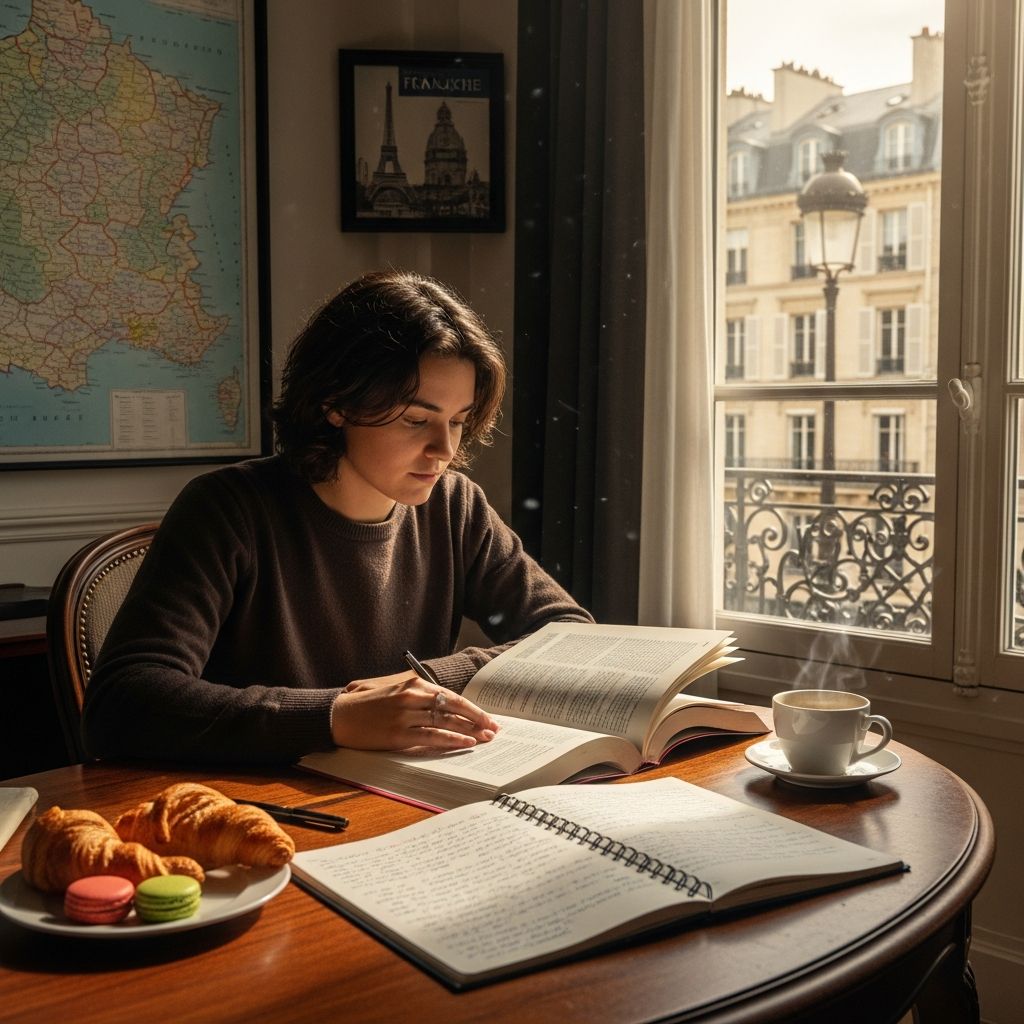
French, known as the language of love and diplomacy, opens doors to rich cultures, career opportunities, and personal growth. Achieving fluency requires more than rote memorization; it demands a strategic approach combining immersion, consistent practice, and engaging methods. This guide outlines a comprehensive roadmap inspired by language experts, helping beginners to advanced learners build skills efficiently.
Understanding Your Motivation and Goals
Before diving into lessons, clarify why you want to learn French. Is it for travel, business, romance, or cultural appreciation? Defining your “why” fuels long-term commitment. Set specific, measurable goals like holding a 10-minute conversation in three months or reading a novel in a year.
- Short-term goals: Master basic greetings and ordering food within weeks.
- Medium-term goals: Understand news broadcasts after six months.
- Long-term goals: Achieve conversational fluency for professional use.
Assess your starting level with self-tests or online placements. Tailor your plan accordingly to avoid frustration and ensure steady progress.
Building a Strong Foundation with Daily Habits
Consistency trumps intensity. Short, focused sessions of 15-30 minutes daily yield better retention than marathon cramming. Integrate French into your routine without overwhelming your schedule.
| Daily Activity | Time Commitment | Expected Benefit |
|---|---|---|
| Vocabulary flashcards | 10 minutes | Builds 20-50 new words weekly |
| Listening to podcasts | 15 minutes | Improves comprehension and accent |
| Sentence repetition | 10 minutes | Enhances natural phrasing |
| Quick conversation practice | 20 minutes | Boosts speaking confidence |
Link new words to personal images or situations, not English translations. For instance, associate “rouge” (red) with your favorite shirt rather than direct equivalents to foster intuitive recall.
Harnessing Immersion for Rapid Progress
Immersion simulates native environments, accelerating acquisition. While traveling to France or Quebec is ideal, create immersion at home through surround-sound strategies.
- Label household items in French.
- Switch phone and social media to French.
- Think in French during routine tasks like cooking.
Studying abroad amplifies this: programs blend classroom instruction with daily interactions, from market bargaining to cafe chats. Research shows immersion enhances retention by making language practical and memorable.
Leveraging Media for Fun and Effective Learning
Consume French content to build passive skills. Start with slow audio, progressing to native speed.
- Movies and TV: Watch with French subtitles to sync reading and listening. Favorites like “Amélie” or “Lupin” introduce idioms naturally.
- Music: Analyze lyrics of artists like Stromae or Edith Piaf. Singing along improves pronunciation and rhythm.
- Podcasts and News: Begin with beginner-friendly shows like Coffee Break French, then advance to RFI journals.
- Books and Magazines: Choose graded readers or interest-based materials, from crime thrillers to fashion glossies.
This method strengthens comprehension without formal study, turning entertainment into education.
Mastering Speaking Through Practice
Conversational fluency comes from real interactions. Language partners or tutors provide feedback on nuances like liaison and intonation.
- Platforms like iTalki connect you with natives for affordable sessions.
- Join local meetups or online groups for casual exchanges.
- Record yourself and compare to natives for self-correction.
Focus on simple sentences first: “Je voudrais un café, s’il vous plaît.” Gradually tackle complex topics. Mutual language exchanges are cost-free and culturally enriching.
Choosing Quality Resources Over Free Hype
Not all tools are equal. Prioritize audio from native speakers over AI-generated content, as spoken French features liaisons and elisions absent in text.
- Avoid: Dubious free apps with inaccurate audio.
- Embrace: Structured courses with transcripts, like those from accredited providers.
Combine apps for vocab (e.g., Anki flashcards) with immersive audio stories. Repetition via spaced reviews cements knowledge.
Overcoming Common Plateaus
Intermediate learners often hit walls. Combat this by varying routines: switch to songs for “music mountains” or debates for advanced vocab.
Track progress weekly. If stuck, intensify immersion or seek intensive programs. Patience is key—fluency emerges from persistent exposure.
Advanced Techniques for Fluency
Once basics solidify, prioritize:
- Grammar in Context: Learn rules through stories, not drills.
- Idioms and Slang: Dive into regional variations like Québécois French.
- Writing Practice: Journal in French, using tools for correction.
Intensive retreats or full immersion trips catapult skills, blending structure with spontaneity.
Frequently Asked Questions (FAQs)
What’s the fastest way to learn French?
Full immersion combined with daily short sessions and conversation practice yields quickest results, often advancing beginners to intermediate in months.
Do I need to live in France to become fluent?
No, home immersion via media and partners works, though abroad study accelerates progress dramatically.
How much daily practice is enough?
15-60 minutes of focused effort daily outperforms sporadic long sessions.
Are apps like Duolingo sufficient alone?
They’re great starters for vocab but pair with audio and speaking for comprehensive fluency.
Can adults learn French as effectively as children?
Yes, with consistent, enjoyable methods tailored to adult learning styles.
Creating Your Personalized Roadmap
Synthesize these strategies into a weekly plan:
- Monday-Wednesday: Vocab + listening (30 min).
- Thursday-Saturday: Media + speaking (45 min).
- Sunday: Review + free immersion.
Adjust based on feedback. Celebrate milestones to stay motivated. With dedication, French fluency is achievable for anyone.
References
- The Right Way To Learn French — Comme une Française. 2023. https://www.commeunefrancaise.com/blog/the-right-way-to-learn-french
- How to Learn French: 7 Tips for Learning French Fast — Go Overseas. 2024-01-15. https://www.gooverseas.com/blog/tips-to-learn-french-fast
- Studying French is easy: 10 tips to learn French fast — Centre International d’Antibes. 2023-05-20. https://www.cia-france.com/blog/tips-to-learn-french/tips-to-learn-french-fast
- How to Learn French Efficiently – 12 Top Tips — French Today. 2024. https://www.frenchtoday.com/blog/how-to-learn-french/how-to-learn-french-efficiently-top-12-tips/
- Learning French: The Best Way for Beginners to Start Speaking — The Linguist. 2022-11-10. https://blog.thelinguist.com/french-for-beginners/
- The Right Way To Learn French (At Any Age) — Comme une Française (YouTube). 2023-06-12. https://www.youtube.com/watch?v=ZHspjd7PJEc
- How to Learn French FAST — French with Alex (YouTube). 2024-02-28. https://www.youtube.com/watch?v=yFJCA_5zbUQ

Medha Deb is an editor with a master's degree in Applied Linguistics from the University of Hyderabad. She believes that her qualification has helped her develop a deep understanding of language and its application in various contexts. Medha specializes in the areas of beauty, health, sports, and wellness and is committed to ensuring that the content on the website is…