
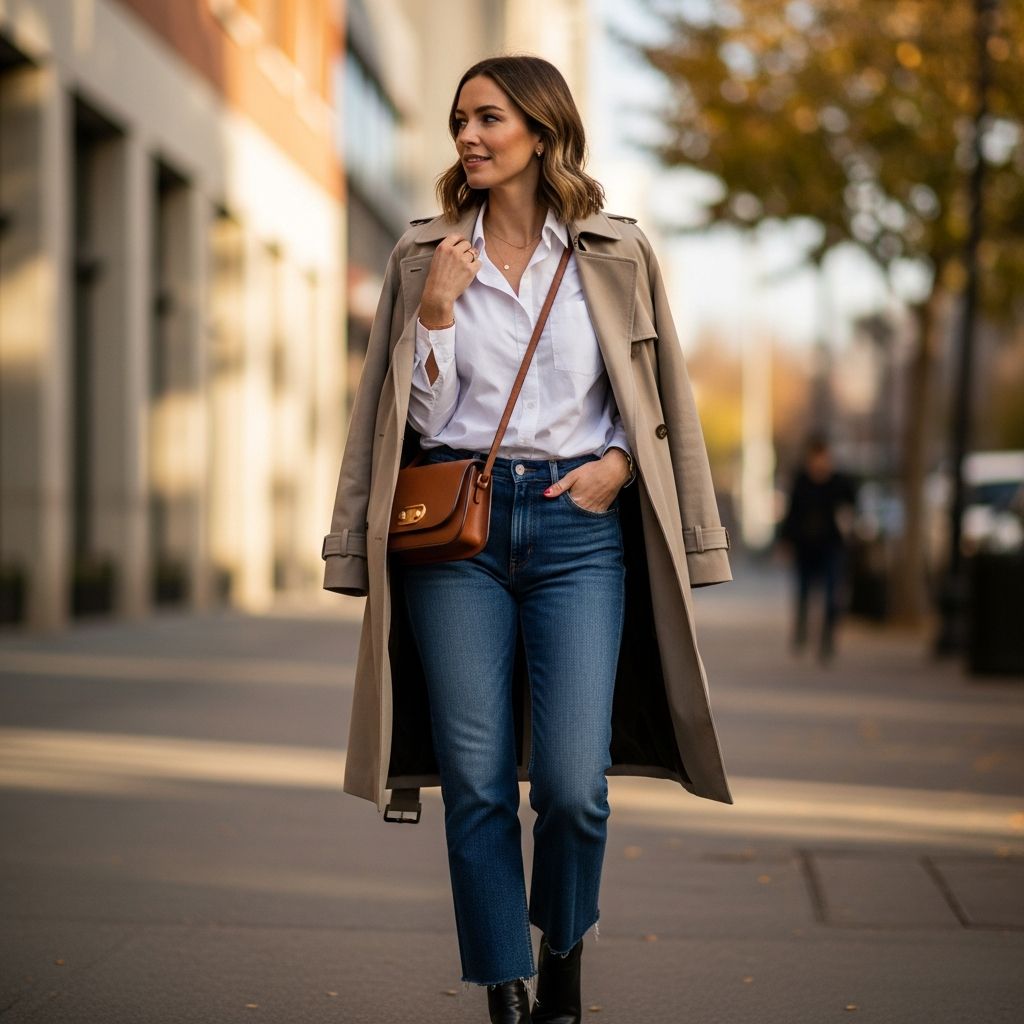
Looking chic is less about owning an endless closet and more about having a few reliable style habits you repeat on autopilot. With the right foundations, you can look polished, confident, and intentional even on the busiest mornings.
This guide breaks down practical strategies for building an effortlessly chic look, using ideas that work across different lifestyles, budgets, and body types. You will learn how to refine your wardrobe, use color smartly, pay attention to fit, and finish every outfit with subtle details that make a big impact.
1. Build Chic from the Ground Up: Wardrobe Foundations
Before focusing on trends, it helps to create a reliable base wardrobe. A small collection of well-chosen pieces makes getting dressed faster and more intentional.
1.1 Why Core Pieces Matter
Stylists and image consultants often emphasize a foundation of versatile basics because they can be mixed into multiple outfits and reduce decision fatigue. With a strong base, you can add interest through layers and accessories without starting from scratch every time.
- Fewer, better pieces reduce clutter and make combinations easier.
- Neutral colors are simpler to mix and match.
- Timeless cuts survive trends and feel polished for years.
1.2 Examples of Chic Wardrobe Staples
You can adapt these to any style (minimal, romantic, edgy, classic), but the categories stay helpful:
- A well-fitted blazer or structured jacket
- Tailored trousers or dark, clean-finish jeans
- A crisp shirt or polished blouse
- Simple knitwear (fine-gauge sweater, cardigan, or turtleneck)
- Neutral shoes that work with multiple outfits (loafers, ankle boots, sleek sneakers or pumps)
Career style resources often point to these types of garments as the building blocks of a professional yet flexible wardrobe.
1.3 Suggested Capsule Combination Table
| Category | Safe Chic Option | How It Elevates Your Look |
|---|---|---|
| Top | White or cream shirt / blouse | Adds brightness and looks intentionally crisp when ironed or steamed. |
| Bottom | Dark tailored trousers or clean jeans | Creates a long line and pairs easily with any neutral or accent color. |
| Layer | Neutral blazer, cardigan, or chore jacket | Adds structure, frames your silhouette, and makes casual outfits look finished. |
| Shoes | Leather loafers, ankle boots, or minimal sneakers | Grounds the outfit and signals polish more than very casual shoes. |
2. Master Fit and Proportion: The Fastest Chic Upgrade
Even an expensive garment looks sloppy when it does not fit correctly. Studies on clothing and self-perception show that people feel more confident and are perceived as more competent when their clothing fits well and aligns with the context.
2.1 Signs Your Clothes Fit Well
- Shoulder seams sit at the edge of your shoulders rather than drooping or pulling.
- Pants skim your body without clinging or ballooning; they do not bunch excessively at the ankle.
- Waistbands sit comfortably without cutting in or sliding down.
- Buttons close easily without gaping at the chest or pulling across the stomach.
2.2 Simple Tweaks That Make a Big Difference
Looking chic does not require a full tailor-made wardrobe. Small alterations can dramatically change how you look and feel in your clothes.
- Hem your pants so they break cleanly over your shoes instead of pooling.
- Shorten sleeves that hide your hands or fold awkwardly.
- Nip the waist of blazers or dresses to define your shape.
- Tuck or half-tuck tops to create a clear waistline instead of one long block of fabric.
2.3 Balancing Proportions
A chic outfit often follows a simple balancing rule: if one part of your outfit is voluminous, balance it with something more fitted elsewhere.
- Wide-leg trousers with a more fitted or tucked-in top.
- Oversized knitwear with slim trousers or a pencil-style skirt.
- Relaxed jeans with a structured blazer or sharp jacket.
3. Use Color and Texture to Look Effortlessly Polished
Thoughtful use of color and texture can make simple outfits appear intentional and sophisticated without becoming loud or busy.
3.1 Neutrals as Your Style Anchor
Many stylists recommend building outfits around a limited palette of core colors—often black, navy, gray, beige, white, or cream—because they pair well with each other and with occasional accent shades.
- Pick 2–3 main neutrals you wear most (for example: black, white, camel).
- Let most of your big pieces—coats, trousers, bags, shoes—live in these colors.
- Add small doses of color through tops, scarves, or jewelry so your outfit looks cohesive, not chaotic.
3.2 Monochrome and Low-Contrast Outfits
Monochrome or low-contrast outfits (variations of one color or very similar tones) tend to look elevated, even when the individual pieces are basic.
- Try all-black, all-navy, or all-cream as an easy chic formula.
- Mix different shades of one color family, like stone, taupe, and camel.
- Rely on texture—denim, wool, silk, knit—to add depth so the outfit doesn’t feel flat.
3.3 Textures that Add Quiet Interest
Combining different materials is an easy way to make a simple color palette look rich.
- Pair a smooth blouse with a wool skirt or tailored trousers.
- Wear a soft knit over a crisp shirt so the collar and cuffs peek out.
- Mix matte and slightly shiny textures (like leather with cotton or silk) for subtle contrast.
4. Details that Make You Look Instantly Put-Together
Chic style often comes down to finishing touches. Small, repeatable habits can transform the same clothes from “thrown on” to “effortlessly styled.”
4.1 Intentional Accessorizing
Professional style advice commonly recommends keeping accessories streamlined while letting one item stand out. This keeps your look focused and sophisticated.
- Choose one statement piece: a bold watch, a sculptural necklace, or standout earrings.
- Pair the statement item with quieter companions like simple studs, slim rings, or a thin bracelet.
- Use functional accessories—structured bags, refined belts, or sleek scarves—to add polish without clutter.
4.2 Shoes as a Style Signal
Shoes are one of the first details people notice and strongly influence how put-together you look.
- Choose clean, well-maintained shoes; wipe them regularly and repair scuffs when needed.
- Stick to silhouettes that feel both comfortable and refined: loafers, low block heels, ankle boots, or simple sneakers in neutral colors.
- Avoid overly worn-out footwear, which can make the rest of your outfit look less polished.
4.3 Clothing Care as a Style Habit
Research on workplace appearance notes that neatness and grooming influence first impressions of competence and professionalism. The same principle applies outside the office.
- Steam or iron key pieces so collars, hems, and plackets look sharp.
- Remove lint and pet hair, especially from darker garments.
- Check for loose threads, missing buttons, or small stains before leaving home.
5. Grooming and Posture: The Invisible Style Multipliers
You can be wearing a chic outfit and still feel unfinished if your grooming and posture do not align. Fortunately, small, consistent habits are enough—no elaborate routines required.
5.1 Low-Effort Grooming that Reads as Chic
Occupational and social psychology research highlights that clean, well-kept grooming often shapes perceptions of reliability and capability. This does not require heavy makeup or elaborate hair styling.
- Maintain clean hair with a simple, repeatable style—sleek ponytail, bun, natural curls defined, or a classic blow-dry.
- Keep nails neat, whether bare, trimmed, or polished in neutral shades.
- Opt for subtle makeup if you choose to wear it: even skin tone, defined brows, and a simple lip color often look polished.
5.2 Posture and Body Language
Multiple studies show that upright posture and open body language can positively affect both how others see you and how you feel about yourself.
- Stand with your shoulders relaxed and slightly back, not rounded forward.
- Keep your head level rather than tilted down to your phone.
- Walk at a steady, comfortable pace instead of rushing in a way that looks frazzled.
These physical habits amplify a chic outfit by signaling calm and confidence.
6. Create Personal Outfit Formulas for Busy Days
One of the easiest ways to look consistently chic is to rely on a few outfit “formulas” you can repeat with different items. Many stylists and fashion editors use this approach to streamline their own wardrobes.
6.1 What is an Outfit Formula?
An outfit formula is a simple structure you plug different pieces into, such as:
- “Sharp top + tailored bottom + structured layer + neutral shoe”
- “Simple dress + waist-defining belt + clean shoe + one statement accessory”
- “Basic tee + straight-leg jeans + blazer + watch”
You can adapt these to your environment, whether that is a formal office, a casual studio, or remote work with occasional in-person days.
6.2 How to Build Your Own Formulas
- Identify 2–3 outfits you already feel great in.
- Write down the structure of each (for example: “fitted top + wide-leg bottom + belt”).
- Notice common elements you gravitate toward: certain necklines, leg shapes, or layers.
- Commit to using those structures as your default on busy days.
Over time, you will develop a small set of go-to combinations that feel like your signature style.
7. Context Matters: Dressing Chic for Different Settings
Looking chic also means feeling appropriate for where you are—work, social gatherings, or casual weekends. Understanding the context helps you calibrate how polished or relaxed to go.
7.1 Professional Environments
Guides on dressing for success consistently recommend aligning with your workplace dress code while aiming for the upper range of neatness and polish.
- For more formal offices, focus on structured layers, button-front shirts, and tailored trousers or skirts.
- In business casual or creative settings, you can combine polished pieces with denim or softer fabrics, as long as the final look remains clean and intentional.
- Use accessories and shoes to adjust the level of formality—swap sneakers for loafers, or add a blazer over a simple top to look instantly more professional.
7.2 Off-Duty and Social Outings
The same principles of fit, color, and detail apply away from work; you simply have more freedom with silhouettes and fabrics.
- Upgrade casual basics by choosing better fabrics and avoiding very worn-out items.
- Use one elevated piece—a great coat, leather boots, or a statement bag—to lift simple jeans-and-tee outfits.
- Lean on monochrome or neutral palettes when you want to look chic with minimal effort.
Frequently Asked Questions (FAQs)
Q: Do I need an expensive wardrobe to look chic?
No. Chic style depends far more on fit, neatness, and smart combinations than on price tags. Focusing on a few well-fitting basics, caring for your clothes, and using simple color palettes can make budget-friendly pieces look elevated.
Q: How many clothes do I really need for an effortlessly chic look?
There is no fixed number, but many people find that a small capsule of versatile tops, bottoms, layers, and shoes—perhaps 20–30 pieces per season—offers plenty of options. The key is that most items mix and match easily and suit your lifestyle and body shape.
Q: What is one change I can make tomorrow to look more polished?
Start by checking fit and grooming: choose one outfit where the top is tucked or neatly cropped, the pieces are steamed, and your shoes are clean. Add one intentional accessory, like a watch or necklace. This single combination often makes a noticeable difference in how put-together you appear.
Q: How can I look chic if my job is very casual?
Even in casual workplaces, you can choose clean, intact clothing in neutral colors, avoid overly distressed pieces, and add one structured item such as a jacket or polished shoe. This maintains comfort while signaling care and professionalism.
Q: What if I prefer bold colors or prints—can that still be chic?
Yes. Try grounding bold colors or prints with neutral basics so that one element takes the spotlight while the rest of the outfit stays simple. For example, pair a bright top with dark jeans and neutral shoes, or let a printed skirt shine with a solid, well-fitted tee.
References
- How To Look Put Together at Work in 8 Stylist-Approved Steps — Next Level Wardrobe. 2023-05-10. https://nextlevelwardrobe.com/how-to-look-put-together-at-work/
- How to Look Good at Work – 5 Stylist-Approved Tips — Let’s Get You. 2023-06-15. https://www.letsgetyou.com/blog/how-to-look-good-at-work
- Dress for Success: The Effect of Clothing on Self-Perception and Behavior — Adam Hajo & Adam D. Galinsky, Social Psychological and Personality Science. 2015-08-01. https://doi.org/10.1177/1948550615579462
- The Cognitive Consequences of Formal Clothing — Abraham M. Rutchick et al., Social Psychological and Personality Science. 2015-11-01. https://doi.org/10.1177/1948550614564224
- Fashion Tips for Professional Settings: How to Dress for Success — Looksky. 2024-03-20. https://www.looksky.ai/article/fashion-tips-for-professional-settings.html
- Dressing for Success: The Effect of Appearance on Managerial Decisions — John B. Biddle & Daniel S. Hamermesh, Journal of Labor Economics. 1998-01-01. https://doi.org/10.1086/209881

- Integrated M.A. in Applied Linguistics, University of Hyderabad
- 5+ years in editorial, instructional, SEO, and research-based writing
Sneha is a relationships and lifestyle writer with a strong foundation in applied linguistics and certified training in relationship coaching. She brings over five years of writing experience to theskillvault, crafting thoughtful, research-driven content that empowers readers to build healthier relationships, boost emotional well-being, and embrace holistic living. Her writing and insights reflect the belief that beauty, happiness, and wellness…