
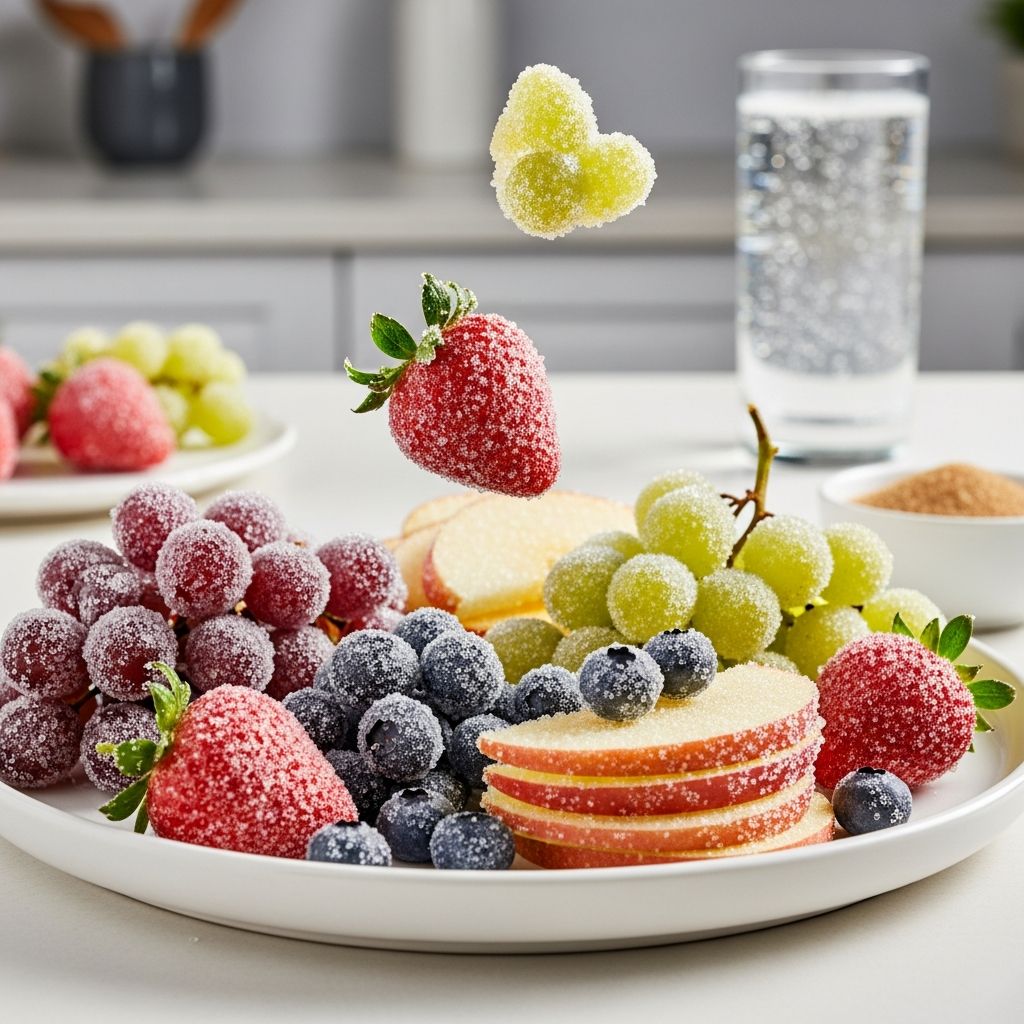
Understanding Carbonated Fruit: A Modern Culinary Innovation
Carbonated fruit represents an exciting intersection of culinary creativity and food science, transforming ordinary produce into an interactive dining experience. When fruit absorbs carbon dioxide, it creates a distinctive tingling sensation on the palate that differs markedly from consuming carbonated beverages. The bubbles concentrate within the fruit’s flesh and cell structure, delivering bursts of flavor combined with the unique sensation that mimics the experience of eating pop rocks. This culinary technique has gained popularity in both home kitchens and professional restaurant settings, offering a simple yet impressive way to reimagine familiar fruits.
The appeal of carbonated fruit extends beyond novelty. The carbonation process enhances the fruit’s natural tartness and brings forward subtle flavor notes that might otherwise go unnoticed. A carbonated grape, for instance, develops a more pronounced tangy quality, while the fizzing sensation creates heightened sensory engagement during consumption. This makes carbonated fruit an excellent choice for entertaining guests, adding visual interest to dessert presentations, or simply experimenting with food preparation in your own kitchen.
The Dry Ice Method: Professional Results at Home
The dry ice technique stands as the most popular approach for creating carbonated fruit, offering reliable results with minimal equipment investment. Dry ice is solid carbon dioxide that sublimes at temperatures far below the freezing point of water, releasing CO2 gas throughout the process. This method works effectively because the carbon dioxide gas becomes trapped within the fruit’s cellular structure as it accumulates in an enclosed container.
Essential Materials and Safety Considerations
Before beginning the dry ice process, gather the following items:
- A sturdy plastic container with a secure lid (such as a large cooler, water bottle, or food-grade plastic tub)
- Food-grade dry ice in appropriate quantities
- Cloth material or kitchen towels for insulation
- Clear plastic wrap for sealing containers
- Insulated gloves or tongs for handling dry ice
- Fresh fruit of your choice
Safety demands careful attention when working with dry ice. Never handle dry ice with bare hands, as direct contact causes severe frostbite. Always use insulated gloves or metal tongs when manipulating dry ice. Additionally, ensure adequate ventilation in your workspace, as carbon dioxide accumulation in poorly ventilated areas poses suffocation risks. Never seal dry ice in an airtight glass container, as pressure buildup can cause explosive rupture. Only use durable plastic containers specifically designed to withstand pressure, or use containers with venting mechanisms.
Step-by-Step Dry Ice Carbonation Process
The fundamental procedure begins with selecting an appropriate container based on the quantity of fruit you wish to carbonate. For modest amounts, a one-liter plastic water bottle suffices, while larger quantities require a cooler or storage container. The general guideline suggests using approximately half a pound of dry ice for a large cooler, while a thumbnail-sized portion works well for water bottles.
Place the dry ice directly into your chosen container first. This ordering prevents the fruit from touching dry ice prematurely, which would freeze the fruit rather than carbonate it. Next, drape a cloth material or folded kitchen towel directly over the dry ice, creating an insulating barrier. This crucial step prevents the fruit from freezing solid before adequate carbonation occurs, preserving the desired texture while allowing gas absorption.
Distribute your sliced or whole fruit over the cloth-covered dry ice, filling the container as generously as desired. Softer fruits may become mushy during extended carbonation, so consider this factor when selecting your produce. Ensure the container is sealed completely—screw lids tightly on water bottles, and wrap coolers thoroughly with plastic wrap to prevent gas escape.
Allow the fruit to carbonate for a minimum of eight hours, though ten to fourteen hours produces optimal results. Storage in a cool environment during this period enhances the process. After the designated time has elapsed, carefully open the container and serve the carbonated fruit immediately. The carbonation effect diminishes rapidly once the container is opened and pressure is released, so plan to consume the fruit within approximately fifteen minutes for the best fizzy sensation.
Pressurized Whipper and Siphon Techniques
An alternative methodology employs cream whippers or siphon devices designed for culinary use. These specialized tools feature pressurized chambers that allow gas infusion into various ingredients. The iSi brand offers several models suitable for fruit carbonation, including their gourmet whippers and siphons.
How Pressurized Whippers Function
Pressurized whippers work by introducing carbonated gas into a sealed chamber containing your chosen fruit. Unlike the dry ice method that relies on gas sublimation, these devices use replaceable CO2 chargers—small cartridges containing pressurized carbon dioxide. The chargers are identical in size and capacity to the N2O chargers typically used for whipped cream, allowing flexibility in equipment selection.
Operating Pressurized Carbonation Equipment
To use a pressurized whipper for fruit carbonation, begin by filling the chamber with fruit, preferably pieces with cut, exposed surfaces to facilitate gas penetration. The exposed surfaces of freshly cut fruit absorb CO2 more readily than intact skin. Secure the top of the whipper, ensuring an airtight seal. Insert one CO2 soda charger into the device (or two chargers if using a one-liter capacity whipper), following the manufacturer’s instructions for charger installation.
Place the charged whipper in your refrigerator overnight to allow adequate carbonation time and maintain fruit freshness. The cold temperature promotes gas dissolution within the fruit’s moisture content. Before opening the whipper, slowly release pressure by actuating the valve—this critical safety step prevents sudden depressurization that could damage the container or spray fruit unexpectedly.
One limitation of this method is longevity. Once removed from the pressurized environment, fruit begins losing carbonation almost immediately. Consume pressurized whipper-carbonated fruit within ten minutes of opening the device to maintain the desired fizzy sensation.
The Beverage Soaking Method: Simplicity Over Science
For those seeking a straightforward approach without specialized equipment, the beverage soaking method provides a passable alternative. This technique involves submerging sliced fruit in an already-carbonated beverage for approximately thirty minutes. During this time, the carbonation naturally transfers from the liquid into the fruit’s flesh.
This method works best with sturdy fruits such as stone fruits, tree fruits like apples and pears, or firm grapes. These varieties resist the mushiness that affects softer fruits like raspberries or bananas when exposed to prolonged liquid saturation. The resulting product provides a gentle fizzy sensation, though it lacks the intensity achieved through dry ice or pressurized methods.
The primary advantage of this approach is accessibility—carbonated beverages are readily available in grocery stores without special procurement requirements. However, the technique introduces sugar and flavorings from the soaking liquid, which may alter the fruit’s natural taste profile.
Selecting Optimal Fruit for Carbonation
Not all fruits respond equally to carbonation. Success depends on fruit structure, moisture content, and firmness. Here’s a comparison of various fruits and their suitability:
| Fruit Type | Carbonation Success | Notes |
|---|---|---|
| Grapes | Excellent | Ideal candidates; firm structure retains carbonation well |
| Apples | Excellent | Sturdy flesh holds bubbles effectively |
| Pears | Excellent | Firm varieties work best; maintain crisp texture |
| Stone Fruits (peaches, plums) | Very Good | Good carbonation; avoid overripe specimens |
| Raspberries | Good | Can work but texture becomes soft; consume quickly |
| Strawberries | Fair | Results vary; some show minimal carbonation |
| Bananas | Poor | Become mushy; not recommended |
| Watermelon | Very Good | High water content facilitates gas absorption |
Preparation and Processing Tips for Maximum Success
Proper fruit preparation significantly impacts carbonation effectiveness. Begin with fresh, ripe fruit of high quality. Avoid overripe specimens, which have compromised cellular structure and deteriorate further during carbonation. Most methods require slicing the fruit to increase surface area and expose internal moisture for gas absorption. However, some whole fruits—particularly grapes—carbonate successfully without cutting.
The cut surfaces of fruit are crucial contact points for carbon dioxide. These wet, exposed areas absorb gas more readily than sealed skin, so maximize cut surface area when slicing fruit. Create pieces of manageable size for consumption while maintaining sufficient bulk to absorb adequate carbonation.
Store prepared fruit in cool conditions until beginning the carbonation process. Cold temperatures slow deterioration and make fruit firmer, improving its ability to withstand the carbonation process and maintain its structure. Avoid washing fruit immediately before carbonation, as excess surface moisture dilutes the gas absorption mechanism, though slightly damp fruit actually enhances the process.
Maximizing Carbonation Results and Longevity
Several factors influence carbonation intensity and durability. Temperature plays a significant role—colder conditions promote gas dissolution and slow the natural degassing process. Maintain your carbonation apparatus in refrigerated environments whenever possible. Time investment matters substantially; longer carbonation periods generally yield more pronounced fizzy sensations, with twelve to fourteen hours representing the optimal window before fruit texture begins degrading.
Container integrity directly affects results. Any gas escape reduces carbonation effectiveness. Ensure all seals are completely airtight before carbonation begins. For coolers, apply plastic wrap generously and comprehensively, checking for gaps or weak points. Avoid opening the container prematurely to check progress, as this releases pressurized gas and interrupts the process.
Post-carbonation handling influences the final experience. The moment you open your carbonation apparatus, the pressure differential causes rapid gas escape from the fruit. This process begins immediately and accelerates over time. To preserve maximum fizz, open your container, remove desired fruit portions, and return remaining fruit to sealed storage within seconds. Consume the fruit within the ten- to fifteen-minute window for optimal sensation.
Practical Applications and Serving Suggestions
Carbonated fruit offers versatility in culinary applications beyond simple snacking. Add carbonated berries to champagne or sparkling wine for an elevated brunch beverage. Layer carbonated grapes into dessert presentations for textural contrast and visual interest. Incorporate carbonated fruit into summer cocktails where the fizz complements other beverage carbonation.
For entertaining, carbonated fruit serves as an impressive talking point and memorable sensory experience for guests unfamiliar with the technique. The element of surprise—biting into fruit that fizzes unexpectedly—creates delight and engagement. Consider preparing carbonated fruit for dinner parties, garden gatherings, or special celebrations.
Frequently Asked Questions About Carbonated Fruit
Q: Can I use regular ice instead of dry ice for carbonation?
A: No. Regular ice is frozen water and does not release carbon dioxide gas. Only dry ice (solid carbon dioxide) produces the gaseous carbonation effect necessary for this technique.
Q: How long does carbonated fruit stay fizzy after opening?
A: Carbonated fruit loses its fizz rapidly once removed from the pressurized environment. Consume the fruit within ten to fifteen minutes of opening the container for the best carbonation experience.
Q: Is dry ice safe to handle in home kitchens?
A: Dry ice can be handled safely with proper precautions. Always use insulated gloves or tongs—never touch dry ice with bare hands. Work in well-ventilated areas and never seal dry ice in rigid containers without venting mechanisms.
Q: Can I use any plastic container for dry ice carbonation?
A: No. Use only durable, food-grade plastic containers designed to withstand pressure. Cheap plastic bottles may rupture from pressure buildup. Glass containers are dangerous and should never be used with dry ice.
Q: Does carbonation change the fruit’s nutritional value?
A: Carbonation does not significantly alter the fruit’s nutritional composition. The fruit retains its vitamins, minerals, and fiber content despite the carbonation process.
Q: What fruits should I avoid carbonating?
A: Soft fruits like bananas, very ripe berries, and stone fruits that are overripe tend to become mushy during carbonation. Stick with firm, fresh fruits for best results.
Q: Can I recarbonate fruit once the fizz diminishes?
A: Yes, you can place the fruit back into a pressurized carbonation apparatus or dry ice container to reinfuse it with bubbles, though the fruit’s texture may have degraded from the first carbonation.
Q: How far in advance can I prepare carbonated fruit for events?
A: Prepare carbonated fruit as close to serving time as possible. Ideally, open the container and serve within the fifteen-minute window before significant degassing occurs. For events, aim to complete carbonation within an hour of serving.
References
- Carbonated Fruit: The iSi Way — Khymos. 2007-04-09. https://khymos.org/2007/04/09/carbonated-fruit-the-isi-way/
- Carbonate Your Fruit: What is Carbonated Fruit Fizz and How to Make It — The Takeout. https://www.thetakeout.com/what-is-carbonated-fruit-fizz-how-to-make-uses-recipes-1850719524/
- How To Make Fizzy Fruit and Beat The Heat — Motherhood In Nashville. https://motherhoodinnashville.com/how-to-make-fizzy-fruit-and-beat-the-heat/

Medha Deb is an editor with a master's degree in Applied Linguistics from the University of Hyderabad. She believes that her qualification has helped her develop a deep understanding of language and its application in various contexts. Medha specializes in the areas of beauty, health, sports, and wellness and is committed to ensuring that the content on the website is…