
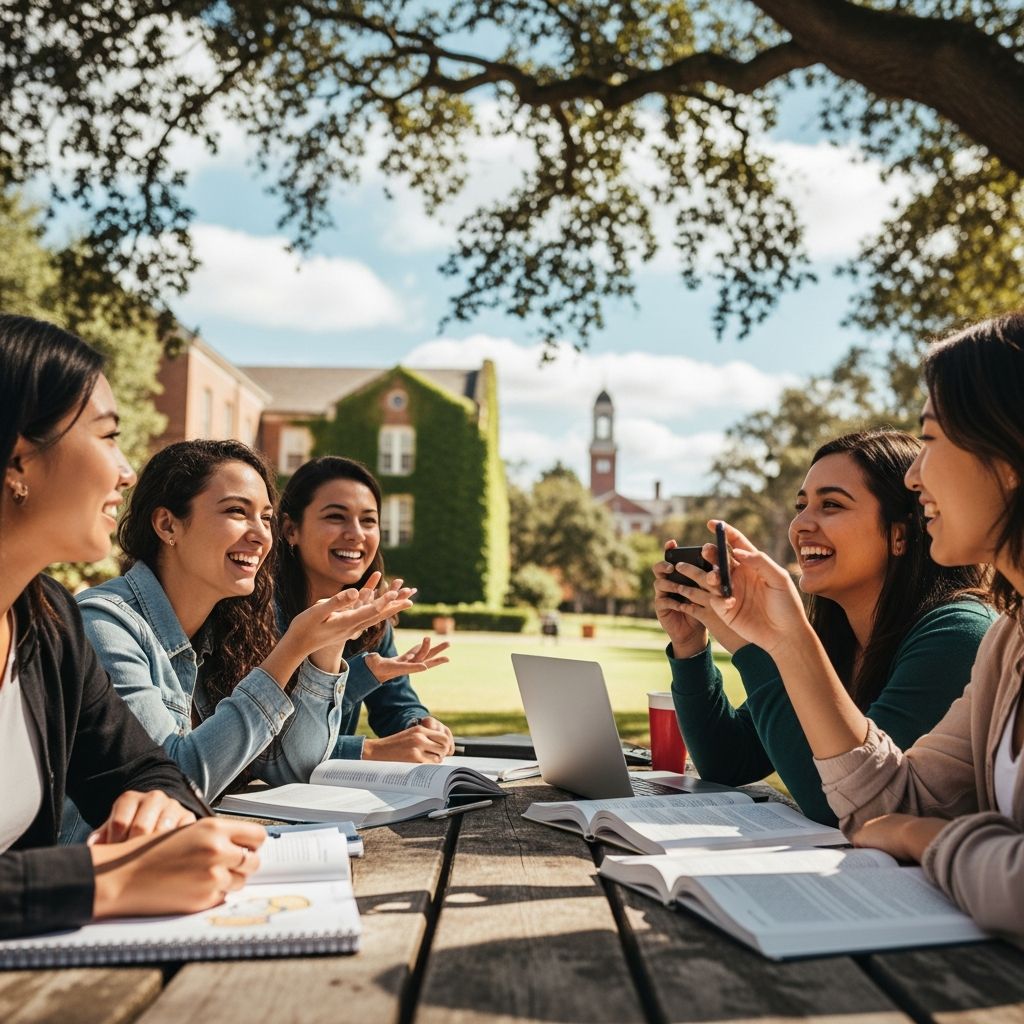
The transition to college represents a pivotal moment in your life where establishing meaningful connections becomes essential to your overall well-being and academic success. Many students arrive at campus concerned about their social prospects, particularly if they perceive that others have already formed established friend groups. However, the college environment offers unique advantages for developing friendships that extend beyond high school. The reality is that most students share similar concerns about making connections, creating a level playing field where genuine friendships can flourish.
Understanding the College Social Landscape
College fundamentally differs from high school in its social structure and opportunities for connection. Unlike secondary education, where students often remain within the same cohort throughout the year, college provides continuous waves of new students, activities, and social contexts. The college environment is inherently designed to facilitate relationship-building, with thousands of peers from diverse backgrounds converging in a single location. This abundance of potential connections means that the quality of friendships often matters more than the quantity of social opportunities available.
Many incoming students underestimate the transient nature of early college friendships. Groups that appear established during orientation week are often still in flux as students navigate new class schedules, explore different activities, and discover their genuine interests. The perception that everyone already has friends is largely a cognitive bias rooted in social anxiety rather than reality.
Leveraging Orientation Week as Your Foundation
The structured events occurring before regular classes begin represent one of the most valuable windows for friendship formation. These orientation or welcome week events, regardless of what your institution calls them, create deliberate opportunities for interaction among students who are all simultaneously entering an unfamiliar environment. The deliberate structure of these events removes much of the awkwardness associated with initiating connections, as everyone present shares the common goal of meeting new people.
Maximize this period by:
- Attending multiple events throughout orientation week to increase exposure to potential friends
- Engaging with peer guides and orientation leaders, who can help ease social anxiety while facilitating conversations with other attendees
- Recognizing that repeating events exposes you to the same people in different contexts, naturally deepening initial acquaintances
- Remaining patient with the process, as meaningful connections often require multiple interactions before solidifying
The temporary communities formed during orientation week provide natural momentum for friendship development as students transition into their regular academic schedule.
Optimizing Your Residential Environment for Connection
For students living on campus, your residential community offers daily opportunities for organic interaction. The proximity and frequent contact between residents create natural conditions for relationship development. Rather than waiting for friendships to develop passively, taking deliberate action within your residential setting accelerates connection-building.
Consider these residential strategies:
- Introduce yourself proactively to neighbors by knocking on doors or spending time in common areas
- Utilize communal spaces intentionally, whether lounges, kitchens, or outdoor areas, as gathering points for casual interaction
- Drop in on adjacent floors or residential sections to expand your immediate social circle beyond your specific living area
- Participate in floor-based events or activities that your residential community organizes
The residential setting eliminates the necessity of scheduling or planning required for friendships that develop solely through classes or organized activities, making it an ideal foundation for genuine connection.
Strategic Participation in Campus Communities
Academic and social clubs represent perhaps the most effective pathway to forming friendships grounded in shared interests and values. Unlike random encounters in common spaces, club participation ensures repeated contact with individuals who possess compatible passions and priorities. The sustained engagement required by club membership naturally deepens connections through collaborative experiences and shared goals.
When selecting clubs or organizations to join:
- Prioritize authenticity over attempting to join groups simply for networking purposes
- Choose organizations aligned with genuine interests, as this ensures both sustained participation and natural conversation opportunities
- Recognize that regular attendance establishes you as a community member rather than a visitor
- View club participation as a long-term investment in friendship development rather than a quick solution
Whether your interests lie in academic pursuits, sports, service, religious practice, or artistic endeavors, campus organizations provide built-in communities seeking members who care about their mission.
Transforming Academic Spaces into Social Venues
Your coursework and classroom environments offer underutilized opportunities for friendship formation. Courses naturally group you with students sharing academic interests, and the shared experience of managing coursework creates natural conversation points. Moving beyond purely transactional academic interactions can transform classroom connections into genuine friendships.
Maximize academic social opportunities through:
- Lingering briefly after class to initiate conversations with classmates rather than immediately departing
- Requesting contact information from classmates for study group coordination, which provides a legitimate reason for ongoing interaction
- Studying in communal campus spaces rather than isolating yourself in your dorm, increasing visibility and approachability to potential friends
- Joining study groups or collaborative learning initiatives where academic assistance naturally fosters personal connection
Studying in public areas such as campus cafes or outdoor quads simultaneously advances your academic progress while making you available for social interaction.
Embracing the Principle of Numbers and Compatibility
A fundamental reality of friendship formation is that personal compatibility varies across individuals. Attempting to cultivate friendships with everyone proves exhausting and ultimately ineffective. Instead, adopting a numbers-based approach—prioritizing quantity of interactions to identify quality matches—provides a more realistic framework for friendship development.
This principle involves:
- Accepting that not every interaction will result in friendship, which reflects incompatibility rather than personal failure
- Initiating conversations with a wide range of individuals rather than limiting yourself to seemingly safe options
- Recognizing that even unsuccessful social interactions provide valuable practice for future connections
- Focusing your sustained effort on relationships where mutual interest and compatibility emerge naturally
The diversity of the college population ensures that compatible individuals exist within your institution, even if some initial encounters don’t result in friendship.
Mastering the Art of Conversation Initiation
The ability to begin conversations with strangers represents perhaps the most essential skill for college friendship formation. The college environment, particularly during early semester weeks, creates social conditions where approaching unfamiliar individuals feels natural and expected. Taking advantage of this permissive social climate requires learning conversation techniques that feel authentic rather than contrived.
Effective conversation starters include:
- Offering genuine compliments related to appearance, personal items, or observed characteristics
- Asking questions about shared academic experiences or upcoming campus events
- Commenting on current campus situations or light observations about your surroundings
- Discussing mutual academic pressures or shared student experiences
While initial small talk may feel superficial, it serves the crucial function of establishing rapport and determining whether deeper conversation and interaction are mutually desired. Transitioning from small talk to more substantive discussion occurs naturally as you learn whether shared interests or values exist.
Identifying and Emphasizing Common Ground
Genuine friendships develop when individuals discover substantive commonalities beyond mere proximity or circumstance. As conversations progress beyond initial pleasantries, actively listen for shared interests, hobbies, values, or experiences that create authentic connection points. These commonalities provide the foundation for repeated interaction and deepening friendship.
Common ground frequently emerges around:
- Shared academic disciplines or course selections
- Extracurricular interests or activity participation
- Entertainment preferences including television programs, music, or gaming
- Shared values regarding social issues, environmental concerns, or community service
- Similar backgrounds, cultural heritage, or life experiences
Once commonality is identified, it serves as both a conversation bridge and a rationale for suggesting future interactions.
Taking Initiative in Social Planning
After initial conversations and identified compatibility, friendship development requires proactive engagement. Waiting for others to suggest hangouts often results in stalled connections that never progress beyond superficial acquaintance. Taking initiative by proposing specific activities demonstrates genuine interest and moves connections from potential to actual friendship.
Effective initiative-taking strategies include:
- Suggesting specific, low-pressure activities such as shared meals rather than vague intentions to “hang out sometime”
- Timing invitations when potential friends have capacity to engage rather than during high-stress academic periods
- Accepting rejection gracefully without interpreting individual declinations as permanent friendship foreclosure
- Offering multiple activity options to increase the likelihood of finding mutually appealing interactions
The person who takes social initiative, while requiring some vulnerability, often becomes the social anchor that holds emerging friendship groups together.
Cultivating Authenticity in Your Social Presentation
A common mistake in college friendship formation involves attempting to present an idealized version of yourself rather than revealing genuine personality and interests. This performance-based approach ultimately undermines authentic connection, as friendships built on false presentations cannot survive extended interaction once differences between presentation and reality become apparent. Conversely, allowing your true personality to emerge, while initially feeling risky, attracts individuals predisposed to genuine compatibility with the real you.
Maintaining authenticity involves:
- Sharing genuine interests even when they diverge from campus popularity or peer norms
- Expressing honest opinions on campus events, classes, and social situations rather than defaulting to perceived consensus
- Allowing vulnerability in conversation by occasionally admitting struggles or uncertainties
- Resisting the temptation to adopt personas or interests solely to facilitate acceptance
While authenticity may initially narrow your potential friendship circle, it dramatically increases the quality and sustainability of friendships that do develop.
Participating in Campus Events and Cultural Activities
Beyond organizational memberships, regular attendance at campus-sponsored events creates repeated exposure to the broader college community and provides natural conversation prompts. These events range from cultural performances and athletic competitions to academic lectures and social celebrations. Attending such events serves dual purposes: advancing your personal enrichment while creating informal gathering spaces where friendship connections frequently develop.
Maximize event participation by:
- Attending events multiple times throughout the semester rather than limiting yourself to isolated experiences
- Arriving early to events to chat with others before activities begin
- Lingering after events end to discuss what you experienced with other attendees
- Introducing yourself to people you recognize from previous events, allowing recognition to facilitate conversation
Campus events create natural communities of shared experience that frequently extend into friendship.
Managing Technology to Enhance Rather Than Impede Connection
Digital devices, while offering valuable communication tools for existing friendships, can inhibit new friendship formation when used as an avoidance mechanism. The default action of checking your phone when entering social situations projects disinterest and unavailability to potential friends. Conversely, maintaining awareness of your physical environment and appearing open to interaction signals receptivity to connection.
Optimize your technology use by:
- Physically storing your phone rather than maintaining constant visual access during campus transitions
- Maintaining eye contact and awareness as you move through campus spaces
- Greeting people you recognize or establishing eye contact with unfamiliar individuals
- Using technology purposefully to maintain connections initiated through in-person interaction rather than as your primary social engagement method
Technology becomes a tool for deepening existing friendships rather than a substitute for initial connection when used strategically.
Frequently Asked Questions
Q: What if I arrive at college knowing someone from high school?
A: While an existing connection provides a comfortable starting point, avoid exclusively relying on this relationship. Use it as a foundation from which to branch out and develop independent friendships. If your high school connection feels forced or incompatible with your college development, you can respectfully pursue independent social paths without guilt.
Q: Is it acceptable to attend campus events alone?
A: Absolutely. Arriving at events independently is completely normal, even among students who will later form friend groups. You’ll likely encounter other solo attendees, and the shared experience provides natural connection points regardless of how you arrived at the event.
Q: How long does developing a genuine college friendship typically require?
A: Initial connections often form within the first few weeks, but deepening into genuine friendship typically requires several months of repeated interaction. Patience with the process and consistent engagement with compatible individuals allows relationships to develop naturally.
Q: What should I do if I’m introverted or socially anxious?
A: College friendships can develop through lower-pressure interactions such as club participation, study groups, and one-on-one conversations rather than exclusively through large social events. Choose connection methods aligned with your personality while still maintaining some exposure to broader social opportunities.
Q: If initial conversations don’t lead to friendship, should I try again with that person?
A: Not every interaction will result in friendship, and accepting this reality prevents unnecessary frustration. Redirect your energy toward individuals with whom compatibility emerges more naturally rather than forcing connections that require excessive effort.
References
- How To Make Friends In College Or University — Succeed Socially. Accessed April 2026. https://www.succeedsocially.com/howtomakefriendscollege
- 11 Smart Ways to Make Friends in College — McKendree University. Accessed April 2026. https://www.mckendree.edu/offices/marcom/blog/make-friends-college.php
- An Introvert’s Declassified School Survival Guide: Making Friends — NYU. Accessed April 2026. https://meet.nyu.edu/advice/introverts-guide-to-friendships-making-friends/

- Integrated M.A. in Applied Linguistics, University of Hyderabad
- 5+ years in editorial, instructional, SEO, and research-based writing
Sneha is a relationships and lifestyle writer with a strong foundation in applied linguistics and certified training in relationship coaching. She brings over five years of writing experience to theskillvault, crafting thoughtful, research-driven content that empowers readers to build healthier relationships, boost emotional well-being, and embrace holistic living. Her writing and insights reflect the belief that beauty, happiness, and wellness…