
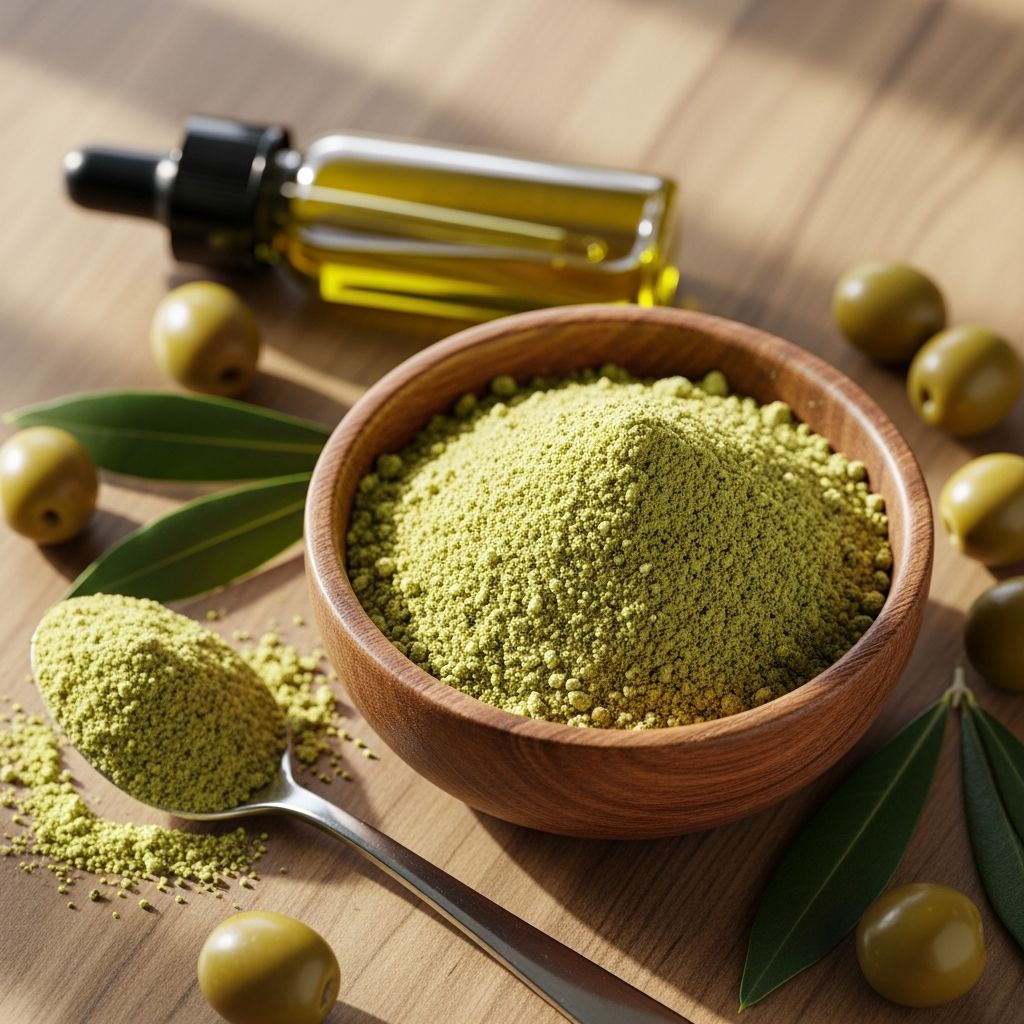
Understanding Powdered Olive Oil: A Modern Culinary Innovation
In contemporary gastronomy, the transformation of liquid ingredients into powder form has become a celebrated technique that elevates both the visual presentation and flavor profile of dishes. Powdered olive oil represents one of the most accessible applications of this modernist cooking method, allowing home cooks to experiment with professional-grade food styling without requiring extensive specialized equipment or ingredients. This versatile powder can enhance everything from appetizers to desserts, providing concentrated olive oil flavor in a unique textural format that surprises and delights diners.
The science behind this transformation relies on the use of specially formulated food powders that absorb and encapsulate liquid fats while maintaining their distinctive characteristics. Unlike conventional cooking methods that preserve oils in their liquid state, powdering olive oil creates a shelf-stable ingredient that distributes flavor more evenly across dish surfaces and provides an unexpected sensory experience through its fine, crumbly texture.
Essential Ingredients and Materials for Home Production
Creating powdered olive oil requires minimal resources, making it an excellent introduction to molecular gastronomy techniques. The foundation of this process depends on selecting the right base ingredient and combining it with quality olive oil. Understanding the properties of each component ensures successful results and optimal flavor development.
The Base Powder Options
Several types of food-grade powders can effectively absorb and transform liquid olive oil into a manageable powder form. Each option offers distinct advantages and slightly different flavor profiles that can influence your final product.
- Maltodextrin: This commercially produced powder, specifically tapioca maltodextrin or branded products like N-Zorbit M, represents the preferred choice for achieving the most neutral flavor and finest texture. It absorbs oils efficiently while adding minimal taste interference to your olive oil’s natural notes.
- Tapioca-based alternatives: Instant tapioca mixes or cook-and-serve tapioca products provide an accessible substitute when specialty ingredients prove difficult to source locally. These options require sifting to remove larger tapioca pearls before use, but deliver respectable results at significantly lower costs.
- Modified starches: Products like Expandex and other culinary starches can serve as alternatives, though their neutral flavor profiles and absorption rates vary compared to maltodextrin formulations.
Selecting Quality Olive Oil
The choice of olive oil directly impacts the powder’s final flavor intensity and aromatic qualities. Extra virgin olive oil produces the most pronounced taste and is recommended for maximum impact, while refined olive oil options work well when subtler flavoring is desired. Ensure your selected oil is completely liquid at room temperature before beginning the transformation process.
Step-by-Step Production Methods
Multiple approaches exist for creating powdered olive oil, each suited to different kitchen setups and ingredient availability. Whether you’re working with specialized maltodextrin or improvising with common pantry items, understanding the fundamental principles ensures consistent, successful results.
The Food Processor Method
This approach provides the most controlled and efficient production pathway for home cooks with access to standard kitchen equipment. The mechanical mixing process ensures uniform distribution of oil throughout the powder base, creating a consistently textured final product.
- Begin by measuring your base powder into a food processor, using approximately a 10:1 ratio of powder to olive oil by weight as a starting point.
- Set the processor to low or medium-low speed to begin the initial mixing phase.
- Gradually add olive oil in small increments, allowing each addition to fully incorporate before introducing more liquid.
- Monitor the emerging texture closely, as even small quantities of additional oil significantly alter the mixture’s consistency.
- Stop adding oil once the mixture develops a light, fluffy powder appearance with barely visible moisture.
- Transfer the freshly created powder to a clean container or sieve for any final texture adjustments.
The Manual Mixing Approach
For cooks preferring hands-on control or lacking food processing equipment, manual mixing with basic kitchen tools produces equally satisfactory results through careful technique and patience.
- Place your measured powder base in a medium-sized mixing bowl.
- Using a fork or whisk, create a shallow well in the powder’s center.
- Add approximately one-quarter of your total olive oil to the well.
- Gradually incorporate the oil into the surrounding powder using small circular stirring motions, working from the center outward.
- Once this first oil portion fully combines, repeat the process with additional oil increments.
- Continue until reaching the desired powder consistency, recognizing that less oil is typically required than initially expected.
Critical Ratio and Consistency Guidelines
Achieving the proper balance between powder base and liquid oil represents the most important factor in successful powdered olive oil production. Too much oil results in a paste or greasy mixture, while insufficient oil leaves behind dry, poorly incorporated powder.
| Base Powder Type | Powder to Oil Ratio (by weight) | Expected Consistency | Flavor Profile |
|---|---|---|---|
| Tapioca Maltodextrin | 10:1 | Fine, fluffy powder | Neutral with pure olive oil flavor |
| Instant Tapioca Mix (sifted) | 8:1 to 12:1 | Slightly coarser texture | Subtle tapioca note with olive oil |
| Modified Starch (Expandex) | 12:1 | Fine powder | Minimal flavor interference |
Post-Processing and Drying Techniques
After initial mixing, applying gentle heat helps stabilize the powder structure and removes residual moisture that might promote clumping during storage. Several household methods accomplish this final processing stage effectively.
Microwave Drying
Spread the freshly mixed powder evenly across a microwave-safe plate and expose it to high heat for 90 seconds. Remove from the microwave and allow the mixture to cool completely for approximately 5 minutes. Once cooled, break apart any larger clumps using a fork, creating uniform powder particles throughout the batch.
Conventional Oven Method
For those preferring alternative drying methods, distribute the powder mixture on a baking sheet and place it in a preheated 300-degree Fahrenheit oven. Heat for 3 to 5 minutes until the surface appears slightly dry to the touch, then remove and cool thoroughly before storage.
Fork-Breaking Technique
Regardless of heating method employed, using fork tines to systematically break apart the cooled mixture into fine particles ensures the powder achieves its intended light, airy texture suitable for culinary applications.
Storage and Shelf Life Considerations
Properly stored powdered olive oil maintains its flavor and texture for extended periods, though specific duration depends on storage conditions and base ingredient selection. Airtight containers preserve the product’s quality by preventing moisture absorption and limiting oxidation that could diminish the oil’s aromatic compounds.
- Store in glass or food-grade plastic containers with secure sealing mechanisms.
- Keep in cool, dark locations away from direct sunlight and heat sources.
- Most homemade batches remain usable for 2 to 3 weeks under optimal storage conditions.
- Commercially prepared maltodextrin-based powders may retain quality slightly longer than tapioca-based alternatives.
- Inspect regularly for signs of moisture accumulation or off-odors indicating spoilage.
Culinary Applications and Serving Suggestions
The versatility of powdered olive oil extends across numerous culinary contexts, from traditional savory preparations to innovative dessert applications. Its unique texture and concentrated flavor make it particularly valuable for plating presentations and unexpected flavor enhancements.
Savory Applications
Sprinkle powdered olive oil over soups immediately before service for visual contrast and concentrated flavor bursts. The powder adheres well to finished vegetables, pasta dishes, and grain-based salads, providing sophisticated presentations typically associated with high-end restaurant cuisine. It works particularly effectively on popcorn, crispy crackers, and roasted vegetables, where its dry texture prevents sogginess while delivering rich olive oil taste.
Dessert and Sweet Course Uses
Powdered olive oil paired with ice cream, particularly vanilla or citrus varieties, creates surprising flavor combinations that intrigue palates accustomed to conventional accompaniments. The powder’s texture contrasts pleasingly with the smooth ice cream base, while the olive oil’s subtle fruitiness complements rather than overwhelms sweeter profiles. It can also garnish chocolate desserts, where the oil’s olive notes create interesting flavor counterpoints.
Presentation and Plating
As a finishing element, powdered olive oil adds visual sophistication through its light coloring and fine texture. Its use signals culinary sophistication to diners, suggesting familiarity with contemporary cooking techniques and attention to detail in dish preparation.
Troubleshooting Common Production Challenges
First-time practitioners frequently encounter texture and consistency issues during their initial powder-making attempts. Understanding typical problems and their solutions accelerates the learning curve considerably.
Grainy or Separated Texture
If your finished powder appears grainy or shows visible separation, you likely added oil too quickly or in excessive quantities. The powder base couldn’t absorb the oil evenly, resulting in pockets of concentrated moisture. Remedy this by adding more dry powder incrementally and remixing thoroughly until a uniform texture emerges.
Overly Oily or Paste-Like Consistency
Excessive oil creates a substance resembling more dough than powder. Prevent this issue by adding oil in very small quantities—often measured in quarter-teaspoon increments rather than tablespoon amounts. If this problem occurs, incorporate additional powder base gradually while mixing thoroughly.
Persistent Clumping After Storage
Moisture absorption during storage causes clumping that reduces the powder’s visual appeal and textural quality. Ensure adequate drying during initial processing, verify that your storage container completely seals moisture, and consider adding silica gel packets to absorption moisture within sealed containers.
Cost Analysis and Value Proposition
Creating powdered olive oil at home provides substantial cost advantages compared to purchasing pre-made specialty food powders from gourmet retailers. A complete batch using tapioca-based alternatives costs approximately two dollars, while maltodextrin-based versions remain similarly affordable despite the ingredient’s more specialized nature. This economic accessibility encourages experimentation and regular preparation without financial constraints that might otherwise limit culinary exploration.
Frequently Asked Questions
Q: Can I use regular olive oil instead of extra virgin?
A: Yes, regular or refined olive oil works effectively, though extra virgin varieties produce more pronounced flavor and aromatic complexity. Your choice depends on desired intensity and the specific dish application. Regular olive oil may be preferable for subtler applications where milder olive notes complement other ingredients.
Q: Where can I purchase maltodextrin for powdered olive oil production?
A: Specialty cooking supply retailers, online culinary equipment vendors, and some health food stores stock maltodextrin and related molecular gastronomy ingredients. If sourcing proves difficult, instant tapioca mixes available at conventional grocery stores provide accessible alternatives requiring only minimal sifting preparation.
Q: How long does powdered olive oil stay fresh?
A: Properly stored in airtight containers away from light and heat, homemade powdered olive oil typically remains usable for 2 to 3 weeks. Storage duration varies based on your specific base powder type and environmental conditions. Check regularly for moisture accumulation or off-odors indicating spoilage.
Q: Can I make powdered olive oil without kitchen appliances?
A: Absolutely. Manual mixing with a fork and whisk works equally well, requiring only patience and careful attention to consistency. Many cooks find the hands-on approach provides superior control over oil distribution and final texture, despite requiring slightly more time investment than food processor methods.
Q: What other liquids can I transform into powder using these techniques?
A: The powder encapsulation method works successfully with various liquid fats and oils, including walnut oil, sesame oil, melted chocolate, nut butters, and even liquid caramel. Adjust your powder-to-ingredient ratio based on fat content and desired consistency, following similar mixing and drying protocols for consistent results across different liquids.
Q: Does powdered olive oil taste the same as regular olive oil?
A: The powder concentrates and intensifies olive oil flavor, potentially creating a more pronounced taste experience than equivalent amounts of liquid oil. The texture also affects flavor perception and distribution across your palate, creating a unique sensory experience distinct from conventional olive oil applications.
References
- Olive Oil Powder (The Low-Tech Method) — Seattle Food Geek. 2010. https://seattlefoodgeek.com/2010/01/olive-oil-powder-the-low-tech-method/
- The Olive Oil Powder Recipe You Didn’t Know You Needed — About Olive Oil. https://www.aboutoliveoil.org/the-olive-oil-powder-recipe-you-didnt-know-you-needed
- Molecular Gastronomy: Powdered Nutella and More — My Kitchen Stories. https://www.mykitchenstories.com.au/molecular-gastronomy-powdered-nutella/

Medha Deb is an editor with a master's degree in Applied Linguistics from the University of Hyderabad. She believes that her qualification has helped her develop a deep understanding of language and its application in various contexts. Medha specializes in the areas of beauty, health, sports, and wellness and is committed to ensuring that the content on the website is…