
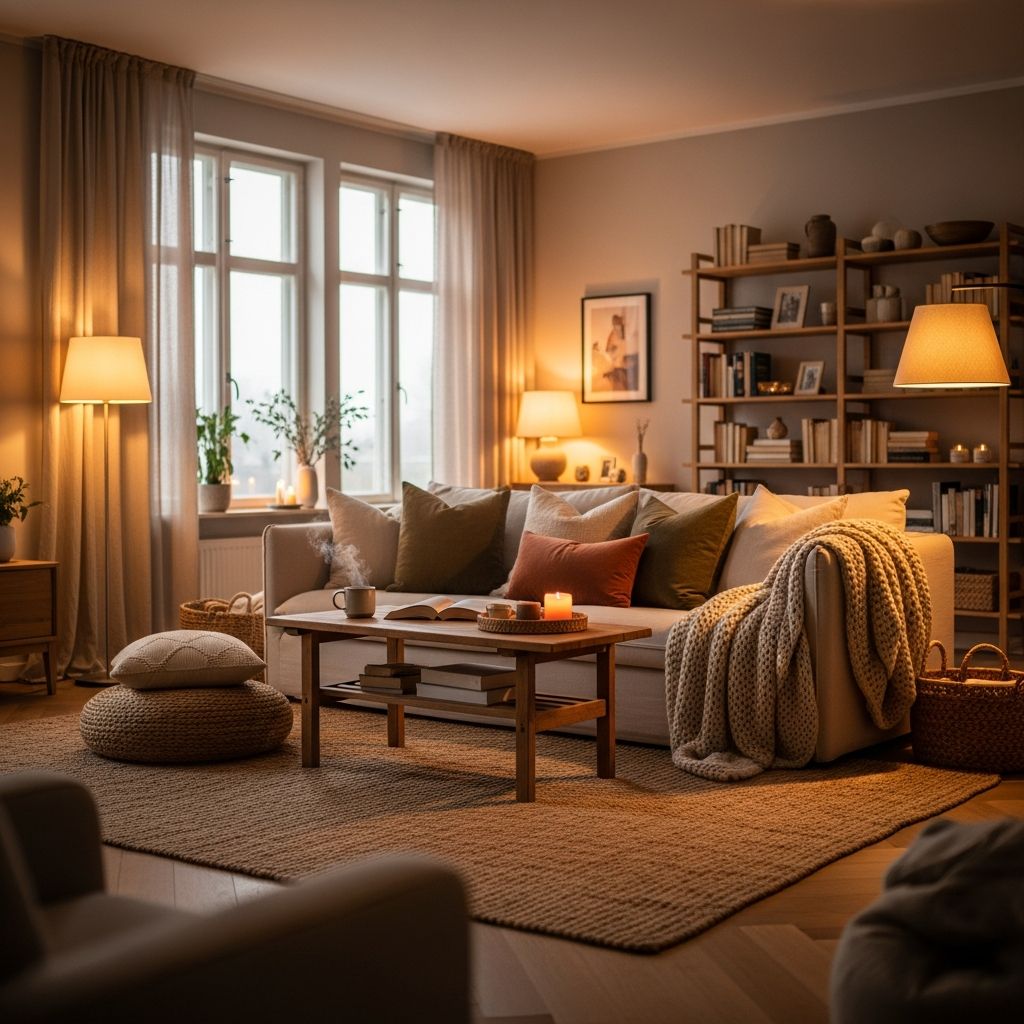
Home is more than a roof and four walls. A truly supportive home is a place where your body can relax, your nervous system can settle, and your emotions feel held instead of overwhelmed. Thoughtful choices about light, sound, color, layout, and household routines can reduce stress and create a sense of safety, which is especially important for people living with anxiety, trauma histories, or chronic stress.
This guide offers practical, trauma-informed ideas to help you transform your living space into a calm, comforting, and emotionally safe home.
Why Feeling Safe at Home Matters for Mental Health
Our brains constantly scan our surroundings for signs of safety or threat. When your home feels chaotic, loud, or unpredictable, your body can stay in a low-level fight-or-flight state, making it harder to rest, focus, or connect with others.
By contrast, a home that feels safe and stable can:
- Lower everyday stress and anxiety
- Support better sleep and recovery
- Make it easier to regulate emotions after a hard day
- Strengthen a sense of control and predictability
- Improve connection and communication with family or roommates
For older adults and people living with disabilities, safety at home also directly affects independence, risk of injury, and the ability to remain at home over time.
Seeing Your Home Through a Trauma-Informed Lens
Trauma-informed design pays attention not only to physical hazards but also to how spaces might trigger or soothe the nervous system. A trauma-informed home environment typically promotes:
- Predictability: clear routines, consistent spaces for key activities
- Choice and control: the ability to adjust lighting, sound, temperature, and privacy
- Safety signals: visual cues that the space is secure and stable
- Comfort: textures, colors, and objects that feel personally soothing
- Connection: spaces that support healthy social interaction and boundaries
Core Elements of an Emotionally Safe Home
| Element | Focus | Emotional Impact |
|---|---|---|
| Physical safety | Fall prevention, clear exits, working alarms | Reduces fear, supports a baseline sense of security |
| Sensory environment | Light, noise, scent, textures | Calms or overstimulates the nervous system |
| Emotional cues | Decor, personal items, visual reminders | Reinforces safety, identity, and belonging |
| Routines and boundaries | Household expectations and shared agreements | Provides predictability and respect for needs |
Start With Physical and Practical Safety
Physical safety lays the foundation for emotional safety. When your environment is reasonably secure and functional, your body can relax a little more. Research on aging in place emphasizes the importance of basic home safety measures to reduce falls and injuries, which are especially critical for older adults.
Key Physical Safety Checks
- Clear pathways: Remove clutter, cords, or loose rugs from walkways, especially near stairs and doorways.
- Lighting: Ensure bright, even lighting in hallways, entryways, and bathrooms; consider night-lights for late-night movement.
- Stable surfaces: Choose non-slip flooring or add non-slip backing under rugs to reduce falls.
- Handrails and support: Install handrails on stairways and grab bars in bathrooms if anyone has balance or mobility concerns.
- Emergency basics: Test smoke and carbon monoxide detectors regularly and keep fire extinguishers accessible.
Accessibility and Ease of Use
Principles of universal design aim to make environments usable by people of different ages and abilities without the need for special adaptation. Small changes can make a home feel less stressful and more supportive for everyone, not only those with identified disabilities.
- Use lever-style door handles instead of round knobs for easier opening.
- Arrange furniture to allow wide, unobstructed paths for walking or using mobility aids.
- Place everyday items at a comfortable reach height to avoid frequent bending or climbing.
- Consider touch or motion-sensor lighting to reduce fumbling in the dark.
Shaping a Calming Sensory Environment
Your senses constantly feed information to your brain. Sensory overload can trigger anxiety or flashbacks for trauma survivors, while gentle, predictable sensory input can lower arousal and promote calm.
Light and Color
- Maximize natural light during the day when possible; exposure to daylight supports sleep-wake cycles and mood regulation.
- Use warm, soft lighting in the evening (table lamps, floor lamps, warm bulbs) instead of harsh overhead lights.
- Choose a calm color palette (muted blues, greens, earth tones, or other personally soothing colors) for walls and large furnishings.
- Reserve brighter, more energizing colors for small accents if you enjoy them.
Sound and Quiet
- Identify sources of unwanted noise (street sounds, loud appliances, television in shared spaces).
- Experiment with soft furnishings like rugs and curtains to absorb sound.
- Use white noise, fans, or calming soundscapes if silence feels unsettling but you want to mask disruptive sounds.
- Create at least one area in the home that is intentionally a quiet zone with limited devices and interruptions.
Smell and Touch
- Keep strong scents optional and controllable; some people are comforted by gentle natural scents, while others feel triggered or overwhelmed.
- Incorporate soft, comforting textures through blankets, pillows, or upholstered seating.
- Balance soft items with surfaces that are easy to clean, especially in kitchens and bathrooms, to avoid stress about upkeep.
Creating Emotionally Soothing Zones at Home
Not every room has to feel perfectly serene. Instead, focus on creating a few key areas that reliably offer comfort and emotional grounding.
A Personal Calm Corner
A calm corner is a dedicated space you associate with rest and emotional regulation. It does not have to be large or fancy.
- A comfortable seat or pillows on the floor
- A soft throw blanket and a favorite cushion
- Low, warm lighting such as a small lamp or string lights
- Items that feel grounding: a journal, a favorite book, art supplies, or a fidget object
- A small plant or natural object (stone, seashell, wood) to bring in a connection to nature
Restorative Bedroom Design
Sleep and emotional health are closely linked. A bedroom that supports consistent, high-quality sleep can improve mood, attention, and resilience over time.
- Keep the bed primarily for sleep and rest to strengthen the mental association between bed and relaxation.
- Use blackout curtains or eye masks if outside light is disruptive.
- Limit bright screens and work materials in or near the bed.
- Choose bedding textures and weight (such as a heavier comforter if you like deep pressure) that feel physically reassuring.
Supporting Relationships and Boundaries at Home
Emotional safety also depends on how people share the space. Even a well-designed room will feel unsafe if boundaries are unclear or communication repeatedly breaks down.
Designing for Connection and Privacy
- Identify where shared connection happens (kitchen table, living room) and keep these areas reasonably tidy and welcoming.
- Ensure each person has at least a small area that feels like their own, whether that is a room, a desk, or a corner.
- Use simple visual cues for privacy, such as a door slightly closed, headphones on, or a sign on a desk when someone needs quiet time.
Household Agreements to Reduce Stress
Clear, compassionate agreements help prevent recurring conflicts and make the home environment more predictable.
- Discuss basics like quiet hours, guests, shared chores, and device use in common spaces.
- Write down key agreements in plain language where everyone can see them.
- Check in regularly and revise as needs change, especially after major life events, new jobs, or additions to the household.
Making Home Safer for Older Adults or Those With Disabilities
For older adults, people with disabilities, or anyone recovering from illness or injury, an accessible home can be the difference between living independently and needing higher levels of care. Government and research organizations emphasize that simple environmental changes, such as better lighting and removing tripping hazards, significantly reduce fall risk and injury.
High-Priority Adaptations
- Entrances: Install railings or ramps if steps are difficult; ensure thresholds are not tripping hazards.
- Bathroom: Use grab bars, non-slip mats, and consider a walk-in shower or shower chair for easier bathing.
- Kitchen: Place essential tools and ingredients between hip and shoulder height; consider lever faucets or touch controls for easier use.
- Emergency planning: Keep emergency contacts, medications, and medical devices accessible and clearly labeled.
Simple, Low-Cost Changes With Big Emotional Impact
Creating a safer, more comforting home does not require major renovations. Many meaningful changes are inexpensive or free.
- Declutter in small sections: Clear just one surface or one drawer at a time to reduce overwhelm.
- Rearrange furniture to open pathways and create cozier seating clusters.
- Re-purpose what you already own: a scarf as a table runner, a jar as a candle holder, or a chair moved to a window for a new reading spot.
- Add nature touches such as plants, flowers, or natural imagery; exposure to nature elements is associated with reduced stress and improved well-being.
- Design a small daily ritual space for stretching, prayer, meditation, or simply taking three slow breaths.
Working With Your Own History and Triggers
Everyone’s sense of safety is shaped by their experiences. A space that feels comforting to one person may feel exposed or triggering to another. Trauma-informed approaches emphasize choice and collaboration whenever possible.
- Notice which areas of your home you naturally avoid or rush through; consider what might make them feel safer (more light, fewer reminders of the past, a different layout).
- Pay attention to body signals: tightness, shallow breathing, or a racing heart may be clues that something in the environment feels unsafe.
- If certain objects, images, or sounds trigger distress, explore whether they can be removed, stored, or softened.
- When living with others, share your needs and reactions in specific terms: for example, “Loud TV late at night makes it hard for me to calm down,” and propose alternatives.
When to Seek Professional Support
Sometimes, changing your environment is not enough on its own. If you notice persistent anxiety, sleep problems, or intense reactions at home, working with a mental health professional can help you:
- Understand how past experiences may influence how you feel in your current home
- Develop coping skills to calm your body and mind, even in stressful environments
- Navigate communication and boundary-setting with family or roommates
- Plan home changes that support your specific mental health goals
Frequently Asked Questions (FAQs)
Q: Where should I start if my home feels overwhelming?
Begin with one small, specific area that you see or use every day, such as your bedside table or entryway. Remove obvious clutter, add one comforting item (like a photo or plant), and adjust lighting if needed. Small visible wins build momentum and help your body begin to associate home with a bit more calm.
Q: How can I make a rental home feel emotionally safe if I cannot renovate?
Focus on changes that do not alter the structure: rearranging furniture to create cozier zones, using removable wall hooks for art, adding lamps for softer light, incorporating textiles for warmth and sound absorption, and creating one clearly defined personal space that feels fully yours, even if the rest of the home is shared.
Q: What if I live with people who do not share my need for calm?
Try to negotiate shared guidelines for key stress points like noise and clutter, and identify at least one area that can be your designated calm zone. Use clear, non-blaming language about how the environment affects you and propose practical compromises, such as quiet hours, headphones, or closed-door signals for privacy.
Q: Are there specific changes that help with anxiety or panic at home?
Many people find it helpful to have a predictable retreat space with soothing lighting, grounding objects, and minimal clutter. Keeping pathways clear, reducing harsh noise, and having tools like a weighted blanket, calming scents (if tolerated), or a familiar grounding object within reach can make it easier to manage rising anxiety.
Q: How often should I reassess my space?
Check in with your home environment any time your life changes significantly—new job, relationship shifts, health changes, or a move. Even small transitions can alter how you use space. A brief seasonal review can also help you adjust lighting, routines, and storage to keep your home aligned with your current needs.
References
- Home Safety Tips for Older Adults — National Institute on Aging. 2023-05-01. https://www.nia.nih.gov/health/aging-place/home-safety-tips-older-adults
- How to Create a Safe and Comfortable Home Care Setting — House to Home Healthcare. 2025-05-22. https://www.h2hhc.com/blog/how-to-create-a-safe-and-comfortable-home-care-setting
- 7 Key Principles for Universal Design — National Association of Home Builders. 2025-08-01. https://www.nahb.org/blog/2025/08/7-key-principles-for-universal-design
- 9 Tips for Designing a Comfortable and Safe Living Space for Seniors — Heavenly Caregivers. 2024-03-15. https://www.heavenlycaregivers.com/9-tips-for-designing-a-comfortable-and-safe-living-space-for-seniors/
- Universal Design for Comfort and Safety — Fifty-Five Plus Magazine. 2023-10-10. https://www.fifty-five-plus.com/blog/home-garden/universal-design-for-comfort-and-safety/

Medha Deb is an editor with a master's degree in Applied Linguistics from the University of Hyderabad. She believes that her qualification has helped her develop a deep understanding of language and its application in various contexts. Medha specializes in the areas of beauty, health, sports, and wellness and is committed to ensuring that the content on the website is…