
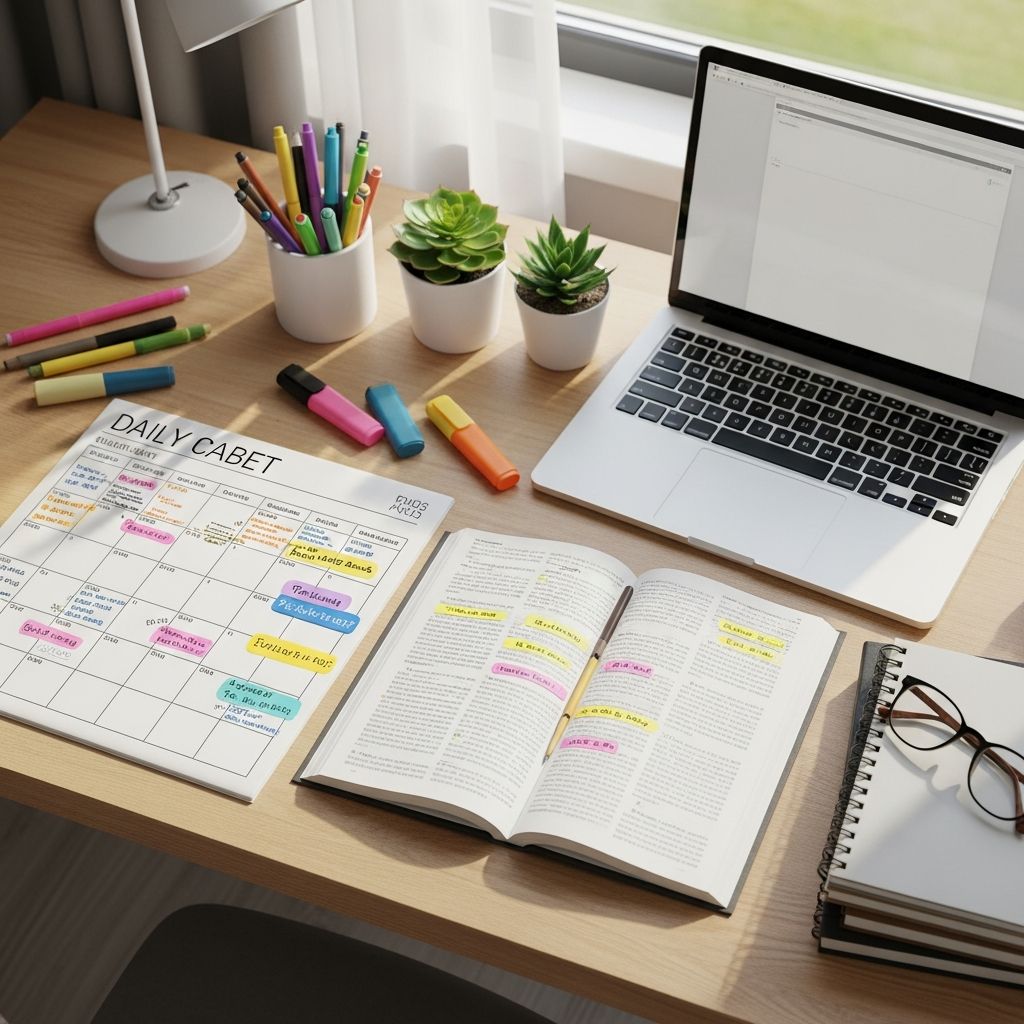
Effectively managing a school schedule is crucial for students aiming to excel academically while maintaining balance in life. A well-organized calendar reduces stress, prevents missed deadlines, and allows time for rest and hobbies. This guide provides actionable strategies drawn from educational best practices to help students and parents build a robust planning system.
Understanding the Foundations of School Scheduling
School life involves juggling classes, assignments, tests, clubs, sports, and personal commitments. Without a clear system, overwhelm sets in quickly. Research shows that structured planning improves time management skills, leading to better grades and lower anxiety levels. Start by recognizing that a school schedule isn’t just a list of dates—it’s a dynamic tool for prioritizing what matters most.
Begin with self-assessment: Identify your peak productivity hours, common distractions, and recurring obligations. For instance, if mornings suit focused study, block that time early. Tools like journals can help track patterns over a week before formal planning.
Selecting the Ideal Planning Tools
Choosing between digital and analog tools depends on personal style. Physical planners offer tactile satisfaction and reduce screen fatigue, while apps provide reminders and syncing across devices.
- Digital Options: Google Calendar for color-coded events and notifications; Notion for customizable templates combining tasks and notes; Todoist for breaking projects into subtasks.
- Analog Choices: Wall calendars for big-picture views; pocket planners for daily details; bullet journals for creative flexibility.
Hybrid approaches work best for many—use a physical weekly view synced with phone alerts. Test a few for a month to find what sticks.
Building Your Comprehensive Master Calendar
A master calendar serves as the backbone, capturing all long-term commitments. Start with a 12-month overview to plot major events like semester starts, finals, holidays, and family trips.
Steps to create one:
- Mark fixed dates: School holidays, exam periods, and registration deadlines from syllabi.
- Add personal milestones: Birthdays, sports seasons, or part-time job shifts.
- Color-code categories—blue for academics, green for extracurriculars, red for personal time—to spot imbalances visually.
- Review monthly: Adjust for changes like added rehearsals or rescheduled tests.
For homeschoolers or customized schedules, set an end date and work backward, allocating lessons per week to avoid summer spillover.
Daily and Weekly Breakdown Techniques
Translate the master view into actionable daily plans. Use time-blocking: Divide days into 60-90 minute focused segments with 10-minute breaks to sustain concentration.
| Time Block | Monday | Tuesday | Wednesday |
|---|---|---|---|
| 7-8 AM | Morning Routine | Morning Routine | Morning Routine |
| 8-10 AM | Math Study | Science Review | English Essay |
| 10-10:10 AM | Break | Break | Break |
| 4-6 PM | Sports Practice | Club Meeting | Free Time |
This sample shows balanced allocation. Incorporate buffers for transitions and unexpected delays—aim for 80% planned, 20% flexible.
Integrating Homework and Study Routines
Dedicate a consistent daily slot for homework, ideally right after school to leverage fresh energy. Create a distraction-free zone with supplies at hand: good lighting, ergonomic chair, no phones nearby.
Estimate task durations realistically—multiply perceived time by 1.5 for accuracy. Break large assignments into steps: outline, research, draft, revise. Use timers like Pomodoro (25 minutes work, 5-minute break) to build momentum.
Balancing Extracurriculars and Personal Life
Extracurriculars enrich school years but can overload schedules. Prioritize 2-3 meaningful activities over scattered involvement. Schedule them first on the master calendar to protect study time.
Allot slots for self-care: exercise, sleep (9-10 hours for teens), and hobbies. Districts boosting attendance add strategic breaks like mini-weekends to recharge without derailing progress.
Advanced Strategies for Long-Term Success
Weekly reviews prevent drift: Sunday evenings, check accomplishments, shift unfinished tasks, and preview the week ahead. Teach goal-setting—SMART goals (Specific, Measurable, Achievable, Relevant, Time-bound) align schedules with ambitions.
For group projects, sync calendars with peers via shared digital tools. Parents can model by co-reviewing plans, fostering accountability.
Overcoming Common Scheduling Challenges
Procrastination hits when tasks feel vague—counter with detailed to-do lists ranked by urgency. Overcommitment? Audit monthly: Drop low-value activities. Tech overload? Set ‘do not disturb’ during blocks.
For changing routines, like sports seasons, build in adjustment weeks. Seek teacher syllabi early for project timelines.
Frequently Asked Questions (FAQs)
What if I prefer digital over paper planners?
Digital tools like Google Calendar excel for reminders and sharing. Customize with colors and integrate task apps for seamless use.
How do I handle group projects in my schedule?
Block collaborative time early, share calendars, and assign individual deadlines to stay on track.
What’s the best way to fit in exercise and sleep?
Prioritize 30 minutes daily exercise and fixed bedtimes; treat them as non-negotiable calendar events.
How often should I update my master calendar?
Monthly for big-picture reviews, weekly for details, and daily for homework entries.
Can time-blocking work for younger students?
Yes, simplify with shorter blocks (20-30 minutes) and visual timers to build habits gradually.
Tracking Progress and Making Adjustments
Measure success by reduced stress and met deadlines, not perfection. Use a progress journal: Note wins, obstacles, and tweaks. Apps with analytics show patterns, like frequent overruns in certain subjects.
Seasonal resets help—post-holidays, realign with new priorities. Parental involvement aids younger students, transitioning to independence as skills grow.
Consistent application yields compounding benefits: Higher grades, better habits, and confidence in handling life’s demands beyond school.
References
- A+ Strategies: Maintaining an Organized School Routine — American Heritage Schools. 2023. https://www.ahschool.com/blog/read-more/~board/blog/post/a-strategies-maintaining-an-organized-school-routine
- Calendar Management Skills for Your School Year — Demme Learning. 2023. https://demmelearning.com/blog/calendar-management-skills/
- Managing Time: Strategic Calendar System — Landmark Outreach. 2024. https://www.landmarkoutreach.org/strategies/time-strategic-calendar-system/
- The Ultimate Study Calendar: How to Organize Your Semester — Carson-Newman University. 2024. https://www.cn.edu/cps-blog/the-ultimate-study-calendar-how-to-organize-your-semester-for-peak-productivity/
- A Guide to Building a School Calendar That Maximizes Attendance — Education Week. 2025-10. https://www.edweek.org/leadership/a-guide-to-building-a-school-calendar-that-maximizes-attendance/2025/10

Medha Deb is an editor with a master's degree in Applied Linguistics from the University of Hyderabad. She believes that her qualification has helped her develop a deep understanding of language and its application in various contexts. Medha specializes in the areas of beauty, health, sports, and wellness and is committed to ensuring that the content on the website is…