
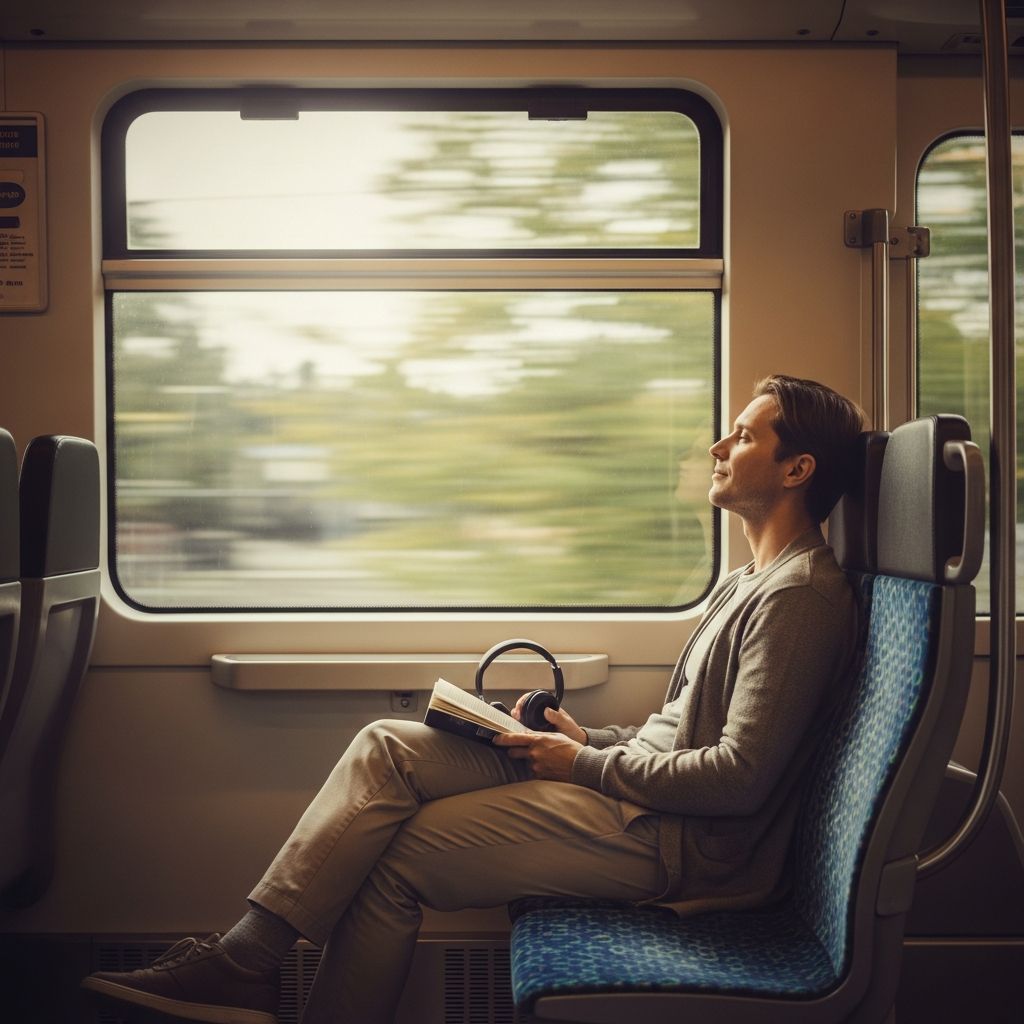
Riding public transportation can open doors to work, school, healthcare, and social activities, but for many people it also triggers intense anxiety. Crowds, noise, delays, and feeling trapped can all combine to make a short ride feel overwhelming. This guide explains why public transit can be hard when you live with anxiety and offers concrete, research-informed strategies to help you feel safer, calmer, and more in control.
Why Public Transportation Can Trigger Anxiety
Anxiety on buses, trains, trams, and subways is extremely common. Mental health professionals note that people with panic disorder, social anxiety, generalized anxiety, and post-traumatic stress often find public transit especially challenging.
Several factors tend to interact:
- Limited control: You cannot control the route, schedule, or other passengers.
- Perceived entrapment: Closed doors, tunnels, and crowded aisles can trigger fear of not being able to escape.
- Physical sensations: Motion, heat, and standing for long periods can mimic symptoms of anxiety or panic.
- Social stress: Worries about being judged, bumping into others, or having a visible panic attack.
- Safety concerns: Fears related to crime, accidents, illness, or infectious disease.
When the brain interprets these conditions as dangerous, it activates the body’s stress response. You may notice a fast heartbeat, shortness of breath, sweating, dizziness, or gastrointestinal discomfort—symptoms that can further fuel anxiety if they are misinterpreted as signs of catastrophe.
Recognizing Your Own Anxiety Triggers and Patterns
Understanding what specifically sets off your anxiety helps you choose the most effective coping strategies.
Common Situations That Increase Anxiety
- Standing in a packed subway or bus with no visible exit nearby
- Riding through tunnels or over bridges
- Traveling alone at night
- Worrying about missing stops or getting lost in an unfamiliar system
- Anticipating delays, breakdowns, or sudden route changes
Try writing down when your anxiety spikes and what was happening at the time. Over a week or two you may notice patterns—for example, feeling much more anxious on the way to work than on the way home, or only when the vehicle is crowded.
Typical Physical and Emotional Signs
When you start to feel anxious on public transit, you might notice:
- Racing heart, trembling, sweating or feeling hot
- Shortness of breath or tightness in the chest
- Lightheadedness, nausea, or stomach discomfort
- Thoughts like “I’m going to faint,” “Everyone is watching me,” or “I can’t get out.”
The more accurately you can label these signs as anxiety rather than danger, the easier it becomes to work with them.
Laying the Groundwork: Planning for a Calmer Trip
While you cannot control everything on a bus or train, you can shape many aspects of your experience before you even leave home.
Gather Information Ahead of Time
Uncertainty is a major driver of anxiety. Reducing that uncertainty starts with good information.
- Look up maps and timetables so you know the exact route and duration.
- Check for any planned closures or major delays before you go.
- Use navigation apps to preview station layouts or bus stop locations.
- Identify one or two alternative routes in case of service disruptions.
Having a backup plan gives your brain solid evidence that you are not truly trapped, even if things go wrong.
Choose Easier Conditions When Possible
Small changes in when and how you travel can significantly reduce stress.
- Avoid peak times if crowds are a trigger.
- Sit or stand near exits or doors if feeling stuck is uncomfortable.
- Travel with a trusted person when first attempting a route.
- Allow extra time so a delay won’t automatically make you late.
Pack a Personalized “Calm Kit”
Prepare a small set of items that can comfort or ground you:
- Noise-cancelling or regular headphones
- Relaxing music, podcasts, or audiobooks
- A bottle of water and a light snack
- A grounding object (smooth stone, piece of fabric) to touch
- Written reminders of coping statements and breathing instructions
Evidence-Based Tools to Calm Anxiety During the Ride
Many strategies used in cognitive behavioural therapy (CBT) and other psychological approaches can be adapted to the bus or train environment. CBT is a well-supported treatment for panic and anxiety disorders and can be particularly helpful for fear related to public transport.
1. Breathing Techniques to Slow the Stress Response
When anxiety climbs, your breathing often becomes shallow and fast, which can increase dizziness and shortness of breath. Deliberately slowing your breathing helps calm the nervous system.
Try this simple pattern while seated or standing:
- Inhale gently through your nose for a count of four.
- Hold the breath lightly for a count of two.
- Exhale slowly through pursed lips for a count of six.
- Repeat for 1–3 minutes while focusing on the air moving in and out.
Adjust the counts if needed, as long as the exhale remains longer than the inhale.
2. Grounding Yourself in the Present Moment
Grounding techniques use your senses to anchor you in what is happening now, instead of worrying about what might happen.
- Name five things you can see (ads, colors, shapes).
- Identify four things you can feel (the seat, the pole, your feet on the floor).
- Notice three things you can hear (engine noise, announcements, voices).
- Become aware of two things you can smell or taste (your drink, gum).
- Silently repeat a calming phrase such as “I am here; I am safe enough in this moment.”
3. Reframing Anxious Thoughts
Anxious thoughts often jump straight to the worst-case scenario: “If I panic, I’ll lose control,” or “If the train stops, I’ll be stuck forever.” In CBT, you learn to gently question and replace these automatic thoughts.
Ask yourself:
- What is the most likely outcome, not just the scariest one?
- What evidence supports my fear? What evidence goes against it?
- If a friend had this thought, how would I respond to them?
Then try more balanced alternatives, such as:
- “Panic feels awful, but it always peaks and passes.”
- “If the bus stops, it will start again or I’ll be able to get off with help.”
- “Other people are focused on their own day; they probably won’t notice my anxiety.”
4. Gradual Exposure: Taking It Step by Step
One of the most effective ways to reduce fear is called graded exposure—facing what you fear in small, manageable steps instead of avoiding it.
| Step | Example Goal |
|---|---|
| 1. Preparation | Look at pictures of the bus or subway line; map out the route at home. |
| 2. Brief Visit | Stand near the stop or station for 5–10 minutes without boarding. |
| 3. Very Short Ride | Ride one or two stops with a friend at a quiet time, then get off. |
| 4. Moderate Ride | Ride halfway to your usual destination while practicing coping skills. |
| 5. Full Journey | Complete the whole route and back, possibly still with support. |
Stay at each step until your anxiety decreases before moving on. The key is repetition: each successful trip teaches your brain that the situation is survivable and less dangerous than it feels.
5. Using Technology and Distraction Wisely
Digital tools can make public transit more predictable and less intimidating.
- Transit apps can show real-time arrivals, delays, and crowdedness levels.
- Maps and navigation tools reassure you that you are on track.
- Music, podcasts, or guided meditations can provide a helpful distraction.
Use distraction in a way that does not completely cut you off from your surroundings. You still want to hear important announcements and remain aware of your stop.
What to Do if Panic Hits While You’re on Board
Even with preparation, you may sometimes experience intense anxiety or a panic attack while using public transportation. Panic attacks, though frightening, are not dangerous and tend to peak within minutes.
Immediate Steps You Can Take
- Shift your focus to your breath and lengthen the exhale.
- Plant your feet firmly on the floor and feel the support under you.
- Silently name what is happening: “This is a panic surge. It will pass.”
- Look around for exits and signs to remind yourself you can eventually leave.
- If possible, move to a less crowded area or closer to a door at the next stop.
Considering Support from Others
Some people feel safer letting a driver, conductor, or fellow passenger know they are anxious, while others prefer to cope quietly. There is no single right choice.
- You can say something simple like, “I’m having an anxiety episode. I’m okay, but I may need a moment.”
- If you disembark, you might ask staff where you can sit or wait until you feel better.
Many transit workers receive training in assisting anxious passengers and can help you find a calm spot or provide information.
Long-Term Strategies and Professional Help
If fear of buses, trains, or subways is limiting your life—making it hard to get to work or school, avoid medical appointments, or miss out on social plans—it may be time to seek additional support.
When to Consider Therapy
Mental health organizations recommend professional help if:
- You routinely avoid necessary travel because of anxiety.
- You have panic attacks, especially if you fear having another one on transit.
- Your anxiety has lasted for months and is not improving.
- You use alcohol or drugs to get through your commute.
Cognitive behavioural therapy is one of the most studied treatments for panic disorder and situational anxieties, including those tied to public transport, and often involves the kind of gradual exposure and thought-challenging described above.
Possible Treatment Options
- Cognitive behavioural therapy (CBT): Teaches you to recognize and change unhelpful thought patterns and behaviors while gradually facing feared situations.
- Medication: In some cases, clinicians may recommend antidepressants or anti-anxiety medications as part of a broader treatment plan.
- Online or digital therapy: Remote CBT-based programs can help you practice skills between sessions and sometimes include modules on travel anxiety.
A thorough assessment with a qualified professional helps determine the best combination of tools for you.
Supporting Someone Else Who Is Anxious on Public Transit
Whether you are a friend, family member, or fellow passenger, a calm and respectful response can make a big difference.
- Ask permission: “You look uncomfortable—would you like any help?”
- Offer practical support: a seat swap, moving to a quieter area, or signaling the next stop.
- Speak slowly and calmly; avoid telling them to “just relax.”
- Encourage slow breathing by modeling it yourself if they seem open to that.
- Respect their choices if they prefer to ride in silence or get off at the next stop.
Frequently Asked Questions (FAQs)
Q: Is it normal to feel anxious only on certain routes or at certain times?
Yes. Many people report that crowded rush-hour trains, nighttime routes, or unfamiliar lines are much more anxiety-provoking than short, quiet rides. Identifying which specific conditions are hard for you helps you design a gradual plan for facing them.
Q: Will avoiding buses and trains make my anxiety worse?
Avoidance often brings short-term relief, but over time it can strengthen the belief that public transit is dangerous or unmanageable. Gradual, supported exposure—starting with easier situations—tends to reduce fear more effectively than long-term avoidance.
Q: How long will it take before I feel comfortable using public transportation?
The timeline is different for everyone. Some people feel improvement after a few weeks of consistent practice; others need several months, especially when anxiety has been intense or long-standing. Working with a therapist can help you move at a pace that is challenging but realistic.
Q: Can lifestyle changes outside of commuting help my transit anxiety?
Yes. Regular sleep, balanced meals, physical activity, and reducing caffeine or stimulants can make your nervous system less reactive overall, which can lower the intensity of anxiety symptoms during stressful moments like commuting.
Q: What if my anxiety is related to illness or infection risk on public transport?
Concerns about health are understandable, especially since the COVID-19 pandemic. Planning ahead—such as wearing a mask if recommended locally, using hand sanitizer, avoiding travel when unwell, and checking public health guidance—can give you a greater sense of control while aligning with evidence-based safety advice.
References
- Handling anxiety on public transport — Ieso Digital Health. 2023-04-05. https://www.iesohealth.com/wellbeing-blog/handling-anxiety-on-public-transport
- Professor David Veale on the rise in public transport anxiety — Nightingale Hospital. 2022-06-10. https://www.nightingalehospital.co.uk/professor-david-veale-on-the-rise-in-public-transport-anxiety/
- How to Manage Anxiety on Public Transportation — Clarity Clinic. 2021-08-19. https://www.claritychi.com/blog/how-to-manage-anxiety-on-public-transportation
- Tips for Managing Anxiety While in Public — Therapy Group of NYC. 2020-03-15. https://nyctherapy.com/therapists-nyc-blog/tips-for-managing-anxiety-while-in-public/
- How to Manage Anxiety and Panic Attacks — National Institute of Mental Health (NIMH). 2022-08-01. https://www.nimh.nih.gov/health/topics/anxiety-disorders
- The Anxious Traveler’s Guide to Navigating Public Transportation — Allianz Travel Insurance. 2019-04-12. https://www.allianztravelinsurance.com/travel/planning/using-public-transportation-while-traveling.htm

- Integrated M.A. in Applied Linguistics, University of Hyderabad
- 5+ years in editorial, instructional, SEO, and research-based writing
Sneha is a relationships and lifestyle writer with a strong foundation in applied linguistics and certified training in relationship coaching. She brings over five years of writing experience to theskillvault, crafting thoughtful, research-driven content that empowers readers to build healthier relationships, boost emotional well-being, and embrace holistic living. Her writing and insights reflect the belief that beauty, happiness, and wellness…