
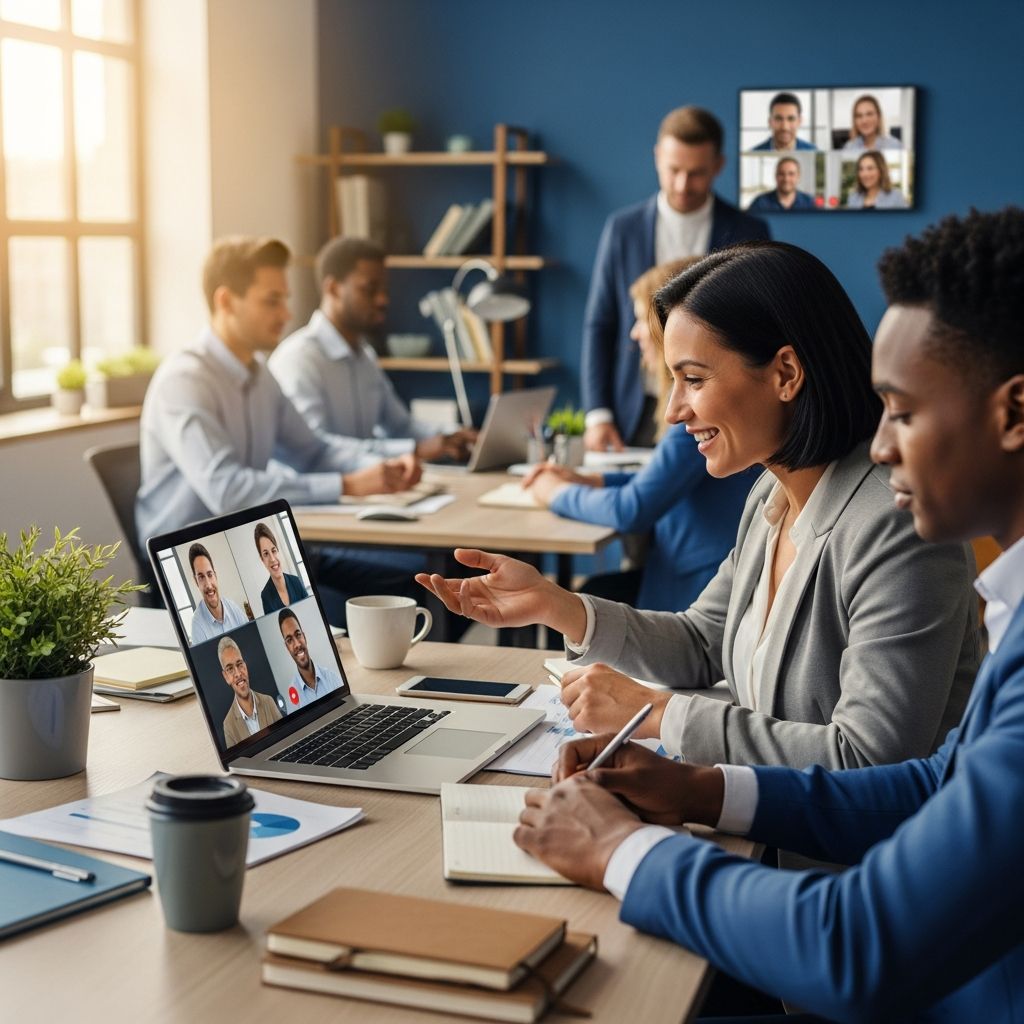
Navigating the Complexities of Remote Team Administration
The shift toward remote and hybrid work arrangements has fundamentally transformed how organizations approach team leadership and management. Unlike traditional office-based environments where managers can rely on physical presence and spontaneous interactions, remote team leaders must intentionally design systems and processes that foster cohesion, accountability, and engagement. The success of virtual teams hinges not merely on selecting the right technology platforms, but on implementing comprehensive management frameworks that address both the operational and interpersonal dimensions of distributed work.
Managing teams across different geographic locations and time zones presents unique challenges that require thoughtful consideration and strategic planning. Leaders must balance providing sufficient oversight with respecting the autonomy that remote work offers, all while maintaining the collaborative spirit essential to organizational success.
Establishing a Unified Team Identity and Purpose
The foundation of effective remote team management begins with crystallizing the team’s collective identity and strategic purpose. When team members are physically dispersed, the natural sense of belonging that develops in traditional office environments cannot be assumed—it must be deliberately cultivated.
Leaders should invest time in articulating why the team exists, what problems it solves, and how its work contributes to broader organizational objectives. This clarity serves multiple functions: it provides context that helps team members understand the significance of their individual contributions, creates alignment around priorities, and offers a touchstone for decision-making when questions arise.
For teams that are newly formed, this foundational work should occur before substantive project work begins. For existing teams transitioning to remote arrangements, leaders should facilitate conversations to ensure all members share a consistent understanding of team purpose and vision. Regular touchpoints to reinforce this shared purpose prevent the fragmentation that naturally occurs when team members work in isolation.
Defining Clear Roles and Individual Contributions
Beyond establishing team-level purpose, successful remote teams require explicit clarity about individual roles, responsibilities, and performance expectations. Unlike collocated teams where informal communication and observation provide ongoing information about who does what, distributed teams depend on documented, clearly communicated role definitions.
For each team member, leaders should specify:
- The primary responsibilities and key deliverables associated with their position
- How their role intersects with and supports the work of other team members
- The specific skills or perspectives they contribute to collective team success
- Performance metrics and quality standards against which their work will be evaluated
- Reporting relationships and escalation pathways for various types of decisions
This specificity is particularly important in remote contexts because team members may not intuitively understand why they were selected for the team or what unique value they bring. A dedicated conversation explaining each member’s background, expertise, and anticipated role increases engagement and clarifies interdependencies.
Creating Operational Structures and Working Protocols
With roles and expectations clearly defined, the next critical step involves establishing the operational rhythms and protocols that govern how the team functions. These structures provide the predictability and consistency that remote teams need to operate smoothly.
A foundational element is establishing consistent meeting schedules. Research consistently demonstrates that virtual teams benefit from regular, recurring meetings held at the same day and time each week. This rhythm creates predictability and helps prevent the disconnection that can develop when remote workers lack regular touchpoints. However, leaders must be deliberate about not over-scheduling—excessive meetings can fragment the workday and reduce actual productive time.
For organizations with team members across multiple time zones, the principle of equitable burden-sharing should guide meeting scheduling decisions. Rather than consistently placing all members in inconvenient time slots, leaders should rotate meeting times to distribute the inconvenience fairly. This simple practice signals respect for all team members and prevents burnout among those chronically accommodating others’ schedules.
Beyond meeting cadence, teams should establish explicit protocols governing communication modes and norms:
- When synchronous communication via video or phone is appropriate versus when asynchronous email communication suffices
- Expected response times for different communication channels
- Norms for virtual meeting conduct, such as managing background noise, speaking clearly, and avoiding side conversations
- Guidelines for when to escalate issues versus resolving them within the team
- Standards for documentation and information sharing
Selecting and Optimizing Communication Technologies
The technological infrastructure supporting remote teams significantly impacts their effectiveness. Yet technology alone is never sufficient; the critical factor is matching tool selection to communication needs and ensuring all team members can use the platforms effectively.
Video and phone meetings should be prioritized for communication involving complex discussions, relationship-building, or situations requiring real-time clarification. Email and instant messaging, while useful for routine updates and simple information sharing, are less effective for nuanced conversations and are prone to misinterpretation. Instant messaging in particular can become distracting when overused.
Organizations managing virtual teams benefit from implementing multiple complementary tools:
- Project Management Platforms: Tools like Asana, Trello, or Monday.com enable teams to assign tasks, track progress, set deadlines, and reduce reliance on status-update meetings.
- Knowledge Management Systems: Platforms such as Notion or ClickUp provide centralized repositories for documentation, meeting notes, and institutional knowledge that persist beyond individual team members.
- Communication Platforms: Slack or Microsoft Teams facilitate organized conversations by topic and enable integration with other tools.
- Video Conferencing Solutions: Platforms like Zoom or Microsoft Teams support face-to-face interaction essential for relationship-building and complex discussions.
The key is avoiding tool proliferation that confuses team members. Leaders should limit their technology stack to essential platforms and ensure comprehensive training on how to use each effectively.
Building and Sustaining Trust Across Distance
Physical proximity naturally fosters a sense of connection and cohesion in collocated teams. Remote teams, lacking this automatic bonding mechanism, require intentional strategies to build and maintain trust. This interpersonal foundation is essential because teams with higher trust levels experience smoother work processes and more effective collaboration.
Short-term trust-building approaches include:
- Conducting periodic virtual face-to-face meetings using video to build rapport and humanize remote interactions
- Celebrating milestones and acknowledging individual contributions to reinforce shared effort
- Soliciting input from team members on organizational decisions affecting them
- Maintaining transparency about organizational changes and strategic direction
- Creating informal opportunities for social connection, such as virtual coffee chats or team-building activities
Making visible team member profiles that include contact information, photos, accomplishments, areas of expertise, and personal interests helps remote workers feel known as complete individuals rather than purely functional roles. This humanization fosters psychological safety and encourages more open communication.
Designing Meetings for Maximum Effectiveness
Virtual meetings require more deliberate design than their in-person counterparts to remain productive and engaging. A common problem in remote environments is that meetings become unstructured forums for status updates that could be conveyed asynchronously, wasting valuable synchronous time.
Effective virtual meeting design begins with detailed agendas prepared and shared well in advance of the meeting date. These agendas should specify not only what topics will be discussed, but what outcome is required from each discussion point. For example, an agenda item should clarify whether the discussion aims to gather input, make a final decision, identify deliverables, or solve a specific problem. This clarity allows participants to prepare appropriately and ensures meeting time is used efficiently.
During virtual meetings, leaders should:
- Start and finish on time to respect participants’ schedules
- Keep discussion focused on the agenda to maintain engagement and prevent multitasking
- Provide brief recaps as agenda items conclude, restating the collective input before moving forward
- Solicit feedback actively rather than passively hoping for contributions
- Distribute action items and decisions in written format following the meeting
Action item recaps are particularly important in remote settings. These documents should reiterate what was decided, what actions are required, who is responsible for each action, and relevant deadlines. Sharing this information promptly ensures nothing is lost or misunderstood once the meeting concludes.
Monitoring Work Progress Without Creating Surveillance Culture
Remote work introduces tension between the need to ensure accountability and the desire to respect employee autonomy. Leaders must establish systems for tracking commitments and progress without creating an oppressive, surveillance-oriented culture that damages morale and trust.
The solution lies in implementing transparent tracking systems focused on deliverables and outcomes rather than activity monitoring. Project management tools that make work assignments, progress updates, and deadline tracking visible to the team create accountability through transparency rather than surveillance. These platforms should allow all team members to see what others are working on, preventing siloed efforts and enabling better coordination.
Regular one-on-one conversations between managers and individual team members provide opportunities to review progress, provide coaching, and ensure alignment without creating an atmosphere of distrust. These interactions should focus on supporting the employee’s success rather than policing their work.
Distributing Leadership Responsibilities
Leaders of remote teams can increase engagement and reduce their own burden by actively distributing leadership responsibilities among team members. This approach balances the “push” that comes from defined deliverables and tracking with the motivating “pull” that comes from feeling trusted and valued.
Opportunities for shared leadership include:
- Assigning responsibility for special projects, such as identifying and documenting best practices
- Asking members to mentor new team members through onboarding
- Requesting that individuals coach others in their areas of expertise
- Inviting team members to facilitate virtual team-building activities
- Seeking their input on process improvements and strategic decisions
When team members experience genuine opportunities to lead, they become more invested in team success and develop capabilities valuable for their professional growth.
Maintaining Individual Connection and Personal Development
While much attention focuses on team-level dynamics, the individual relationship between managers and each team member remains fundamental to success. One-on-one interactions serve multiple critical functions beyond status checking: they keep employees connected to the team’s vision, highlight how their individual contributions matter to collective success, and provide opportunities for coaching and professional development.
These conversations should be regular and scheduled, not ad hoc. They should address not only current project status but also career aspirations, skill development needs, and any challenges the employee is experiencing. Personal attention from leadership is particularly important for remote employees who lack the incidental interactions that occur in office environments.
Simplifying Work and Clarifying Process
In remote environments, complexity becomes exponentially more challenging to manage. Leaders should deliberately simplify work by breaking larger initiatives into smaller, manageable assignments ideally given to sub-groups of two or three people rather than entire teams. This approach reduces coordination overhead and clarifies accountability.
Process clarity is equally important. Team members should understand not only what they are responsible for but the specific processes for completing their work, interdependencies with other team members’ contributions, and how their work fits into larger workflows. Periodically conducting after-action reviews to evaluate how work is progressing and identify needed adjustments helps the team continuously refine its processes.
Cultivating Flexibility Within Structure
A paradoxical aspect of effective remote team management is balancing structure with flexibility. While remote work requires clear processes, expectations, and communication protocols, it also offers opportunities for flexibility that traditional offices do not provide.
Remote team members often appreciate the ability to structure their work around their personal circumstances and productivity rhythms, provided they deliver required results on time. Trusting team members to manage their own time while holding them accountable for outcomes creates an empowering environment that can improve retention and satisfaction. Leaders should establish clear expectations about deliverables and deadlines while providing autonomy over how and when work gets done.
Supporting New Team Member Integration
Onboarding new members into remote teams requires particular attention and intentionality. Without the ambient learning that occurs in office environments, new employees may struggle to understand organizational culture, team dynamics, and unwritten norms.
New team members should receive thorough training on all technology platforms the team uses, including features like polling, chat functions, and meeting scheduling. They should be connected with mentors who can answer questions and provide guidance. Regular video calls with their manager and key colleagues help new employees feel welcomed and ensure they understand their role and how they fit into the team.
Comprehensive Comparison: Traditional vs. Remote Team Management
| Aspect | Traditional Office Teams | Remote Teams |
|---|---|---|
| Communication | Spontaneous, informal interactions; in-person meetings | Structured, intentional; requires defined protocols and scheduled meetings |
| Trust Building | Develops naturally through proximity and observation | Requires deliberate practices: video calls, transparency, celebration of wins |
| Work Oversight | Informal monitoring; visible activity | Outcome-focused tracking; project management tools; deliverable-based accountability |
| Team Cohesion | Fostered through physical proximity and shared space | Requires intentional relationship-building and shared purpose articulation |
| Meeting Efficiency | Can blend formal and informal; face-to-face interactions | Requires detailed agendas, clear outcomes, and careful time management |
| Flexibility | Limited; tied to office schedules and presence | High; employees can structure work around personal circumstances |
| Onboarding | Ambient learning through observation and interaction | Formal training required; structured mentoring essential |
Frequently Asked Questions About Remote Team Management
Q: How often should remote teams have meetings?
A: Teams should have regularly scheduled recurring meetings, typically weekly, at consistent day and time to create predictability. However, avoid over-scheduling; excessive meetings fragment the workday. Additional meetings should be purposeful rather than routine status updates that could be communicated asynchronously.
Q: What technology is essential for managing remote teams?
A: Essential technologies include video conferencing for face-to-face interaction, project management platforms for task tracking, communication tools like Slack for organized discussions, and knowledge management systems for documentation. The key is selecting a focused set of tools and ensuring team training.
Q: How can leaders build trust in remote teams when they cannot observe employees working?
A: Trust is built through transparency about organizational decisions, celebrating team achievements, soliciting employee input on important matters, conducting regular video meetings to build rapport, and focusing accountability on outcomes and deliverables rather than activity monitoring.
Q: How should leaders handle time zone differences?
A: Rather than consistently placing all burden on some team members, establish a rotation system for meeting times to distribute inconvenience equitably across the team. This practice prevents burnout and signals respect for all members’ time.
Q: What should be included in clear performance expectations for remote employees?
A: Expectations should specify definite, measurable goals; clear timelines and deadlines; quality standards; how the role interconnects with other team members’ work; and consequences if deliverables slip. Clarity prevents misunderstandings and ensures accountability.
Q: How can leaders prevent remote team members from becoming isolated?
A: Create opportunities for social connection through virtual coffee chats, team-building activities, and informal interactions. Include personal relationship-building in one-on-one conversations. Make visible team member profiles so people feel known as complete individuals. Regularly acknowledge individual contributions.
References
- Best Practices for Managing Remote Employees and Meetings — Center for Creative Leadership. https://www.ccl.org/articles/leading-effectively-articles/best-practices-for-managing-virtual-teams-and-meetings/
- Making Virtual Teams Work: Ten Basic Principles — Harvard Business Review. 2013-06-27. https://hbr.org/2013/06/making-virtual-teams-work-ten
- Virtual Team Communication: Top Challenges & Best Practices — Nextiva. https://www.nextiva.com/blog/virtual-team-communication.html
- 9 Best Practices for Managing Teams Virtually — Illinois WorkNet Center. https://www.illinoisworknet.com/DownloadPrint/ICSPS_Best_Practices_for_Leading_Virtual_Teams_flyer.pdf
- Managing Virtual Teams for Peak Performance — MIT Sloan Executive Education. https://executive.mit.edu/managing-virtual-teams-for-peak-performance-MCR3WAFTZR2RDGJJEP4LC345WWKU.html
- Virtual Leadership and How to Properly Lead a Remote Team — American Public University. https://www.apu.apus.edu/area-of-study/business-and-management/resources/virtual-leadership-and-how-to-properly-lead-a-remote-team/
- 10 Tips to Manage Virtual Project Teams — Ganttic. https://www.ganttic.com/blog/how-to-manage-virtual-teams-best-practices

Medha Deb is an editor with a master's degree in Applied Linguistics from the University of Hyderabad. She believes that her qualification has helped her develop a deep understanding of language and its application in various contexts. Medha specializes in the areas of beauty, health, sports, and wellness and is committed to ensuring that the content on the website is…