
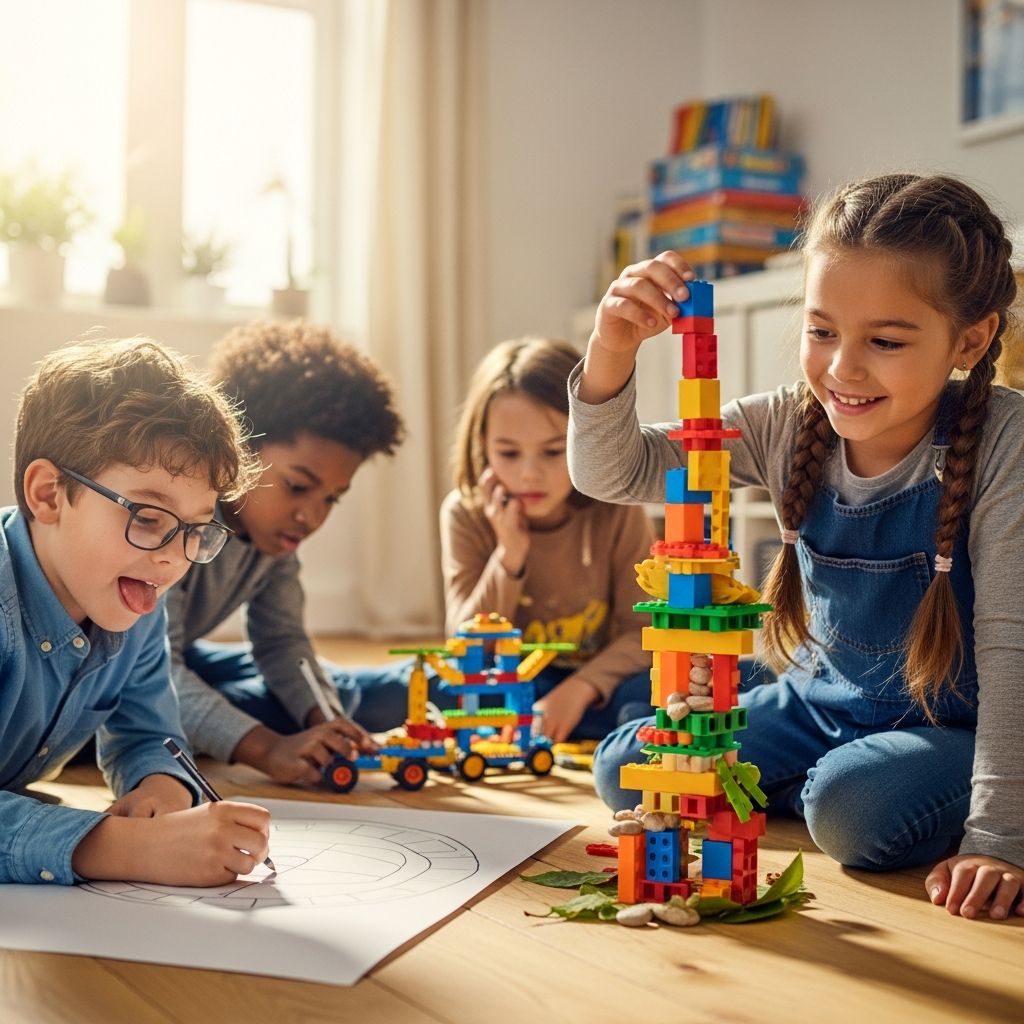
Helping children develop a strong sense of motivation is essential for their academic success, emotional well-being, and lifelong achievement. Motivation in kids isn’t just about pushing them harder; it’s about nurturing an internal drive that makes challenges exciting and effort rewarding. Drawing from behavioral science and educational psychology, this guide explores actionable strategies to ignite that spark.
Understanding the Foundations of Child Motivation
Motivation operates on two levels: intrinsic, where kids engage because activities feel enjoyable or meaningful, and extrinsic, driven by external rewards like praise or treats. Research emphasizes prioritizing intrinsic motivation for sustainable results, as it builds persistence and creativity. For instance, children praised for effort rather than innate talent develop a growth mindset, viewing challenges as opportunities.
Key principles include autonomy, where kids feel in control; competence, through achievable successes; and relatedness, via supportive relationships. These align with self-determination theory, promoting engagement without constant external prods. Parents and educators can create environments that tap into these by aligning tasks with children’s interests and providing just-right challenges.
Building Intrinsic Motivation from the Ground Up
Instilling intrinsic motivation starts early. Encourage exploration by discussing interests and tying them to goals, such as “What do you want to learn this year?” This fosters ownership. Passion projects—self-directed pursuits like building models or writing stories—keep kids hooked because the reward is the activity itself.
- Follow their lead: Observe what captivates your child, from dinosaurs to drawing, and weave it into learning.
- Avoid over-rewarding: External prizes can undermine internal joy; use them sparingly.
- Highlight mastery: Celebrate the process, saying “You worked hard on that puzzle!” to reinforce persistence.
In ABA contexts for children with autism, techniques like Pivotal Response Training use child-led play to make learning natural and engaging. Similarly, all kids benefit from environments rich in novelty, like surprise elements in tasks, sparking curiosity.
The Power of Positive Reinforcement Done Right
Positive reinforcement strengthens desired behaviors by pairing them with rewards. Verbal praise focusing on effort trumps material incentives, as it builds confidence without dependency. The Premack Principle pairs low-preference tasks (e.g., homework) with high ones (e.g., screen time), boosting willingness.
| Reinforcement Type | Example | Benefit |
|---|---|---|
| Verbal Praise | “Great job sticking with it!” | Boosts self-esteem and effort focus |
| Token Systems | Earn stars for chores, redeem for privileges | Teaches delayed gratification |
| Activity Rewards | Reading then playground time | Increases task completion via Premack |
Consistency matters: immediate, specific feedback works best. Track responses to tailor approaches, as each child differs.
Goal-Setting: Guiding Kids Toward Achievement
Realistic goals prevent overwhelm and build momentum. Break big aims into small steps, like “Read one page daily” before a book. Model this by sharing your goals: “I’m practicing piano one song at a time.” Kids mimic persistent adults.
Rimm’s Laws highlight unified parental messaging: consistent expectations from both parents amplify motivation. Overreacting to wins or losses creates pressure; stay balanced to encourage resilience.
- Set SMART goals: Specific, Measurable, Achievable, Relevant, Time-bound.
- Celebrate milestones: High-fives for weekly progress keep spirits high.
- Team up: Group goals with siblings foster connection and shared motivation.
Creating Supportive Environments for Lasting Engagement
A motivating space reduces anxiety and empowers kids. Visual aids like schedules or timers clarify expectations, especially for transitions. Offer choices: “Math worksheets or flashcards?” to enhance autonomy.
Break tasks into chunks for success spirals—completing small steps builds confidence. Antecedent interventions, like pre-task preferred activities, prime engagement. For all children, variety prevents boredom; rotate activities around interests.
Role Modeling and Family Dynamics
Children learn motivation by watching adults. Demonstrate grit during your challenges: “This is tough, but I’m trying again.” Unified family communication avoids mixed signals. Foster approach motivation by framing obstacles as growth chances.
Compassionate interactions build trust, vital in therapies like ABA, but applicable universally.
Addressing Common Motivation Roadblocks
Comparisons kill drive; focus on personal progress. If goals feel unreachable, scale back. For waning interest, inject novelty or choices. Monitor for burnout—balance with play.
Frequently Asked Questions (FAQs)
What if my child resists all rewards?
Shift to intrinsic boosters: tie tasks to their passions and emphasize autonomy. Observe subtle cues for what truly excites them.
How much praise is too much?
Specific, effort-based praise in moderation; overdoing it dilutes impact. Aim for genuine feedback.
Does screen time help or hurt motivation?
Use as Premack rewards, not defaults. Balance with real-world exploration.
Can these work for kids with special needs?
Yes, ABA adaptations like visual supports excel here, promoting engagement.
How to sustain motivation long-term?
Cultivate habits via routines, passion projects, and progress tracking.
Practical Daily Routines to Embed Motivation
Incorporate these into family life:
- Morning: Choice-based breakfast tasks.
- Afternoon: Chunked homework with breaks.
- Evening: Reflect on wins, plan tomorrow’s goal.
Data tracking reveals patterns—adjust as needed.
References
- ABA Techniques for Increasing Motivation and Engagement — Heartwise Support. 2023. https://www.heartwisesupport.org/post/aba-techniques-for-increasing-motivation-and-engagement
- Motivation: Top Twenty Principles 9-12 for Early Childhood Education — American Psychological Association (APA). Accessed 2026. https://www.apa.org/ed/schools/teaching-learning/top-twenty/early-childhood/motivation
- Science of Motivation: How to Help Kids Stay Focused on Their Goals — Pennsylvania Association for the Education of Young Children (PAEYC). 2024. https://paedu.org/blog/science-of-motivation-how-to-help-kids-stay-focused-on-their-goals
- 4 Tips for Motivating and Teaching Motivation to Children — Better Kids Education. 2023. https://betterkids.education/blog/4-tips-for-motivating-and-teaching-motivation-to-children
- Intrinsic Motivation — Davidson Institute. 2024. https://www.davidsongifted.org/gifted-blog/intrinsic-motivation/
- Science-Based Approaches for Parents, Caregivers, and Teachers — Center on the Developing Child, Harvard University. 2023. https://developingchild.harvard.edu/resources/briefs/how-to-motivate-children-science-based-approaches-for-parents-caregivers-and-teachers/

- Integrated M.A. in Applied Linguistics, University of Hyderabad
- 5+ years in editorial, instructional, SEO, and research-based writing
Sneha is a relationships and lifestyle writer with a strong foundation in applied linguistics and certified training in relationship coaching. She brings over five years of writing experience to theskillvault, crafting thoughtful, research-driven content that empowers readers to build healthier relationships, boost emotional well-being, and embrace holistic living. Her writing and insights reflect the belief that beauty, happiness, and wellness…