
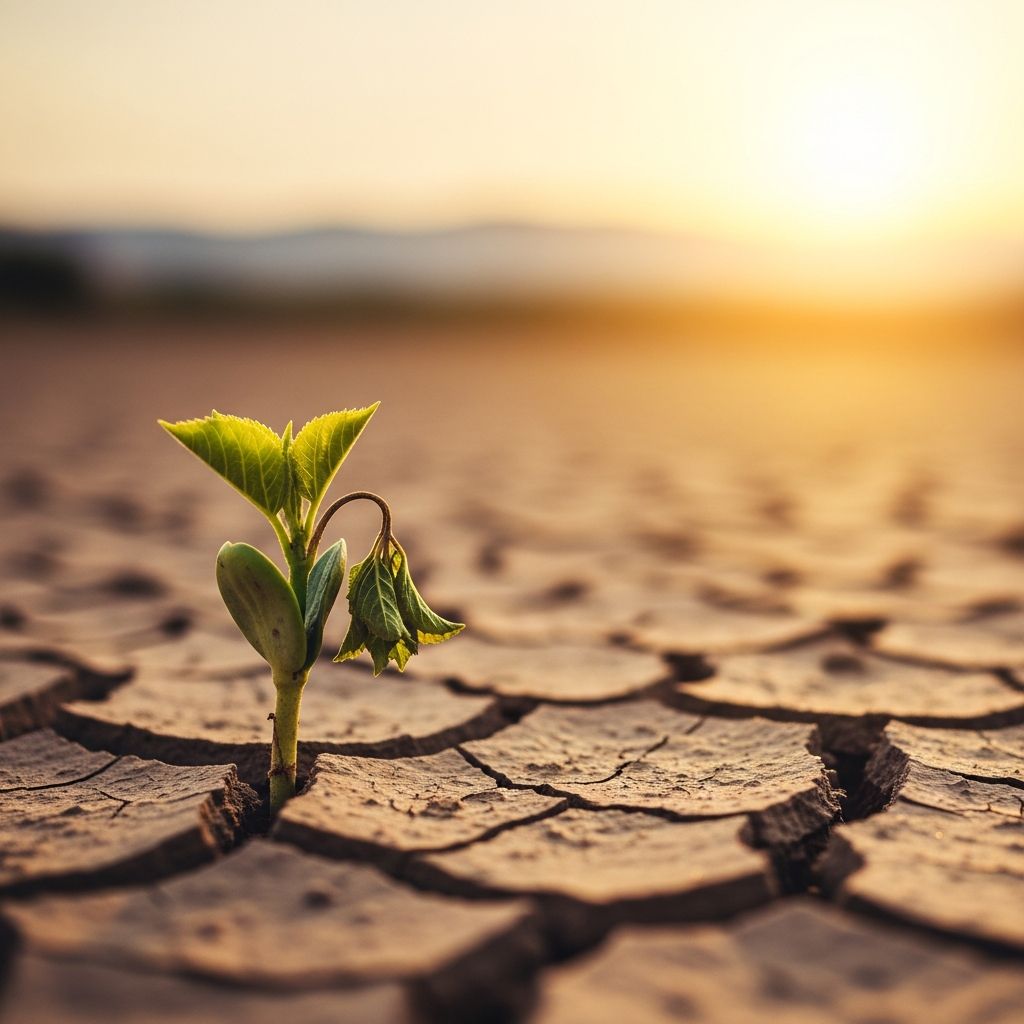
Failure is an inevitable part of the human experience, striking across careers, relationships, and personal goals. Yet, it doesn’t have to define you. By embracing setbacks as opportunities for growth, you can build resilience and emerge stronger. This guide explores practical, psychology-backed strategies to navigate disappointment, reframe negative experiences, and cultivate a mindset geared toward long-term success.
Understanding the Emotional Impact of Setbacks
When a goal slips away or a project collapses, the immediate response often involves a surge of emotions like disappointment, shame, or frustration. Acknowledging these feelings is the first step toward recovery. Suppressing them can lead to prolonged distress, while processing them constructively opens the door to healing.
Research from psychologists emphasizes the importance of emotional validation. For instance, allowing yourself to feel sad or let down without judgment prevents a downward spiral into self-criticism. Journaling or confiding in a trusted friend provides an outlet, helping you externalize pain and gain perspective.
- Validate your emotions: Name what you’re feeling—’I’m disappointed’—to reduce their intensity.
- Avoid rumination: Set a time limit for reflection, then shift to action-oriented thinking.
- Practice mindfulness: Deep breathing techniques settle the mind, making space for clearer thoughts.
Reframing Failure as a Temporary Setback
The language we use shapes our reality. Labeling an outcome as ‘failure’ carries heavy connotations of permanence and inadequacy. Instead, opt for neutral terms like ‘setback,’ ‘lesson,’ or ‘pivot point.’ This shift reduces shame and highlights controllability.
Cognitive distortions, such as all-or-nothing thinking (‘I always mess up’), amplify distress. Challenge these by gathering evidence of past successes. Maintaining an ‘evidence log’—a running record of achievements and positive feedback—serves as a counterbalance during low moments.
| Distorted Thought | Reframed Perspective | Example |
|---|---|---|
| I failed completely | This was one setback | Job rejection doesn’t erase prior accomplishments |
| I’m worthless | I have strengths and room to grow | List three recent wins, big or small |
| I’ll never succeed | Success involves multiple attempts | Review stories of resilient figures who persisted |
Cultivating Self-Compassion in Tough Times
Self-compassion involves treating yourself with the kindness you’d offer a friend. It’s a cornerstone of resilience, countering the inner critic that thrives on failure. Studies show that self-compassionate individuals experience less anxiety and depression after setbacks.
Start with simple affirmations: ‘I’m doing my best, and that’s enough.’ Pair this with deep breaths to interrupt harsh self-talk. Over time, this practice rewires neural pathways toward gentleness.
Daily Self-Compassion Exercises
- Write a compassionate letter to yourself about the setback.
- Practice loving-kindness meditation: Repeat phrases like ‘May I be kind to myself.’
- Track self-critical thoughts and replace them with balanced views.
Shifting from Goals to Core Values
Obsessing over specific outcomes can make deviations feel catastrophic. Redirect focus to underlying values like perseverance, integrity, or creativity. If a promotion falls through, celebrate the effort invested, which aligns with your value of hard work.
This values-based approach fosters flexibility. It reminds you that paths to fulfillment are multifaceted, reducing the pressure of singular success metrics.
Extracting Lessons for Future Growth
Reflection turns pain into progress. Objectively review what happened: What factors contributed? What patterns emerge? Approach this with curiosity, not blame.
Psychologist Carol Dweck’s growth mindset framework posits that abilities develop through effort. Viewing setbacks as data points builds this mindset, encouraging persistence.
- Conduct a ‘lessons learned’ review: Note one actionable change.
- Seek feedback from mentors to uncover blind spots.
- Embrace ‘productive failure,’ where initial struggles enhance later learning.
Building a Support Network
No one succeeds in isolation. A robust support system provides perspective and encouragement. Share experiences with friends, family, or professionals to normalize setbacks.
Learning from others’ stories demystifies failure. Open-ended questions like ‘How did you bounce back?’ yield invaluable insights, faster than solitary trial-and-error.
Overcoming Perfectionism and External Pressures
Socially prescribed perfectionism—believing others demand flawlessness—intensifies failure’s sting. Resist by limiting comparisons and focusing on personal standards.
Feedback emphasizing errors over successes can erode confidence. Balance it by seeking holistic input that highlights growth areas.
Enhancing Emotional Intelligence Through Adversity
Failure hones emotional intelligence (EI) by forcing navigation of complex feelings. Recognizing disappointment or frustration builds self-awareness and regulation skills, benefiting relationships and leadership.
Humor and positive reframing also aid coping. A light-hearted perspective on mishaps prevents rumination.
Long-Term Strategies for Resilience
Integrate habits like regular exercise, sleep, and mindfulness to bolster mental fortitude. Track progress in a resilience journal to visualize improvement.
In professional contexts, normalize failure through team debriefs, fostering innovation cultures where risks are rewarded.
Frequently Asked Questions (FAQs)
What if failure feelings persist despite efforts?
Chronic distress may signal deeper issues. Consult a therapist to explore roots, such as past traumas.
Is failure truly necessary for success?
Often yes—setbacks provide irreplaceable learning. High achievers like inventors averaged numerous flops before breakthroughs.
How do I motivate myself after a big letdown?
Break goals into micro-steps aligned with values. Celebrate small wins to rebuild momentum.
Can children learn healthy failure responses?
Yes, model growth mindsets and praise effort over outcomes to instill resilience early.
What’s the role of failure in creativity?
It sparks innovation by encouraging experimentation and novel solutions.
Mastering setbacks requires practice, but the payoff is profound: a life marked by adaptability, confidence, and fulfillment. By applying these strategies, you transform obstacles into catalysts for your best self.
References
- 7 Tips for Anyone Who Feels Like a Failure — Wondermind. 2023. https://www.wondermind.com/article/i-feel-like-a-failure/
- Dealing With Failure — University of Illinois Chicago Wellness Center. 2023. https://wellnesscenter.uic.edu/news-stories/dealing-with-failure/
- How to cope with failure, according to psychology — British Psychological Society. 2023. https://www.bps.org.uk/research-digest/how-cope-failure-according-psychology
- Why Failure Can Be Good: A Psychologist’s Perspective — In My Heart Counseling and Psychological Services. 2023. https://www.inmyheartcounselingandpsychologicalservices.com/why-failure-can-be-good-a-psychologists-perspective/
- How to Deal With Failure — Psychology Today. 2023-08-01. https://www.psychologytoday.com/us/blog/communications-that-matter/202308/how-to-deal-with-failure
- How to fail successfully — American Psychological Association. 2023. https://www.apa.org/news/podcasts/speaking-of-psychology/failing-well

- Integrated M.A. in Applied Linguistics, University of Hyderabad
- 5+ years in editorial, instructional, SEO, and research-based writing
Sneha is a relationships and lifestyle writer with a strong foundation in applied linguistics and certified training in relationship coaching. She brings over five years of writing experience to theskillvault, crafting thoughtful, research-driven content that empowers readers to build healthier relationships, boost emotional well-being, and embrace holistic living. Her writing and insights reflect the belief that beauty, happiness, and wellness…