
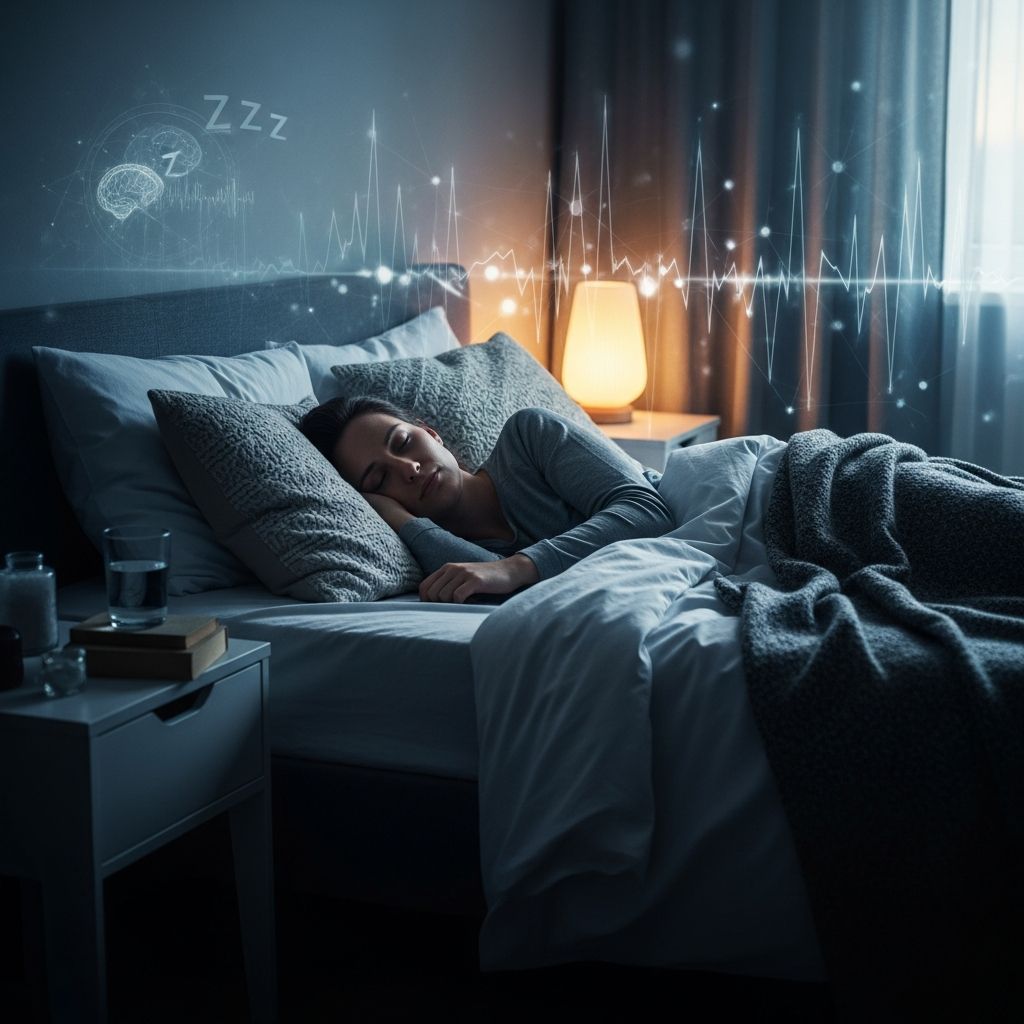
Understanding the Root Causes of Sleep Disruption
The inability to achieve consistent, restorative sleep affects millions of individuals across all demographics. Before implementing solutions, it is essential to understand what triggers these disruptions. Sleep challenges typically stem from three primary categories: psychological factors, environmental conditions, and physiological imbalances. Stress and anxiety remain among the most prevalent culprits, as racing thoughts and worry prevent the mind from achieving the necessary relaxation for sleep onset. Simultaneously, external environmental factors—including light exposure, ambient noise, and room temperature—can significantly undermine sleep quality even when psychological conditions are favorable.
Medical conditions also play a substantial role in sleep disruption. Hormonal fluctuations, respiratory disorders such as sleep apnea, and metabolic conditions like diabetes can all trigger or exacerbate insomnia. Understanding whether your sleep challenges originate from stress, environment, or underlying health conditions will guide your approach to resolution.
Creating an Optimal Physical Sleep Environment
The bedroom serves as your sanctuary for rest, and its physical characteristics directly influence sleep quality. Environmental optimization represents one of the most straightforward yet effective interventions for combating sleepless nights.
Light Management and Circadian Alignment
Light exposure fundamentally regulates your body’s internal clock through melatonin production. Excessive light in the evening—particularly blue light from electronic devices—suppresses melatonin secretion and delays sleep onset. To optimize your environment, eliminate artificial light sources at least two hours before bedtime. This includes televisions, smartphones, computers, and bright overhead lighting. Invest in blackout curtains that completely block external light from streetlights or early morning sun. Conversely, maximize natural light exposure during daylight hours, particularly in the morning, as this reinforces your circadian rhythm and strengthens the body’s natural sleep-wake cycle.
Temperature and Acoustic Control
Sleep quality deteriorates significantly in rooms that are too warm or too cold. Research indicates that temperatures between 60-67 degrees Fahrenheit (15-19 degrees Celsius) are generally optimal for sleep. Beyond temperature, noise represents another critical environmental variable. External sounds from traffic, neighbors, or construction disrupt the sleep cycle by preventing deep sleep stages. If you live in a noisy environment, consider using white noise machines or high-quality earplugs to mask disruptive sounds. Additionally, ensure your mattress, pillows, and bedding are comfortable and appropriately supportive for your body type.
Behavioral Modifications and Sleep Scheduling
Your daily habits and sleep schedule exert profound influence over your ability to sleep. Establishing consistent behavioral patterns trains your body to anticipate and prepare for sleep.
Regularizing Your Sleep Schedule
Inconsistent sleep timing disrupts your circadian rhythm, the internal biological clock that governs sleep-wake cycles. Going to bed at varying times—whether due to work schedule changes, travel, or voluntary inconsistency—prevents your body from developing reliable sleep anticipation. The solution involves selecting a realistic bedtime and wake time, then adhering to this schedule consistently, including weekends. This consistency signals to your body when sleep should occur, making sleep onset progressively easier within one to two weeks of adherence.
Strategic Caffeine and Substance Management
Caffeine remains present in numerous beverages and foods beyond coffee, including tea, chocolate, energy drinks, and certain sodas. Its effects persist in your system for 6-8 hours after consumption, meaning midday coffee can interfere with nighttime sleep. Eliminate caffeine intake by mid-afternoon. Similarly, avoid alcohol consumption in the hours before bed, despite its initial sedating effect. Alcohol fragments sleep architecture, reducing restorative deep sleep stages. Nicotine also stimulates the nervous system and should be avoided, particularly in evening hours.
Meal Timing and Nutritional Considerations
Heavy meals consumed close to bedtime trigger digestive activity and physical discomfort that prevents sleep onset. Conversely, going to bed hungry creates its own sleep disruption. The optimal approach involves consuming your last substantial meal 2-3 hours before bedtime, allowing adequate digestion time. If hunger approaches bedtime, consume light snacks such as complex carbohydrates paired with protein—perhaps whole grain toast with almond butter or a banana with Greek yogurt. Additionally, limit fluid intake in the hours before bed to prevent nighttime bathroom visits that fragment sleep.
Cognitive and Relaxation-Based Approaches
Beyond environmental and behavioral adjustments, mental techniques directly address the psychological barriers preventing sleep.
Mindfulness Meditation for Sleep Enhancement
Mindfulness meditation represents a scientifically-validated approach for improving sleep quality. This ancient practice, which emphasizes present-moment awareness and breathing focus, calms the nervous system and reduces racing thoughts. Research from UCLA’s Semel Institute demonstrates that even brief mindfulness practice substantially improves sleep quality, particularly in older adults experiencing moderate sleep complaints. Begin with five to ten minutes of guided mindfulness meditation during your wind-down period, focusing attention on your breath and gently redirecting attention whenever your mind wanders to worries or plans.
Progressive Muscle Relaxation and Deep Breathing
These evidence-based relaxation techniques systematically reduce physical and mental tension that prevents sleep. Progressive muscle relaxation involves tensing and releasing muscle groups sequentially, from toes to head, promoting bodily awareness and releasing accumulated tension. Deep breathing techniques activate your parasympathetic nervous system, the biological system responsible for rest and recovery. Practice the 4-7-8 technique: breathe in for four counts, hold for seven counts, then exhale for eight counts. This pattern signals safety to your nervous system, facilitating sleep onset.
Cognitive Behavioral Therapy for Insomnia (CBT-I)
Cognitive-behavioral therapy specifically designed for insomnia (CBT-I) addresses the thoughts and beliefs that perpetuate sleep difficulties. This therapeutic approach helps identify unhelpful thought patterns—such as catastrophizing about sleeplessness or worrying about daytime consequences—that activate the nervous system and prevent sleep. CBT-I also provides education about realistic sleep expectations and age-appropriate sleep duration, reducing anxiety about sleep itself. Many healthcare providers and sleep specialists offer CBT-I, and research confirms its effectiveness rivals or exceeds that of sleep medications.
Pre-Sleep Wind-Down Rituals
The 30-60 minutes preceding bedtime significantly influence your ability to transition into sleep. This window should progressively reduce mental stimulation and physical activity.
Establish a consistent wind-down routine that might include reading physical books, listening to calming music, gentle stretching, or warm baths. These activities communicate to your brain that sleep approaches. Avoid activities that stimulate the nervous system, including competitive games, heated discussions, work-related tasks, or intense exercise. A warm beverage—such as herbal tea or warm milk with honey—can provide psychological comfort and slight physical warmth that facilitates sleep onset.
Medical Interventions and Professional Support
When behavioral and environmental modifications prove insufficient, professional medical evaluation becomes necessary.
Sleep Disorder Evaluation
Chronic insomnia affecting 20% or more of nights, or affecting approximately 10% of adults chronically, may indicate underlying sleep disorders requiring professional diagnosis. Conditions such as sleep apnea (breathing interruptions during sleep), restless legs syndrome (involuntary leg movements disrupting sleep), and hormone-related disorders require specific medical treatment. If you suspect a sleep disorder, maintain a sleep diary documenting sleep onset times, duration, nighttime awakenings, and daytime effects. This information assists your healthcare provider in identifying patterns and determining appropriate interventions.
Therapeutic and Complementary Approaches
Your healthcare provider may recommend meditation, yoga, or massage therapy as complementary approaches to address insomnia. These modalities reduce stress-related muscle tension and calm the nervous system. Acupuncture has shown promise in clinical studies for improving sleep quality, particularly when combined with other interventions.
Table: Quick Reference for Sleep Optimization Strategies
| Sleep Factor | Optimization Strategy | Expected Timeline |
|---|---|---|
| Light Exposure | Eliminate screens 2 hours before bed; maximize morning sunlight | 3-7 days |
| Sleep Schedule | Consistent bedtime and wake time daily | 1-2 weeks |
| Caffeine Intake | Eliminate after 2 PM; check hidden sources | 3-5 days |
| Room Temperature | Maintain 60-67°F (15-19°C) | Immediate |
| Relaxation Practice | Daily mindfulness or progressive muscle relaxation | 2-4 weeks |
| Meal Timing | Last substantial meal 2-3 hours before bed | Immediate |
Implementing a Sustainable Sleep Recovery Plan
Rather than implementing all strategies simultaneously, which can feel overwhelming, prioritize changes based on which factors most directly contribute to your sleep disruption. If stress dominates your nights, prioritize relaxation techniques. If environmental factors disturb you, address light and noise first. If scheduling inconsistency affects you, establish a consistent sleep-wake cycle. This graduated approach allows you to assess which interventions prove most beneficial for your individual situation.
Begin by tracking your sleep patterns for one week, noting sleep onset time, number of awakenings, sleep duration, and daytime effects. This baseline assessment helps identify patterns and measure improvement as you implement interventions. Most behavioral modifications require 2-4 weeks of consistent application before substantial improvement emerges, so patience and persistence remain essential.
Frequently Asked Questions About Sleep Improvement
Q: How much sleep do I actually need?
A: Most adults require 7-9 hours of sleep nightly for optimal health and daytime functioning. Age, genetics, and individual health status influence specific sleep needs. Cognitive behavioral therapy can help establish realistic, personalized sleep goals.
Q: Is occasional use of sleep medication safe?
A: Sleep medications can provide short-term relief while you implement behavioral changes, but they do not address underlying causes and may develop dependency with extended use. Consult your healthcare provider about whether temporary medication use combined with behavioral approaches suits your situation.
Q: Can exercise help improve sleep?
A: Yes, regular physical activity improves sleep quality and duration. However, avoid vigorous exercise within 3 hours of bedtime, as it can be stimulating. Morning or afternoon exercise optimizes sleep benefits.
Q: What if my sleep problems persist despite these efforts?
A: Persistent insomnia affecting your quality of life warrants professional evaluation to rule out underlying sleep disorders, medical conditions, or medication side effects. A sleep specialist or healthcare provider can perform appropriate testing and recommend targeted interventions.
Q: Are there natural supplements that help with sleep?
A: Herbal supplements like valerian root and chamomile show modest evidence for improving sleep in some individuals. However, discuss any supplement use with your healthcare provider, as interactions with medications can occur. Behavioral approaches typically produce more consistent results than supplements alone.
Q: How long does it take to see improvement from these strategies?
A: Environmental changes produce immediate or near-immediate effects, while behavioral modifications typically require 1-4 weeks of consistent application before noticeable improvement emerges. Relaxation techniques may show benefits within days, while sleep schedule adjustments require 2-3 weeks of adherence.
Conclusion: Sustainable Sleep Recovery
Overcoming persistent sleeplessness requires a comprehensive approach addressing environmental, behavioral, and psychological factors simultaneously. While no single strategy works universally, combining evidence-based interventions—environmental optimization, consistent scheduling, relaxation practices, and cognitive approaches—creates powerful synergistic effects. By systematically implementing these strategies and tracking your progress, you reclaim the restorative sleep essential for health, cognitive function, and daily wellbeing. Should challenges persist despite diligent effort, professional evaluation ensures underlying medical causes receive appropriate treatment, ultimately restoring the quality sleep you deserve.
References
- 5 Leading Causes of Sleepless Nights and How to Combat Them — Comprehensive Sleep Care. 2024-09-19. https://comprehensivesleepcare.com/2024/09/19/5-leading-causes-of-sleepless-nights-and-how-to-combat-them/
- Sudden Insomnia: Causes & Tips for a Quick Relief — Lone Star Neurology. https://lonestarneurology.net/blog/sudden-insomnia/
- Top 15 Proven Tips to Sleep Better at Night — Healthline. Updated 2025-11-21. https://www.healthline.com/nutrition/17-tips-to-sleep-better
- 10 Tips To Get You Sleeping Again — WebMD. https://www.webmd.com/women/insomnia-tips
- Solutions for Overcoming Sleepless Nights — UCLA Health. https://www.uclahealth.org/news/article/solutions-for-overcoming-sleepless-nights
- Insomnia: What It Is, Causes, Symptoms & Treatment — Cleveland Clinic. https://my.clevelandclinic.org/health/diseases/12119-insomnia
- Insomnia – Treatment — National Heart, Lung, and Blood Institute (NHLBI), National Institutes of Health (NIH). https://www.nhlbi.nih.gov/health/insomnia/treatment

- Integrated M.A. in Applied Linguistics, University of Hyderabad
- 5+ years in editorial, instructional, SEO, and research-based writing
Sneha is a relationships and lifestyle writer with a strong foundation in applied linguistics and certified training in relationship coaching. She brings over five years of writing experience to theskillvault, crafting thoughtful, research-driven content that empowers readers to build healthier relationships, boost emotional well-being, and embrace holistic living. Her writing and insights reflect the belief that beauty, happiness, and wellness…