
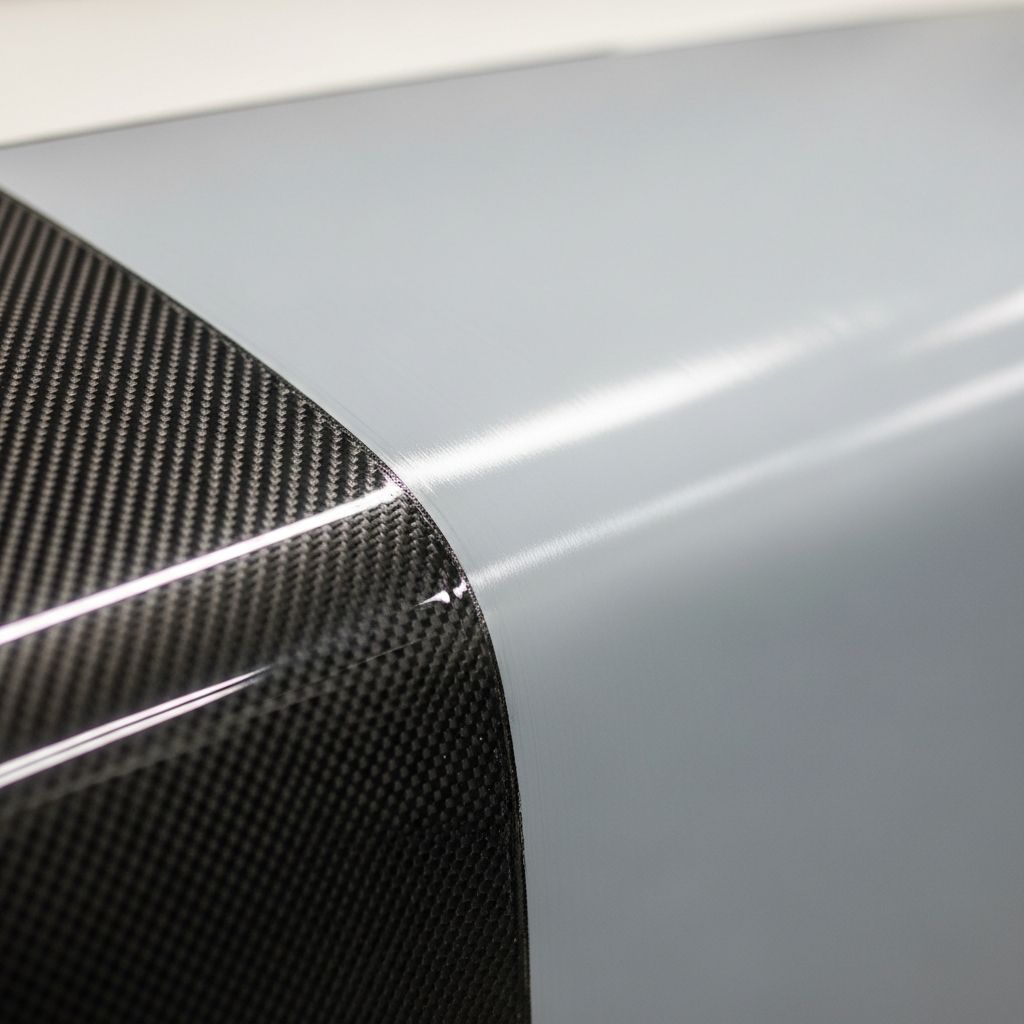
Composite materials, blending wood fibers with plastics, are widely used in decking, siding, and furniture due to their durability and low maintenance. Painting these surfaces can refresh their look and add protection, but success requires specific techniques to ensure adhesion and longevity.
Understanding Composite Surfaces
Composites like wood-plastic composite (WPC) and capped decking differ from traditional wood. WPC combines wood fibers and recycled plastics, creating a dense, moisture-resistant material ideal for outdoor use. Older uncapped versions absorb paints better, while modern polymer-capped boards resist penetration, making painting less advisable.
Key characteristics include expansion with temperature changes and smooth finishes that challenge paint grip. Proper painting enhances UV protection and customization without compromising inherent benefits like fade resistance.
Assessing Suitability for Painting
Not all composites should be painted. Check manufacturer guidelines: uncapped boards from older installations are prime candidates, but capped ones with polymer shells may void warranties or lead to peeling.
- Inspect for capping: Capped boards have a shell-like texture.
- Review age: Pre-2010 decking often lacks caps.
- Test adhesion: Apply painter’s tape; poor stick indicates unsuitability.
If unsuitable, consider staining or sealing instead for subtle enhancement.
Surface Preparation Essentials
Preparation is critical for paint adhesion on slick composite surfaces. Skipping steps leads to failures like cracking or flaking.
Cleaning the Surface
Begin with thorough cleaning to remove dirt, mildew, and oils. Use a mild detergent mixed with water and a stiff brush. For stubborn grime, apply a deck cleaner per label instructions, rinsing with a pressure washer on low setting (under 1500 PSI to avoid damage).
Dry completely, ideally over 48 hours in mild weather, avoiding direct sun or rain.
Sanding for Better Grip
Light sanding creates micro-abrasions for paint to bond. Use 220-240 grit sandpaper or a power sander. Work in the direction of the grain to minimize fraying on fiber-rich areas.
| Step | Grit Size | Purpose |
|---|---|---|
| Initial Sand | 220 grit | Remove gloss, create texture |
| Finish Sand | 240 grit | Smooth without over-abrading |
| Post-Clean | Tack cloth | Remove dust |
Vacuum or blow away debris to prevent contamination.
Choosing the Right Products
Select paints formulated for composites or exteriors. Water-based acrylics or enamels offer flexibility for expansion/contraction.
- Primers: Latex-based for plastics/WPC; enhances adhesion.
- Paints: Porch/floor enamels for high-traffic; 100% acrylic for UV resistance.
- Stains: Solid-color waterborne for semi-transparent effects on suitable boards.
Avoid oil-based paints, which crack on flexing surfaces. Consult stores for composite-specific lines.
Priming Techniques
Primer bridges slick surfaces and topcoats. Apply with a brush for edges and roller for flats. Use even strokes, back-rolling to avoid puddles.
One coat suffices if paint is self-priming; otherwise, two thin layers. Dry per instructions (typically 4-6 hours).
Mastering Paint Application
Apply in thin coats to prevent sagging. Use synthetic brushes/rollers for smooth finishes.
- Dip tool lightly, tap excess.
- Work in 3×3 ft sections.
- Roll in one direction, then cross for evenness.
- Two coats minimum, 24 hours apart.
Ideal conditions: 50-85°F, low humidity, no wind. Avoid direct sun.
Advanced Finishing Options
Post-painting, seal with clear acrylic topcoat for extra UV/moisture shield. Reapply every 2-3 years.
Creative ideas:
- Two-tone patterns on railings.
- Stenciled designs for accents.
- Natural enhancers preserving grain.
Maintenance and Longevity
Painted composites last 3-5 years before touch-ups. Clean quarterly with soap/water; avoid abrasives. Inspect for wear annually, re-sanding lightly before recoating.
Climate impacts: In humid areas, choose mildew-resistant formulas; arid zones need flexible paints.
Common Mistakes to Avoid
DIY pitfalls shorten finish life:
- Rushing prep: Leads to peeling.
- Thick coats: Causes cracking.
- Bad weather: Poor curing.
- Wrong tools: Natural bristles shed on synthetics.
Frequently Asked Questions (FAQs)
Can I paint modern capped composite decking?
No, polymer caps resist paint adhesion and may void warranties. Opt for uncapped older boards.
What paint works best for WPC furniture?
Use water-based enamels or primers designed for plastics; apply thin coats for durability.
How long does paint last on composites?
3-5 years with proper prep; reseal to extend.
Is sanding always necessary?
Recommended for best adhesion, especially on glossy surfaces.
Can I stain instead of paint?
Yes, solid stains penetrate better on suitable boards.
Tools and Materials Checklist
| Category | Items |
|---|---|
| Cleaning | Detergent, deck cleaner, pressure washer, brush |
| Prep | 220-240 grit sandpaper, sander, tack cloths |
| Application | Primer, exterior paint, brushes, rollers, trays |
| Finishing | Clear sealer, drop cloths, painter’s tape |
Gather safety gear: gloves, goggles, masks for dust/fumes.
References
- Master The Basics of Painting Wood Plastic Composite — Rumah Lanta Indonesia. 2023-05-15. https://www.rumahlantaiindonesia.com/en/post/master-the-basics-of-painting-wood-plastic-composite-an-introductory-guide
- How to Paint or Stain Composite Decking — Sherwin-Williams. 2024-08-20. https://www.sherwin-williams.com/en-us/project-center/stain/how-to-paint-stain-composite-decking
- Can You Paint or Stain Composite Decking? It Depends — TimberTech. 2023-11-10. https://www.timbertech.com/ideas/can-you-paint-composite-decking/
- Painting Composite Decking: Everything You Need to Know — 3rd Gen Painting. 2024-02-28. https://3rdgenpainting.com/painting-composite-decking/
- Painting Composite wood furniture — YouTube (Dixie Belle Paint). 2023-07-12. https://www.youtube.com/shorts/N7Kc2vd3JSw

- Integrated M.A. in Applied Linguistics, University of Hyderabad
- 5+ years in editorial, instructional, SEO, and research-based writing
Sneha is a relationships and lifestyle writer with a strong foundation in applied linguistics and certified training in relationship coaching. She brings over five years of writing experience to theskillvault, crafting thoughtful, research-driven content that empowers readers to build healthier relationships, boost emotional well-being, and embrace holistic living. Her writing and insights reflect the belief that beauty, happiness, and wellness…