
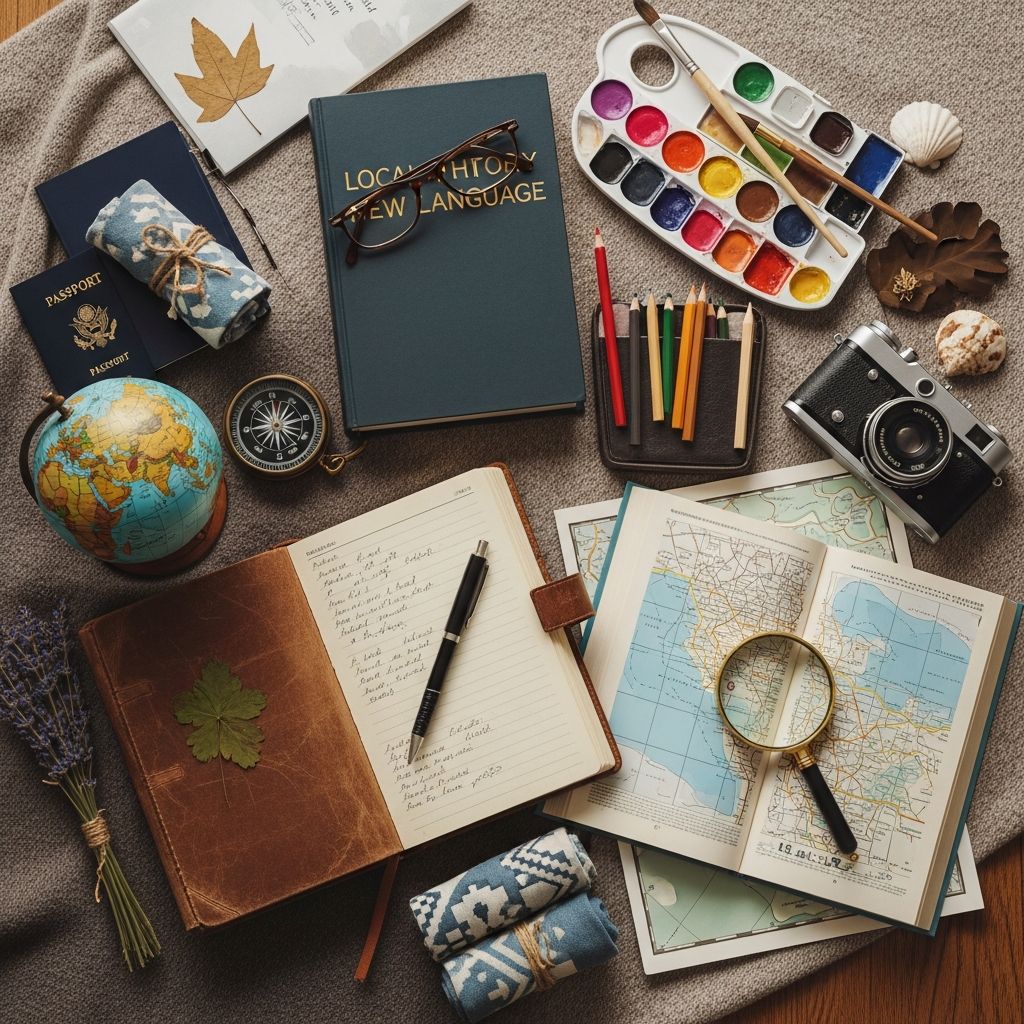
Family vacations offer more than just downtime; they provide unique chances to weave education into everyday exploration. By thoughtfully selecting destinations tied to academic interests and incorporating interactive elements, parents can create trips that spark curiosity and reinforce classroom lessons. This approach not only enhances knowledge retention but also fosters family bonds through shared discoveries.
Aligning Destinations with Academic Goals
The foundation of an effective learning getaway starts with choosing spots that resonate with your children’s studies or passions. Consider subjects like history, science, or geography, and match them to real-world sites. For instance, a visit to ancient ruins can bring mythology alive, while coastal areas reveal marine biology firsthand.
Begin by reviewing the school curriculum or homeschool syllabus. Identify units on ecosystems, pivotal historical eras, or cultural traditions. Then, scout locations that offer tangible connections. National parks for environmental science, urban centers for architecture and arts, or rural farms for agriculture provide immersive backdrops.
- Review upcoming lessons to prioritize themes.
- Search for sites with guided programs or exhibits linked to those topics.
- Opt for lesser-known spots to avoid crowds and deepen engagement.
This intentional selection ensures the trip feels purposeful rather than obligatory, turning passive sightseeing into active learning.
Involving Children in the Planning Process
Empowering kids to contribute to trip decisions builds excitement and ownership. Let them research options, suggest activities, and even map out daily itineraries. This hands-on involvement teaches research skills, budgeting basics, and decision-making.
For younger children, share videos or images of potential spots and ask for their favorites. Older kids can dive into online resources, compare lodging, or book simple reservations. Such participation mirrors project-based learning, where students drive their education.
| Age Group | Planning Roles | Skills Gained |
|---|---|---|
| 5-8 years | Pick activities from photos/videos | Observation, preference expression |
| 9-12 years | Research attractions, pack lists | Basic research, organization |
| 13+ years | Budget itineraries, contact sites | Financial literacy, communication |
By distributing tasks, families distribute enthusiasm, making the journey a collective endeavor.
Integrating Nature and Outdoor Exploration
Nature serves as an unparalleled classroom, promoting physical health, mental clarity, and scientific inquiry. Prioritize destinations with trails, wildlife reserves, or geological wonders to encourage observation and experimentation.
Activities like guided hikes reveal ecosystems, while beachcombing teaches tides and erosion. Encourage questions: Why do leaves change color? How do animals adapt? These moments cultivate wonder and critical thinking, benefits backed by studies on outdoor education.
- Pack field guides for plants, birds, or rocks.
- Join ranger-led programs for structured insights.
- Set up scavenger hunts to gamify discovery.
Outdoor immersion not only educates but rejuvenates, balancing structured learning with free play.
Building Social Connections on the Road
Travel expands social horizons by exposing families to diverse cultures and perspectives. Plan interactions with locals, fellow travelers, or experts to enrich interpersonal skills and global awareness.
Markets, festivals, or homestays offer authentic exchanges. Museums with interactive demos or historical reenactments facilitate conversations. These encounters teach empathy, language basics, and cultural nuances beyond textbooks.
For group dynamics, consider family-led discussions post-activity: What surprised you about local customs? Such reflections deepen understanding and family dialogue.
Maintaining Records of Discoveries
Journaling transforms fleeting experiences into enduring lessons. Equip each child with a notebook to sketch, note observations, and jot questions. Collect mementos like leaves or tickets to create personalized scrapbooks.
This practice hones writing, memory, and reflection skills. Review entries nightly to reinforce daily takeaways, turning the trip into a narrative of growth.
- Include prompts: What did you learn? What puzzled you?
- Incorporate photos or pressed flowers for multisensory recall.
- Compile into a post-trip presentation for relatives.
Financial Planning for Affordable Adventures
Budgeting ensures accessibility without sacrificing quality. Estimate costs for transport, stays, meals, and entries early, then allocate buffers for surprises.
Seek deals on off-peak travel, family packages, or free public sites. Involve kids in tracking expenses to teach fiscal responsibility. Tools like spreadsheets simplify monitoring.
| Category | Estimated Cost Tips |
|---|---|
| Transportation | Compare flights/trains; use miles |
| Lodging | Camping or Airbnbs for savings |
| Activities | Free parks, combo tickets |
| Food | Picnics, local markets |
Smart planning keeps adventures within reach for all families.
Pre-Departure Preparation Strategies
Thorough prep sets the stage for smooth execution. Compile packing lists tailored to activities, including weather gear and learning tools. Conduct safety briefings on protocols and emergency contacts.
Build anticipation with pre-reads or mini-lessons on the destination. Assign roles like navigator or photographer to distribute responsibilities.
During-Trip Learning Enhancers
Maximize on-site education with flexible schedules blending structure and spontaneity. Use apps for audio guides or AR overlays on landmarks. Encourage hypothesis-testing, like predicting animal behaviors.
Balance with downtime to prevent fatigue, ensuring sustained engagement.
Post-Trip Reflection and Extension
Extend impact by reviewing journals and creating summary projects: timelines, models, or reports. Share online or with schools to inspire peers. This cements knowledge and motivates future trips.
Recommended Destinations for Inspiration
- Coastal regions for oceanography and ecology.
- Urban hubs for arts, history, and innovation.
- Mountain areas for geology and survival skills.
- International spots for language and customs.
Frequently Asked Questions
How do I make trips educational without overwhelming kids?
Limit structured activities to half the day, interspersing with free time for play and rest.
What’s a good budget for a week-long family learning trip?
Averages $150-300 per person daily, varying by location; focus on cost-effective choices.
Can homeschoolers count this toward curriculum?
Yes, document activities aligning with standards for portfolio credits.
How to handle picky eaters or special needs abroad?
Research options in advance, pack familiar snacks, and choose inclusive venues.
Best time for educational travel?
Shoulder seasons offer fewer crowds and milder weather.
References
- Step by Step Guide to Planning a School Trip — Educating Adventures. 2023-01-15. https://www.easchooltours.com/blog/step-by-step-guide-to-plan-a-school-trip
- How to Plan the Perfect Educational Tour: A Step-by-Step Guide — Passports.com. 2024-05-20. https://www.passports.com/blog/planning-the-perfect-educational-tour-a-teachers-step-by-step-guide
- Tips for Planning an Educational Vacation — Connections Academy. 2023-06-10. https://www.connectionsacademy.com/support/resources/article/tips-for-planning-an-educational-vacation/
- Guide to Student-Planned Educational Trips — Experiential Learning Depot. 2024-02-28. https://www.experientiallearningdepot.com/experiential-learning-blog/guide-to-student-planned-educational-trips
- How to Plan an Educational Family Vacation — Gleason Family Adventure. 2022-11-05. https://gleasonfamilyadventure.com/how-to-plan-an-educational-family-vacation/

- Integrated M.A. in Applied Linguistics, University of Hyderabad
- 5+ years in editorial, instructional, SEO, and research-based writing
Sneha is a relationships and lifestyle writer with a strong foundation in applied linguistics and certified training in relationship coaching. She brings over five years of writing experience to theskillvault, crafting thoughtful, research-driven content that empowers readers to build healthier relationships, boost emotional well-being, and embrace holistic living. Her writing and insights reflect the belief that beauty, happiness, and wellness…