
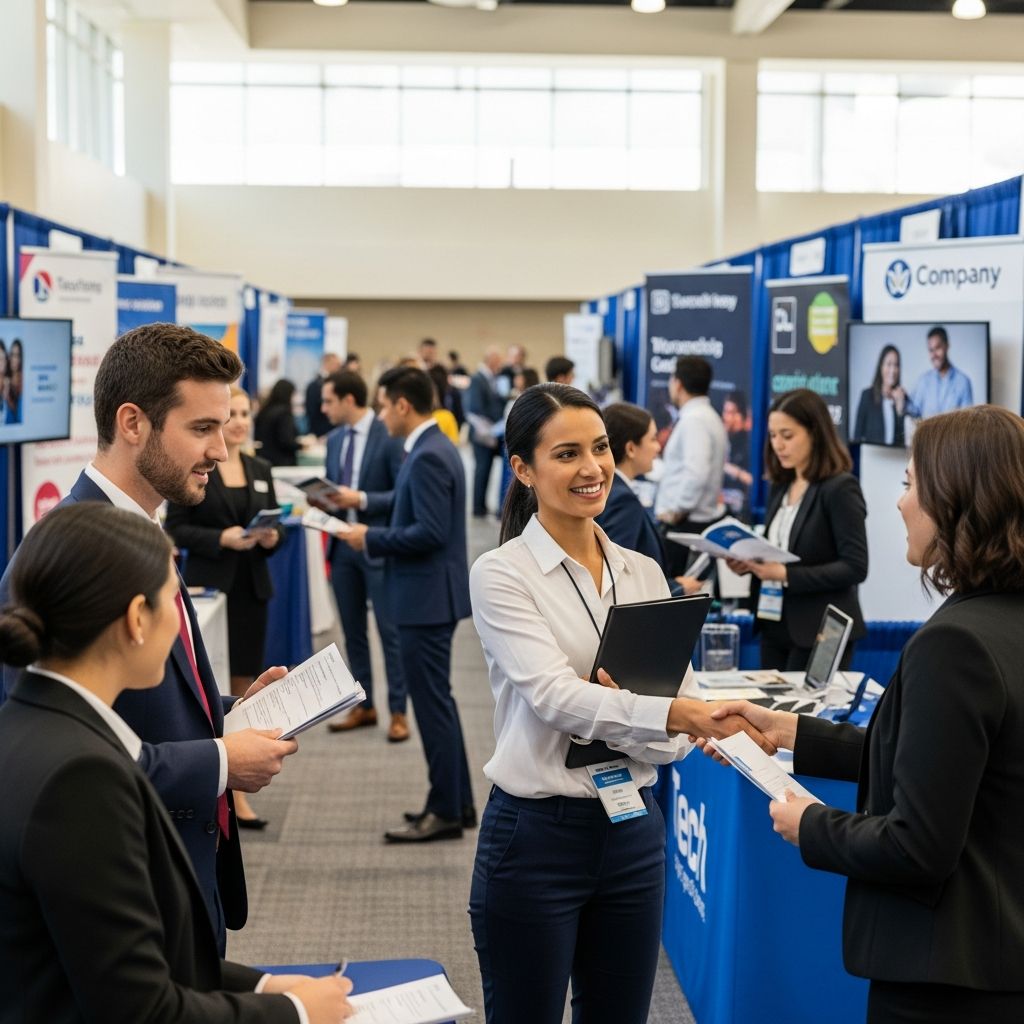
Job fairs represent a dynamic gateway to professional opportunities, bringing together eager candidates and hiring organizations in one energetic venue. These events offer unparalleled access to recruiters, company insights, and potential interviews, but success demands more than just showing up. With targeted preparation, polished interactions, and diligent follow-through, attendees can transform a single day into multiple leads and lasting connections. This guide draws from expert university career services to equip you with actionable strategies, ensuring you stand out amid the crowd.
Strategic Foundations: Building Momentum Before the Event
Effective participation begins well in advance, turning a job fair from a casual browse into a calculated career move. Start by clarifying your objectives—whether seeking entry-level roles, internships, or industry shifts—to focus your energy.
- Research Attending Organizations: Compile a prioritized list of exhibitors by reviewing event directories or platforms like Handshake. Investigate their recent projects, open positions, and company culture via official sites and LinkedIn to tailor your approach.
- Refine Your Resume: Update it to highlight relevant skills, experiences, and achievements. Print 15-20 crisp copies on high-quality paper, and consider a digital version for virtual fairs. Seek feedback from career advisors to ensure it aligns with target roles.
- Craft a Compelling Elevator Pitch: Develop a 30-second introduction covering your name, education/background, key strengths, and career goals. Practice until it flows naturally, adapting it per employer based on your research.
- Assemble Your Toolkit: Pack a professional folder with resumes, a notepad, pens, business card holder, and event map. Opt for comfortable yet polished attire suited to your field—business professional for most, creative casual where appropriate.
Attending prep workshops or webinars hosted by career centers can sharpen these elements further, providing mock interactions and personalized critiques.
Navigating the Venue: Prioritization and Planning
Upon arrival, treat the fair like a mission with a clear itinerary. Virtual or in-person, mapping your path prevents wasted time and fatigue.
| Priority Level | Action Steps | Time Allocation |
|---|---|---|
| High (Top 5 Employers) | Research notes reviewed; pitch customized; aim for 5-7 minute talks | 15-20 minutes each |
| Medium (Next 10) | Quick research refresh; general pitch with specifics if possible | 5-10 minutes each |
| Exploratory (Others) | Scan for surprises; collect info for future outreach | 2-3 minutes |
Begin with less critical booths to warm up, building confidence before tackling favorites. For virtual events, test your tech setup—camera, mic, lighting—and log in early.
Engaging Recruiters: The Art of Meaningful Conversations
The heart of any job fair lies in human connections. Approach booths with enthusiasm, maintaining open body language, a firm handshake (if in-person and appropriate), and genuine smiles.
- Launch with Confidence: “Hi, I’m [Name], a [degree/field] student/graduate interested in [role/industry]. I’ve been impressed by your [specific project/news].” Deliver your elevator pitch seamlessly.
- Hand Over Materials Thoughtfully: Offer your resume proactively, pointing to relevant sections as you discuss fit. Avoid merely dropping it and leaving.
- Pose Insightful Questions: Demonstrate preparation with queries like: “What challenges is your team facing in [area]?” or “How does [recent initiative] impact entry-level opportunities?” Steer clear of basics like salary or benefits initially.
- Listen Actively: Note key details about roles or next steps, nodding and responding to show engagement. Time interactions to 3-5 minutes unless invited longer, respecting busy recruiters.
Collect business cards or digital contacts, jotting notes on the back about conversation highlights for later reference. Diversify interactions—even outside your primary field—for unexpected opportunities.
Professional Demeanor: Do’s and Don’ts for Lasting Impressions
Your conduct shapes perceptions long after the fair ends. Professionalism, paired with authenticity, leaves recruiters eager to connect.
| Do’s | Don’ts |
|---|---|
| Smile, maintain eye contact, and exude positivity | Interrupt ongoing conversations or appear rushed |
| Thank recruiters by name and express continued interest | Ask about pay/benefits or complain about past jobs |
| Follow queue etiquette and be patient | Overstay (limit to 5-10 minutes max) |
| Dress appropriately and groom impeccably | Hand out resumes without engaging |
These habits not only secure contacts but also hone skills for interviews. In virtual settings, frame your face properly and minimize distractions.
Post-Fair Actions: Turning Connections into Opportunities
The fair’s true value emerges in follow-up. Within 24-48 hours, reinforce impressions with personalized outreach, converting casual chats into interviews.
- Organize Notes Immediately: Categorize contacts by interest level, summarizing discussions and action items.
- Send Tailored Thank-Yous: Email: “Dear [Name], Thank you for discussing [topic] at the [Event]. I’m excited about [role] and how my [skill] aligns. Attached is my resume.”
- Apply Promptly: Submit applications via company portals, referencing the conversation.
- Track Progress: Use a spreadsheet for dates, responses, and next steps. Nurture networks on LinkedIn.
Consistent follow-up distinguishes proactive candidates, often leading to 20-30% more callbacks per expert analyses from career services.
Virtual Job Fairs: Adapting for Digital Success
Hybrid and online formats demand tech-savvy strategies. Prepare a quiet space, professional backdrop, and stable internet. Upload resumes to event platforms pre-arrival, and schedule sessions via apps like Handshake.
- Practice Zoom etiquette: Look at the camera, mute when not speaking, and use chat for quick notes.
- Research virtual booth layouts; many feature videos or chat rooms for pre-engagement.
- Follow up via LinkedIn or provided emails, attaching any shared screens or links discussed.
Virtual fairs expand geographic reach, connecting you with national employers efficiently.
Common Challenges and Pro Tips
Nerves, crowds, or slim pickings can arise, but preparation mitigates them. Combat anxiety with mock practices; navigate crowds by early arrival; pivot to informational chats if no fits appear. Pro tip: Volunteer at fairs for insider access and rapport-building.
Frequently Asked Questions (FAQs)
What should I wear to a job fair?
Dress in business professional attire suited to your industry: suit for finance, smart casual for tech. Ensure clothes are clean, ironed, and comfortable for standing.
How many resumes do I need?
Bring 15-20 physical copies for in-person events; have a PDF ready for digital sharing. Tailor versions if targeting diverse roles.
Is it okay to attend without a specific job in mind?
Absolutely—networking yields hidden opportunities. Research broadly and treat every interaction as a potential lead.
What if I’m introverted?
Start small, practice pitches aloud, and focus on one-on-one chats. Quality trumps quantity; genuine interest shines through.
How soon should I follow up?
Within 24-48 hours to stay top-of-mind. Personalize each message for best response rates.
Advanced Tactics for Seasoned Attendees
For repeat visitors, elevate your game: Analyze past fairs for patterns, join alumni panels, or leverage AI tools for rapid research. Track metrics like contacts made versus interviews secured to refine approaches yearly. Pair fairs with info sessions for deeper dives.
Job fairs evolve, but core principles—preparation, engagement, persistence—endure. Implement these strategies to not just attend, but conquer your next event, propelling your career forward.
References
- How Do I Prepare for a Job Fair? — Brooklyn College Students. Accessed 2026. https://students.brooklyn.edu/knowledge-base/how-do-i-prepare-for-a-job-fair/
- Tips for Career Fair Success for Students — MIT CAPD. Accessed 2026. https://capd.mit.edu/tips-for-career-fair-success-for-students/
- Preparing for Success: A Pre-Job Fair Checklist for Employers — WorkSource. Accessed 2026. https://www.wrksolutions.com/for-employers/pre-job-fair-checklist-for-employers
- Career Fair Prep Tips — Penn State Smeal Business Career Center. Accessed 2026. https://careerconnections.smeal.psu.edu/resources/career-fair-prep-tips/
- Preparing for Career Fairs — University of Texas CNS Career Services. Accessed 2026. https://careerservices.cns.utexas.edu/resources/career-fair-guide/preparing-career-fairs
- Job Fair Tips for Employers — Indiana University South Bend. Accessed 2026. https://southbend.iu.edu/students/career-services/career-events/career-fair/employers/emp-tips.html
- Prepare for the Fair — University of Maryland Career Center. Accessed 2026. https://careers.umd.edu/events/career-internship-fairs/prepare-for-the-fair

Medha Deb is an editor with a master's degree in Applied Linguistics from the University of Hyderabad. She believes that her qualification has helped her develop a deep understanding of language and its application in various contexts. Medha specializes in the areas of beauty, health, sports, and wellness and is committed to ensuring that the content on the website is…