
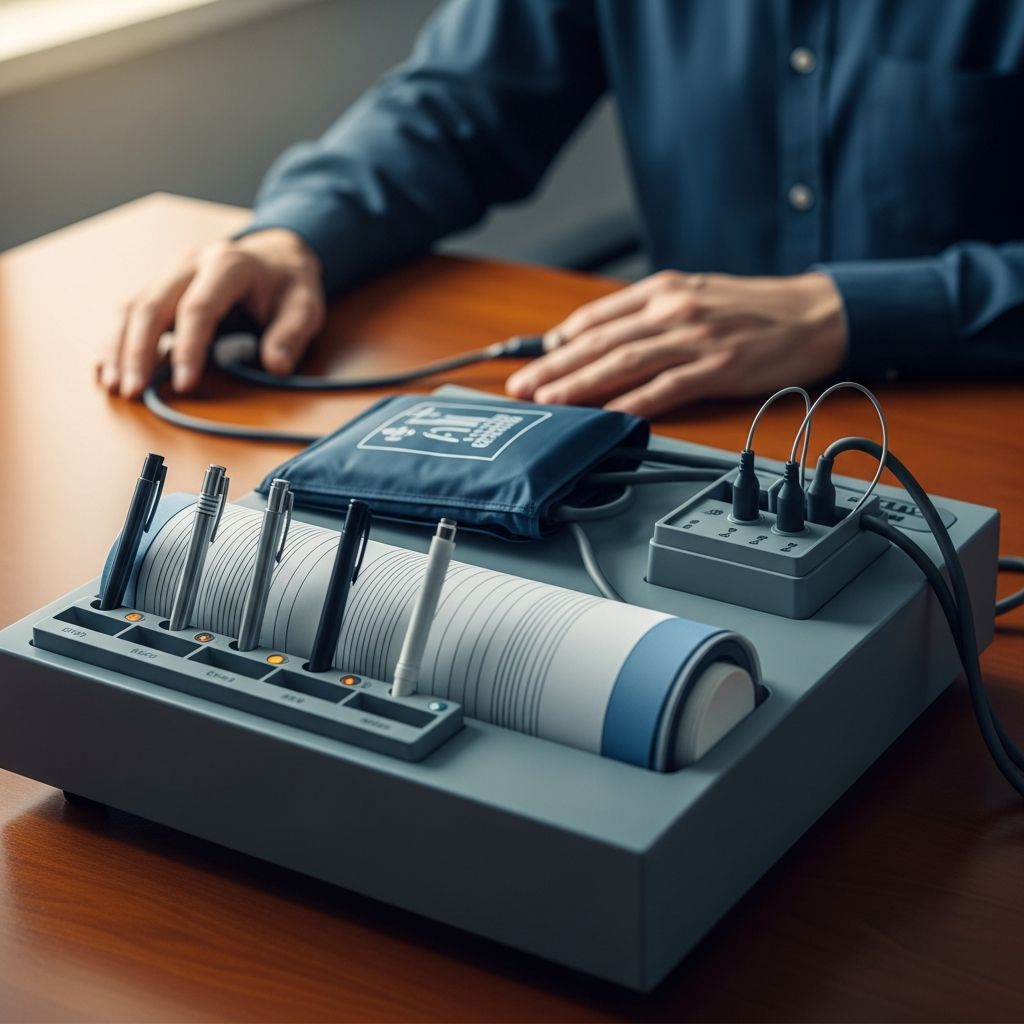
Polygraph examinations, commonly known as lie detector tests, measure physiological responses to detect deception. Success hinges on preparation, honesty, and stress management rather than tricks.
Understanding Polygraph Technology and Its Mechanisms
Modern polygraphs record multiple bodily functions including heart rate, blood pressure, respiration, and skin conductivity. These metrics establish a baseline during a pre-test phase, allowing examiners to compare reactions to specific questions.
The device does not directly detect lies but identifies stress indicators that may suggest deception. Examiners interpret charts for patterns, such as spikes in responses to relevant questions compared to controls.
- Heart rate and blood pressure: Monitored via arm cuff to track cardiovascular changes.
- Respiration: Pneumographs on chest and abdomen detect breathing irregularities.
- Skin conductivity: Electrodes measure sweat-induced electrical changes on fingers.
- Movement sensors: Additional tools spot deliberate distortions like tensing muscles.
Examiners undergo extensive training to spot countermeasures, ensuring test integrity even against attempted manipulations.
Types of Questions in a Standard Polygraph Exam
Polygraph tests feature three question categories to differentiate truthful responses from deceptive ones.
| Question Type | Description | Example | Purpose |
|---|---|---|---|
| Irrelevant | Neutral, non-threatening queries | Is your name John? | Establish normal baseline |
| Control (Probable-Lie) | Broad questions prompting guilt in most people | Have you ever taken something not yours? | Elicit stress for comparison |
| Relevant | Directly tied to the investigation | Did you leak confidential data? | Assess truth on key issues |
During the Directed Lie Test (DLT), examinees intentionally lie to known facts, creating a deliberate stress response for calibration.
Physical and Mental Preparation Essentials
Optimal performance starts with self-care. A restful night’s sleep stabilizes physiological responses, while a nutritious meal prevents blood sugar fluctuations that mimic stress.
Engage in light exercise like jogging beforehand to burn off anxiety and promote endorphin release. Caffeine in moderation can sharpen focus without overstimulating the nervous system.
- Get 7-9 hours of sleep the night before.
- Eat a balanced breakfast with protein and complex carbs.
- Practice deep breathing: Inhale for 4 counts, hold 4, exhale 4.
- Arrive early to acclimate to the environment.
Dress professionally to boost confidence and make a positive impression on the examiner.
Building Rapport and Mastering Examiner Interaction
Treat the examiner as an ally, not an adversary. Friendly eye contact, a firm handshake, and polite responses foster trust.
Avoid nervous habits like fidgeting or glancing away, as they signal discomfort. Maintain steady posture and speak clearly.
During the pre-test interview, listen carefully to question phrasing. Rapport-building clarifies ambiguities, reducing surprises.
Optimal Response Techniques During the Test
Stick to concise yes/no answers without elaboration, as rambling can appear evasive. Never alter a response mid-test, as consistency is key.
Visualize truthful scenarios for relevant questions to reinforce calm. For controls, acknowledge minor past imperfections mentally without dwelling.
Breathe evenly throughout; irregular patterns alert examiners to tension.
Common Myths and Ineffective Countermeasures Exposed
Internet folklore promotes tactics like tacks in shoes or tongue-biting to spike pain during truths, masking lies. These fail because modern sensors detect unnatural patterns.
- Tack in shoe: Causes inconsistent spikes; motion sensors flag it.
- Controlled breathing or muscle tensing: Baselines expose deviations.
- Alcohol or drugs: Impair clarity and are easily detectable.
Experienced polygraphers use baseline comparisons and motion detectors to invalidate manipulated results.
Why Honesty Remains the Ultimate Strategy
Lying risks immediate disqualification, especially in high-stakes fields like law enforcement. Truthfulness allows context for past errors, demonstrating growth.
Polygraphs measure stress, not perfection. Most fail due to anxiety over minor issues, not major crimes. Departments value integrity over flawless histories.
Post-Test Debrief and Next Steps
Examiners often review results immediately. Stay composed regardless of feedback; inconclusive outcomes may prompt retests.
Reflect on the experience to refine future performances. Honesty in follow-up interviews solidifies your candidacy.
Frequently Asked Questions (FAQs)
Can nervousness cause a polygraph failure?
Yes, excessive anxiety can mimic deception signals. Preparation and truthfulness mitigate this.
Are polygraphs admissible in court?
Rarely; they support investigations but lack universal legal reliability.
How long does a polygraph test last?
Typically 2-4 hours, including pre-test discussion and multiple chart runs.
Do countermeasures ever work?
Against trained examiners, no; they trigger detection protocols.
Should I disclose past minor infractions?
Yes, upfront honesty prevents escalation during the test.
Ethical Considerations in Polygraph Use
Polygraphs aid hiring by filtering dishonesty but raise privacy concerns. Ethical use involves informed consent and clear protocols.
Candidates should know rights, including refusal options in non-mandatory contexts.
References
- The Police Polygraph Test: Essential Tips to Pass With Ease — GoLawEnforcement. 2023. https://golawenforcement.com/articles/how-to-master-the-police-officer-polygraph-test/
- I Beat A Lie Detector Test! — YouTube (Scishow). 2018-10-15. https://www.youtube.com/watch?v=mdxh-zHEe3Y
- Can You Beat a Polygraph? Countermeasures Explained — PolyTest.org. 2024. https://www.polytest.org/countermeasure-detection-polygraph-exams/
- How to Pass the Polygraph — Santa Clara Police Department (IAMSCPD). 2023. https://iamscpd.org/polygraph-psych-medical

Medha Deb is an editor with a master's degree in Applied Linguistics from the University of Hyderabad. She believes that her qualification has helped her develop a deep understanding of language and its application in various contexts. Medha specializes in the areas of beauty, health, sports, and wellness and is committed to ensuring that the content on the website is…