
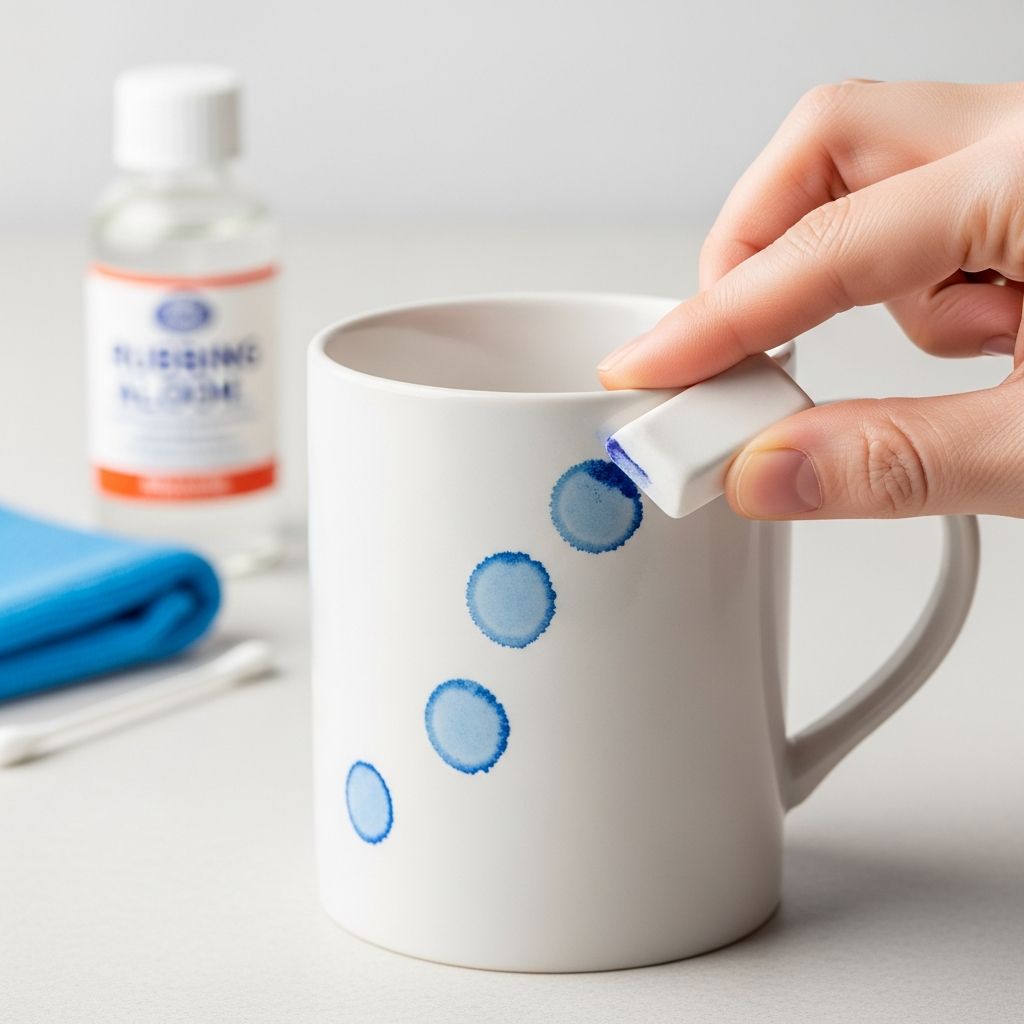
Ballpoint pen ink accidents happen to everyone—from smudges on favorite shirts to marks on important documents. These oil-based stains cling stubbornly to fabrics, skin, and surfaces, but with the right approach, you can lift them effectively without causing damage. This guide explores tailored strategies for different materials, emphasizing quick action, gentle solvents, and preventive measures to restore items to pristine condition.
Understanding Ballpoint Ink and Why It Stains
Ballpoint ink consists primarily of dyes suspended in oil or glycol carriers, making it resistant to water alone. Unlike water-based inks from markers or gel pens, this composition allows it to penetrate fibers deeply upon drying. Acting fast prevents the ink from setting, as heat or prolonged exposure can make removal challenging.
Key factors for success include blotting excess ink first, using solvents that dissolve the oil base, and avoiding aggressive rubbing that spreads the stain. Test treatments on inconspicuous areas, especially for colored or delicate items.
Removing Ink from Fabrics and Clothing
Fabrics demand careful handling to avoid color bleeding or fiber damage. Most methods rely on isopropyl alcohol or similar solvents, combined with detergents for residue removal.
Primary Method: Isopropyl Alcohol Technique
- Place a paper towel or cloth under the stain to absorb lifted ink.
- Moisten a cotton ball with rubbing alcohol (70-90% isopropyl) and dab gently from the edges inward.
- Blot with a dry cloth as ink transfers; repeat until faded.
- Apply dish soap, massage lightly, and rinse with cold water.
- Launder normally, checking the stain is gone before drying.
This approach excels on cotton, polyester, and blends, often yielding near-complete removal with patience.
Alternatives for Stubborn or Delicate Fabrics
- Hand Sanitizer or Hairspray: High alcohol content mimics rubbing alcohol; apply sparingly, blot, and wash.
- Dish Soap Paste: Mix with baking soda for a mild abrasive; ideal for fresh stains on sturdy cottons.
- Acetone (Nail Polish Remover): Effective but risky for synthetics; test thoroughly and dilute if needed.
| Method | Best For | Effectiveness | Risk Level |
|---|---|---|---|
| Isopropyl Alcohol | Cotton, blends | High (4/5) | Low |
| Hand Sanitizer | Quick fixes | Medium-High | Low |
| Acetone | Tough stains | High | Medium (color fade) |
| Dish Soap | Fresh stains | Medium | Very Low |
For silk or wool, dilute alcohol and spot-treat only, or seek professional cleaning.
Clearing Ink from Skin Safely
Skin stains fade naturally but can be accelerated without irritation. Opt for non-toxic options.
- Soap and Warm Water: Lather gently for light marks; rinse repeatedly.
- Oil Rubdown: Use baby oil or olive oil to dissolve ink, then soap off.
- Alcohol Wipe: Dab with a cotton pad, follow with moisturizer to prevent dryness.
Avoid harsh chemicals on sensitive skin; children may need milder approaches like oil.
Rescuing Paper and Documents
Dried ink on paper requires precision to avoid smearing or tearing.
Non-Abrasive Absorption
- Blot fresh ink with tissue using light pressure from a blunt tool.
- For dried stains, use a barely damp alcohol swab; touch lightly without rubbing.
- Allow to air dry; repeat sparingly.
Acidic options like diluted lemon juice work for faint marks but risk paper yellowing.
Handling Leather and Upholstery
Leather’s porous nature suits alcohol-based care, followed by conditioning.
- Dab with alcohol swab, blot dry, and apply conditioner.
- For upholstery, vacuum first, then treat small areas with soap solution.
Test in hidden spots; suede needs specialized brushes or professionals.
Advanced Tips and Common Mistakes
Pro Tips:
- Always blot, never scrub.
- Use cold water rinses to prevent setting.
- For dryers: Air dry until stain-free.
- Combine methods: Alcohol then soap boosts efficacy.
Avoid: Hot water, vigorous rubbing, untested chemicals on delicates.
Prevention Strategies for Ink Mishaps
Minimize accidents with protective sleeves on pens, designated writing zones, and quick-response kits stocked with alcohol and cloths. Washable covers for school bags or workspaces add barriers.
Frequently Asked Questions (FAQs)
Can hand sanitizer really remove ink from clothes?
Yes, its high isopropyl alcohol content breaks down ink effectively; dab, blot, and launder.
Is acetone safe for all fabrics?
No, it risks dissolving synthetics or fading colors; use only after testing.
How do I remove set-in ink stains?
Repeat alcohol-dish soap cycles; for old stains, add baking soda paste before washing.
What’s best for white clothes vs. dark?
Alcohol works universally, but whites tolerate acetone better without fading risks.
Can I use these methods on carpet?
Yes, blot with alcohol, then shampoo; avoid over-wetting to prevent mold.
Conclusion: Restore with Confidence
Equipped with these techniques, ink stains become manageable nuisances rather than disasters. Quick action and material-specific care ensure lasting results across surfaces.
References
- How to Remove Ballpoint Pen Ink: Proven Methods for Clothes, Paper, and Skin — Bastion Bolt Action Pen. 2023-10-15. https://bastionboltactionpen.com/blogs/news/how-to-remove-ballpoint-pen-ink-proven-methods-for-clothes-paper-and-skin
- How to Get Ink Out of Clothes — Seventh Generation. 2024-05-22. https://www.seventhgeneration.com/blog/how-to-get-ink-out-of-clothes
- I Tried 5 Methods to Get Ink Out of Clothes — Here’s the Best — Apartment Therapy. 2023-11-08. https://www.apartmenttherapy.com/how-to-get-ink-out-of-clothes-37365913
- How to Remove Ink Stains from Clothes — Maytag. 2024-02-14. https://www.maytag.com/blog/washers-and-dryers/how-to-remove-ink-stains-from-clothes.html

Medha Deb is an editor with a master's degree in Applied Linguistics from the University of Hyderabad. She believes that her qualification has helped her develop a deep understanding of language and its application in various contexts. Medha specializes in the areas of beauty, health, sports, and wellness and is committed to ensuring that the content on the website is…