
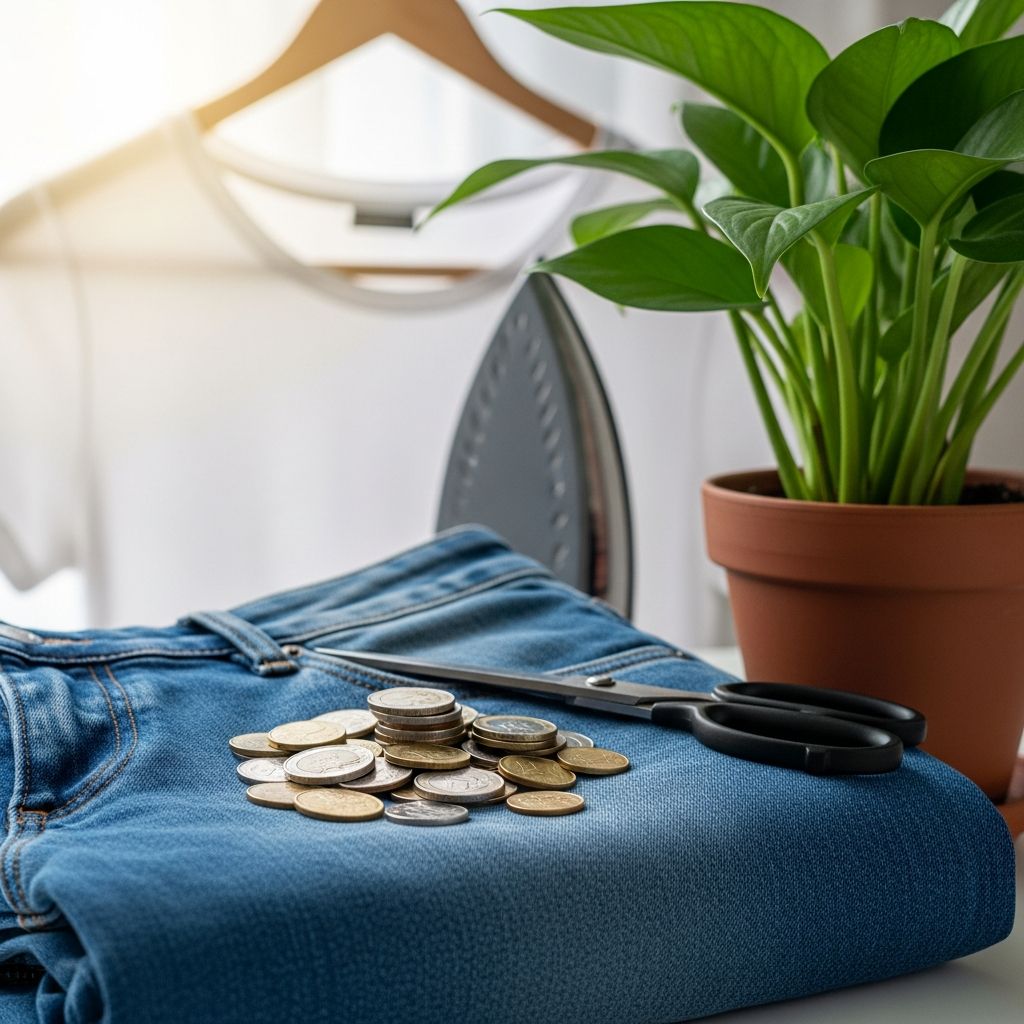
Building a wardrobe that looks great without overspending requires intentional choices. By focusing on sustainable practices, strategic purchases, and proper care, individuals can significantly lower their clothing budget while maintaining style and quality.
Assess Your Current Wardrobe Needs
Before any purchase, evaluate what you already own. Identify gaps in your collection, such as versatile basics that mix and match with existing pieces. This prevents impulse buys and ensures new items enhance your outfits.
- Inventory your closet: Categorize clothes by type, color, and usage frequency.
- Prioritize multi-purpose garments: Aim for pieces that create at least three complete looks.
- Follow a ‘one-in, one-out’ policy: Donate or sell an old item for every new addition to avoid clutter.
This approach promotes mindful consumption and extends the life of your wardrobe.
Embrace Secondhand Shopping
Thrift stores, consignment shops, and online resale platforms offer high-quality clothing at fractions of retail prices. The secondhand market is booming, projected to hit substantial growth as shoppers seek sustainable options.
Local thrift stores provide affordable basics like jeans and tees, often at rock-bottom prices. Consignment outlets curate upscale items in excellent condition, bridging the gap between budget and luxury. Digital marketplaces such as Poshmark, ThredUp, and eBay allow filtering by brand, size, and style for precise finds.
| Type | Best For | Pros | Cons |
|---|---|---|---|
| Thrift Stores | Casual wear | Very low prices, unique finds | Requires sorting, variable quality |
| Consignment Shops | Designer pieces | Vetted quality, higher-end | Slightly higher cost |
| Online Platforms | Specific brands/sizes | Convenience, vast selection | Shipping fees |
Pro tip: Search for favorite brands from your closet to snag deals on similar styles.
Leverage Off-Season and Sale Opportunities
Timing purchases around seasonal shifts yields massive savings. Retailers discount outgoing inventory to make room for new arrivals. For instance, stock up on winter coats in spring or summer dresses in fall.
Subscribe to store newsletters briefly around anticipated needs, then unsubscribe to curb temptations. International shopping exploits opposite hemispheres’ seasons—U.S. shoppers can buy current-season gear cheaply from Australian sites during their off-period.
- Monitor clearance racks year-round.
- Track major sales events like Black Friday or end-of-season clearances.
- Set personal rules: Never pay full price; target at least 25-50% off.
Organize Clothing Swaps and Community Exchanges
Refresh your style for free through swaps with friends, family, or local groups. These events foster community while redistributing gently used items.
Host your own: Invite same-size peers, sort clothes by category, and trade favorites. Online searches or Facebook Events reveal public swaps hosted by churches, neighborhoods, or eco-groups. Family hand-me-downs work well for kids’ clothing, passing items between siblings or cousins.
This method not only saves money but reduces waste, aligning with sustainable fashion trends.
Opt for Quality Over Quantity
Invest in durable pieces that withstand frequent wear. Calculate ‘cost per wear’ by dividing price by expected uses—a $100 jacket worn 100 times costs $1 per outing, cheaper than a $20 fast-fashion equivalent discarded after five wears.
Look for sturdy fabrics, reinforced seams, and quality brands known for longevity. Neutral colors like black, navy, and gray form a flexible base for endless combinations.
Explore Rental Services for Special Occasions
For weddings, galas, or interviews, rent instead of buying. Men’s formalwear is straightforward via traditional shops; women’s options abound online with subscription models—remember to cancel post-use.
This keeps one-off outfits affordable and out of your closet long-term.
Utilize Brand Resale and Trade-In Programs
Many labels like Patagonia, Lululemon, and others run resale sections or trade-ins. Send back used items for credit toward pre-loved stock, creating a circular economy.
Check brand sites for ‘worn wear’ or similar initiatives offering discounted, inspected secondhand goods.
Master Clothing Care and Repairs
Extend garment life through proper maintenance. Follow care labels, treat stains promptly, and learn basic sewing like hemming or button replacement.
These skills prevent premature disposal, multiplying savings from each purchase.
- Wash in cold water to preserve colors and fabrics.
- Air dry when possible to avoid shrinkage.
- Store properly: Cedar blocks deter moths; breathable bags protect delicates.
Negotiate Discounts and Use Tools
In-store, politely ask cashiers for coupons or employee perks. Online, browser extensions like Honey auto-apply codes. Rewards programs from ethical retailers offer cashback without high-interest traps.
Follow brands on social media for flash sales and exclusive codes.
Building a Capsule Wardrobe on a Budget
A capsule consists of 20-40 timeless essentials that interchange seamlessly. Focus on basics: tailored pants, crisp shirts, a blazer, comfortable shoes.
Expand with accessories for variety without bulk. This streamlined system minimizes decisions and maximizes value.
Frequently Asked Questions
How much can I save by thrifting?
Savings vary, but expect 50-90% off retail, especially on brands. Examples include designer shoes for $10 or boots totaling $80.
Is secondhand clothing hygienic?
Most items are laundered; wash upon purchase. Consignment often inspects and cleans professionally.
What’s the best time for off-season buys?
Early season-end: Summer gear in September, winter in April-May.
Should I buy store credit cards for rewards?
Only if you pay off monthly; high APRs (25%+) can negate savings.
How do I start a clothing swap?
Invite 4-6 friends, categorize items, set swap rules, and donate leftovers.
Long-Term Savings Impact
Implementing these habits can slash clothing expenses by hundreds annually. Combine strategies—like thrifting basics, renting formals, and repairing favorites—for compounded effects. Track spending monthly to refine your approach.
References
- 16 Ways to Save Money on Clothes — How to Money. 2023. https://www.howtomoney.com/save-money-on-clothes/
- Small Steps to Save Money on Clothing — Rutgers NJAES. 2022-01-01. https://njaes.rutgers.edu/sshw/message/message.php?p=Finance&m=1421
- 5 Style Habits to Help Save You Money on Clothes — JK Style. 2023. https://jkstyle.com/shopping/save-money-on-clothes/
- How to Save Money on Clothes in 2024 — AARP. 2024-01-01. https://www.aarp.org/entertainment/beauty-style/how-to-save-money-on-clothes/

Medha Deb is an editor with a master's degree in Applied Linguistics from the University of Hyderabad. She believes that her qualification has helped her develop a deep understanding of language and its application in various contexts. Medha specializes in the areas of beauty, health, sports, and wellness and is committed to ensuring that the content on the website is…