
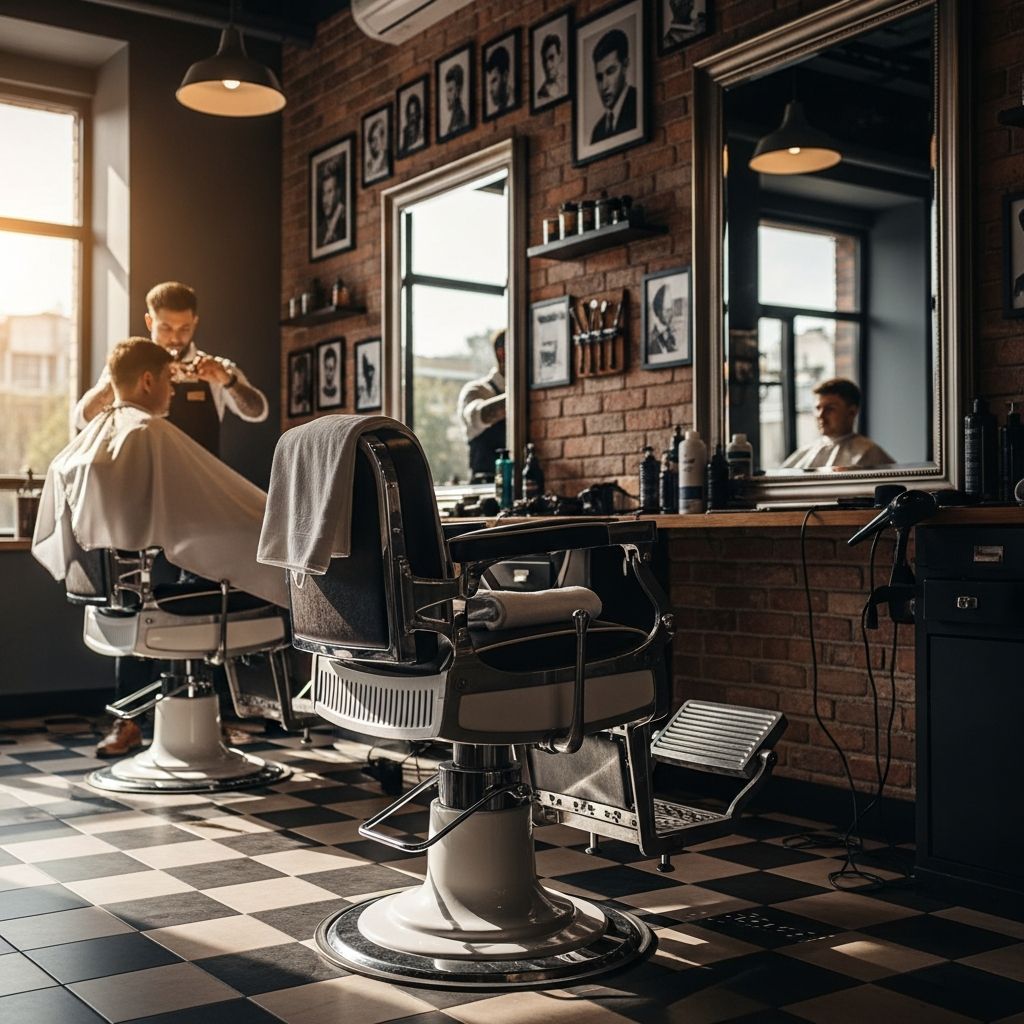
Launching a barber shop demands a blend of technical expertise, business savvy, and dedication to client satisfaction. This guide outlines the critical steps to establish and expand your venture, drawing on established practices for sustainable success.
Essential Qualifications and Certifications
Securing proper credentials forms the foundation of any legitimate barber operation. Most regions mandate completion of an accredited training program, typically spanning 1,000 to 1,500 hours, covering haircutting, shaving techniques, and hygiene protocols.
Following training, candidates must pass a state-administered examination administered by bodies like the Barber Examiners Board or Cosmetology Board. This ensures proficiency in sanitation and safety standards, vital for public health compliance. Shop owners often need personal barber certification or must employ licensed professionals, with shop-specific approvals confirming facility readiness.
- Training Hours: Verify local mandates, often 1,000+ hours in approved schools.
- Exams: Theory and practical tests on cutting, styling, and disinfection.
- Renewals: Licenses require periodic continuing education and fees.
Business Formation and Legal Setup
Choosing the right legal entity protects personal assets and optimizes taxes. Options include sole proprietorship for simplicity, LLC for liability shielding, or corporation for scalability. Consult resources from the U.S. Small Business Administration for tailored advice.
Obtain an Employer Identification Number (EIN) via the IRS for tax reporting, especially if hiring staff. Local business licenses, zoning approvals, and certificates of occupancy confirm your site’s suitability, including fire safety and accessibility.
| Entity Type | Pros | Cons |
|---|---|---|
| Sole Proprietorship | Easy setup, full control | Personal liability |
| LLC | Liability protection, tax flexibility | Formation fees |
| Corporation | Scalable, investor-friendly | Complex compliance |
Financial Planning and Startup Costs
Budgeting accurately prevents early pitfalls. Initial outlays range from $25,000 to $200,000, covering leases, renovations, and gear. Monthly expenses like rent ($15,000–$40,000) demand steady revenue streams.
Funding sources include personal savings, Small Business Administration loans, or investors. Craft a detailed business plan projecting income from services ($20–$50 per cut) and retail sales to secure financing.
- One-Time Costs: Equipment ($8,000–$25,000), build-out, licenses.
- Ongoing: Utilities, payroll, supplies.
- Break-Even: Aim for 20–30 daily clients at average pricing.
Selecting and Preparing Your Location
Prime spots feature high foot traffic, such as urban centers or near offices, with ample parking. Lease agreements should detail utilities and maintenance responsibilities.
Design prioritizes flow: reception, waiting area, stations with mirrors and chairs. Ensure hot/cold water, restrooms, and storage meet regulations. Invest in durable flooring and ventilation for a professional ambiance.
Procuring Equipment and Supplies
Quality tools enhance service and longevity. Core items include adjustable barber chairs, clippers, trimmers, shears, razors, and sterilization units. Sanitation supplies like disinfectants and gloves are non-negotiable for inspections.
Integrate a point-of-sale system for bookings, payments, and inventory. Stock premium products for retail upsells, aligning with your brand—natural, luxury, or budget.
| Category | Key Items | Estimated Cost |
|---|---|---|
| Stations | Chairs, mirrors, sinks | $5,000–$15,000 |
| Tools | Clippers, shears, combs | $1,000–$3,000 |
| Sanitation | Sterilizers, gloves | $500–$2,000 |
Insurance and Risk Management
Protect against liabilities with general, professional, and workers’ compensation policies. These cover slips, cuts, or property damage, often required for leases and licenses.
Health inspections verify cleaning protocols, waste disposal, and tool storage. Regular audits maintain compliance and client trust.
Building Your Team
Hire licensed barbers with strong portfolios and client rapport. Booth rental models allow independents to pay commission or rent, reducing payroll burdens.
Onboard with training on your systems, customer service standards, and scheduling software. Clear expectations for hours, hygiene, and performance foster retention.
Marketing and Client Acquisition
Attract patrons through social media showcases, grand opening promotions, and loyalty programs. Partner with local businesses and optimize Google listings for visibility.
Online booking tools streamline appointments, while referrals from satisfied clients drive growth. Emphasize unique services like hot towel shaves or beard grooming.
- Digital: Instagram reels of transformations.
- Local: Flyers, community events.
- Retention: Memberships for regulars.
Daily Operations and Efficiency
Implement routines for opening/closing, inventory checks, and deep cleans. Software handles scheduling, payroll, and analytics to optimize peak hours.
Track key metrics: client retention (aim 70%+), average ticket ($40+), and utilization rates. Adapt based on feedback for continuous improvement.
Scaling and Long-Term Growth
Once stable, expand via additional locations, mobile services, or product lines. Reinvest profits into training and tech upgrades.
Monitor trends like sustainable products or app-based loyalty to stay competitive. Financial discipline ensures profitability amid economic shifts.
Frequently Asked Questions
Do I need a barber license to own a shop?
Yes, most states require owners to hold a license or employ licensed barbers.
How much does it cost to start?
Expect $25,000–$200,000 total, varying by location and scale.
What permits are essential?
Business license, EIN, occupancy certificate, health approvals.
How to choose equipment?
Prioritize durable, professional-grade tools compliant with sanitation rules.
Best marketing for barbershops?
Social proof via photos/videos and local SEO.
References
- Opening a Barbershop: The Complete Step-by-Step Guide — Square. 2023. https://squareup.com/us/en/the-bottom-line/starting-your-business/open-barbershop-step-by-step-guide
- How to Start a Barbershop: Costs, Requirements & Step-by-Step — Homebase. 2024. https://www.joinhomebase.com/blog/how-to-start-a-barbershop
- How to Open Your Own Salon or Barber Shop — College of Hair Design. 2023. https://collegeofhairdesign.com/how-to-open-your-own-salon-or-barber-shop/
- How to Open a Barber Shop: Step-by-Step Guide for 2025 — Yocale. 2025. https://www.yocale.com/blog/how-to-open-a-barber-shop
- How To Start A Barbershop Business: State Requirements and — YouTube. 2023. https://www.youtube.com/watch?v=i04-fRN7nn8
- PLA: Cosmetology & Barber Licensing Information — IN.gov. 2025. https://www.in.gov/pla/professions/cosmetology-and-barber-home/cosmetology-and-barber-licensing-information/
- How to start a barbershop business — Wolters Kluwer. 2024. https://www.wolterskluwer.com/en/expert-insights/how-to-start-a-barbershop-business

- Integrated M.A. in Applied Linguistics, University of Hyderabad
- 5+ years in editorial, instructional, SEO, and research-based writing
Sneha is a relationships and lifestyle writer with a strong foundation in applied linguistics and certified training in relationship coaching. She brings over five years of writing experience to theskillvault, crafting thoughtful, research-driven content that empowers readers to build healthier relationships, boost emotional well-being, and embrace holistic living. Her writing and insights reflect the belief that beauty, happiness, and wellness…