
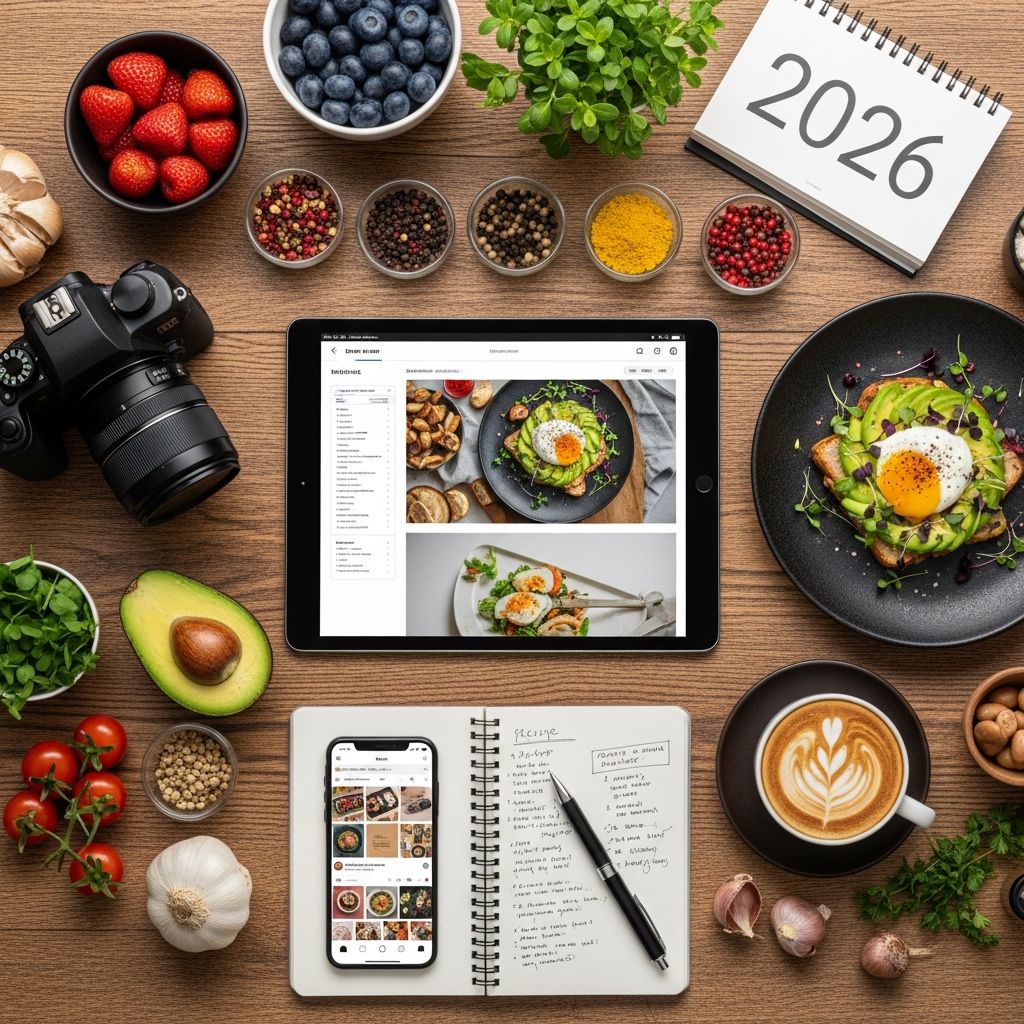
Food blogging has evolved into a dynamic industry where passion for cooking meets digital entrepreneurship. In 2026, standing out requires more than appetizing photos—it’s about strategic planning, audience engagement, and smart monetization. This guide equips aspiring and established bloggers with actionable steps to transform their sites into profitable ventures.
Discovering Your Unique Niche in a Crowded Market
Finding a niche is the foundation of a sustainable food blog. The culinary space is saturated, but opportunities abound in specialized areas that align with your expertise and interests. Focus on underserved segments to attract loyal readers.
- Health-Focused Diets: Target keto, vegan, or gut-friendly recipes, emphasizing nutritional benefits and simple ingredient swaps.
- Cultural Cuisines: Dive into regional specialties, sharing authentic stories and adaptations for home cooks.
- Lifestyle Integrations: Offer meal plans for busy professionals, road trip snacks, or sustainable cooking tips.
- Innovation Angles: Explore food science, ingredient spotlights, or creative uses for leftovers to position yourself as an authority.
Choose a niche you’re passionate about for long-term consistency. Validate demand by researching search trends and competitor gaps.
Building a Professional Blog Foundation
A technically sound website is crucial for user experience and search visibility. Select WordPress for its flexibility, paired with food-friendly themes that prioritize recipe cards and image galleries.
| Essential Plugins | Purpose | Benefits |
|---|---|---|
| Recipe Schema Tools | Structured data for recipes | Rich snippets in search results, higher click-through rates |
| Membership Plugins (e.g., ARMember) | Exclusive content access | Recurring revenue from premium members |
| Social Sharing Buttons | Easy content distribution | Increased traffic from social platforms |
| SEO Optimizers | Keyword integration and speed | Better Google rankings and site performance |
Optimize for mobile responsiveness and fast loading times. Include high-quality photography—professional lighting and styling make recipes irresistible.
Crafting Content That Captivates and Converts
High-quality content drives traffic and retention. Go beyond basic recipes by adding value through storytelling, tips, and visuals.
- Detailed recipes with indexes, scalable servings, prep times, and step-by-step photos.
- Personal anecdotes tied to family traditions or cooking mishaps to build emotional connections.
- Supplementary guides like grocery lists, cost breakdowns, or pairing suggestions.
Incorporate multimedia: short videos for techniques or ASMR-style demos for platforms like TikTok. Repurpose one recipe across blog posts, reels, and newsletters to maximize reach.
SEO Strategies Tailored for Food Blogs
Search engine optimization is non-negotiable in 2026. Food bloggers must master both technical and content SEO to rank for competitive terms.
Keyword Mastery: Target long-tail phrases like “quick vegan dinner with pantry staples” or “gluten-free holiday desserts under 30 minutes.” Use topic clusters—link related content to boost authority.
Seasonal Timing: Publish holiday content 8-12 weeks early for Google indexing. Promote closer to the date on social media.
Technical Essentials: Implement recipe schema markup for star ratings in search results. Internal linking and updated meta descriptions signal freshness to algorithms.
Leveraging Multiple Traffic Channels
Diversify beyond Google. In 2026, successful blogs blend organic search with social, email, and Pinterest traffic.
- Pinterest: Visual pins drive long-term traffic; optimize with keyword-rich descriptions.
- Social Media: Post quick tips on Instagram Reels and TikTok trends adapted to your niche.
- Email Lists: Build with lead magnets like free meal planners; nurture with weekly roundups.
Aim for a multi-channel approach: 40% search, 30% social, 20% email, 10% referrals.
Monetization Roads to Profitability
Turn passion into profit through diverse streams. Start with affiliates and scale to premium offerings.
| Method | Setup Time | Potential Earnings |
|---|---|---|
| Affiliate Links (Amazon, kitchen tools) | Low | 5-20% commissions per sale |
| Display Ads | Medium | $5-25 per 1,000 views |
| Sponsored Posts | High (after traffic build) | $500-$5,000 per post |
| Membership/Digital Products | Medium | Recurring $10-50/month |
| Courses & E-books | High | $47-$197 one-time |
Focus on value: genuine reviews and exclusive content foster trust. Membership sites offer premium recipes and live classes for steady income.
Content Calendar: Planning for Peak Performance
A robust calendar aligns content with seasons, trends, and goals. Plan quarterly, reviewing performance monthly.
- Evergreen: Timeless recipes and guides.
- Seasonal: Holidays planned 3 months ahead.
- Trends: Adapt viral formats like “swicy” dishes to your pillars.
Batch-create content: Shoot 10 recipes in one session. Schedule audits to refresh top performers with new SEO and photos.
Analyzing and Iterating for Growth
Use analytics to refine strategies. Track metrics like traffic sources, bounce rates, and conversions.
- Weekly: Review top pages and traffic spikes.
- Monthly: Update underperformers; prune low-value content.
- Quarterly: Assess monetization ROI and niche expansion.
Tools like Google Analytics and Search Console reveal insights. Adapt to algorithm changes swiftly.
Future-Proofing Against Industry Shifts
2026 brings video dominance and AI tools. Embrace short-form video, voice search optimization, and AI for recipe ideation—but keep human creativity central.
Build community through comments, live sessions, and collaborations. Diversify niches gradually, like adding healthy desserts to a baking blog.
Frequently Asked Questions (FAQs)
What niche should a beginner food blogger choose?
Select based on passion and demand—health diets or cultural foods offer strong potential for differentiation and audience loyalty.
How long until a food blog makes money?
6-12 months with consistent SEO and content; focus on traffic first, then monetize via affiliates and products.
Is recipe schema really necessary?
Yes—it enables rich results, improving visibility by up to 30% in recipe searches.
Can I run a successful single-niche blog like desserts only?
Absolutely; sub-niches like sugar-free options allow depth and expansion while maintaining focus.
How do I handle seasonal content timing?
Publish 8-12 weeks early for SEO; promote 2-4 weeks prior on social channels.
References
- The 2026 Food Blogger Content Planner — WorkinBees. 2026. https://workinbees.com/ultimate-2026-food-blog-calendar/
- Ultimate Guide to Start a Food Blog in 2026 — ARMember Plugin. 2026. https://www.armemberplugin.com/ultimate-guide-to-start-a-food-blog/
- 26 Restaurant Marketing Ideas for 2026 — BarMetrix. 2026. https://www.barmetrix.com/blog/26-restaurant-marketing-ideas-that-drive-revenue

- Integrated M.A. in Applied Linguistics, University of Hyderabad
- 5+ years in editorial, instructional, SEO, and research-based writing
Sneha is a relationships and lifestyle writer with a strong foundation in applied linguistics and certified training in relationship coaching. She brings over five years of writing experience to theskillvault, crafting thoughtful, research-driven content that empowers readers to build healthier relationships, boost emotional well-being, and embrace holistic living. Her writing and insights reflect the belief that beauty, happiness, and wellness…