
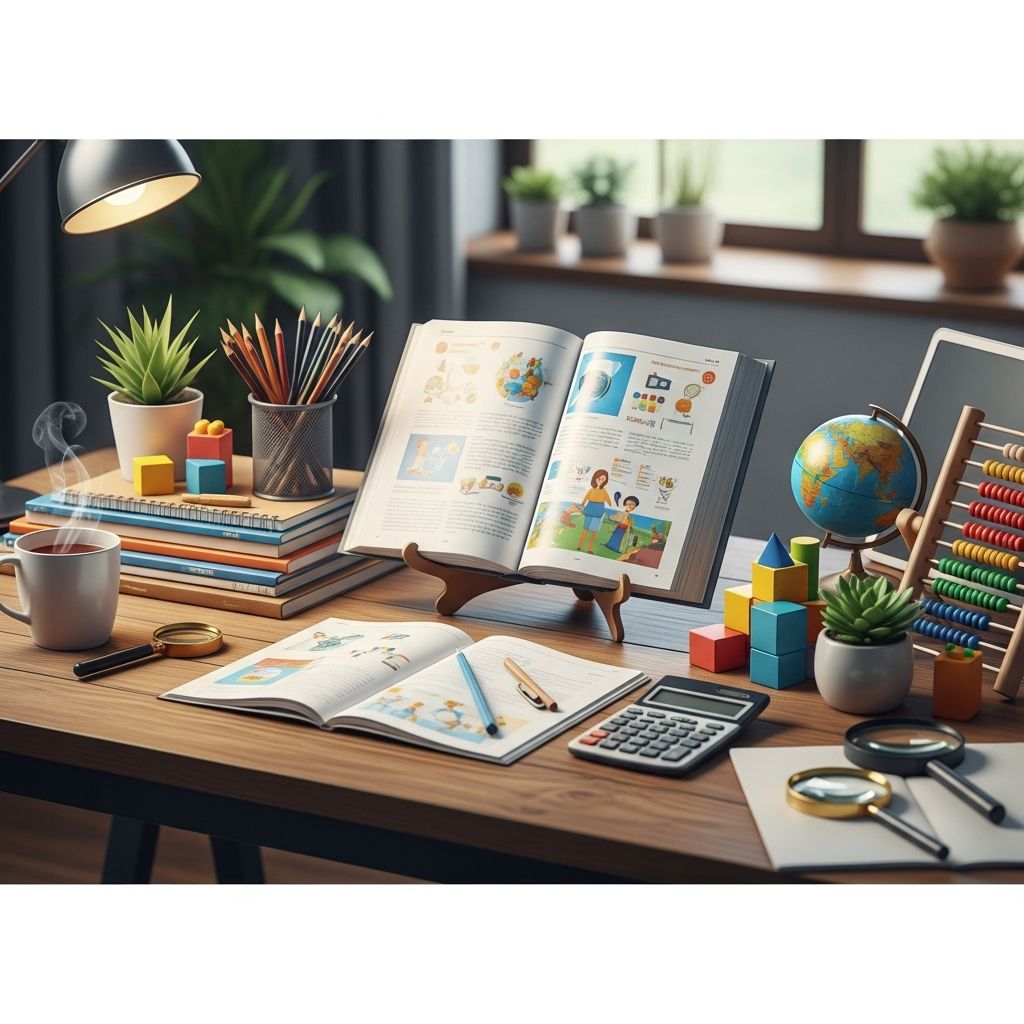
Homeschooling offers families flexibility and personalized learning opportunities. To begin, parents must navigate legal mandates, gather educational tools, and establish supportive routines. This guide covers core elements required for a thriving homeschool environment, drawing from established practices in states like Florida where requirements emphasize parental autonomy.
Navigating Legal Foundations
Every state sets specific rules for homeschooling to ensure children meet compulsory education standards, typically from ages 6 to 16 or 18. In Florida, for instance, parents initiate the process by submitting a notice of intent to the local district superintendent within 30 days of starting. This simple document includes the children’s names, addresses, and birthdates, establishing the home as an education site without annual refiling.
Other states vary: some demand approval from school boards, high school-level qualifications for instructors, or adherence to approved subjects like math, reading, and science. Connecticut may require a filed intent letter, while Oklahoma mandates 180 instructional days with progress logs. Always consult your state’s department of education for precise guidelines.
- File initial notification: Alerts authorities to your program, often a one-time step.
- Comply with age rules: Covers school-aged children under compulsory laws.
- Avoid private tutor pitfalls: In Florida, tutors need certification and handle 180-day attendance.
Documentation and Progress Tracking
Maintaining records proves educational continuity. Florida law requires a portfolio kept for two years, containing work samples, reading lists, and progress narratives. Annual evaluations—via standardized tests or certified reviews—must be submitted to the district, ensuring sequential skill development without dictating subjects.
| Documentation Type | Purpose | Florida Specifics |
|---|---|---|
| Portfolio | Shows daily work and advancement | Retain 2 years; includes samples, logs |
| Annual Evaluation | Verifies progress | Test or portfolio review; submit to district |
| Notice of Intent | Legal start | One-time filing with superintendent |
Umbrella schools simplify this by managing paperwork, offering compliance under private oversight while retaining curriculum control.
Selecting the Right Curriculum
No universal subjects are mandated nationwide, but core areas like English, math, science, social studies, and arts provide balance. Florida parents align with public standards voluntarily: 4 English credits, 4 math (Algebra I+), 3 sciences (2 labs), 3 social studies, 2 foreign languages, 1 fine art, 1 PE, 8 electives for high school diplomas.
Options abound:
- Pre-packaged programs: Comprehensive like Time4Learning, covering cores plus electives in coding or art.
- Custom builds: Mix textbooks, online courses (e.g., FLVS Flex), co-ops for socialization.
- Umbrella-guided: Structured support without daily oversight.
High schoolers benefit from dual enrollment for college credits, enhancing transcripts for scholarships like Florida Bright Futures.
Building Your Learning Environment
A dedicated space fosters focus, though not legally required. Designate zones: quiet reading nooks, supply shelves, table work areas. Libraries and free resources extend reach, turning everyday life into lessons.
Essential supplies include:
- Textbooks, workbooks, manipulatives for hands-on math/science.
- Digital tools: laptops, educational apps, high-speed internet.
- Art/physical supplies for electives.
Crafting Schedules and Routines
Flexibility defines homeschooling, but structure prevents drift. Aim for 180-200 days yearly in some states, blending cores with enrichment. Tools like activity planners track lessons, balancing academics and breaks.
Sample daily flow:
- Morning: Core subjects (2-4 hours).
- Afternoon: Electives, projects, outdoor time.
- Evening: Read-alouds, review.
Adapt for ages: Younger kids thrive on play-based, teens on independent study.
Social Opportunities and Extracurriculars
Homeschoolers access co-ops, sports, scouts, and community classes for peer interaction. In Florida, public school electives or FLVS options integrate socialization. These build resumes with letters from mentors.
High School and Beyond
Diploma issuance falls to parents; compile transcripts with credits matching state standards. Colleges accept homeschoolers via SAT/ACT scores, portfolios, and recommendations. Florida’s scholarships reward rigorous paths.
Financial and Community Support
Tax credits, scholarships, and reimbursements vary. Join networks like HSLDA for advocacy and resources.
Frequently Asked Questions
Do parents need teaching credentials?
No, Florida and most states require no certification; passion and planning suffice.
What if I need help with records?
Umbrellas or co-ops handle compliance; portfolios are straightforward DIY.
How many hours daily?
No mandated hours; focus on progress over seat time.
Can homeschoolers attend public school part-time?
Yes, for sports or classes in many districts.
What about college admission?
Strong tests, transcripts, and activities ensure success.
This setup empowers families to tailor education effectively. Start with your state’s liaison for personalized guidance.
References
- Homeschooling in Florida Requirements — All About Learning Press. 2023-2024. https://www.allaboutlearningpress.com/blog/homeschooling-in-florida/
- Homeschooling in Florida: Guidance for Getting Started — Sonlight. 2024. https://www.sonlight.com/pages/homeschooling-in-florida
- Homeschooling Requirements by States — U.S. Career Institute. 2024. https://www.uscareerinstitute.edu/blog/homeschool-requirements-by-state
- Start Homeschooling in Florida — Time4Learning. 2024. https://www.time4learning.com/blogs/how-to/florida
- 9 Simple Rules for Homeschooling Your Child in Florida — Florida Virtual School. 2024-04-08. https://flvs.net/b/blog/2024/04/08/9-simple-rules-for-homeschooling
- Florida Homeschool Laws Made Simple (2025 Guide) — Miacademy. 2025. https://miacademy.co/homeschool-curriculum/by-state/florida-homeschool-laws/
- How to Comply with Florida’s Homeschool Law — HSLDA. 2024. https://hslda.org/post/how-to-comply-with-floridas-homeschool-law
- Home Education — Florida Department of Education. 2024. https://www.fldoe.org/schools/school-choice/home-edu/

- Integrated M.A. in Applied Linguistics, University of Hyderabad
- 5+ years in editorial, instructional, SEO, and research-based writing
Sneha is a relationships and lifestyle writer with a strong foundation in applied linguistics and certified training in relationship coaching. She brings over five years of writing experience to theskillvault, crafting thoughtful, research-driven content that empowers readers to build healthier relationships, boost emotional well-being, and embrace holistic living. Her writing and insights reflect the belief that beauty, happiness, and wellness…