
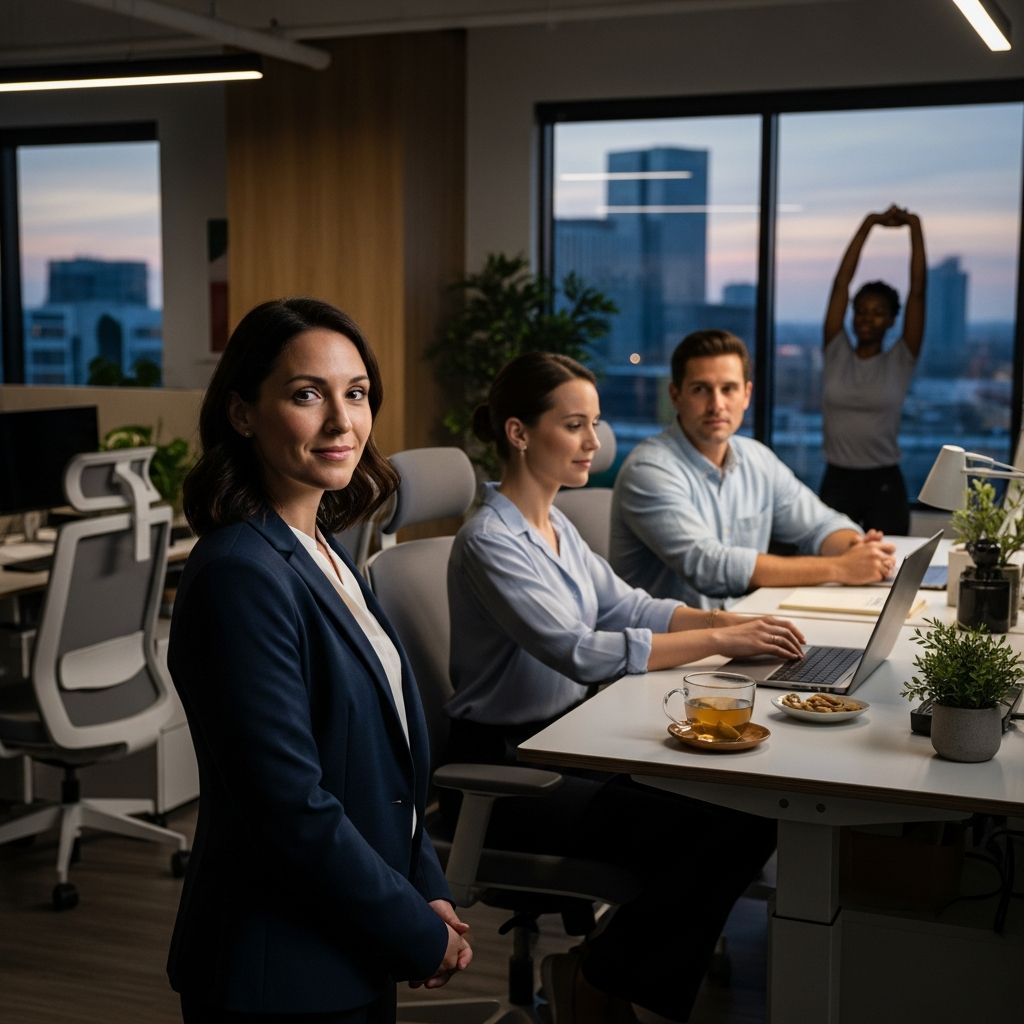
Navigating the Demands of Extended Work Hours
Extended workdays present unique challenges that extend far beyond simple time management. When individuals consistently work significantly longer than standard hours, they face compounded physical and mental demands that require deliberate, strategic responses. Rather than accepting fatigue and stress as inevitable consequences, establishing systematic approaches to personal wellness becomes not just beneficial but essential for long-term sustainability and career longevity.
The reality of extended work schedules demands that professionals treat their wellbeing with the same rigor they apply to their job responsibilities. This means recognizing that personal health is not a luxury or afterthought but a foundational requirement for performing at peak levels during demanding periods.
Strategic Nutrition: Fueling Performance Throughout Extended Days
One of the most overlooked aspects of managing long workdays is maintaining consistent, appropriate nutrition. When individuals skip meals or rely on convenience foods, they experience energy crashes that severely impact cognitive function, emotional regulation, and work quality. The relationship between food intake and workplace behavior is direct and immediate.
The key to effective nutrition during extended workdays lies in preparation and accessibility. Rather than hoping to find time for meals or relying on vending machine options, professionals should establish a system that makes healthy eating the path of least resistance.
Creating Your Workplace Food Infrastructure
Consider establishing a dedicated storage system at your workplace specifically for food and beverage supplies. This might include a desk drawer, cabinet space, or even a small cooler, depending on your work environment and the types of foods you prefer. The investment in this infrastructure pays dividends through increased energy, improved mood, and enhanced focus.
Stock your workspace with items that are simple to prepare, don’t require extensive cleanup, and provide sustained energy. Whole grain options, proteins, and natural sweeteners work better than heavily processed alternatives. Having your supplies immediately available eliminates the friction that often leads to skipped meals or poor food choices when time feels tight.
Managing Energy Fluctuations
Beyond breakfast and lunch, maintaining consistent energy throughout extended workdays requires strategic snacking. Light, nutrient-dense options work better than heavy foods that can create afternoon sluggishness. Keep backup options available in unexpected locations—your car, a desk drawer, or your bag—to manage situations where your regular schedule gets disrupted.
The psychological benefit of knowing you have reliable nutrition options available cannot be overstated. This security reduces anxiety about potential energy crashes and allows you to focus on work rather than worrying about hunger.
Physical Preparation and Organizational Systems
When alarm clocks ring hours before sunrise and exhaustion clouds judgment, the mental bandwidth required to make decisions diminishes significantly. Extended workdays consume cognitive resources that would normally go toward basic organization. Implementing systems that reduce decision-making requirements in early morning hours becomes critically important.
Streamlining Morning Routines
The evening before represents an ideal opportunity to eliminate dozens of small decisions from your morning. Laying out complete outfits, including accessories and footwear, means you can dress without engaging higher-order thinking. Checking clothing for damage or stains the night before prevents last-minute wardrobe problems.
Beyond clothing, organize other essentials in a consistent, dedicated location. Keys, identification badges, medication, glasses, wallets, and phones should have a designated spot where you place them every single evening. This consistency means that even when your mind is foggy and your eyes barely open, muscle memory guides you to everything you need.
Emergency Backup Supplies
Extended workdays sometimes involve unexpected disruptions. Meetings run late. Projects require immediate attention. Situations arise that force you to remain at work longer than planned or change your schedule entirely. Maintaining backup supplies at your workplace addresses these contingencies.
Keep extra clothing items, including undergarments and a complete shirt or two, readily accessible in your workspace. Include stain removal products and other small repair supplies that can address minor wardrobe emergencies. These items take minimal space but provide significant peace of mind and prevent small mishaps from derailing your day.
Similarly, maintain duplicates of items you rely on daily: keys, glasses, toiletries, and other essentials. This redundancy ensures that forgetting an item at home or experiencing loss doesn’t cascade into additional stress during an already demanding day.
Integrating Physical Activity Into Compressed Schedules
The assumption that extended workdays eliminate exercise opportunities represents a fundamental misunderstanding. Research consistently demonstrates that physical activity directly supports cognitive function, emotional regulation, and sustained energy—precisely the capacities needed during demanding work periods. Rather than viewing exercise as something to sacrifice when schedules compress, successful professionals prioritize it as a prerequisite for optimal performance.
Flexible Fitness Approaches
The traditional model of hour-long gym sessions may not fit within extended workday schedules, but this doesn’t mean fitness must be abandoned. Even brief periods of elevated heart rate produce measurable improvements in focus and energy. Identifying smaller windows—whether early morning, during breaks, or during lunch hours—allows you to maintain physical activity despite schedule constraints.
Home-based workouts eliminate travel time and offer maximum flexibility. Preparing your exercise environment the night before—selecting videos, testing audio, laying out equipment—removes barriers that typically prevent people from following through on fitness intentions. Making exercise literally as easy as pressing play increases the likelihood of consistent participation.
Incorporating Movement Throughout the Workday
Opportunities for movement exist throughout the workday beyond dedicated exercise sessions. Stairwells provide accessible cardiovascular activity. Short walking breaks refresh both body and mind. Keeping resistance equipment or other fitness tools within your workspace removes the excuse of inconvenience.
The specific type of physical activity matters less than consistency and regularity. High-intensity interval training offers efficient energy boosts for time-constrained professionals. Gentler movement practices build resilience through the psychological benefits of intentional self-care. The key is finding approaches that fit your preferences and schedule.
Mental Resilience and Intentional Recovery
Extended workdays challenge mental health and emotional stability in ways that physical preparation alone cannot address. The cognitive load of complex work, combined with chronic fatigue, elevates stress hormones and compromises emotional regulation. Deliberately building recovery practices into your routine becomes as important as nutrition and exercise.
Microbreaks and Mental Resets
Rather than pushing through fatigue continuously, scheduling brief recovery periods preserves overall performance. These microbreaks function as maintenance activities, not distractions. A five-minute walk, breathing exercises, or simply stepping away from your desk provides measurable improvements in subsequent focus and productivity.
The paradox of extended workdays is that taking strategic breaks actually increases total output by maintaining consistent cognitive performance. Approaching breaks with the same seriousness as meetings—scheduling them, protecting them from interruption, and keeping the commitments to yourself—ensures they happen.
Managing Decision Fatigue
Extended workdays create extraordinary demands on your decision-making capacity. Reducing unnecessary decisions in other life areas preserves mental energy for work. Establishing consistent routines for recurring decisions—meals, clothing, exercise—means you make these choices once rather than repeatedly.
Within work itself, identifying three daily priorities prevents the trap of treating every task as equally urgent. This focus creates clarity and reduces the mental burden of endless options competing for attention.
Building Sustainability Into Your System
The strategies that help survive extended workdays aren’t temporary measures to endure briefly. They’re systematic approaches designed for sustained periods of intensive work. This requires thinking beyond daily survival to weekly and monthly rhythms.
Creating Rhythm and Balance
Even during weeks of extended work hours, incorporating variety prevents monotony and burnout. Assigning themes to different days—administrative tasks one day, creative work another—reduces decision fatigue while maintaining engagement. Preserving at least one completely non-work day, even during intense work periods, provides necessary psychological recovery.
This rhythm acknowledges that humans don’t function at peak levels continuously. Building in variation, even within compressed schedules, actually improves overall performance and resilience.
Rewarding Effort and Progress
Extended workdays demand sacrifice and discipline. Building in meaningful rewards—whether special meals, activities you enjoy, or sleep during your recovery days—acknowledges this effort and provides motivation to maintain your systems. These rewards shouldn’t feel like luxuries but like earned recognition of exceptional effort.
Frequently Asked Questions
Q: Is it possible to maintain exercise during extended workdays?
A: Yes. Rather than requiring hour-long gym sessions, brief periods of physical activity distributed throughout the day provide significant benefits. Morning workouts, lunch-hour exercise, or stairwell activity all contribute to maintaining fitness while adapting to compressed schedules.
Q: How can I prevent hunger from affecting my mood and performance?
A: Establish a dedicated storage system for food at your workplace with simple, nutritious options readily available. Plan meals and snacks ahead of time, and maintain backup options in multiple locations. This prevents the energy crashes and mood changes associated with skipped meals.
Q: What should I keep in backup supplies at work?
A: Include extra clothing items, stain removal products, duplicate keys, glasses, toiletries, and any other essentials you use daily. These backup supplies address unexpected disruptions and prevent small mishaps from creating additional stress during already demanding days.
Q: How much time should I dedicate to exercise during extended workdays?
A: Even 10-15 minutes of elevated heart rate activity produces measurable improvements in focus and energy. Consistency matters more than duration. Identify small windows throughout your day where movement is feasible, whether early morning, during breaks, or lunch hours.
Q: Can microbreaks actually improve productivity during long workdays?
A: Absolutely. Strategic breaks refresh both body and mind, preserving cognitive function and preventing the performance decline that comes with continuous fatigue. Treating breaks with the same priority as meetings ensures they happen and deliver their benefits.
References
- Working Long Hours in 2025 – Productivity Tips — Everhour. 2025. https://everhour.com/blog/working-long-hours/
- 14 tips to survive working long hours and stay productive — Indeed Career Advice. 2024. https://uk.indeed.com/career-advice/career-development/working-long-hours
- Working Long Hours? Here’s How To Survive & Stay Profitable — Memtime. 2024. https://www.memtime.com/blog/how-to-survive-working-long-hours
- I’m Used to Working 16-hour Days — Here’s How I Ensure Every… — Entrepreneur. 2024. https://www.entrepreneur.com/living/im-used-to-working-16-hour-days-heres-how-i-ensure/484392

Medha Deb is an editor with a master's degree in Applied Linguistics from the University of Hyderabad. She believes that her qualification has helped her develop a deep understanding of language and its application in various contexts. Medha specializes in the areas of beauty, health, sports, and wellness and is committed to ensuring that the content on the website is…