
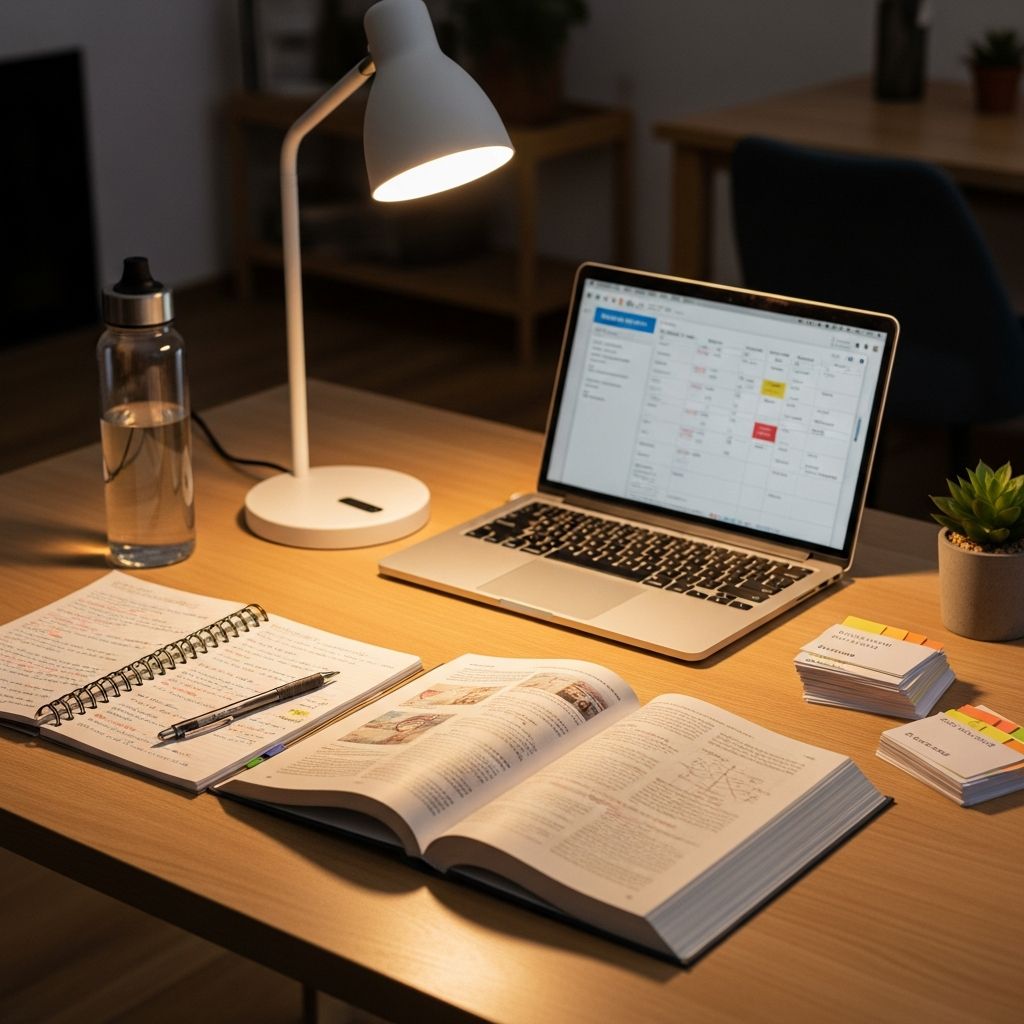
Success in exams demands more than rote memorization; it requires a strategic approach that builds deep understanding and retention. This guide equips you with practical tools to transform chaotic preparation into a streamlined process, drawing on evidence-based methods to boost performance and confidence.
Building a Solid Foundation: Early Preparation Essentials
The journey to exam mastery begins weeks before the test date. Delaying preparation often leads to suboptimal results, as cognitive research highlights the superiority of distributed practice over intensive cramming. Initiate your efforts by compiling a master list of all upcoming assessments, noting dates, formats, and weightings from syllabi and course outlines.
Evaluate each subject’s demands: prioritize based on personal weaknesses, material volume, and grade impact. Tools like digital calendars facilitate this by allowing color-coded blocks for each course, ensuring balanced coverage.
- Scan past quizzes and assignments to pinpoint recurring themes.
- Consult instructor-provided guides or attend office hours for clarity on scope.
- Factor in interconnections between topics for holistic grasp.
This proactive setup minimizes surprises and fosters a sense of control, setting the stage for efficient sessions ahead.
Crafting Your Personalized Study Roadmap
A well-structured plan acts as your roadmap, dividing overwhelming content into digestible segments. Allocate time proportionally—more for challenging areas—while incorporating flexibility for unforeseen needs.
| Study Phase | Key Actions | Duration Suggestion |
|---|---|---|
| Week 1-2: Review & Organize | Condense notes, create summaries | 1-2 hours/day per subject |
| Week 3: Intensive Practice | Self-quizzing, mock tests | 2-3 hours/day |
| Final Days: Polish & Rest | Light review, relaxation | 1 hour/day + breaks |
Employ techniques like the Pomodoro method—25 minutes focused work followed by 5-minute breaks—to sustain concentration and combat fatigue. Track progress daily to adjust dynamically, celebrating small wins to maintain momentum.
Active Learning: Techniques That Stick
Passive reading yields fleeting gains; active engagement cements knowledge. Transform notes into dynamic tools: craft flashcards for terms and formulas, generate self-tests mirroring exam styles, and develop visual aids like concept maps linking ideas.
Handwriting summaries reinforces neural pathways more effectively than digital typing. The ‘brain dump’ exercise—recalling all relevant info onto paper before checking sources—exposes gaps swiftly.
- Flashcard Drills: Use spaced repetition apps for optimal timing.
- Teach-Back: Verbalize concepts to an imaginary audience or peer.
- Problem-Solving: Tackle exercises without aids, reviewing errors thoroughly.
These methods leverage self-testing, proven to enhance long-term recall per cognitive studies.
Optimizing Your Study Environment
A conducive space sharpens focus. Select a quiet, well-lit area free from distractions; silence notifications and use noise-cancelling aids if needed. Organize materials beforehand to avoid interruptions.
Maintain ergonomic comfort to prevent physical strain during extended sessions. Hydrate regularly and keep healthy snacks nearby, as stable blood sugar supports cognitive function.
Harnessing Group Dynamics for Deeper Insight
Collaborative study amplifies individual efforts. Form small groups to quiz each other, debate concepts, and fill knowledge voids collectively. Teaching peers solidifies your own mastery while exposing alternative perspectives.
Set ground rules: assign roles, limit size to 3-5 members, and rotate facilitation. Virtual platforms enable remote participation, broadening access.
- Prepare questions in advance for targeted discussions.
- Rotate explaining topics to ensure active involvement.
- End with individual quizzes to verify retention.
Simulating Real Exam Pressure
Practice under authentic conditions builds resilience. Time full-length mocks in a distraction-free zone, replicating test logistics like open/closed book status.
Analyze results meticulously: categorize errors by type (conceptual, careless) and revisit weak spots. Context-dependent memory improves when study mimics exam settings.
Prioritize high-yield content: core facts first, then likely extensions, reserving peripherals for last.
Daily Routines for Peak Mental Performance
Sustained success hinges on holistic habits. Aim for 7-9 hours of sleep nightly, as deprivation impairs recall and decision-making. Integrate short physical activity—walks or stretches—to refresh the mind.
Fuel with balanced nutrition: omega-3s from nuts and fish aid brain health. Mindfulness practices, like 10-minute meditations, curb anxiety and sharpen focus.
Last-Minute Tactics: Sharpen Without Cramming
In the 24-48 hours prior, shift to light reinforcement: review summaries, flashcards, and one final mock. Avoid new material; consolidate existing knowledge.
Prepare logistics—ID, supplies, directions—to eliminate variables. Visualize success to prime positive mindset.
During the Exam: Execution Strategies
Arrive early, breathe deeply to center yourself. Skim the paper first, tackling confident sections to build momentum. Allocate time per question, flagging tough ones for return.
Read prompts carefully, underlining keywords. For essays, outline before writing; for problems, show work methodically.
Post-Exam Reflection for Future Wins
Afterward, note what worked and adjustments needed. This iterative process refines your approach over time.
Frequently Asked Questions (FAQs)
How far in advance should I start studying for finals?
Begin 2-3 weeks ahead to allow spaced repetition, which research shows boosts retention far beyond cramming.
What’s the best way to handle multiple exams?
Create a prioritized schedule alternating subjects, focusing on high-impact areas first while cycling through all for balanced review.
Are study groups effective?
Yes, when structured; they promote active recall and gap-filling through discussion and mutual quizzing.
How can I overcome procrastination?
Use Pomodoro timers for quick starts, set micro-goals, and pair study with rewards to build habit momentum.
Should I pull all-nighters before exams?
No—sleep consolidates memory; fatigue hinders performance, per learning science consensus.
Advanced Tools and Resources
Leverage apps like Anki for spaced flashcards, Forest for focus gamification, and Notion for customizable planners. Cornell’s structured note-taking—dividing pages into cues, notes, summaries—enhances review efficiency.
For cumulative finals, layer reviews: daily quick scans, weekly deep dives, ensuring comprehensive coverage without overload.
References
- Five-Day Study Plan — Learning Strategies Center, Cornell University. 2023. https://lsc.cornell.edu/how-to-study/studying-for-and-taking-exams/the-five-day-study-plan/
- Best Ways to Study for College Final Exams — Grace Christian University. 2024-04-01. https://gracechristian.edu/blog/best-ways-to-study-for-college-final-exams/
- How to Study for a Cumulative Final [Research-Based Tips] — Mathnasium. 2024. https://www.mathnasium.com/math-centers/lacosta/news/how-to-study-for-cumulative-final
- How to Study for Finals — The Princeton Review. 2025. https://www.princetonreview.com/college-advice/how-to-study-for-finals
- Exam preparation: Ten study tips — TopUniversities. 2023-10-15. https://www.topuniversities.com/student-info/health-and-support/exam-preparation-ten-study-tips

- Integrated M.A. in Applied Linguistics, University of Hyderabad
- 5+ years in editorial, instructional, SEO, and research-based writing
Sneha is a relationships and lifestyle writer with a strong foundation in applied linguistics and certified training in relationship coaching. She brings over five years of writing experience to theskillvault, crafting thoughtful, research-driven content that empowers readers to build healthier relationships, boost emotional well-being, and embrace holistic living. Her writing and insights reflect the belief that beauty, happiness, and wellness…