
Understanding the Remote Learning Environment
Remote education has fundamentally transformed how learners access academic content and interact with instructors. Rather than confining education to traditional classroom settings, online learning enables individuals to pursue their educational goals from virtually any location, provided they have reliable internet access and appropriate technology. This shift has created unprecedented opportunities for students juggling work, family responsibilities, or geographic constraints that previously made traditional education impractical.
The remote learning landscape encompasses various delivery models, from asynchronous courses where students access materials at their own pace to synchronous sessions featuring real-time interaction with instructors and peers. Understanding which model suits your learning style and circumstances is essential for establishing a foundation for success.
Establishing Your Dedicated Learning Space
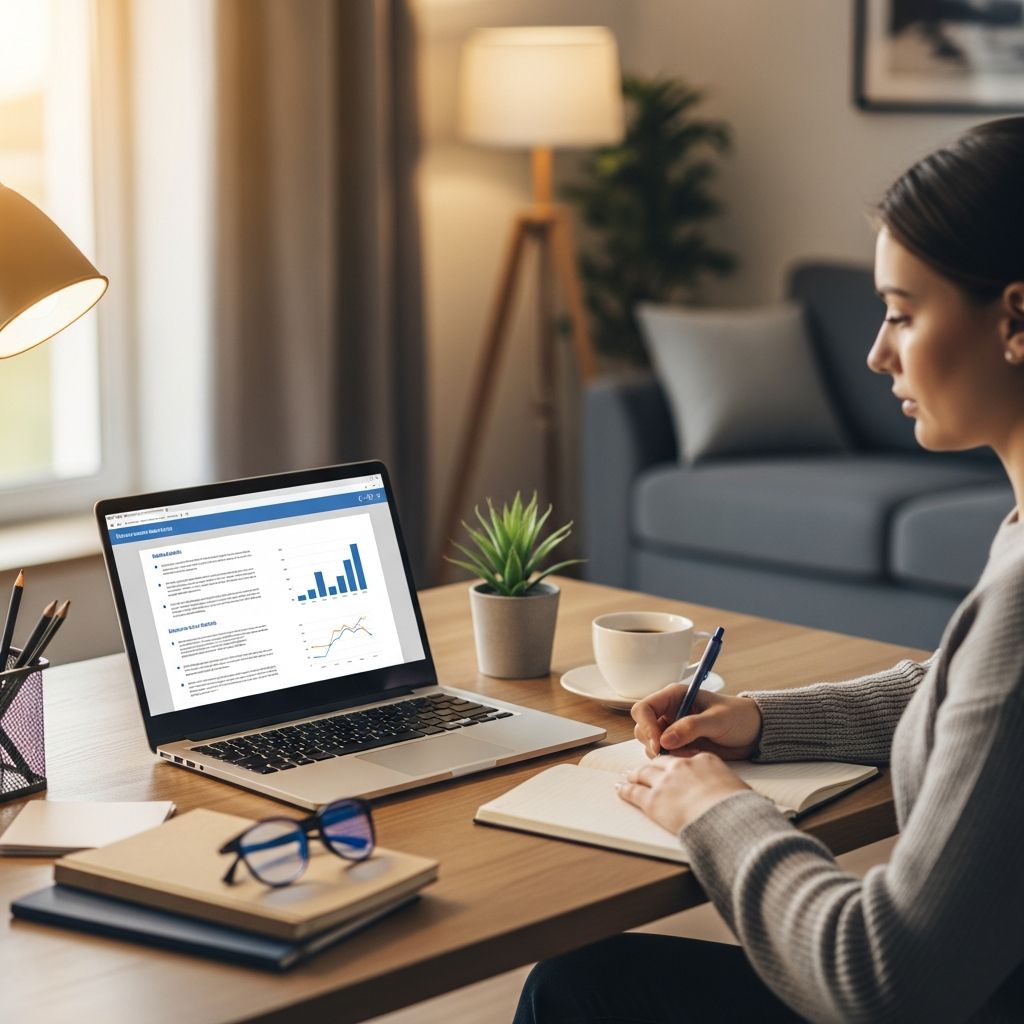
One of the most critical factors determining success in remote education is the physical environment where you study. Your designated learning space should be distinct from areas associated with relaxation, entertainment, or household activities. This separation helps your brain recognize when it is time to focus on academic work, similar to how commuting to campus traditionally signaled the transition into learning mode.
Consider these elements when setting up your learning environment:
- Choose a quiet location away from high-traffic household areas and common sources of noise
- Ensure adequate lighting, preferably natural light supplemented with task-specific lighting to reduce eye strain
- Invest in ergonomic furniture that supports proper posture during extended study sessions
- Minimize visual distractions by organizing materials and using storage solutions
- Maintain consistent room temperature to avoid discomfort that interrupts concentration
- Communicate boundaries with household members about your study schedule and need for uninterrupted time
Students with learning disabilities may find that a structured, purposefully designed learning space is particularly beneficial. The consistency and predictability of a dedicated workspace helps establish routine and facilitates the concentration necessary for academic engagement.
Managing Distractions and Building Focus
Distractions represent one of the most significant obstacles in remote education. Unlike traditional classrooms with built-in environmental controls, home-based learning environments present numerous competing demands for attention. Research indicates that students in online learning report being twice as likely to experience distraction from multitasking compared to their classroom-based counterparts.
Common sources of distraction in home environments include:
- Digital distractions such as social media platforms, email notifications, and web browsing
- Household interruptions from family members, roommates, or pets
- Environmental noise from neighbors, traffic, or appliances
- Domestic responsibilities such as laundry, cleaning, or meal preparation
- The temptation to multitask across multiple digital devices and applications
Effective distraction management requires both environmental modifications and behavioral strategies. Implementing technology-based solutions such as website blockers during study periods, disabling non-essential notifications, and using separate devices for academic and personal activities can substantially reduce digital interruptions. Additionally, communicating your study schedule to household members and establishing clear boundaries about unavailability during designated learning periods creates environmental support for concentration.
The Pomodoro Technique and similar time-management methodologies can enhance focus by breaking study sessions into manageable intervals with brief breaks. This approach aligns with research on attention span and cognitive fatigue, making intensive study periods more sustainable and productive.
Developing Self-Regulation and Time Management Skills
Remote education demands greater independence and self-direction than traditional classroom settings. Without the external structure of scheduled classes, campus locations, and instructor supervision, learners must cultivate internal motivation and discipline. This transition challenges many students, particularly those who benefited from the inherent structure of physical classrooms.
Successful remote learners implement systematic approaches to time management:
- Create weekly schedules that allocate specific time blocks for each course or subject area
- Establish consistent daily routines that mirror traditional school schedules
- Set realistic daily learning goals that are measurable and achievable
- Prioritize tasks using frameworks such as the Eisenhower Matrix to address urgent and important coursework first
- Use digital calendar tools and reminder systems to track assignment deadlines and assessment dates
- Build buffer time into deadlines to accommodate unexpected obstacles or challenges
- Monitor progress regularly and adjust schedules based on actual time requirements and performance
Self-regulation skills—the ability to manage emotions, behavior, and cognition toward goal achievement—can be developed and strengthened through deliberate practice. Starting with manageable goals and gradually increasing expectations as you build confidence and competence creates a sustainable path toward greater independence and academic success.
Leveraging Technology and Digital Tools Effectively
Success in remote education fundamentally depends on comfort and competence with digital technology. While many students possess basic digital skills, effective online learning requires deeper understanding of learning management systems, digital collaboration platforms, video conferencing software, and specialized academic tools relevant to individual fields of study.
Essential digital competencies include:
- Navigating learning management systems and accessing course materials efficiently
- Participating in synchronous and asynchronous communication with instructors and peers
- Using productivity software for document creation, organization, and collaboration
- Troubleshooting common technical problems independently
- Understanding data privacy and cybersecurity best practices
- Evaluating online information sources for credibility and reliability
Educational institutions should provide robust technical support and digital literacy training to address skill gaps. Many learners benefit from orientation sessions, video tutorials, and accessible help resources that build confidence in technology use. Additionally, ensuring that learning platforms are accessible on mobile devices provides flexibility and accommodates various learning circumstances and preferences.
Beyond basic technology competency, effective remote learners develop strategies for using digital tools to enhance learning. This includes utilizing note-taking applications, creating digital study aids, organizing resources in cloud-based systems, and leveraging collaborative technology for group projects and peer learning.
Building Meaningful Connections and Community
A common concern about remote education is the perceived isolation and reduced social interaction compared to traditional classrooms. However, online learning environments can facilitate rich interpersonal connections and meaningful academic community when learners are intentional about engagement.
Strategies for building connections in remote settings include:
- Actively participating in discussion forums, chat features, and online collaborative activities
- Attending synchronous sessions and asking questions during live instruction
- Forming or joining study groups with other remote learners in your program
- Reaching out to instructors during virtual office hours for academic support and mentorship
- Engaging respectfully in peer feedback and collaborative projects
- Utilizing institutional resources such as virtual tutoring services and academic support centers
Research indicates that interaction with instructors and peers significantly influences learning outcomes and satisfaction in remote environments. Learners who proactively build relationships and participate in community activities report higher engagement, better performance, and greater sense of belonging. This demonstrates that effective remote education extends beyond content delivery to encompass the relational aspects of learning.
Addressing Unique Accessibility Needs
Remote education offers particular advantages for learners with physical disabilities, as it eliminates barriers related to campus accessibility, transportation, and navigation of physical spaces. For individuals with mobility limitations, the flexibility of online learning removes the challenges associated with traveling between buildings, locating accessible facilities, and managing fatigue from physical exertion required in traditional settings.
However, learners with learning disabilities may face distinct challenges in remote environments. The reduced structure and increased need for independent learning can make concentration and task completion more difficult for those who benefit from explicit routines and environmental controls. These students may require additional support through accommodations such as extended deadlines, alternative assessment formats, or structured check-ins with academic advisors.
Institutions should ensure that remote learning platforms, course materials, and assessment methods meet accessibility standards and provide reasonable accommodations. This includes providing alternative formats for multimedia content, ensuring screen reader compatibility, offering captioning for video materials, and allowing flexible submission options for assignments.
Financial and Practical Advantages of Remote Learning
Beyond academic benefits, remote education offers substantial practical and financial advantages that influence accessibility and feasibility for many learners. The elimination of commuting requirements reduces transportation expenses significantly. With gasoline costs representing a considerable monthly expense for many Canadians, the ability to study from home generates meaningful savings over the course of an educational program.
Additional financial benefits include:
- Reduced or eliminated campus parking fees and related vehicle expenses
- Flexibility to maintain employment while studying, supporting financial independence
- Decreased costs associated with campus housing when students can remain in home communities
- Lower overall program costs for institutions without extensive physical infrastructure, potentially translating to more affordable tuition
- Opportunity to access educational programs regardless of geographic proximity to traditional campuses
For institutions, remote learning provides cost advantages after initial technological infrastructure is established and maintained. These efficiencies can support institutional sustainability and, in optimal scenarios, contribute to more accessible and affordable educational programming for students facing financial constraints.
Overcoming Communication Challenges
Remote education fundamentally changes the nature of communication between students and instructors compared to traditional classrooms. Asynchronous communication—where messages are exchanged with time delays—replaces much of the immediate, spontaneous interaction that characterizes in-person learning. This shift presents challenges, particularly regarding feedback quality and communication clarity.
Strategies for managing communication challenges include:
- Writing clear, specific questions that provide context and enable meaningful responses from instructors
- Checking course announcements, emails, and discussion forums regularly for important information
- Establishing expected response timeframes with instructors and peers
- Using multiple communication channels appropriately (email for formal matters, discussion forums for course-related questions)
- Seeking clarification promptly when instructor feedback is unclear or insufficient
- Maintaining professional communication standards in all digital interactions
Instructors should strive to provide clear, timely, and constructive feedback that helps learners understand performance expectations and identify areas for improvement. Regular feedback cycles, detailed rubrics, and opportunities for instructor-student dialogue create communication structures that partially compensate for the lack of spontaneous classroom interaction.
Maintaining Physical and Mental Wellness
The demands of remote learning, combined with extended screen time and sedentary study behaviors, can negatively impact physical and mental health if not actively managed. Creating balance between academic responsibilities and self-care is essential for sustainable success in remote education.
Wellness considerations for remote learners include:
- Taking regular breaks from screen time to reduce eye strain and mental fatigue
- Incorporating physical activity into daily routines through exercise, stretching, or outdoor time
- Maintaining consistent sleep schedules that support cognitive function and emotional regulation
- Eating nutritious meals and staying hydrated throughout the day
- Engaging in stress-management practices such as meditation, mindfulness, or relaxation techniques
- Seeking mental health support through institutional counseling services if experiencing anxiety or depression
- Establishing clear boundaries between study time and personal/leisure time
The psychological demands of remote learning—particularly the need for increased self-motivation and independence—can be substantial. Learners should recognize that occasional struggles with motivation or focus are normal and that seeking support from academic advisors, peer study groups, or mental health professionals is a sign of self-awareness and commitment to success, not weakness.
Frequently Asked Questions
Q: How can I stay motivated when studying alone at home?
A: Motivation in remote learning is enhanced through establishing clear goals, creating structured routines, joining study groups, maintaining a dedicated learning space, and celebrating progress regularly. Connect your studies to personal values and future aspirations, and break large goals into smaller, achievable milestones. Building relationships with instructors and peers also increases engagement and sense of accountability.
Q: What technology do I need to succeed in remote education?
A: Minimum requirements typically include a reliable computer (laptop or desktop), stable internet connection, and basic software for word processing and web browsing. Specific programs depend on your field of study. Institutions should provide information about technical requirements and may offer loaner equipment or support for learners with limited technology access. Headphones or speakers improve audio quality during synchronous sessions.
Q: How do I know if remote learning is right for me?
A: Remote learning suits individuals who are self-directed, comfortable with technology, able to manage time independently, and capable of maintaining focus in home environments. Consider your learning style, life circumstances, and support needs. Many institutions offer online assessments or trial courses to help prospective learners evaluate their readiness for remote education.
Q: Can I get adequate support and feedback in remote courses?
A: Yes, quality remote programs provide structured support through virtual office hours, discussion forums, academic advisors, tutoring services, and detailed instructor feedback. The key difference from traditional settings is that support requires your initiation—you must actively reach out and engage with available resources rather than expecting spontaneous interaction.
Q: How do remote learning programs compare in quality to traditional education?
A: Quality in remote education depends on course design, instructor expertise, and institutional commitment to online pedagogy—factors independent of delivery method. Research indicates that well-designed remote programs produce learning outcomes equivalent to or exceeding traditional classroom instruction. When evaluating programs, examine accreditation, instructor qualifications, student support services, and institutional reputation rather than assuming quality based solely on delivery format.
References
- The Rise of Online Learning: Pros & Cons — TUEX Education. 2024. https://www.tuex.ca/blog/the-rise-of-online-learning-pros-cons
- Meeting the Moment: The Value of Online Learning in a Time of Change — eCampus Ontario. 2021. https://ecampusontario.ca/meeting-the-moment-the-value-of-online-learning-in-a-time-of-change-2/
- Challenges of Distance Learning for Students — National University. 2024. https://www.nu.edu/blog/challenges-of-distance-learning-for-students/
- The Future High Education Distance Learning in Canada, the United States, and France — PMC NCBI. 2020. https://pmc.ncbi.nlm.nih.gov/articles/PMC7369396/
- Canadian E-Learning Paradigm — ICTC-CTIC. 2021. https://ictc-ctic.ca/sites/default/files/ictc-admin/resources/admin/ictc-distance-education-report-oct-2021-final-r.pdf

Medha Deb is an editor with a master's degree in Applied Linguistics from the University of Hyderabad. She believes that her qualification has helped her develop a deep understanding of language and its application in various contexts. Medha specializes in the areas of beauty, health, sports, and wellness and is committed to ensuring that the content on the website is…