
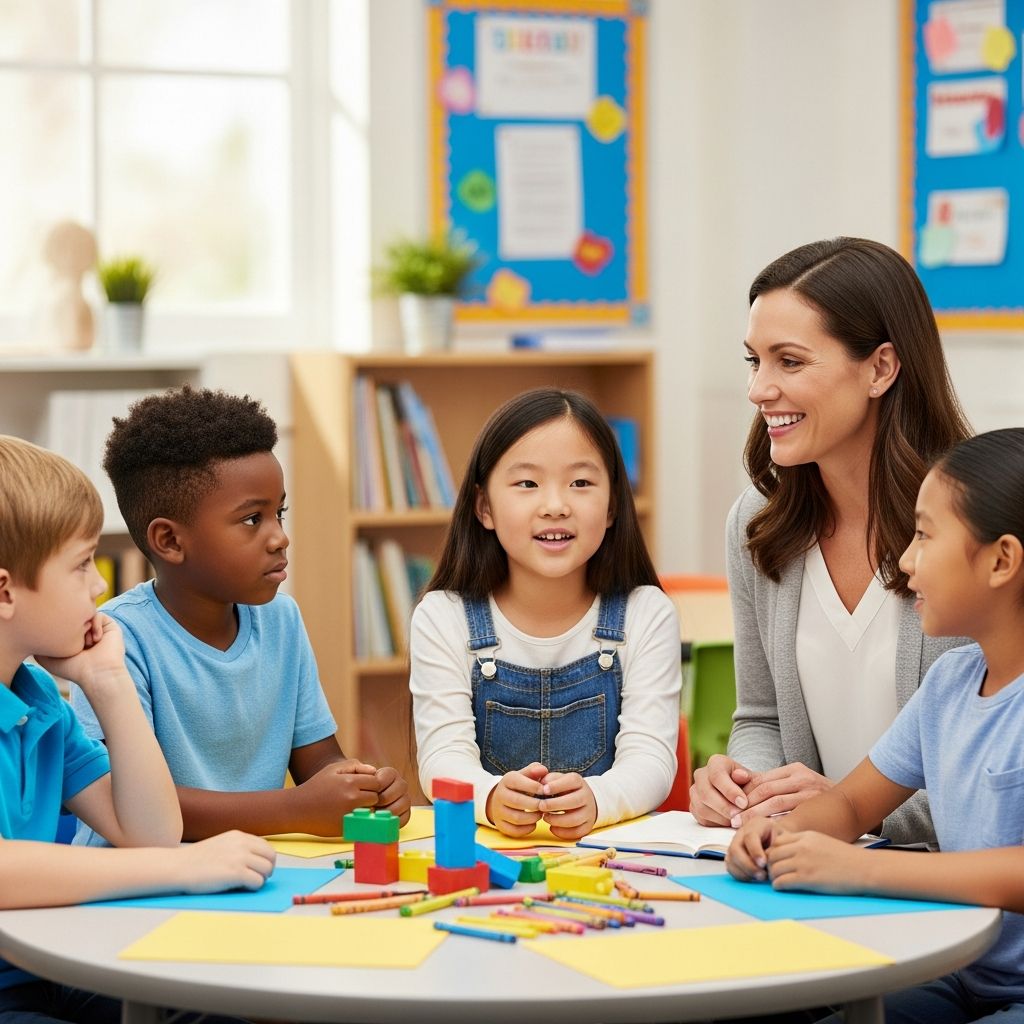
Many students encounter hurdles in developing social connections during their school years, which can impact their emotional well-being and academic performance. Recognizing these challenges early allows educators and parents to implement targeted interventions that build confidence and foster positive relationships. This article explores comprehensive approaches to support these students, drawing on evidence-based practices to create inclusive learning environments.
Recognizing Signs of Social Difficulties
Identifying when a student is facing social issues is the first step toward effective support. Common indicators include withdrawal from group activities, reluctance to participate in class discussions, or frequent conflicts with peers. Students might express feelings of isolation through statements like “No one likes me” or avoid school altogether due to anxiety in social settings.
Other signs involve difficulty reading social cues, such as misunderstanding body language or failing to initiate conversations. For teens, this might manifest as skipping lunch periods or struggling to maintain friendships. Early detection prevents escalation, enabling proactive measures that address root causes like low self-esteem or past negative experiences.
- Observe changes in behavior, such as increased irritability or disengagement.
- Note patterns in peer interactions during recess or group work.
- Monitor academic shifts linked to social stress, like sudden grade drops.
Building a Foundation of Trust and Open Dialogue
Creating a safe space for students to express their emotions is crucial. Encourage open communication by asking open-ended questions like “What was the toughest part of your interactions today?” rather than yes/no queries. Validating their feelings—acknowledging that school can feel overwhelming—helps reduce defensiveness and builds rapport.
For educators, starting the day with affirmations or class promises reinforces a sense of belonging. Teachers like those profiled in educational resources emphasize making students feel seen and valued, which lays the groundwork for vulnerability and growth. Parents can establish after-school rituals, such as a snack and debrief, to signal safety and invite sharing without pressure.
Teaching Essential Social Skills Through Practice
Direct instruction in social skills equips students with tools for real-world application. Role-playing scenarios, like starting a conversation or handling rejection, allows practice in low-stakes settings. Scripts such as “Hi, I liked your project—what part was hardest?” provide repeatable phrases that reduce anxiety.
Incorporate activities like “Ask three before me,” where students seek peer help first, promoting independence and peer bonds. Pair students for transitions or projects to encourage consistent interactions. For body language, demonstrate cues like eye contact and smiles, then practice via mirrors or videos.
| Skill | Practice Activity | Expected Outcome |
|---|---|---|
| Starting Conversations | Role-play with scripts | Increased initiation confidence |
| Reading Cues | Observe and mimic videos | Better peer understanding |
| Group Entry | Partner assignments | Smoother social integration |
| Conflict Resolution | Discuss hypothetical scenarios | Reduced escalations |
Promoting Structured Opportunities for Interaction
Structured environments lower social barriers compared to unstructured play. Recommend clubs, sports, or interest groups where shared tasks provide natural conversation starters. Consistency is key—attending weekly builds familiarity and trust.
Schools can facilitate peer partnerships during lunch or electives, giving choices to empower students. Service projects or small teams emphasize collaboration over competition, ideal for those with social anxiety. Parents might arrange playdates focused on activities like board games to practice turn-taking and sharing.
Self-Regulation Techniques for Emotional Control
Social struggles often trigger emotional overload, leading to shutdowns. Teach self-regulation through breathing exercises, fidget tools, or quiet corners. Consistent routines provide predictability, reducing anxiety.
Praise effort generously to counter low self-esteem: “I appreciate how you tried joining that group.” Evidence-based programs like Pax Good Behavior Game enhance emotional learning, yielding long-term benefits like better employment outcomes.
- Deep breathing: Inhale for 4, hold for 4, exhale for 4.
- Positive self-talk: “I can handle this one step at a time.”
- Movement breaks: Short walks to reset.
Collaborating with Educators and Families
Partnerships amplify support. Parents should email teachers with specific observations and requests, like “What strategies work for group work?” Teachers value collaborative, brief communications.
Schools often have support teams including counselors for holistic aid. Post-pandemic, many districts integrate mental health pros on-site. Track progress via shared “social maps” listing safe allies per class period.
When to Seek Professional Intervention
If issues persist—daily refusal, panic attacks, or self-harm talk—consult pediatricians or therapists. Counseling offers private skill practice, assumption-checking, and win-tracking.
For severe cases, document incidents and involve administrators. Crisis lines provide immediate help. Therapy frames as skill-building appeal to reluctant teens, often via 3-session trials. Programs like Positive Action support SEL outcomes.
Addressing Underlying Factors: Sleep, Nutrition, and Movement
Physical basics fuel social stamina. Ensure 9-11 hours sleep, protein-rich breakfasts, and daily movement. Teens benefit from planning these like study schedules.
Screen for issues like anxiety or ADHD, which exacerbate social woes. Resources note housing/food insecurities; connect families to school aid.
Long-Term Strategies for Sustained Growth
Social development is gradual. Monthly plans include rituals, script practice, and connections. Celebrate small wins to build momentum.
Monitor via journals: weekly goals on sticky notes, reviewed together. Adapt based on feedback, ensuring strategies fit the student’s personality.
Frequently Asked Questions
What if my student refuses therapy?
Frame it as practical tools for school manageability. Suggest a 3-session trial with goal-setting input. Many engage once respected.
How do I approach teachers effectively?
Send brief, collaborative emails noting one pattern and strategy. Thank positives and follow up. Escalate to meetings if needed.
Are clubs better than free play for shy kids?
Yes, structured groups with tasks and adults lower pressure, fostering bonds through shared purpose.
What daily habits boost social energy?
Prioritize sleep, nutritious meals, and movement for brain fuel in interactions.
How soon should I worry about isolation?
If linked to refusal, panic, or persistent negativity despite support, seek pros promptly.
References
- Supporting Kids Who Struggle in School Emotionally or Socially — Thrive Wellness Clinic. 2023. https://thrivewellnessclinic.net/supporting-kids-who-struggle-in-school-emotionally-or-socially/
- When School Feels Hard: Helping Your Teen Struggling Socially in School — WTCSB. 2024. https://www.wtcsb.org/when-school-feels-hard-helping-your-teen-struggling-socially-in-school/
- 12 Tips for Supporting Students’ Social Skills This Year — Brookes Publishing. 2023. https://blog.brookespublishing.com/12-tips-for-supporting-students-social-skills-this-year/
- 10 Ways to Support Social and Emotional Learning for Students with LD and ADHD — National Education Association (NEA). 2024-10-01. https://www.nea.org/professional-excellence/student-engagement/tools-tips/10-ways-support-social-and-emotional-learning-students-ld-and-adhd
- Tips for Teachers: Ways to Help Students Who Struggle with Emotions or Behavior — Mental Health America (MHA). 2023. https://mhanational.org/resources/tips-for-teachers-ways-to-help-students-who-struggle-with-emotions-or-behavior/

Medha Deb is an editor with a master's degree in Applied Linguistics from the University of Hyderabad. She believes that her qualification has helped her develop a deep understanding of language and its application in various contexts. Medha specializes in the areas of beauty, health, sports, and wellness and is committed to ensuring that the content on the website is…