
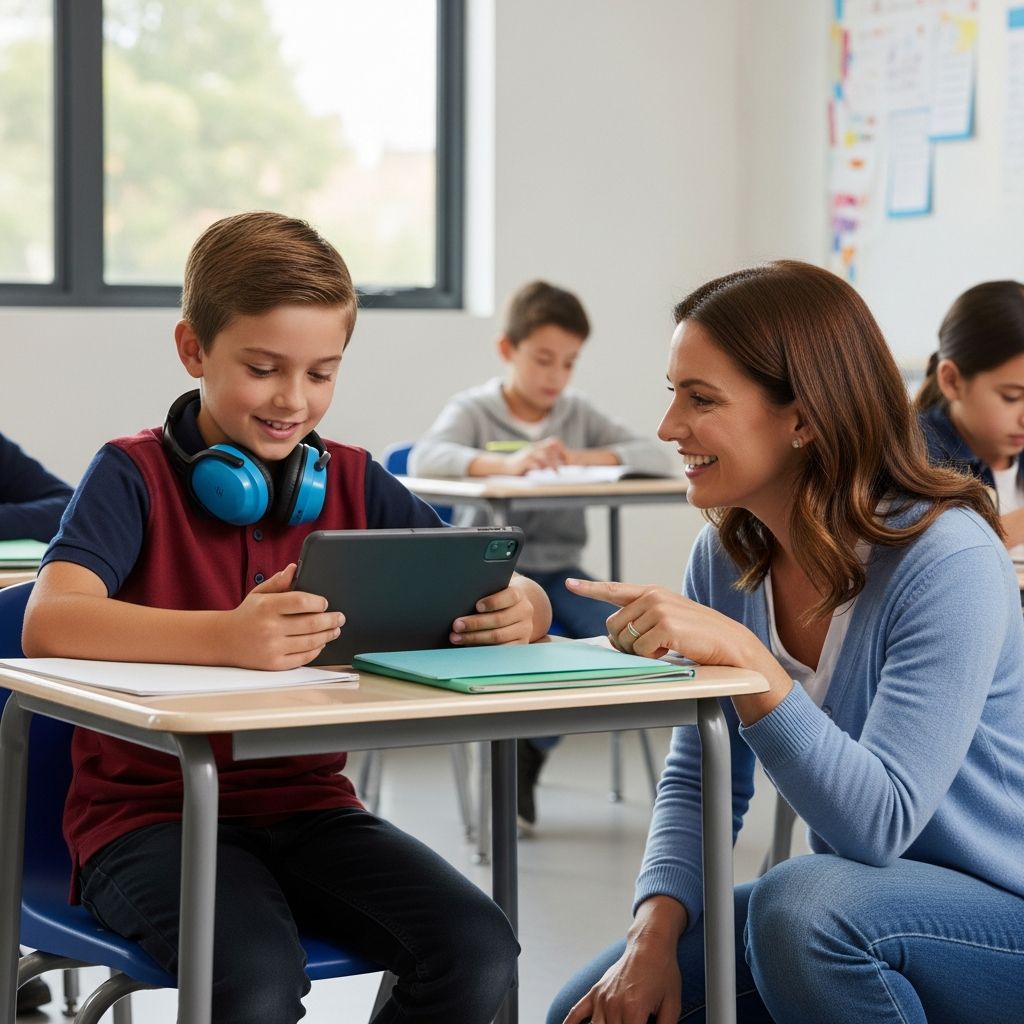
Children with Attention Deficit Hyperactivity Disorder (ADHD) face unique challenges in traditional classroom settings, where sustained attention, organization, and impulse control are essential. According to the Centers for Disease Control and Prevention, approximately 7 million children aged 3-17 in the U.S. have been diagnosed with ADHD, impacting their ability to focus, complete tasks, and interact positively with peers. Educators play a pivotal role in fostering an inclusive environment that accommodates these needs, enabling students to reach their full potential. This article explores comprehensive, evidence-based approaches to create supportive classrooms, drawing from expert recommendations to enhance learning outcomes.
Creating an Optimal Learning Environment
The foundation of effective support begins with the physical classroom setup. Minimizing distractions is crucial, as students with ADHD are particularly sensitive to visual and auditory stimuli. Position desks away from high-traffic areas, windows, or cluttered walls to reduce interruptions. Opt for neutral decor and organized storage to maintain a calm atmosphere.
- Seat ADHD students near the front for better teacher proximity and fewer peer distractions.
- Use noise-cancelling tools like white noise machines or fans to mask disruptive sounds, which some studies show can aid concentration.
- Incorporate flexible seating options, such as standing desks or fidget tools, to accommodate movement needs without disrupting others.
Seating arrangements should also promote positive interactions. Pairing students with ADHD with empathetic peers during group activities can build social skills and provide natural support structures.
Establishing Predictable Daily Routines
Consistency provides security for students with ADHD, who often struggle with transitions. A clear daily schedule reduces anxiety and helps anticipate what comes next. Display a visual timetable with color-coded blocks for subjects, using pictures for younger learners.
| Time | Activity | Visual Cue |
|---|---|---|
| 9:00 AM | Math Lesson | Calculator icon |
| 10:00 AM | Brain Break | Running figure |
| 10:15 AM | Reading | Book icon |
| 11:00 AM | Lunch | Plate icon |
Use timers or auditory signals like gentle chimes to mark transitions, giving advance warnings such as “Five minutes until math ends.” This structured approach not only aids ADHD students but benefits the entire class by promoting efficiency.
Incorporating Movement and Brain Breaks
Physical activity is vital for releasing excess energy and boosting brain oxygen levels, improving focus thereafter. Integrate short, frequent breaks to prevent restlessness. Simple activities like stretching, jumping jacks, or walking laps can recharge students without derailing the schedule.
- Allow standing or walking while working on independent tasks.
- Schedule 2-3 minute movement sessions between lessons, such as a class dance or yoga poses.
- Make lessons dynamic by incorporating props or station rotations that require mobility.
Research supports that even brief exercises enhance cognitive function, making this a low-effort, high-impact strategy.
Delivering Clear Instructions and Task Management
Students with ADHD often feel overwhelmed by complex directions. Break assignments into small, sequential steps, providing one at a time. Maintain eye contact, repeat if needed, and confirm understanding by asking them to paraphrase.
Visual checklists transform vague tasks into actionable lists. For example, for a writing project:
- Brainstorm ideas (5 min)
- Outline 3 points
- Write first paragraph
- Review and edit
Prioritize 3-5 items to avoid overload. Assistive technology, like apps for timers or graphic organizers, further simplifies execution.
Providing Positive Reinforcement and Feedback
Frequent, specific praise reinforces desired behaviors more effectively than criticism. Catch students “being good” and acknowledge efforts immediately: “Great job starting your list right away!” Implement a token economy where points earned for on-task behavior exchange for rewards like extra recess time.
Regular check-ins ensure progress. Visit desks periodically to offer gentle redirects, such as a subtle hand signal for refocusing. Private discussions about behavior prevent embarrassment and maintain dignity.
Leveraging Technology and Sensory Supports
Tools tailored to ADHD needs can bridge attention gaps. Fidget toys, chewable necklaces, or under-desk pedal exercisers provide discreet outlets for energy. Background sounds like classical music or aquariums help some students tune out chaos.
- Text-to-speech software for reading comprehension.
- Timers with visual countdowns for time management.
- Noise-cancelling headphones during independent work.
These accommodations level the playing field, allowing focus on content rather than internal distractions.
Fostering Social Skills Through Collaboration
ADHD can hinder peer relationships due to impulsivity. Structured cooperative learning assigns clear roles—e.g., timekeeper, note-taker—ensuring equitable participation. Activities like think-pair-share encourage discussion and mutual feedback, building accountability.
Model positive interactions and teach conflict resolution explicitly. Celebrating group successes reinforces teamwork.
Integrating Student Interests for Engagement
Linking lessons to personal passions sustains motivation. If a student loves sports, frame math problems around baseball statistics. This relevance transforms disinterest into enthusiasm, naturally extending attention spans.
Survey students periodically on hobbies to inform planning. While not feasible daily, strategic integration yields significant engagement boosts.
Building Strong Home-School Partnerships
Consistency across environments amplifies success. Regular communication with parents via shared logs or apps aligns strategies. Share successes and challenges to coordinate reinforcement at home.
Collaborate with specialists for individualized education plans (IEPs) or 504 accommodations, ensuring legal supports are implemented effectively.
Promoting Teacher Self-Care and Professional Growth
Educators supporting ADHD students benefit from training on neurodiversity. Positive teacher attitudes—viewing students as partners—drive outcomes. Access resources from organizations like CHADD for workshops.
Prioritize self-care to sustain empathy and energy.
Frequently Asked Questions (FAQs)
What if a student with ADHD disrupts the class?
Use pre-arranged, discreet signals like a shoulder tap to redirect privately. Ignore minor behaviors if they don’t affect others, addressing issues one-on-one later.
How often should brain breaks occur?
Aim for every 15-20 minutes, lasting 2-5 minutes, tailored to the student’s needs and class flow.
Are fidget toys distracting for others?
Silent, desk-bound options minimize impact; introduce class-wide to normalize them.
Can routines help all students?
Yes, they provide universal structure, benefiting neurotypical learners too.
What role do parents play?
Parents reinforce school strategies at home and communicate consistently with teachers for holistic support.
References
- 7 Ways to Support ADHD Students — Teaching Channel. 2023. https://www.teachingchannel.com/k12-hub/blog/7-ways-to-support-adhd-students/
- 7 Effective Teaching Strategies for Students with ADHD — Demme Learning. 2023. https://demmelearning.com/blog/strategies-students-adhd/
- Teaching Students with ADHD — HelpGuide.org. 2024. https://www.helpguide.org/mental-health/adhd/teaching-students-with-adhd
- 17 Ways to Help Students With ADHD Concentrate — Edutopia. 2023. https://www.edutopia.org/discussion/17-ways-help-students-adhd-fidget
- Tips to Help Kids With ADHD Focus in School — Mass General Brigham. 2024-10-15. https://www.massgeneralbrigham.org/en/about/newsroom/articles/kids-adhd-school
- Classroom Interventions for Attention Deficit/Hyperactivity Disorder — William & Mary School of Education. 2023. https://education.wm.edu/centers/ttac/documents/packets/adhd.pdf

- Integrated M.A. in Applied Linguistics, University of Hyderabad
- 5+ years in editorial, instructional, SEO, and research-based writing
Sneha is a relationships and lifestyle writer with a strong foundation in applied linguistics and certified training in relationship coaching. She brings over five years of writing experience to theskillvault, crafting thoughtful, research-driven content that empowers readers to build healthier relationships, boost emotional well-being, and embrace holistic living. Her writing and insights reflect the belief that beauty, happiness, and wellness…