
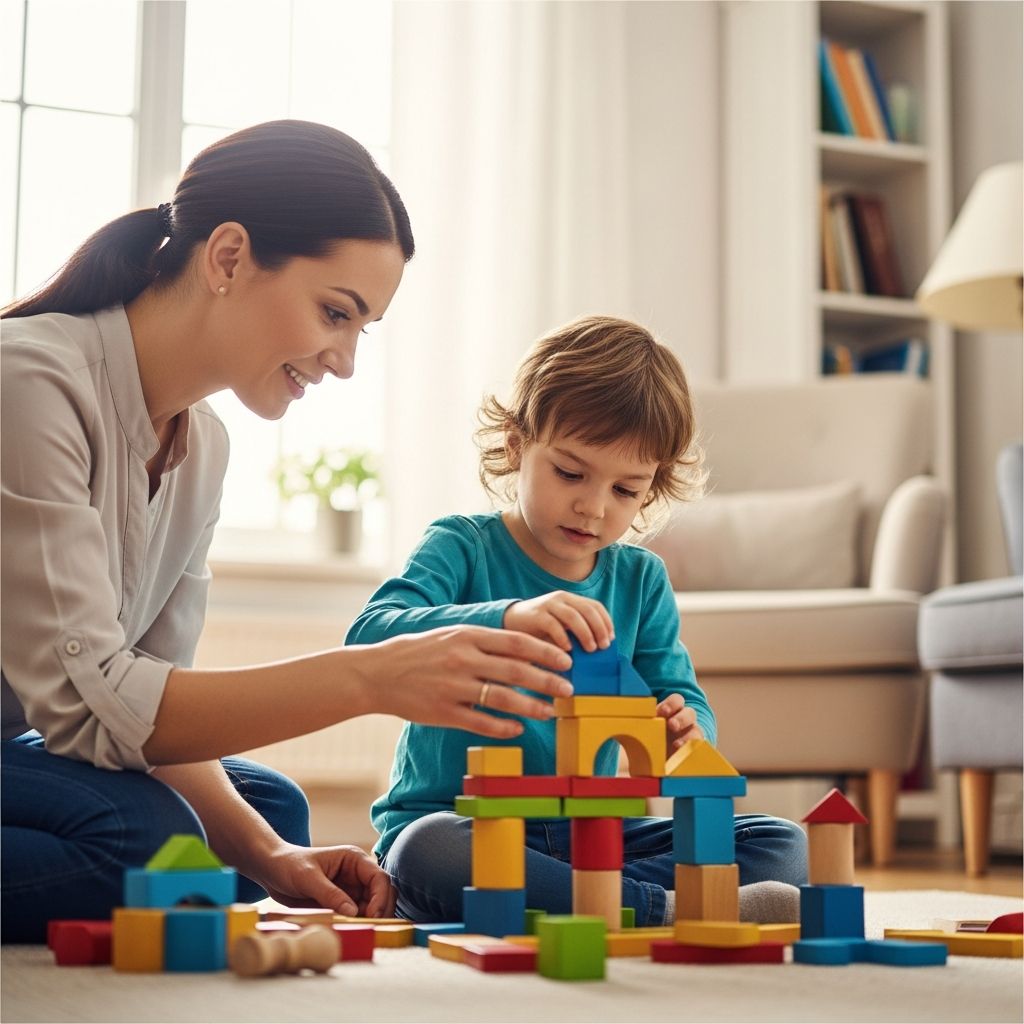
Supporting a child’s mental health is one of the most vital responsibilities of parenthood. From infancy to the turbulent teen years, parents play a pivotal role in shaping emotional resilience and overall well-being. This guide draws on authoritative insights to provide practical, age-tailored approaches that empower families to foster healthy minds.
Understanding the Foundations of Child Mental Health
Mental health in children encompasses emotional, psychological, and social development, influencing how they think, feel, and behave. Just as physical health requires consistent care, mental well-being thrives on nurturing environments, open communication, and early intervention. Parents can model self-care, establish routines, and encourage emotional expression to build a strong foundation.
Key elements include secure attachments formed through responsive caregiving, opportunities for play, and balanced routines that promote sleep, nutrition, and physical activity. Research shows that children with supportive home environments are better equipped to handle stress and develop coping skills.
Age-Specific Support: Tailoring Your Approach
Children’s needs evolve with development. Adapting strategies to match their stage ensures relevance and effectiveness.
Infants and Toddlers (0-5 Years): Building Secure Bonds
In the earliest years, mental health hinges on consistent, loving interactions. Respond promptly to cries, engage in skin-to-skin contact, and create predictable routines for meals and bedtime. Play is crucial—sing, read, and cuddle daily to stimulate emotional growth.
- Spend quality one-on-one time playing and talking to reinforce trust.
- Encourage peer play to develop social skills.
- Set gentle boundaries without harsh discipline.
- Reassure during moments of distress by naming emotions: “You seem overwhelmed; it’s okay to feel that way.”
These practices help toddlers regulate emotions and feel secure, reducing risks of later anxiety.
School-Age Children (6-10 Years): Encouraging Independence
As children enter school, focus on daily check-ins about friends, homework, and activities. Involve them in chores and decisions, like meal planning, to build responsibility and self-esteem. Praise efforts over outcomes to foster resilience.
| Daily Practice | Benefit |
|---|---|
| Ask about school day and friends | Surfaces issues early |
| Assign age-appropriate chores | Boosts confidence |
| Celebrate achievements | Reinforces positive behavior |
Physical activity and family tasks also support mental wellness by promoting routine and achievement.
Preteens and Teens (11+ Years): Navigating Independence
Adolescence brings identity exploration, peer pressure, and hormonal shifts. Maintain open dialogues without judgment, monitor online activity, and encourage extracurriculars. Empower them with responsibilities like cooking or laundry while setting clear boundaries.
- Notice mood changes and gently inquire: “I’ve seen a shift; want to talk?”
- Listen actively, validating feelings before offering advice.
- Discuss relationships, safety, and online risks casually.
- Support new interests and identities while staying involved.
For teens, balancing autonomy with guidance prevents isolation and builds decision-making skills.
Recognizing Early Warning Signs
Persistent changes warrant attention. Intervene if behaviors last weeks, cause distress, or impair functioning.
Common Indicators by Age
| Age Group | Warning Signs |
|---|---|
| 0-5 | Frequent tantrums, irritability, unexplained aches, lethargy, social withdrawal |
| 6-10 | Sudden academic drop, isolation, excessive worry, sleep issues |
| 11+ | Mood swings, self-harm thoughts, substance experimentation, disinterest in activities |
Physical complaints without cause or appetite changes also signal distress. Track patterns and consult professionals if needed.
Effective Communication Techniques
Open talks normalize mental health. Use age-appropriate language, choose calm moments, and listen without interrupting.
- Start with: “How are you feeling today?” or “Tell me more about what’s happening.”
- Validate: “That sounds tough; it’s okay to feel that way.”
- Ask: “How can I support you?” or “Do you want ideas or just to vent?”
- Share your emotions to model vulnerability.
Regular check-ins during low-distraction times like dinners strengthen bonds. Avoid dismissing feelings; instead, empower problem-solving.
Daily Habits for Emotional Resilience
Incorporate wellness into routines:
- Model Self-Care: Demonstrate healthy habits like exercise and mindfulness.
- Family Routines: Consistent schedules for meals, sleep, and play reduce anxiety.
- Emotional Tools: Use feelings wheels or thermometers to name emotions.
- Physical Health Link: Promote activity, nutrition, and sleep for mental boosts.
- Play and Hobbies: Unstructured play builds creativity and stress relief.
Journaling and hobbies encourage self-expression. Laugh at mistakes together to normalize imperfection.
Your Role as a Parent: Self-Care and Boundaries
Parenting demands emotional labor; prioritize your well-being to avoid burnout. Practice empathy, seek support networks, and connect with schools for holistic care. Enroll in workshops or find external therapists if family talks stall. Create a safe home: positivity, love, and structure matter.
When and How to Seek Professional Help
If signs persist, contact pediatricians, school counselors, or hotlines. Early therapy prevents escalation. In crises, prioritize safety—ask directly about harm thoughts. Resources like NAMI Basics offer caregiver training.
Frequently Asked Questions (FAQs)
What if my child refuses to talk about feelings?
Respect their pace; try indirect approaches like shared activities. Reassure availability without pressure.
How much screen time is safe for mental health?
Limit to 1-2 hours daily for school-age kids; monitor for cyberbullying and encourage offline play.
Can routines really impact mental health?
Yes, predictability lowers stress and supports emotional regulation.
What about bullying or online safety?
Discuss openly, check accounts discreetly, and teach reporting.
How do I handle teen rebellion?
Listen without judgment, set firm boundaries, and guide toward positive outlets like sports.
Building a Resilient Family Future
Consistent effort yields lifelong benefits. By fostering communication, routines, and awareness, parents equip children to thrive amid challenges. Your involvement is transformative.
References
- Parenting: Protecting Your Child’s Mental Health at Every Age — UNICEF USA. 2023. https://www.unicefusa.org/what-unicef-does/parenting/support-child-mental-health-every-age
- Family Guide to Supporting Young People’s Mental Health and Well-Being — WestEd/Cal-Well. 2023-09. https://ca-safe-supportive-schools.wested.org/wp-content/uploads/2023/09/Cal-Well-Family-Guide-to-Supporting-Young-Peoples-Mental-Health-and-Well-Being_FINAL_Accessible.pdf
- A Parent’s Guide to Childhood Mental Health — Chapman University. Accessed 2023. https://www.chapman.edu/education/_files/research/mental-wellth/mental-welllth-toolkit-parents.pdf
- Parents: Tips for Talking to Your Child About Mental Health — Children’s Hospital of Philadelphia (CHOP). Accessed 2023. https://www.chop.edu/health-resources/parents-tips-talking-your-child-about-mental-health
- Resources for Parents and Caregivers — Kids Mental Health Foundation. Accessed 2023. https://www.kidsmentalhealthfoundation.org/mental-health-resources/parents-and-caregivers
- How to Talk About Mental Health – Parents and Caregivers of Children — SAMHSA. Accessed 2023. https://www.samhsa.gov/mental-health/what-is-mental-health/how-to-talk/parents-and-caregivers
- Learning to Help Your Child and Your Family — NAMI. Accessed 2023. https://www.nami.org/family-members-and-caregivers/learning-to-help-your-child-and-your-family/

- Integrated M.A. in Applied Linguistics, University of Hyderabad
- 5+ years in editorial, instructional, SEO, and research-based writing
Sneha is a relationships and lifestyle writer with a strong foundation in applied linguistics and certified training in relationship coaching. She brings over five years of writing experience to theskillvault, crafting thoughtful, research-driven content that empowers readers to build healthier relationships, boost emotional well-being, and embrace holistic living. Her writing and insights reflect the belief that beauty, happiness, and wellness…