
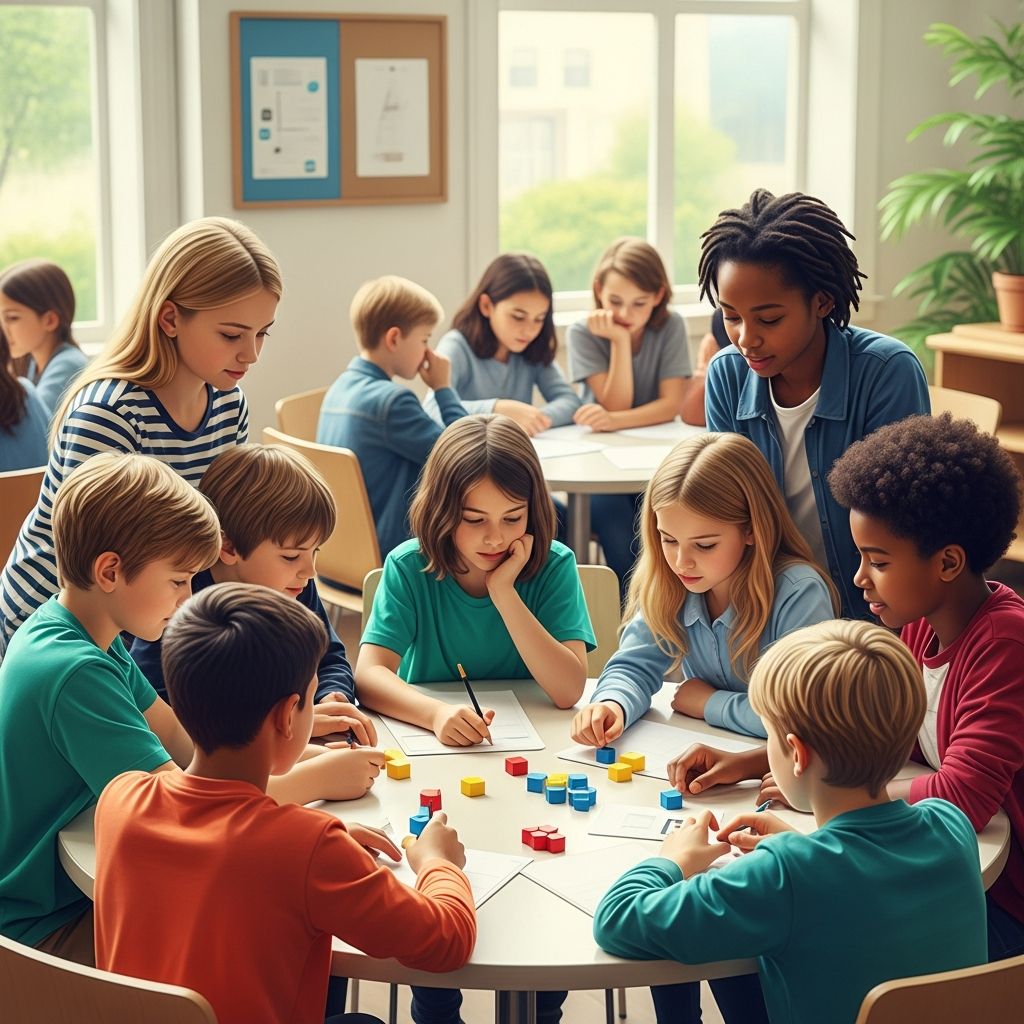
Teaching children how to handle disagreements constructively lays the foundation for emotional resilience and strong social bonds. These skills enable kids to express needs calmly, understand others’ viewpoints, and find fair solutions without escalating tensions.
The Vital Role of Conflict Skills in Child Growth
Conflicts are inevitable in a child’s world, from playground spats to sibling rivalries. Mastering resolution techniques helps children develop **emotional intelligence**, reducing aggressive outbursts and promoting cooperation. Research indicates that early training in these areas leads to better peer relationships and sustained problem-solving abilities into adulthood.
By prioritizing these lessons, caregivers model healthy interactions, boosting children’s confidence in managing disputes independently. This not only minimizes daily disruptions but also prepares them for collaborative environments like classrooms and future workplaces.
Core Competencies for Handling Disagreements
Effective conflict management hinges on a few key abilities that children can learn progressively.
- Clear Expression: Using ‘I’ statements, such as ‘I feel upset when…,’ helps kids articulate feelings without blame.
- Active Listening: Encouraging eye contact and paraphrasing others’ words builds mutual respect.
- Perspective-Taking: Recognizing diverse viewpoints fosters empathy and de-escalates arguments.
These elements form the bedrock, allowing children to shift from reactive behaviors to thoughtful responses.
Step-by-Step Guide to Resolving Kid Conflicts
A structured approach ensures conflicts become learning opportunities. Here’s a proven six-step process adapted for young learners.
| Step | Description | Example |
|---|---|---|
| 1. Cool Down | Neutralize emotions by taking deep breaths or a short break. | ‘Let’s count to 10 together before talking.’ |
| 2. Gather Facts | Each child shares what happened without interruption. | ‘What did you see or feel?’ |
| 3. Identify Issue | Pinpoint the core problem collaboratively. | ‘Both want the truck—how can we share?’ |
| 4. Brainstorm Ideas | Generate multiple solutions freely. | List 5 options like taking turns or playing together. |
| 5. Assess Options | Weigh pros and cons of each idea. | ‘Does this work for everyone?’ |
| 6. Agree and Act | Commit to a solution and follow through. | ‘We’ll alternate every 5 minutes.’ |
This method, supported by educational extensions, shortens resolution time from minutes to seconds with practice, generating more creative outcomes.
Hands-On Activities to Build These Skills
Interactive exercises make learning engaging and memorable.
Role-Playing Scenarios
Set up everyday situations like toy disputes or game choices. Assign roles, guide through steps, then switch to build flexibility. This safe practice reinforces strategies without real stakes.
Cooperative Challenges
Group tasks like puzzles or building towers encourage natural negotiation. Intervene minimally, narrating positively: ‘You’re figuring out turns great!’.
Storytelling and Puppets
Use tales or puppets to explore emotions and resolutions. Ask, ‘How might the character feel? What could they do?’ This nurtures empathy through narrative.
Empathy Mapping
Draw faces showing feelings or maps of ‘my side vs. their side.’ Visuals help concrete thinkers grasp abstracts.
Regular sessions, even 10 minutes daily, yield noticeable improvements in just weeks.
Leveraging Adult Influence as Role Models
Children mirror caregivers’ behaviors during disputes. Demonstrate calm discussions at home: ‘I see you’re frustrated; let’s talk it out.’ This implicit teaching strengthens explicit lessons.
Avoid common errors like rushing solutions or favoring one side, which undermines independence. Instead, coach gently, praising efforts: ‘You listened well!’.
Age-Appropriate Adaptations
Tailor methods to developmental stages for optimal results.
- Toddlers (2-4): Simple choices like ‘red cup or blue?’ with visual timers.
- Preschoolers (4-6): Basic steps with heavy guidance and puppets.
- School-Age (6-10): Independent brainstorming and peer mediation.
- Tweens (10+): Complex scenarios involving fairness and long-term impacts.
Progression builds autonomy, aligning with self-regulation growth.
Overcoming Common Hurdles in Teaching
Patience is key; initial sessions may extend 8 minutes, but practice halves that while doubling solutions. Persistent emotions? Validate first: ‘It’s okay to feel mad; now let’s solve it.’
For intense cases, separate briefly then reconvene. Track progress in a family chart to motivate.
Long-Term Benefits for Lifelong Success
Investing now pays dividends: reduced bullying, stronger friendships, and prosocial habits. Studies link early resolution exposure to positive attributions and skilled conflict navigation in adulthood. Classrooms become harmonious, freeing energy for learning.
Frequently Asked Questions
How long does it take for kids to learn these skills?
With consistent practice, basic proficiency emerges in 4 weeks, per extension research.
What if a child refuses to participate?
Start small with fun activities; model without pressure, gradually involving them.
Can this help with sibling fights?
Yes, targeted role-plays for home scenarios reduce rivalry significantly.
Is professional help needed for frequent conflicts?
If aggression persists despite efforts, consult educators or counselors.
How to reinforce at school?
Share strategies with teachers for consistent coaching across settings.
References
- Helping Children Resolve Conflict — Nebraska Extension Publications. Accessed 2026. https://extensionpubs.unl.edu/publication/1211/html/view
- Effective Conflict Resolution for Kids: 6 Tips — JFCS. Accessed 2026. https://ccy.jfcs.org/6-steps-help-children-resolve-conflicts-solve-problems/
- Modeling Healthy Conflict Resolution in Kids: A Guide for Caregivers — Sanford Health. Accessed 2026. https://fit.sanfordhealth.org/blog/modeling-healthy-conflict-resolution-in-kids-a-guide-for-caregivers
- Conflict Resolution Skills for Kids — The Goddard School. Accessed 2026. https://www.goddardschool.com/blog/teaching-children-conflict-resolution-skills
- Parent-to-child aggression, intimate partner aggression, conflict — PMC (NCBI). 2023. https://pmc.ncbi.nlm.nih.gov/articles/PMC10329406/
- Coaching Children in Handling Everyday Conflicts — Responsive Classroom. Accessed 2026. https://www.responsiveclassroom.org/coaching-children-in-handling-everyday-conflicts/
- A Three-Step Approach to Help Children Navigate Conflict — NAEYC. 2023. https://www.naeyc.org/resources/pubs/tyc/fall2023/three-step-approach

- Integrated M.A. in Applied Linguistics, University of Hyderabad
- 5+ years in editorial, instructional, SEO, and research-based writing
Sneha is a relationships and lifestyle writer with a strong foundation in applied linguistics and certified training in relationship coaching. She brings over five years of writing experience to theskillvault, crafting thoughtful, research-driven content that empowers readers to build healthier relationships, boost emotional well-being, and embrace holistic living. Her writing and insights reflect the belief that beauty, happiness, and wellness…