
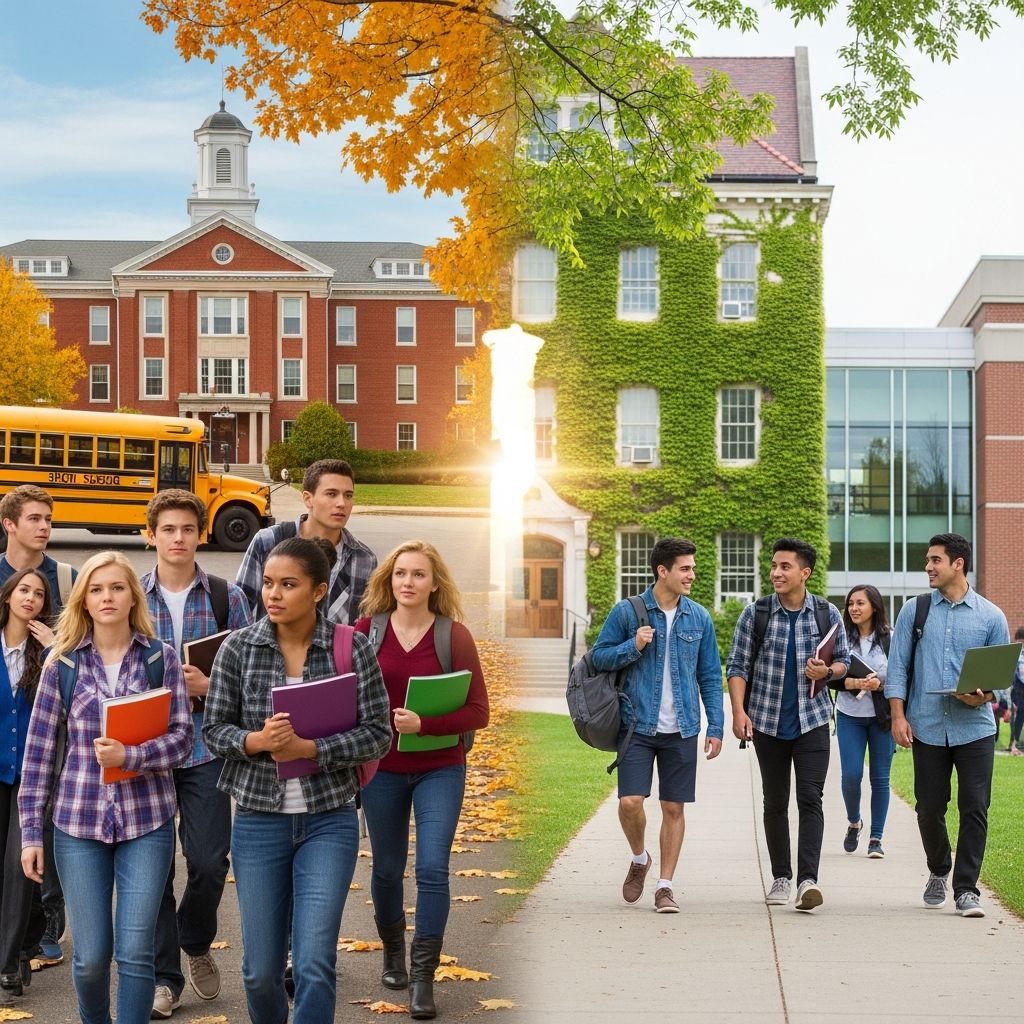
The move from high school to college represents a pivotal moment, demanding greater independence, sophisticated time management, and proactive engagement with academic resources. Students often face surprises in daily structure, expectations from instructors, and personal responsibilities, but targeted preparation can transform potential hurdles into opportunities for growth.
Academic Expectations: What Changes and How to Adapt
High school features structured days with frequent teacher oversight, while college introduces flexible schedules, larger classes, and self-directed learning. Professors anticipate students to track assignments independently, meet rigorous GPA standards like a minimum 2.0, and fulfill complex graduation requirements including general education and major courses.
To thrive academically:
- Consult academic advisors regularly to map coursework and ensure progress toward degree completion.
- Master note-taking in lectures, as classes may span 12-16 hours weekly with gaps requiring discipline.
- Prioritize understanding syllabi, which outline all expectations, deadlines, and policies.
| Aspect | High School | College | Adaptation Strategy |
|---|---|---|---|
| Schedule | Fixed 30+ hours/week | 12-16 hours/week, variable | Use digital calendars for gaps |
| Grading | Passing D suffices | GPA 2.0+ required | Aim for consistent B averages |
| Oversight | Teacher reminders | Self-motivated | Weekly review routines |
Building Independence Through Time Management
College autonomy means no parental or teacher nudges for deadlines, demanding robust time management from day one. Freshmen commonly struggle with oversleeping or cramming due to unstructured time.
Key practices include:
- Creating detailed weekly schedules incorporating classes, study blocks, meals, and rest.
- Employing planners or apps to log assignments, exams, and extracurriculars.
- Allocating buffer time for unexpected delays or deeper study needs.
Research from educational practice guides emphasizes starting these habits in high school to ease the shift, recommending high schools integrate college-readiness modules on scheduling and prioritization.
Cultivating Strong Study Routines
Effective study habits distinguish successful college students. Unlike high school’s guided approach, college requires active strategies like spaced repetition and focused sessions in distraction-free zones.
- Designate consistent study periods, treating them as non-negotiable appointments.
- Experiment with environments—libraries, quiet cafes, or dorm corners—to maximize concentration.
- Break material into manageable chunks, reviewing weekly rather than nightly cramming.
For students with IEPs, high school transitions should emphasize self-advocacy skills, as college accommodations demand student-initiated requests under laws like ADA, differing from high school’s mandated IEPs.
Forging Social Connections in a New Environment
Shifting from familiar high school circles to diverse college communities requires intentional networking. Participation in clubs, events, and dorm activities fosters belonging and support networks.
Practical steps:
- Attend orientation fully and join interest-based groups immediately.
- Initiate conversations in classes or meals, focusing on shared experiences.
- Balance social time with academics to avoid isolation or burnout.
Diverse campuses offer rich opportunities; stepping beyond comfort zones builds resilience and friendships that endure beyond freshman year.
Managing Health and Well-Being
The college transition stresses mental and physical health amid new freedoms and pressures. Prioritizing sleep, nutrition, exercise, and stress relief prevents common pitfalls like all-nighters or neglected self-care.
- Aim for 7-9 hours of sleep nightly, aligning with class schedules.
- Incorporate movement—campus walks, gym sessions, or sports—for energy and mood regulation.
- Practice mindfulness or journaling to process emotions from homesickness to academic anxiety.
When overwhelmed, utilize campus counseling early; resources exist but require proactive access.
Financial Literacy for Sustainable Success
Beyond tuition, college introduces budgeting for books, food, and entertainment. High school rarely teaches these, yet they underpin stability.
- Track expenses via apps, allocating funds across categories monthly.
- Explore work-study or part-time roles fitting academic loads.
- Submit transcripts, AP/IB credits promptly to maximize aid and reduce costs.
Documentation and Administrative Essentials
Seamless enrollment demands submitting final transcripts, proof of graduation, and dual enrollment records promptly. For accommodations, prepare documentation aligning with college policies, advocating personally.
Meet advisors to align IEPs with college skill-building in organization, communication, and stress management.
Choosing the Right Path: Degrees and Careers
Reflect on time commitment—associate’s (2 years) for quick entry or bachelor’s (4 years) for broader options. Consider online formats for flexibility.
Overcoming Common Freshman Challenges
Anticipate hurdles like procrastination or imposter syndrome. Counter with peer study groups, professor office hours, and incremental goals. Patience fosters adjustment; progress compounds over semesters.
Frequently Asked Questions
How do class schedules differ from high school?
College classes total fewer hours weekly with gaps, requiring personal scheduling of study and free time, unlike high school’s consecutive periods.
What GPA is needed to graduate?
Typically at least 2.0, alongside completing all required courses in general education, majors, and electives.
How to get academic accommodations in college?
Students must self-identify, provide documentation, and follow college-specific processes under ADA, unlike high school’s automatic IEPs.
Is it okay to work while attending college?
Yes, part-time jobs aid finances and skills, but limit to 10-15 hours weekly to protect academics.
What if I feel overwhelmed?
Seek counseling, advisors, or peers immediately; early intervention prevents escalation.
References
- Transitioning from High School to College: A Comprehensive Guide — Caris College. 2023. https://cariscollege.edu/healthcare-programs/back-to-school/transitioning-from-high-school-to-college-a-comprehensive-guide/
- On the Move: The Transition from High School to College — CareerVision.org. 2023. https://careervision.org/transition-high-school-college/
- Moving On: Tips for Transitioning from High School to College — MEFA. 2023. https://www.mefa.org/article/moving-on-tips-for-transitioning-from-high-school-to-college/
- Thriving in College: Tips for Students Transitioning from High School — St. John’s University. 2023. https://www.stjohns.edu/news-media/johnnies-blog/high-school-vs-college-life-what-really-changes-and-how-thrive
- Life After High School – Transition — Nebraska Department of Education (.gov). 2023. https://transition.ne.gov/transition-high-school-college
- Preparing Students for the Transition to College — Washington GEAR UP (.gov). 2021. https://gearup.wa.gov/sites/default/files/resources/activity_guide-preparing_students_for_the_transition_to_college%202021.pdf
- Prepare for College in High School — University of Olivet (.edu). 2023. https://www.uolivet.edu/how-to-prepare-for-college-in-high-school/

- Integrated M.A. in Applied Linguistics, University of Hyderabad
- 5+ years in editorial, instructional, SEO, and research-based writing
Sneha is a relationships and lifestyle writer with a strong foundation in applied linguistics and certified training in relationship coaching. She brings over five years of writing experience to theskillvault, crafting thoughtful, research-driven content that empowers readers to build healthier relationships, boost emotional well-being, and embrace holistic living. Her writing and insights reflect the belief that beauty, happiness, and wellness…