
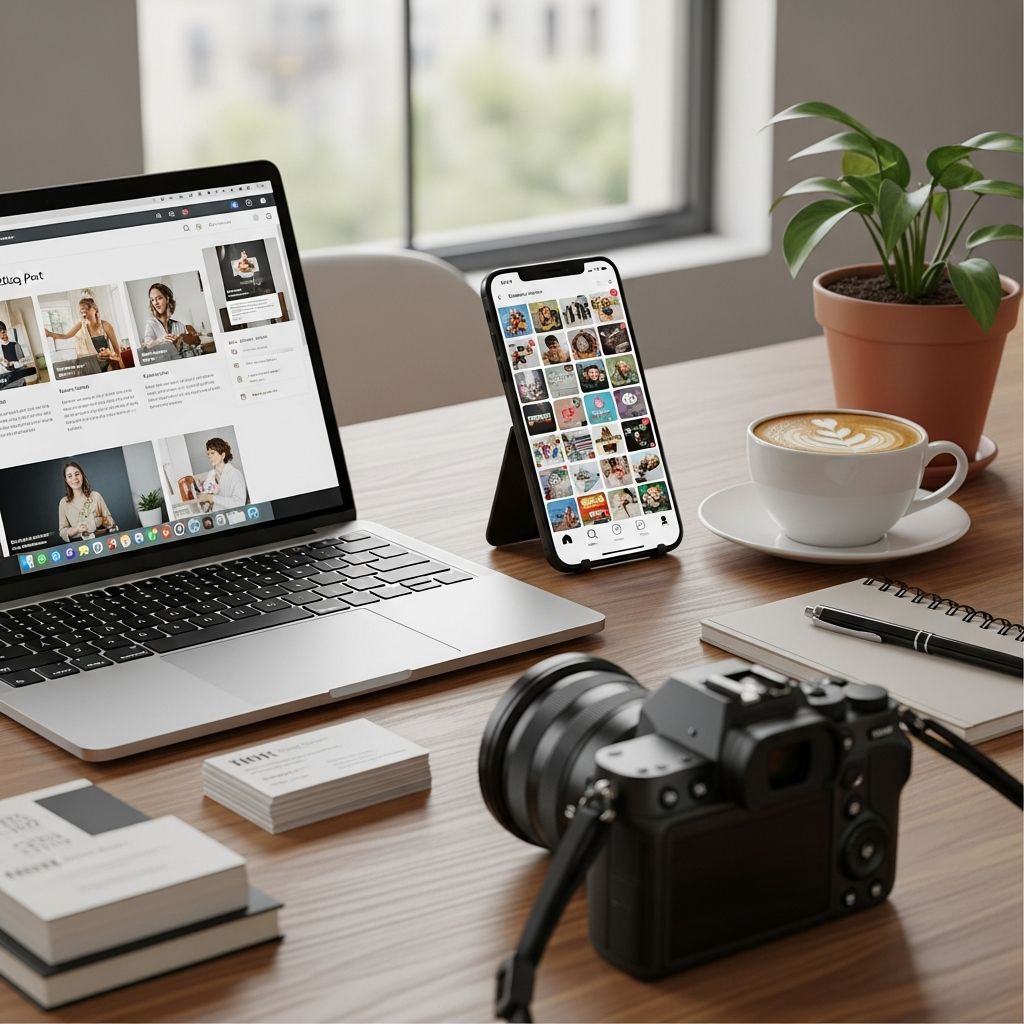
Turning a personal blog and social media presence into a real career is no longer unusual—but it is still misunderstood. This guide walks through how a lifestyle blogger and content creator can grow from hobbyist to full-time professional, build a trusted audience, collaborate with brands, and maintain a sustainable creative life along the way.
Why Social Media and Blogging Can Be a Real Career
Social platforms and independent blogs have evolved from online diaries to influential media channels that shape how people shop, learn, and make decisions. Surveys indicate that a significant portion of consumers discover brands through social media and creator content before ever visiting a company website.
For creators, this means a blog and related social channels can function like a small media business:
- Content is the product.
- Audience attention is the main asset.
- Partnerships, ads, and products are the revenue streams.
When approached strategically, this can become a sustainable full-time path, not just a side hobby.
Designing a Personal Brand That Feels Honest
Your personal brand is the through line that connects your blog, social channels, and collaborations. It should feel like a heightened but honest version of who you are.
Clarify Your Core Themes
Start by choosing a small number of recurring themes so your audience knows what to expect.
- Style or beauty (outfits, skincare, makeup routines)
- Career and creativity (behind the scenes of running a business)
- Home and lifestyle (decor, entertaining, routines)
- Wellness and personal growth (habits, therapy, boundaries)
You do not need to be an expert in everything. Pick a few areas where you can be consistently useful, inspiring, or entertaining.
Define Your Voice and Visuals
A coherent presence does not mean sameness; it means recognizability. Research on digital branding suggests that consistent cues—tone, imagery, and narrative—help audiences form strong associations with a creator or brand.
- Voice: Are you witty, practical, earnest, or a mix? Write how you actually speak, then refine.
- Visual style: Think about color palettes, lighting (bright and airy vs. moody), and framing.
- Values: Note 3–5 values you want reflected in every partnership and post (for example: transparency, kindness, curiosity).
Balancing Privacy and Visibility
Personal storytelling makes content relatable, but you do not have to share everything. Decide in advance where your boundaries are—family, relationships, or specific locations—and stick to them so you do not feel pressured to overshare when your audience grows.
Content Strategy: What to Create and Where to Share It
Successful creators rarely post randomly. They treat content like programming: a mix of recurring features, experiments, and practical posts that answer audience needs.
Choose Your Primary Platform
Most long-time bloggers still anchor their work on a website they own, then use social platforms to distribute, amplify, and connect. Owning a site allows you to control your design, archives, and monetization without being fully subject to algorithm changes.
| Channel | Strengths | Best Use |
|---|---|---|
| Blog / Website | Owned audience, long-form, searchable archives | Deep-dive posts, tutorials, reviews, evergreen content |
| Visual storytelling, short-form video, daily connection | Outfits of the day, quick tips, stories, Q&A | |
| TikTok / Reels | Discovery, personality-driven video | Trends, behind-the-scenes, real-time thoughts |
| Newsletter | Direct access, high-intent readers | Curated recommendations, personal essays, exclusive content |
Plan Content Around Pillars
Content pillars keep you from staring at a blank screen. For example, a lifestyle creator might use:
- Style stories: outfit breakdowns, closet staples, seasonal edits
- Beauty breakdowns: what works, what does not, ingredient education
- Life lately: personal updates, travels, routines
- Work and business: how partnerships work, money talks, creative process
Within each pillar, alternate between quick posts and in-depth resources so you serve both casual scrollers and loyal readers.
Stay Attentive to Trends Without Losing Yourself
Industry research shows that short-form video, social search, and AI-assisted creation are dominant trends. Use this to guide your format choices, but do not abandon what your audience already loves just to chase every new feature. Treat trends as experiments, not requirements.
Growing and Nurturing a Community, Not Just Followers
Audience size matters far less than audience trust. A highly engaged, niche community often outperforms a large but passive one for both impact and income.
Practice Active Engagement
Creators who treat social media as a two-way conversation tend to build deeper loyalty.
- Respond to comments and DMs when possible.
- Use polls, Q&As, and question stickers to invite feedback.
- Highlight reader wins, outfits inspired by your posts, or photos of products you recommended.
Research on community management suggests that proactive, conversational engagement can significantly improve audience retention and brand perception.
Set Norms and Boundaries With Your Audience
As a creator, you are also a community moderator. Over time, decide what is and is not welcome in your space.
- Clearly state your policies on harassment, hate speech, and privacy.
- Do not be afraid to block or mute accounts that repeatedly cross boundaries.
- Remember that protecting your mental health will help you create better work long-term.
Use Data Without Losing Your Instincts
Platform analytics and third-party tools can show which posts drive saves, clicks, and conversions. Pay attention to patterns, then combine them with your intuition:
- Look for posts that consistently spark conversation, not just likes.
- Track which topics bring new readers to your blog or subscribers to your newsletter.
- Note what feels energizing for you to create; sustainability matters as much as performance.
Monetization: Turning Influence into Income
There is no single “right” way to earn money from a blog and social media presence. The most resilient creators combine several revenue streams so they are not dependent on one platform or partner.
Common Revenue Streams for Creators
- Brand partnerships: Sponsored posts, long-term ambassadorships, and campaigns.
- Affiliate income: Commission from links to products you genuinely use and recommend.
- Ads: Display ads on your blog or in newsletters.
- Own products: Digital courses, presets, merch, or physical products aligned with your niche.
- Consulting and services: Social media strategy, content production, or brand styling.
Evaluating Brand Partnerships
When deciding whether to work with a brand, consider more than just the paycheck.
- Fit: Does the product honestly align with your lifestyle and audience?
- Creative control: Will you be able to speak in your own voice and share honest opinions?
- Usage rights: How long can the brand use your content and where?
- Exclusivity: Are you restricted from working with competitors, and for how long?
Being selective protects your credibility. Studies on influencer trust indicate that audiences are more likely to act on recommendations from creators who disclose partnerships clearly and maintain a consistent personal brand.
Negotiating Fees and Deliverables
If you are newer to brand work, it can be tempting to say yes to the first offer. Instead, treat every collaboration like a business agreement.
- Ask for a written scope: number of posts, platforms, timing, and reporting.
- Charge for usage rights and whitelisting (paid amplification) separately when possible.
- Consider offering tiered packages (for example: blog post + Instagram; Reels + story series).
- Keep a simple rate card as a starting point, but adjust based on brand size and fit.
Day-to-Day Workflow: How a Creator Actually Spends Time
From the outside, it can look like creators simply snap a photo, post, and log off. In reality, successful bloggers and social media professionals juggle creativity, operations, and administrative work.
Typical Weekly Tasks
- Concepting and planning upcoming content
- Shooting photos or videos, or coordinating with photographers
- Editing images, reels, or TikToks
- Writing blog posts, captions, and newsletters
- Communicating with brands, negotiating contracts, and sending invoices
- Analyzing performance metrics and adjusting strategy
- Engaging with readers via comments and messages
Creating Sustainable Routines
To avoid burnout, many creators batch tasks and protect offline time.
- Assign specific days to specific tasks (for example: Monday for writing, Tuesday for shooting).
- Use scheduling tools for non-time-sensitive posts.
- Set boundaries around when you check email and social notifications.
- Schedule regular breaks away from screens to reset creatively.
Dealing With Pressure, Comparison, and Burnout
Working on the internet means receiving constant feedback—both positive and negative. It is normal to feel pressure to post more, grow faster, or keep up with every new platform feature. Yet research indicates that heavy social media use, especially when tied to work identity, can be linked with stress and anxiety if not managed thoughtfully.
Practical Ways to Protect Your Well-Being
- Unfollow or mute accounts that trigger unhelpful comparison.
- Build friendships with peers who understand the industry and can offer perspective.
- Consider therapy or coaching to navigate visibility, criticism, and work–life blend.
- Remember that your worth is not tied to your latest analytics report.
Redefining Success Over Time
Your definition of success will likely change as your life and business evolve. In the early stages, growth might be about hitting follower milestones or signing your first brand deal. Later, sustainability, creative satisfaction, and time freedom may matter more than scale.
Long-Term Growth: Thinking Beyond Algorithms
Algorithms will change, platforms will rise and fall, and trends will evolve. Long-term success as a creator comes from focusing on the fundamentals: trust, quality, and adaptability.
Invest in Skills, Not Just Followers
Digital marketing and media reports consistently highlight that creators who understand storytelling, analytics, and strategic partnerships are better positioned for the future.
- Sharpen your writing and on-camera skills.
- Learn basic photography and video editing.
- Understand how search and recommendations work on major platforms.
- Study contracts and basic business finance or work with professionals who can help.
Diversify Platforms and Income
Instead of trying to be everywhere at once, build depth on one or two primary platforms, then gradually add complementary channels. Aim for a mix of income sources so you are not dependent on one algorithm, advertiser, or affiliate program.
Frequently Asked Questions (FAQs)
Q: Do you need a huge audience to turn blogging and social media into a career?
A: No. Many creators build sustainable incomes with modest but highly engaged audiences, especially when they combine multiple income streams like partnerships, affiliates, services, and products.
Q: How often should a new creator post?
A: Consistency matters more than volume. Start with a schedule you can keep for at least three months—such as two to three social posts per week and one blog post or newsletter—and adjust as you learn what works for you and your audience.
Q: What is the biggest mistake people make when working with brands?
A: A common mistake is saying yes to misaligned partnerships just for the paycheck. Over time, promoting products that do not fit your real life can erode audience trust and reduce long-term earning potential.
Q: Should creators rely on AI tools for content?
A: AI tools can help brainstorm ideas, draft outlines, or repurpose content, but audiences still respond best to human perspective and lived experience. Use AI to support your creativity, not replace it.
Q: Is it too late to start a blog or social media career?
A: No. The landscape is more crowded, but also more mature. There is still room for new voices, especially in niche communities and specialized topics, as long as you bring a clear point of view and are willing to be patient and consistent.
References
- Social Media Trends 2025 — Hootsuite. 2024-10-15. https://www.hootsuite.com/research/social-trends
- Social Media Marketing Trends 2025: Win With Video and AI — Taboola. 2024-09-05. https://www.taboola.com/marketing-hub/social-media-marketing-trends/
- 7 Social Media Trends You Need to Know in 2026 — Sprout Social. 2025-06-20. https://sproutsocial.com/insights/social-media-trends/
- Your Guide to Social Media Marketing in 2025 — Sprinklr. 2024-11-01. https://www.sprinklr.com/blog/social-media-marketing/
- 2025 Digital Media Trends — Deloitte Insights. 2025-03-11. https://www.deloitte.com/us/en/insights/industry/technology/digital-media-trends-consumption-habits-survey/2025.html
- Social Media Trends Report — HubSpot. 2024-09-30. https://offers.hubspot.com/social-media-trends-report
- What Are the Digital Marketing Trends for 2025? — Digital Marketing Institute. 2024-08-12. https://digitalmarketinginstitute.com/blog/digital-marketing-trends-2025

Medha Deb is an editor with a master's degree in Applied Linguistics from the University of Hyderabad. She believes that her qualification has helped her develop a deep understanding of language and its application in various contexts. Medha specializes in the areas of beauty, health, sports, and wellness and is committed to ensuring that the content on the website is…