
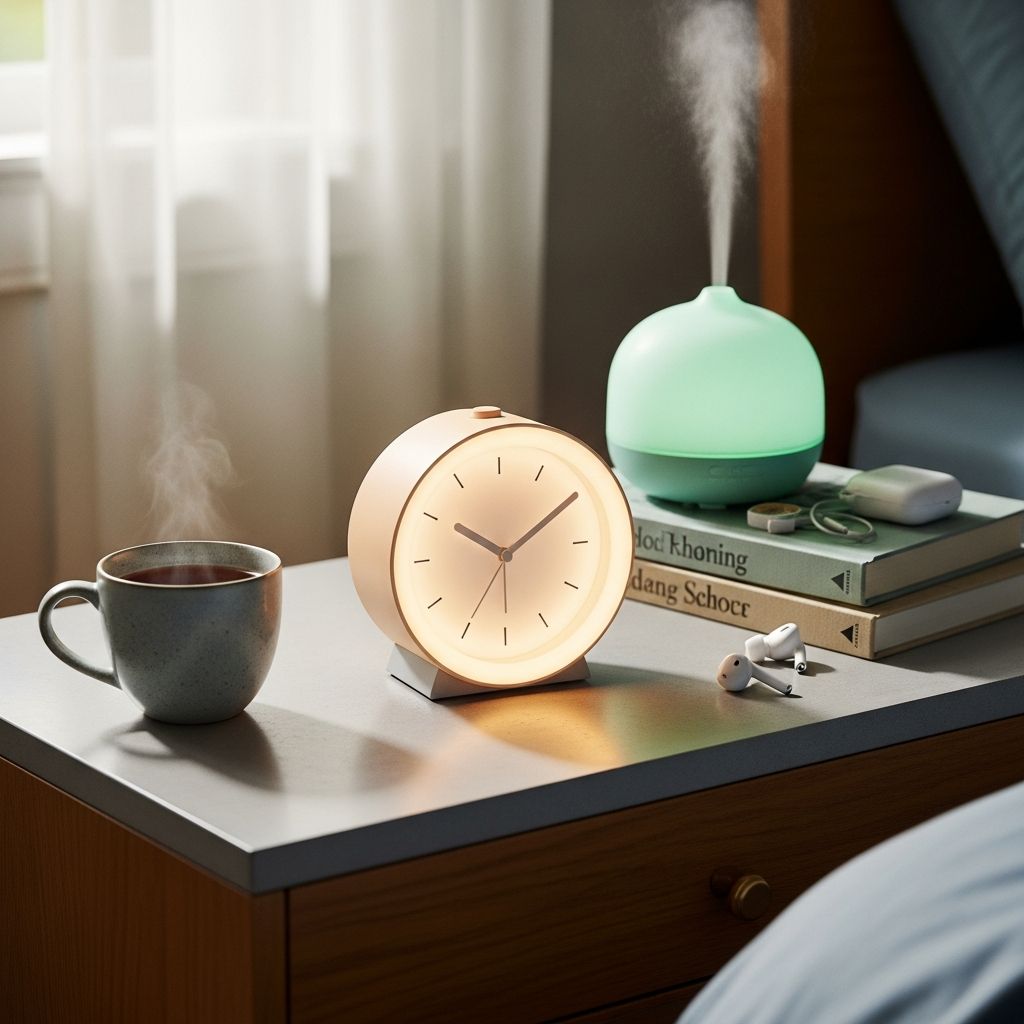
That blaring default alarm on your phone might get you out of bed, but it often starts the day with stress, confusion, and grogginess. There are calmer, more effective ways to wake up that work with your body rather than shocking it awake.
This guide walks through research-backed strategies to replace your default alarm with gentler, smarter wake-up cues using light, sound, movement, and simple mindset shifts. You’ll find practical ideas you can customize, whether you’re a chronic snoozer, a tired parent, or a self-proclaimed night owl.
Why Your Morning Wake-Up Method Matters
How you wake up can influence your energy, mood, and focus for hours. Consistent routines that align with your body’s internal clock (your circadian rhythm) make it easier to wake naturally and feel alert sooner.
| Wake-Up Factor | What Helps | Why It Works |
|---|---|---|
| Light | Natural morning light or bright indoor light | Signals your brain to stop melatonin production and promotes wakefulness. |
| Timing | Regular wake and bed times | Stabilizes circadian rhythm and makes waking up easier over time. |
| Movement | Gentle stretching, short walk, or exercise | Increases circulation and can improve sleep quality later that night. |
| Mindset | Brief planning, mindfulness, or gratitude | Reduces stress reactivity and sets a calmer emotional tone for the day. |
Build a Healthier Wake-Up Foundation
Before swapping alarms, it helps to fix the basics that make mornings easier in any case.
1. Keep a Regular Wake Time
Getting up at roughly the same time every day, weekends included, is one of the most effective ways to make mornings feel easier.
- Pick a wake-up time that fits your real life (work, family, commute).
- Stick within a 30–60 minute window, even on days off.
- Adjust earlier in small steps of 10–15 minutes over several days instead of big jumps.
Over time, your body begins to anticipate this wake time, and many people find they start waking up before the alarm rings.
2. Protect Your Sleep Window
Most adults need around 7–9 hours of sleep. If you’re chronically cutting sleep short, any alarm will feel brutal.
- Count backward from your target wake time to set a realistic bedtime.
- Avoid high-intensity workouts two to three hours before bed to prevent difficulty falling asleep.
- Create a short wind-down routine: dim lights, light reading, or calming music.
3. Prep the Night Before for an Easier Morning
A few minutes of planning in the evening reduces decision fatigue and rushing when you wake up.
- Lay out clothes and pack your bag.
- Set up your coffee maker, water bottle, or breakfast ingredients.
- Write down your top three priorities for the next day so your brain doesn’t spin in bed.
Light-Based Alternatives to Your Default Alarm
Light is one of the most powerful signals to your internal clock. Morning light exposure helps your brain shift from sleep mode to wake mode.
4. Wake Up With Natural Light
When possible, let sunlight do part of the work.
- Sleep with curtains slightly open so daylight can enter.
- As soon as you wake, open blinds or step near a window for several minutes.
- If you have outdoor space, take your first drink of water or coffee outside.
Studies show bright morning light increases alertness and helps fine-tune your circadian rhythm, especially if you’re not naturally a “morning person”.
5. Use Indoor Light Strategically
If you need to get up before sunrise, you can mimic morning light indoors.
- Turn on overhead and task lighting soon after your alarm sounds.
- Consider a lamp on a timer to turn on around your wake time (a simple version of a sunrise clock).
- Avoid lying in the dark with your phone; the darkness tells your body it’s still sleep time.
Sound Options That Beat the Default Beep
Sound still matters—just not a harsh, generic ringtone at full volume.
6. Choose Gentler, Gradually Louder Alarms
Instead of a startling blast, pick sounds that ramp up slowly.
- Opt for alarms that start quietly and increase in volume over 30–60 seconds.
- Try nature sounds, soft music, or chimes rather than jarring tones.
- Place the device or clock far enough away that you must stand to turn it off, helping you avoid returning to bed.
7. Try Energizing Morning Music
Upbeat music can quickly shift your mood and get you moving.
- Create a short “wake-up playlist” that plays after your alarm.
- Pick songs with positive lyrics or memories attached.
- Use speakers instead of headphones when you can, so sound fills the room and feels more immersive.
Move Your Body to Finish Waking Up
Movement increases blood flow and body temperature, helping shake off sleep inertia—that heavy, groggy feeling just after waking.
8. Start With Micro-Movements in Bed
If jumping straight up feels impossible, start small.
- Point and flex your feet several times.
- Gently stretch your arms overhead and to each side.
- Roll your shoulders and neck slowly within a comfortable range.
9. Graduate to Gentle Standing Movement
Once you stand, add a few simple actions to fully switch into wake mode.
- Walk to a window or around your home for one to three minutes.
- Do light stretching, yoga poses, or a few bodyweight squats.
- If time allows, take a short walk outside; regular exercise during the day is linked with better quality sleep and easier wake-ups.
Hydration, Shower, and Temperature Tweaks
Simple physical cues—like water and temperature changes—can powerfully signal your body to become alert.
10. Drink Water Soon After Waking
You lose some fluid overnight through breathing and sweating. Rehydrating helps your system start up.
- Keep a glass or bottle of water near your bed and drink it before checking your phone.
- Add a squeeze of citrus if you enjoy the flavor.
- Pair that first drink with a moment by a window for a double effect: water plus light.
11. Use Your Morning Shower Strategically
Water temperature can influence how awake you feel. A randomized study found that ending hot showers with brief cold exposure in the morning was associated with higher reported energy levels, similar to the effect of caffeine.
- Shower at your usual comfortable temperature first.
- For the last 30–60 seconds, turn the water cooler (within a tolerable range).
- Focus the cooler water on your face, neck, and upper body if a full cold blast feels like too much.
Mindset and Attention: Waking Up Your Mind, Not Just Your Body
How you direct your attention in the first minutes of the day can either calm or overload your mind.
12. Resist Reaching for Your Phone
Jumping straight into email, news, and social media can raise stress and derail your morning routine.
- Set a simple rule: no phone for the first 10–20 minutes after waking.
- Charge your phone across the room or outside the bedroom overnight.
- Use a non-phone alarm clock if you tend to start scrolling the moment you turn off the alarm.
13. Take a Short Mindfulness or Breathing Break
Even a few minutes of calm attention can reduce reactivity and improve how you handle the day’s stressors.
- Try a simple practice: sit comfortably, and for two minutes, notice your inhale and exhale.
- If thoughts appear, acknowledge them and gently bring your focus back to your breath.
- Alternatively, use a brief guided meditation or gratitude reflection.
14. Set a Clear Intention for the Day
Deciding what matters before the day pulls you in every direction can help you feel more purposeful and less scattered.
- Write down one main goal and two smaller tasks.
- Choose a simple phrase like “Today I will move slowly and focus on what’s important” and repeat it to yourself.
- Glance at your calendar once, then put it away while you finish your morning routine.
Design a Simple, Personalized Morning Flow
You do not need a long, complicated routine. A short, repeatable sequence works best.
15. A Sample 10-Minute Wake-Up Routine
Use this as a starting point and adjust based on your schedule and preferences.
- Minute 0–1: Alarm with gentle sound; sit up, open blinds, and turn on a light.
- Minute 1–3: Drink a glass of water while standing near a window.
- Minute 3–6: Do light stretching or a few yoga poses.
- Minute 6–8: Two minutes of deep breathing or mindfulness.
- Minute 8–10: Make your bed and quickly review your top three priorities.
16. Gradually Upgrade Your Wake-Up Habits
Trying to change everything at once can backfire. Start with one or two changes and build from there.
- Week 1: Fix your wake time and add morning light exposure.
- Week 2: Introduce water and a 3-minute movement break.
- Week 3: Add a two-minute mindfulness or intention-setting practice.
Frequently Asked Questions (FAQs)
Q: I’m not a morning person. Can these tips still help?
Yes. While some people naturally prefer later hours, consistent wake times, morning light exposure, and gentle movement can make waking up less difficult over time by nudging your circadian rhythm earlier.
Q: How do I stop hitting the snooze button over and over?
Place your alarm across the room so you have to get up to turn it off, avoid very harsh sounds that make you dread the alarm, and give yourself a clear next step (like opening the blinds and drinking water) so you are not deciding what to do while half-asleep.
Q: Is it bad to wake up to my phone if I change the sound?
Using your phone as an alarm is not inherently harmful, but it becomes a problem if it leads straight to checking messages and social media. To reduce that risk, use airplane mode overnight and commit to a short phone-free window after waking.
Q: How long should a morning routine be?
Your routine can be as short as 5–10 minutes. Research and expert guidance emphasize consistency over length; even a brief, repeatable sequence that includes light, movement, and intention-setting can make a noticeable difference.
Q: What if I work night shifts?
The same principles apply, but you will shift them relative to your sleep time: keep sleep and wake times as consistent as your schedule allows, use bright light when you need to wake up, and create a dark, quiet environment when you need to sleep.
References
- How to Establish a Wake-Up Routine for a Good Morning — American Heart Association. 2022-08-25. https://www.heart.org/en/healthy-living/healthy-lifestyle/sleep/how-to-establish-a-wakeup-routine-for-a-good-morning-every-morning
- How To Wake Up Easier — Headspace. 2023-05-10. https://www.headspace.com/sleep/how-to-wake-up-for-non-morning-people
- How to Establish a Wake-Up Routine (and Actually Stick to It) — Calm. 2023-04-18. https://www.calm.com/blog/wake-up-routine
- 34 Ways to Wake Up Feeling Refreshed and Ready to Go — Healthline. 2023-01-09. https://www.healthline.com/health/healthy-sleep/how-to-wake-up
- How to Wake Up Easier — Sleep Foundation. 2024-02-06. https://www.sleepfoundation.org/sleep-faqs/how-to-wake-up-easier
- Expert Advice on How to Wake Up in the Morning — Mount Sinai Health System. 2022-11-14. https://health.mountsinai.org/blog/expert-advice-on-how-to-wake-up-in-the-morning/

- Integrated M.A. in Applied Linguistics, University of Hyderabad
- 5+ years in editorial, instructional, SEO, and research-based writing
Sneha is a relationships and lifestyle writer with a strong foundation in applied linguistics and certified training in relationship coaching. She brings over five years of writing experience to theskillvault, crafting thoughtful, research-driven content that empowers readers to build healthier relationships, boost emotional well-being, and embrace holistic living. Her writing and insights reflect the belief that beauty, happiness, and wellness…