
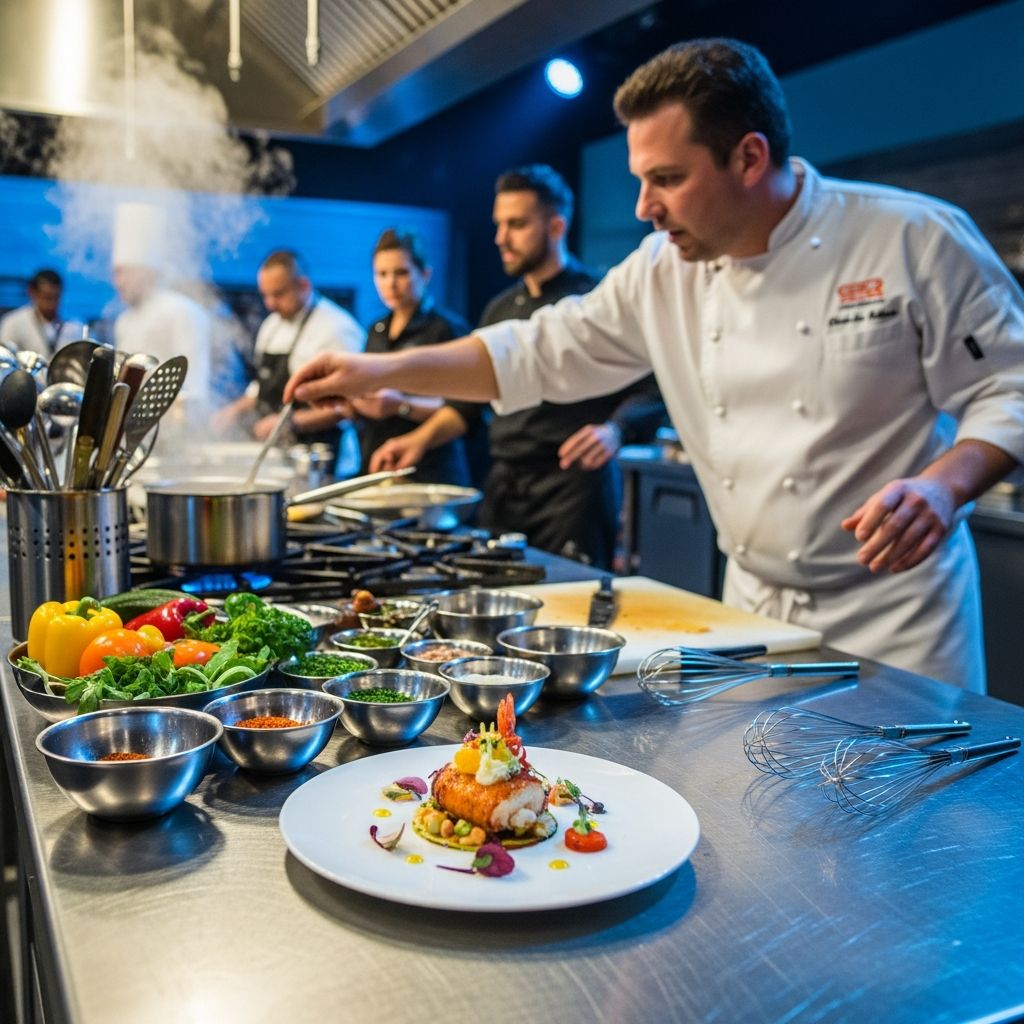
Cooking competitions offer thrilling opportunities for home cooks, aspiring chefs, and professionals to showcase skills under pressure. Success demands more than tasty recipes; it requires strategic planning, mental toughness, and flawless execution. This guide draws from insights by culinary instructors and competition veterans to equip you with actionable steps for victory.
Mastering the Fundamentals Before the Heat
The journey to a podium finish begins long before competition day. Building a strong foundation through deliberate practice separates winners from participants. Experts emphasize replicating real contest conditions at home to build confidence and precision.
- Simulate the Environment: Set up your kitchen to match the event’s setup, including available tools and space constraints. This ‘cloning’ approach ensures familiarity with limitations.
- Develop Muscle Memory: Repeat tasks until movements become automatic, allowing focus on creativity even amid nerves.
- Seek Expert Input: Share practice dishes with mentors for objective critiques, noting feedback on taste, technique, and presentation.
Timing yourself during these sessions reveals hidden inefficiencies, such as ingredient retrieval or basic prep like filleting fish. Consistent practice hones these skills, turning potential pitfalls into strengths.
Decoding Rules and Expectations
One overlooked misstep can lead to disqualification. Thoroughly dissecting contest guidelines is non-negotiable. Understand judging criteria, mandatory ingredients, and prohibitions to align your entry perfectly.
| Aspect | Why It Matters | Action Step |
|---|---|---|
| Required Ingredients | Ensures compliance | Highlight sponsor products prominently |
| Time Limits | Prevents rushed finishes | Practice under strict timers |
| Presentation Rules | Impacts visual scores | Avoid non-edible decorations |
| Originality | Avoids disqualification | Tweak inspirations into unique recipes |
Crowd-pleasing flavors win hearts, but originality sets you apart. Combine familiar tastes innovatively without overcomplicating. Test recipes on diverse groups to gauge broad appeal.
Cultivating Mental and Physical Organization
Organization extends beyond mise en place. Mental preparation—visualizing every step—minimizes errors and boosts composure. A tidy station signals professionalism to judges and aids your workflow.
- Physical Setup: Pre-measure ingredients, arrange tools logically.
- Mental Rehearsal: Mentally walk through recipes multiple times, anticipating hurdles.
- Station Cleanliness: Wipe surfaces regularly for a polished look.
During the event, maintain this order to stay focused. Pros recommend embracing stress through simulated obstacles, like distant pantries, to build resilience.
Time Mastery Under Pressure
Clocks in competitions fly faster than in practice. Train by timing every element: four minutes to start cooking means efficient starts are crucial. Break tasks into micro-schedules.
- Outline sequence: Prep, cook, plate.
- Monitor progress: Glance at clock frequently.
- Adapt: Prioritize core dish components if delays occur.
Top competitors like Tiffany Derry stress home drills for basics, ensuring speed without sacrificing quality. Recreate TV challenges for realistic prep.
Harnessing Nerves for Peak Performance
Nerves are universal, even for pros. The key is channeling them positively rather than succumbing. Pretend you’re cooking for loved ones to foster calm, and stay kind to teammates to avoid tension.
- Stress Inoculation: Introduce deliberate chaos in training.
- Focus Techniques: Tune out distractions, zero in on your plan.
- Positive Mindset: Embrace pressure as fuel for excellence.
Post-feedback adaptation is vital, but avoid drastic changes—refine incrementally based on trusted critiques.
Plating and Presentation Excellence
Your dish’s finale is its visual pitch. Keep it simple yet striking: balance colors, heights, and textures. Hot foods stay hot; cold ones chilled. Use edible garnishes only.
Avoid clutter—mastery shines in restraint. Judges appreciate intentional flavor profiles over gimmicks.
Recipe Development for Maximum Impact
Originality rules: Inspire from sources but transform into your own. List ingredients sequentially, detail steps clearly for replicability. Test repeatedly, enlisting others to verify consistency.
Practice refines favorites into contest-ready gems. Enjoy experimentation—fun fuels creativity.
Building Team Dynamics in Group Events
Team contests demand communication and role clarity. Assign tasks based on strengths, practice transitions smoothly. Positivity under fire strengthens bonds and performance.
Common Pitfalls and Avoidance Strategies
Overambition leads to errors; simplicity wins. Ignoring rules or skimping on practice guarantees failure. Counter with checklists and mock runs.
- Too many ingredients: Stick to essentials.
- Poor time allocation: Prioritize cooking over perfectionism.
- Neglecting feedback: Iterate relentlessly.
Post-Competition Growth
Win or learn, every event builds skills. Analyze performances, network with peers. These connections endure beyond the kitchen.
Frequently Asked Questions (FAQs)
What if I’m a beginner?
Start small, focus on basics. Practice builds proficiency quickly.
How do I choose competitions?
Match your strengths to formats—mystery baskets for improvisers, themed for planners.
What’s the best way to handle judges’ feedback?
Listen actively, adapt thoughtfully without overhauling your style.
Can home cooks really win against pros?
Yes—passion and prep level the field.
How often should I practice?
Daily sessions mirroring contest conditions for peak readiness.
References
- CIA Faculty’s Five Tips for Culinary Competition Success — Culinary Institute of America. 2023-05-15. https://www.ciachef.edu/blog/cia-facultys-five-tips-for-culinary-competition-success/
- 4 Tips for Entering a Competitive Cooking Event — Auguste Escoffier School of Culinary Arts. 2022-11-10. https://www.escoffier.edu/blog/world-food-drink/4-tips-for-entering-a-competitive-cooking-event/
- How Top Chef Tiffany Derry Prepares for Cooking Competitions — Tasting Table. 2024-03-20. https://www.tastingtable.com/1463165/how-top-chef-tiffany-derry-prepares-for-cooking-competitions/
- Ten Tips for Winning a Recipe Contest — The Old Mill. 2023-08-05. https://www.old-mill.com/oldmill-blog/recipe-contest-tips
- ACF Professional Culinary Competition Manual — American Culinary Federation. 2021-01-01. https://www.acfchefs.org/Downloads/Competitions/Culinary-Competition-Manual.pdf

- Integrated M.A. in Applied Linguistics, University of Hyderabad
- 5+ years in editorial, instructional, SEO, and research-based writing
Sneha is a relationships and lifestyle writer with a strong foundation in applied linguistics and certified training in relationship coaching. She brings over five years of writing experience to theskillvault, crafting thoughtful, research-driven content that empowers readers to build healthier relationships, boost emotional well-being, and embrace holistic living. Her writing and insights reflect the belief that beauty, happiness, and wellness…