
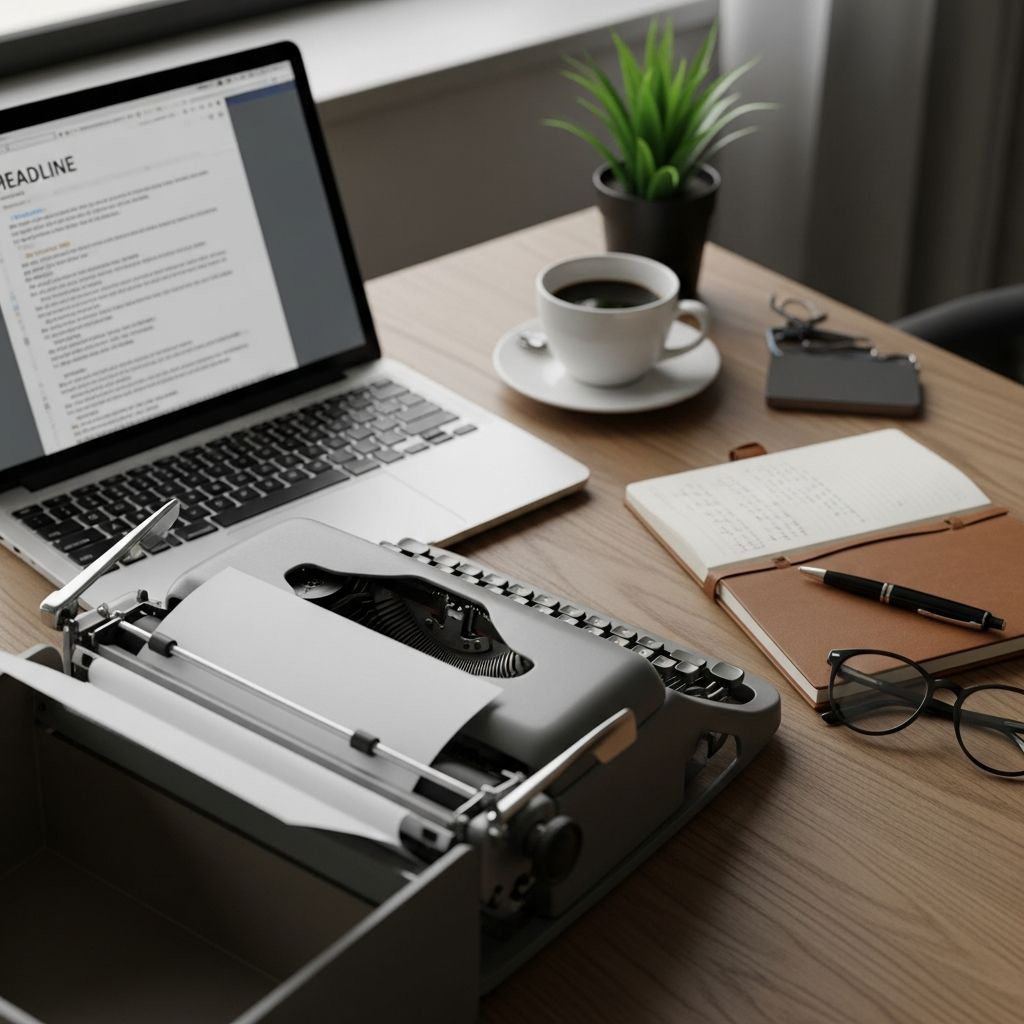
Introduction to Effective Press Release Writing
A press release remains one of the most powerful tools in any organization’s communication arsenal, serving as a bridge between your company and journalists who shape public perception. However, the ability to craft a truly outstanding press release is a skill that requires understanding both journalistic principles and strategic business messaging. While many organizations send out press releases regularly, few achieve the level of quality that compels journalists to take notice and cover the story. The difference between a release that gets filed away and one that generates actual media coverage often comes down to fundamental writing principles, strategic structure, and a deep understanding of your audience’s needs.
The challenge facing communicators today is that journalists receive hundreds of press releases daily. They scan them quickly, looking for genuine news value rather than promotional fluff. To succeed in this competitive environment, you must learn to write with precision, think like a journalist, and present information in a way that makes a reporter’s job easier rather than harder.
Understanding Your Audience and News Value
Before you write a single word of your press release, you must first identify who will read it and why they should care. This foundational step determines the direction, tone, and content of everything that follows. Understanding your audience means going beyond simply knowing they are journalists—you need to understand their specific beats, the publications they write for, and the stories their readers care about most.
The critical question every writer must answer is: “Why should anyone outside my organization find this news interesting?” This isn’t about what matters to your company; it’s about what impacts your target audience. Is your announcement connected to current industry trends? Does it address a pressing problem that affects many people? Will it influence buying decisions, change how people work, or contribute to an important conversation in your field?
Relevance transforms a press release from marketing material into genuine news. When you connect your story to broader trends, social movements, or industry developments, you give journalists a reason to read beyond the first paragraph. Consider what aspect of your news will resonate most with the publication’s readers, and then emphasize that connection throughout your release.
Crafting Headlines That Command Attention
Your headline serves as the gatekeeper to your entire message. Journalists receive so many press releases that they often make split-second decisions about whether to continue reading based solely on the headline. A weak headline consigns your release to the digital trash bin, while a strong one can be the difference between media coverage and obscurity.
Effective headlines share several characteristics. They should be concise—ideally under 100 characters—making them scannable and memorable. Rather than generic statements like “Company Announces New Initiative,” use specific action verbs that convey immediacy and significance. Words such as “unveil,” “reveal,” “transform,” and “achieve” create more engagement than passive constructions like “launch” or “introduce.”
Your headline should also incorporate relevant keywords that reflect how your target audience searches for information, supporting both natural readability and search engine optimization. Include numbers or concrete data whenever possible, as these elements naturally attract attention. For example, “Platform Reduces Project Completion Time by 40%” is significantly more compelling than “Platform Improves Efficiency.”
Additionally, capitalize only the first word and proper nouns in your headline, following professional journalistic standards. This approach actually increases readability and appears more credible to both journalists and readers accustomed to news writing conventions.
Developing a Strong Opening Paragraph
The opening paragraph, often called the lead, must immediately answer the fundamental questions journalists ask: Who, What, When, Where, and Why. This isn’t the place for storytelling or creative flourishes—it’s where you deliver the core news in the clearest, most direct manner possible.
The first sentence deserves particular attention. Journalists often decide within seconds whether to continue reading, and your opening sentence is your only chance to hook them. Make the subject immediately clear and demonstrate why the news matters. Avoid burying important information or forcing readers to hunt through multiple sentences to understand what you’re announcing.
Your lead should expand slightly on your headline while remaining concise. If your headline conveys the basic news, your lead provides essential context that helps readers understand the significance. Connect your announcement to audience concerns or interests, making clear why they should continue reading.
Structuring Information with the Inverted Pyramid Method
The inverted pyramid approach has been standard in journalism for over a century because it works. This structure places the most important, newsworthy information at the top, then progressively adds supporting details, context, and background as the reader moves down the page.
Think of your press release as a funnel with the biggest news at the top and smaller details at the bottom. This structure serves multiple purposes. First, it respects journalists’ time constraints—they can quickly grasp your core story without reading the entire document. Second, if an editor needs to cut your release for space, the most critical information remains intact. Third, it mirrors the structure journalists use when writing news stories, making your release easier for them to repurpose.
Following your lead paragraph, continue with one or two body paragraphs that provide context, supporting details, and relevant statistics. Break your information into distinct ideas, keeping each paragraph focused and manageable. Longer paragraphs intimidate busy journalists; shorter ones encourage completion.
Incorporating Quotes That Add Value
Quotes serve an important function in press releases—they add credibility, provide a human voice, and offer perspective that raw facts cannot convey. However, quotes included simply because “you’re supposed to have them” weaken your release.
Effective quotes provide insight, emotion, or viewpoint that differentiates them from surrounding prose. Rather than generic statements like “We’re excited about this announcement,” use quotes to reveal the thinking behind the news or explain implications that matter to your audience. The quote should sound like a genuine person speaking, not like it was filtered through a legal or marketing department until all personality disappeared.
Keep quotes to two sentences or fewer, maintaining impact and respecting space limitations. Always attribute quotes to real people with real titles—this adds authenticity and gives journalists someone they can contact for follow-up questions. Avoid stacking multiple quotes close together; space them throughout your release where they serve a strategic purpose.
Supporting Your Claims with Data and Evidence
In an era of skepticism toward corporate communications, backing your claims with concrete data separates credible press releases from marketing hype. Whenever you make an assertion about impact, achievement, or significance, support it with evidence.
This evidence can take multiple forms: relevant statistics, survey results, industry benchmarks, historical context, or third-party research. Numbers and concrete examples make your release more compelling and newsworthy. A statement like “Our technology improves team productivity” is significantly less convincing than “Users report a 35% reduction in project turnaround time, based on independent testing by the Institute for Workplace Research.”
When incorporating data, ensure it’s specific and verifiable. Generic claims about improvements or innovations lack the punch of quantified results that journalists can cite with confidence in their own reporting.
The Essential Components of Press Release Structure
Beyond the headline and lead, several structural elements define a professional press release. Understanding and correctly implementing each component ensures your release meets journalistic standards and presents information logically.
- Dateline: Includes the city where the news originates and the release date, formatted as “CITY, Month Date, Year”
- Body Paragraphs: Develop your story with supporting information, additional quotes, and context
- Call to Action: Direct readers to a specific next step—visiting a website, registering for an event, or accessing additional resources
- Boilerplate: A brief, standardized paragraph describing your organization’s mission, history, and key accomplishments
- Media Contact Information: Complete details including name, title, phone number, and email address for journalist inquiries
- Visual Elements: Images, videos, or infographics that enhance engagement and explain complex information
Editing and Refinement Techniques
A well-written first draft becomes outstanding through disciplined editing. Professional press release writers employ a systematic refinement process that transforms verbose initial versions into concise, impactful final products.
The editing process begins by writing everything you want to say without self-censorship, then subjecting that draft to ruthless cutting. Remove every adjective that doesn’t add specific value—words like “innovative,” “cutting-edge,” or “revolutionary” appear in countless releases and add no real information. Identify and eliminate sentences that repeat information already stated elsewhere. Transform passive voice constructions into active voice, which conveys energy and clarity.
Break up complex sentences into simpler ones. If you find yourself constructing a sentence longer than two lines, consider whether it could be split into two or three shorter sentences that each convey a single idea more clearly. Have a colleague review your draft before sending—fresh eyes catch redundancies and unclear passages that the author no longer sees.
Maintaining Conciseness and Clarity
Journalists and readers value brevity. Most press releases should fit on a single page; two pages represents the absolute maximum before the document reads more like a news article than a press release. Aim for 300 to 500 words total, providing enough detail to tell your story without overwhelming busy readers.
Every sentence must earn its place. Ask yourself whether each statement advances your core message or provides essential context. Cut unnecessary jargon, acronyms, or technical language that your audience might not understand. If you must use specialized terminology, define it briefly in parentheses the first time it appears.
Avoid burying critical information in complex paragraphs. Present facts clearly and directly, using simple language and straightforward sentence structures. If your target audience can’t understand your release on first reading, it’s too complicated.
Following Professional Standards and Best Practices
Press releases operate within established professional conventions that make them easier for journalists to understand and use. Adopting these standards increases the likelihood that your release will be taken seriously and accurately represented in media coverage.
Use AP Style formatting guidelines, which standardize punctuation, capitalization, abbreviations, and overall presentation. Use one space after a period, not two. Capitalize only the first word and proper nouns in headlines. Don’t use the Oxford comma. Format numbers and dates consistently according to AP guidelines. These conventions might seem minor, but collectively they signal professionalism and credibility to journalists accustomed to these standards.
Present your release with generous margins and double spacing, making it easy to read and giving editors space for notes. Include clear contact information prominently so journalists can easily reach you with questions. When you respect these conventions, you’re respecting the journalists’ professional norms and making their work easier.
Tailoring Your Message for Maximum Impact
A one-size-fits-all press release rarely generates strong results. Instead, consider tailoring your core message for different audience segments or publications. The central facts remain consistent, but the angle, emphasis, and supporting details can shift based on what matters most to each specific audience.
If you’re announcing a product improvement, technology publications might focus on technical specifications, while business publications emphasize competitive advantages and market impact. Consumer-focused outlets care about how the announcement affects end users. By customizing each release to highlight relevant aspects, you dramatically increase the likelihood that journalists will find your announcement newsworthy for their specific audience.
Avoiding Common Mistakes That Undermine Your Message
Certain errors appear repeatedly in poorly performing press releases and should be actively avoided. Being overly promotional is perhaps the most common mistake—press releases that read like advertisements rather than news announcements are quickly discarded by journalists.
Burying the lead forces readers to hunt for the actual news, frustrating journalists who expect important information upfront. Using vague language or ambiguous phrasing creates confusion rather than clarity. Failing to proofread introduces typos and grammatical errors that undermine credibility. Not providing adequate contact information makes following up unnecessarily difficult.
Additionally, avoid making claims that cannot be substantiated, overstating the significance of routine announcements, or including information that belongs in marketing materials rather than news releases. Remember that journalists have limited space and must choose between dozens of competing stories—give them reasons to choose yours through genuinely newsworthy content presented professionally.
Strategic Distribution and Follow-Up
Writing an outstanding press release represents only part of your responsibility. How and where you distribute it dramatically affects whether it reaches the right journalists and generates coverage. Build a media list of journalists and publications that genuinely cover your industry and audience. Rather than sending to every email address you can find, target releases strategically to relevant reporters who are most likely to cover your story.
Follow up appropriately after distribution, but avoid being aggressive or annoying. A brief, personalized email to key journalists offering additional information or an interview can be valuable. However, bombarding journalists with repeated follow-ups or mass phone calls typically produces negative results.
Measuring Your Press Release Effectiveness
Understanding whether your press releases achieve their intended impact requires systematic tracking. Monitor how many journalists actually use your release, what coverage results, and how that coverage influences audience perception.
Track metrics such as number of publications that covered the story, audience reach through those publications, and whether coverage appeared in your target publications. Monitor social media mentions and website traffic spikes following release distribution. Over time, this data reveals which types of announcements, topics, and angles generate the strongest response, informing your strategy for future releases.
Frequently Asked Questions
Q: What is the ideal length for a press release?
A: Most press releases should be 300 to 500 words and fit on a single page. Two pages maximum is acceptable, but longer documents often go unread by busy journalists.
Q: How should I format the headline of my press release?
A: Keep headlines under 100 characters, capitalize only the first word and proper nouns, and use strong action verbs. Include numbers or data when possible to increase engagement and attention.
Q: What information should always be included in a press release?
A: Include a compelling headline, dateline, engaging lead paragraph answering who/what/when/where/why, body content with supporting details, relevant quotes, a company boilerplate, a call to action, and complete media contact information.
Q: How can I make my press release more engaging?
A: Use active voice, include authentic quotes from real people, incorporate specific data and examples, keep paragraphs short, and connect your announcement to trends or issues that matter to your audience.
Q: When should I distribute my press release?
A: Distribute when your news is timely and relevant. Coordinate with any public announcements or events, and consider industry publication deadlines. Avoid sending on holidays or weekends when journalists may not check email.
Q: Should I include images or videos in my press release?
A: Yes, multimedia elements can increase engagement significantly. High-quality images, videos, or infographics that clarify or enhance your message make your release more attractive and more likely to be used by journalists.
References
- Writing a Press Release: 6 Expert Tips to Get Noticed — Super Copy Editors. 2025. https://supercopyeditors.com/blog/writing/tips-for-writing-press-release/
- How to Write a Press Release: Tips and Best Practices — PR Newswire. 2025. https://www.prnewswire.com/resources/articles/how-to-write-a-press-release-tips-and-best-practices/
- How to Write a Press Release — SAGE Publishing. 2020. https://www.sagepub.com/docs/default-source/rp-pages/info-for-authors/j23_2386_press_release_toolkit_update.pdf
- Writing Press Releases — Purdue University Online Writing Lab. 2024. https://owl.purdue.edu/owl/subject_specific_writing/journalism_and_journalistic_writing/press_releases.html
- How to Write Press Release In 2025 – Guidelines, Formats — PR News. 2025. https://prnews.io/press-release-format/

Medha Deb is an editor with a master's degree in Applied Linguistics from the University of Hyderabad. She believes that her qualification has helped her develop a deep understanding of language and its application in various contexts. Medha specializes in the areas of beauty, health, sports, and wellness and is committed to ensuring that the content on the website is…