
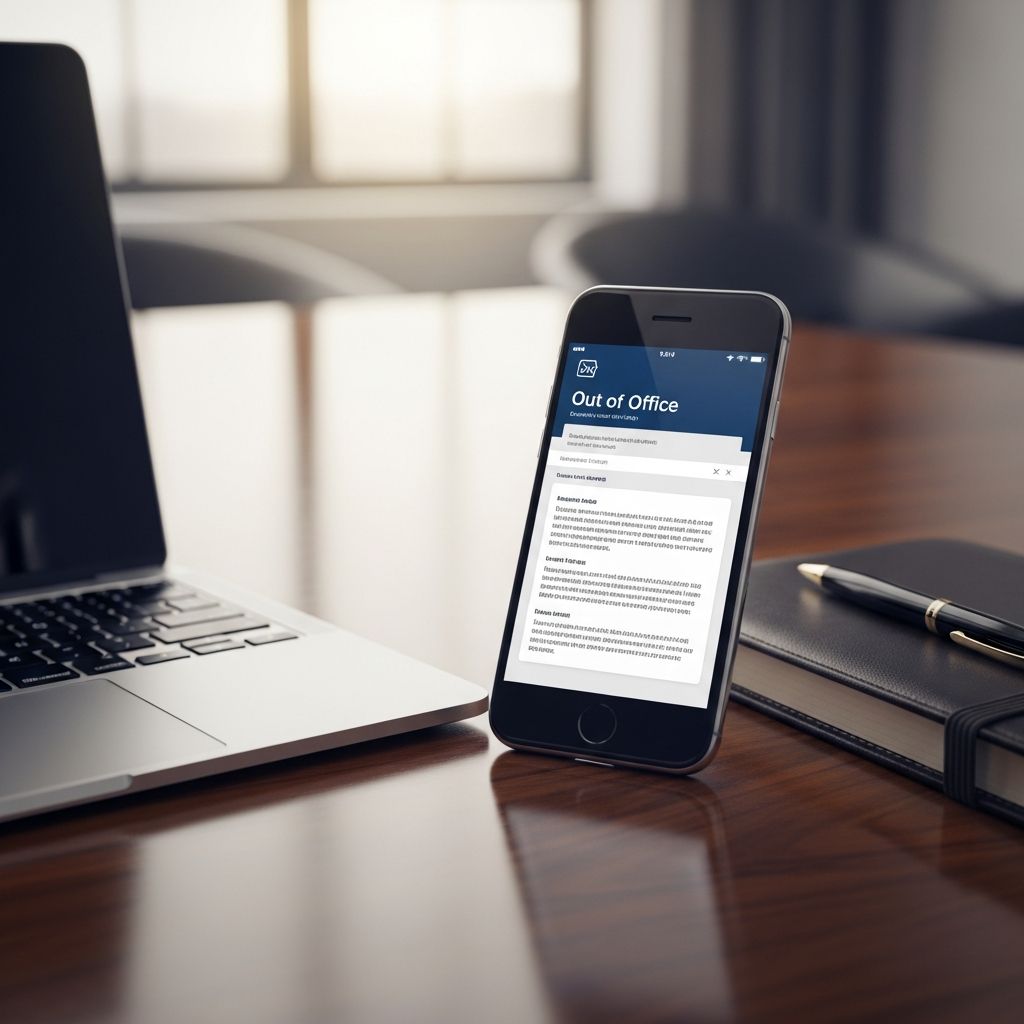
Understanding the Strategic Value of Your Away Message
When you step away from your desk, your email doesn’t take a vacation. Instead, it continues to receive messages from clients, colleagues, vendors, and stakeholders who expect timely responses. An out-of-office message serves as your digital proxy, working around the clock to manage expectations and maintain professional relationships even in your absence. Rather than viewing these automatic replies as mere formalities, savvy professionals recognize them as critical communication tools that protect their reputation and prevent business disruptions.
The primary function of an away message extends beyond simply informing people that you’re not available. It sets clear boundaries about your responsiveness, provides alternative contacts for urgent matters, and demonstrates organizational professionalism. A well-crafted message reassures your contacts that their concerns haven’t been forgotten and establishes a realistic timeline for when they can expect a response. This strategic approach to temporary unavailability can actually strengthen professional relationships by managing expectations and reducing frustration from delayed replies.
Essential Components That Make Your Away Message Effective
Creating a compelling out-of-office message requires understanding the fundamental building blocks that transform a simple notification into a professional communication. Each element serves a specific purpose in your overall message architecture.
Clear Return Date Specification
The most critical information in your away message is when you’ll be back. Ambiguity about your return creates uncertainty for your contacts and may lead them to seek alternatives or escalate their concerns. Provide a specific date, and if possible, include the day of the week to eliminate confusion across time zones. Instead of saying “I’ll be back soon,” specify “I will return on Friday, December 15th.” This precision helps senders plan their follow-up communications accordingly.
Acknowledgment of Receipt
Opening your message with a genuine thank you validates the sender’s effort to reach out. Phrases like “Thank you for your email” or “I appreciate you taking the time to contact me” establish a courteous tone from the very first line. This acknowledgment creates a positive impression even though you’re unavailable, demonstrating that your organization values every message received.
Alternative Contact Routing
Never leave your contacts in a dead end. Always provide at least one alternative contact for urgent matters. Before including a colleague’s name and contact information, ensure you have their explicit permission and that they’re genuinely prepared to handle overflow from your role. This prevents frustration for both your contacts and your colleague who unexpectedly becomes a substitute for your responsibilities.
Explanation of Availability
Briefly describe your availability status during your absence. Are you completely offline, checking email sporadically, or maintaining limited connectivity? This sets realistic expectations for response times. A message indicating “limited email access” differs significantly from “no internet access,” and senders will adjust their expectations accordingly.
Professional Closing
Conclude with gratitude for the sender’s patience or understanding. A respectful sign-off that includes your name maintains the professional tone throughout the message and provides identification in case email threading isn’t clear.
Tailoring Your Message to Different Absence Scenarios
Not all absences are created equal, and your away message should reflect the specific circumstances of your departure. Different situations call for different messaging approaches to maintain professionalism while accurately representing your situation.
Quick Getaways and Brief Absences
When you’re gone for just a day or two, your message can be relatively concise. These short-term absences typically don’t require elaborate explanations, but they do require clear return dates. Your contacts need to know if you’ll be back tomorrow or next week. A brief message acknowledging receipt and providing a specific return date is usually sufficient. You might mention limited email access if you’ll be checking messages minimally, but avoid over-explaining a brief departure.
Vacation and Extended Time Off
Longer absences warrant slightly more detailed messages. When you’re taking a week or more away, consider including information about how urgent matters will be handled. Mentioning that you’re taking time to recharge or pursue personal interests (without excessive detail) humanizes your message. However, maintain boundaries by avoiding overly casual language or personal information that blurs professional lines. Your tone should convey that you’re taking deserved time away while remaining committed to your professional responsibilities.
Medical or Personal Leave
Sensitive circumstances require thoughtful messaging. You don’t need to disclose specific health conditions or personal crises, but acknowledging that you’re dealing with important personal matters explains your absence without invading your privacy. A message such as “I am currently attending to personal matters and will return on [date]” provides context without oversharing. Always prioritize your dignity and personal boundaries when crafting messages related to medical or family situations.
Business Travel and Conference Attendance
When your absence involves work-related travel, your message can reflect this context. Mentioning that you’re attending a conference or on a business trip helps contacts understand why you might have reduced availability while still being professionally engaged. This messaging approach differs from vacation communications because it maintains your professional focus even during your absence. Consider mentioning that you’ll have sporadic email access or will respond upon your return, depending on your actual connectivity during the trip.
Project-Focused or Crisis-Mode Situations
Sometimes you’re in the office but completely unavailable due to deadline crunches or intensive projects. These situations call for messages that acknowledge your physical presence while explaining your unavailability. A message indicating you’re deeply engaged in important project work sets expectations that you won’t be responsive to non-urgent matters until project completion. This protects your focus time while still maintaining communication with your contacts.
The Delegation and Responsibility Framework
Including alternative contacts in your away message places responsibility on those individuals to handle overflow. This is a significant ask that shouldn’t be taken lightly. Before publicizing a colleague’s contact information, have a direct conversation about what types of requests they’re willing to handle, what authority they have to make decisions, and how to escalate matters that require your specific expertise.
Create a simple handoff document for your team that outlines priority levels and routing decisions. Which requests need immediate attention? Who should handle customer inquiries? What decisions can your backup make independently, and what needs to wait for your return? This preparation prevents your colleagues from becoming overwhelmed and ensures that legitimate urgent matters receive appropriate attention.
Consider creating a tiered system for urgent requests. Perhaps routine questions go to a general inbox or colleague, while client emergencies route to a senior team member. This structure prevents decision-making bottlenecks and ensures that truly critical matters don’t languish waiting for your return.
Tone, Formality, and Professional Standards
Your away message represents your professional brand. While you have flexibility in tone, maintain a baseline of professionalism appropriate to your industry and workplace culture. A casual startup environment might accommodate more personality in your away message, while law firms and financial institutions demand more formal language.
Avoid humor that might confuse international contacts or create misunderstandings across cultural contexts. Phrases like “I’m out of the office living my best life” or “Don’t worry, I’ll eventually resurface” can undermine the professional credibility you’ve built. Similarly, avoid negativity or complaints about being overworked, even if well-intentioned as humor. Your away message should present you as someone who takes professional communication seriously.
That said, your message doesn’t need to be cold or robotic. Warm language that expresses genuine appreciation for your contacts’ messages and acknowledgment of their concerns strikes the right balance. You can be personable without being unprofessional.
Strategic Implementation and Technical Considerations
The most thoughtful away message becomes ineffective if it’s not properly activated in your email system. Set your out-of-office message at least one day before your departure to ensure it’s functioning correctly. Test it by having a colleague send you a message and confirm that the auto-reply works as intended.
Most email platforms allow you to specify the dates your message should automatically deploy and then deactivate. Set your message to activate before your departure and automatically disable on your return date. This prevents the awkward situation of still receiving away messages after you’re back in the office.
Consider whether you want to send your away message to everyone or just external contacts. Many professionals choose to exclude internal colleagues from receiving the automatic reply, instead using team communications to notify colleagues of their absence. This reduces email clutter for people who likely already know about your departure.
Frequently Asked Questions About Away Messages
Q: Should I include a personal phone number in my away message?
A: Exercise caution with personal phone numbers. If you do include one, ensure it’s a number where you’re genuinely reachable during your absence. For most situations, directing urgent contacts to a colleague’s contact information is preferable to publicizing your personal number.
Q: How often should I update my away message if my return date changes?
A: Update immediately if your return date shifts significantly. If you’re delayed by a few days, send a message to key contacts informing them of the change rather than updating the automatic reply, as many people will have already received the original message.
Q: Is it unprofessional to mention wellness or personal time in my away message?
A: Not at all. Briefly mentioning that you’re taking time to recharge or pursue personal interests humanizes your message and demonstrates that you maintain work-life balance. Avoid excessive detail, but brief context is professional and healthy.
Q: What should I do about emails requiring responses that arrive before I return?
A: Create a task list during your first day back, prioritizing responses by urgency and sender importance. Batch similar types of responses together for efficiency. Some older messages may have resolved themselves, and others might be better handled with a brief phone call rather than written response.
Q: Should my away message differ for clients versus internal colleagues?
A: Consider using different messages if your email system supports it. Client messages might include more detailed alternative contact information, while internal colleague messages can be more casual and brief.
Practical Examples for Different Professional Contexts
Different industries and roles benefit from slightly different approaches to away messages. A customer-facing sales position demands different messaging than a back-office operations role. A healthcare provider has different considerations than a software developer.
Healthcare professionals might emphasize patient care routing and confidentiality considerations. Sales professionals should ensure continuity of client relationships through clear backup contacts. Administrative roles might focus on ensuring business continuity through detailed handoff documentation referenced in the away message. Tailor your approach to reflect the most critical concerns in your specific role.
The beauty of a well-constructed away message is that it prevents problems rather than just acknowledging them. By setting clear expectations, providing legitimate alternatives, and demonstrating professional consideration for your contacts, you maintain relationships and organizational efficiency even during your absence. Your away message becomes an extension of your professionalism, not an interruption to it.
References
- 10 Out-of-Office Message Examples: Tips for OOO Communication — Grammarly. 2024. https://www.grammarly.com/blog/emailing/out-of-office-message/
- 100 Professional Out-of-Office Message Examples — ClickUp. 2024. https://clickup.com/blog/out-of-office-message-examples/
- 50+ Top Out of Office Message Templates & Examples — BoldDesk. 2024. https://www.bolddesk.com/blogs/out-of-office-message
- 10 Out-of-Office Message Examples for Every Scenario — InHerSight. 2024. https://www.inhersight.com/blog/culture-and-professionalism/out-office-message-examples
- How To Write an Out-Of-Office Message (With 15 Examples) — Indeed Career Advice. 2024. https://www.indeed.com/career-advice/career-development/out-of-the-office-message

- Integrated M.A. in Applied Linguistics, University of Hyderabad
- 5+ years in editorial, instructional, SEO, and research-based writing
Sneha is a relationships and lifestyle writer with a strong foundation in applied linguistics and certified training in relationship coaching. She brings over five years of writing experience to theskillvault, crafting thoughtful, research-driven content that empowers readers to build healthier relationships, boost emotional well-being, and embrace holistic living. Her writing and insights reflect the belief that beauty, happiness, and wellness…