
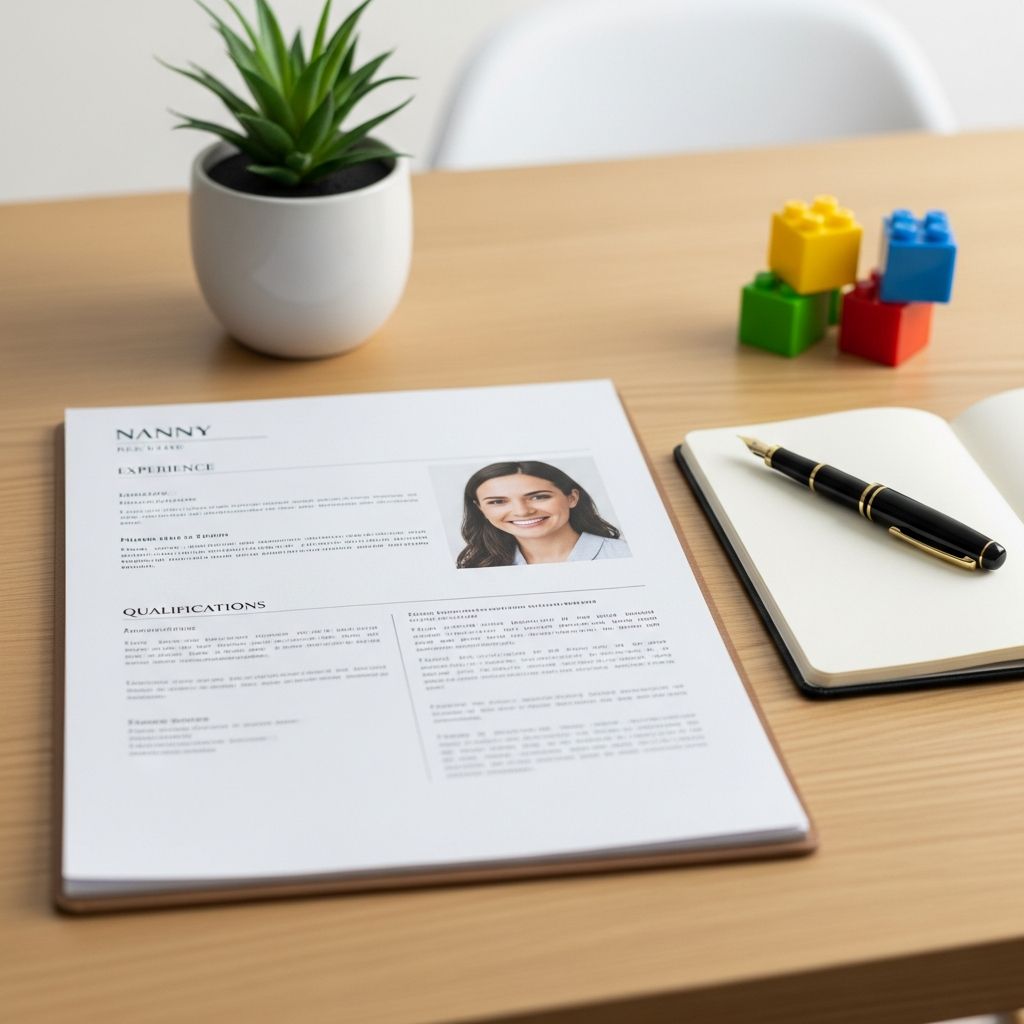
Why Your Nanny Resume Matters More Than You Think
For families searching for a nanny, the resume is often the first real impression they have of you. It’s not just a list of past jobs—it’s a reflection of your reliability, professionalism, and commitment to children’s well-being. A well-crafted nanny resume does more than describe duties; it tells a story of trust, consistency, and care. In a competitive market, a generic or poorly organized resume can be overlooked, even if you’re an excellent caregiver. The goal is to create a document that feels personal yet polished, warm yet professional, and above all, trustworthy.
Understanding What Families Are Looking For
Families hiring a nanny are not just looking for someone who can watch their children. They want someone who:
- Is genuinely invested in their children’s growth and safety
- Can be relied upon consistently, often with minimal supervision
- Communicates clearly and respectfully with parents and children
- Handles emergencies calmly and knows basic safety procedures
- Brings structure, creativity, and warmth to daily routines
Your resume should reflect these qualities not just in what you say, but in how you say it. The tone, organization, and specific examples you choose all contribute to the overall impression of who you are as a caregiver.
Choosing the Right Resume Format for a Nanny Role
There are several resume formats, but for most nannies, a chronological format works best. This format lists your work history in reverse order, starting with your most recent position. It’s ideal because it shows a clear, stable employment history—something families value highly.
If you’re new to professional childcare or have gaps in employment, a combination or skills-focused format can help highlight your strengths even if your work history is limited. The key is to keep the layout clean, easy to scan, and free of clutter. Busy parents often skim resumes quickly, so important information should be easy to find at a glance.
Structuring Your Nanny Resume for Maximum Impact
A strong nanny resume typically includes the following sections, arranged in a logical order:
- Contact information
- Professional summary or objective
- Work experience
- Skills
- Education and certifications
- References (optional on the resume, but prepare a separate list)
Each section should be concise but meaningful. The goal is to give families a clear picture of who you are, what you’ve done, and why you’re the right fit for their family.
Presenting Your Contact Information Clearly
At the top of your resume, include your full name, phone number, and a professional email address. If you’re comfortable, you can also include your city and state (no full street address is needed). Make sure your voicemail and email are set up professionally—this small detail can make a big difference in how you’re perceived.
Example:
- Name: Maria Thompson
- Phone: (555) 123-4567
- Email: maria.thompson@email.com
- Location: Seattle, WA
Writing a Compelling Professional Summary
The professional summary (sometimes called a profile or objective) is a short paragraph at the top of your resume that introduces you as a caregiver. Think of it as your elevator pitch: in just a few sentences, you want to convey your experience, your approach to childcare, and what makes you stand out.
A strong summary for a nanny might include:
- Years of experience and age groups you’ve worked with
- Your general childcare philosophy (e.g., nurturing, structured, educational)
- Key strengths like safety awareness, communication, or special skills
Example:
Dedicated and compassionate nanny with over five years of experience caring for children ages 6 months to 10 years. Skilled in creating safe, engaging routines that support emotional, physical, and cognitive development. Strong background in early learning activities, behavior management, and household coordination. CPR and First Aid certified, with a focus on open communication and partnership with parents.
Detailing Your Work Experience Effectively
Your work experience section is the heart of your resume. For each nanny or childcare-related role, include:
- Job title (e.g., Nanny, Live-in Nanny, Family Assistant)
- Employer (family name or “Private Family”)
- Location (city, state)
- Dates of employment
Under each position, use 3–5 bullet points to describe your responsibilities and achievements. Focus on:
- Daily routines (meals, naps, play, school support)
- Safety and supervision practices
- Developmental and educational activities
- Household tasks related to childcare (laundry, meal prep, organizing toys)
- Special situations (travel, multiple children, special needs)
Use strong action verbs like:
- Supervised
- Planned
- Organized
- Implemented
- Supported
- Coordinated
- Managed
Where possible, add measurable outcomes or specific examples:
- “Created and followed a daily schedule for two children ages 3 and 6, improving nap consistency and reducing bedtime resistance.”
- “Introduced simple educational games that helped a 4-year-old recognize letters and numbers within three months.”
- “Managed all childcare-related household tasks, including meal planning, laundry, and maintaining a clean, child-safe environment.”
Highlighting Relevant Skills for Nanny Roles
Your skills section should reflect both hard and soft skills that are important in childcare. Group them into categories if it helps with clarity, such as:
Childcare & Development
- Infant and toddler care
- Early childhood education
- Behavior management
- Developmental milestone tracking
- Play-based learning
Safety & Emergency Preparedness
- CPR and First Aid certified
- Childproofing and safety checks
- Emergency response procedures
- Medication administration (if applicable)
Household & Organizational Skills
- Meal planning and preparation
- Laundry and light housekeeping
- Scheduling and time management
- Transportation and errands
Communication & Interpersonal Skills
- Parent communication and updates
- Conflict resolution with children
- Professional boundaries
- Active listening
Specialized or Additional Skills
- Bilingual (e.g., Spanish/English)
- Tutoring or homework help
- Music, art, or sports instruction
- Driving and car seat safety
- Travel readiness (vacations, trips)
Be honest about your skill level. If you’re comfortable listing a skill, be prepared to discuss it in an interview.
Listing Education and Certifications Strategically
Include your highest level of education, even if it’s not in childcare. For example:
- High school diploma or GED
- College coursework or degree (any field)
- Child development or early childhood education training
Then, create a separate section for certifications, which are especially important for nannies. List them clearly with the issuing organization and date (or expiration, if applicable). Examples:
- CPR Certified – American Red Cross, 2024
- First Aid Certified – American Heart Association, 2024
- Infant Care Specialist – National Childcare Association, 2023
- Safe Sleep Training – AAP Guidelines, 2023
If you’ve completed any nanny-specific training programs, workshops, or online courses, include those as well. They show initiative and a commitment to professional growth.
Adding Personality Without Losing Professionalism
Families want to hire someone who feels like a good fit for their home, not just a qualified caregiver. It’s okay—and often helpful—to let a bit of your personality shine through, as long as it remains professional.
Ways to do this:
- Use warm but clear language in your summary and descriptions
- Mention interests that relate to childcare (e.g., “passionate about outdoor play and nature-based learning”)
- Include a brief note about your childcare philosophy if it fits naturally
Avoid overly casual language, slang, or excessive personal details. The goal is to feel approachable and genuine, not unprofessional.
Common Mistakes to Avoid in a Nanny Resume
Even experienced caregivers can make small errors that weaken their resume. Watch out for:
- Being too vague: Phrases like “took care of kids” or “helped with household tasks” don’t give families a clear picture of what you actually did.
- Overloading with irrelevant details: Hobbies or unrelated jobs can distract from your childcare strengths unless they directly support your nanny role.
- Ignoring safety and certifications: Not highlighting CPR, First Aid, or other safety training can make families question your preparedness.
- Poor formatting: Dense blocks of text, inconsistent fonts, or unclear section headings make your resume hard to read.
- Spelling and grammar errors: These can create the impression of carelessness, which is especially concerning when children’s safety is involved.
Tailoring Your Resume for Each Family
While it’s tempting to use the same resume for every application, customizing it slightly for each family can make a big difference. Review the job description carefully and adjust your resume to highlight the most relevant experience and skills.
For example:
- If the family has infants, emphasize your experience with newborns, feeding, and safe sleep practices.
- If they want help with school-age children, highlight homework support, tutoring, and after-school routines.
- If they mention travel or multiple children, focus on your experience with those situations.
This doesn’t mean rewriting your entire resume each time—just adjusting a few key points to align with what the family is looking for.
Final Touches: Proofreading and Presentation
Before sending your resume, take time to review it carefully:
- Read it aloud to catch awkward phrasing or errors.
- Ask a trusted friend or mentor to review it for clarity and tone.
- Check that all dates, names, and contact information are accurate.
- Save it as a PDF to preserve formatting, especially if you’re emailing it.
A clean, well-organized resume in PDF format shows attention to detail and professionalism. If you’re applying through an agency, follow their specific formatting guidelines if provided.
What to Include (and What to Leave Out)
To keep your resume focused and effective, consider this simple guideline:
| Include | Leave Out |
|---|---|
| Childcare experience and responsibilities | Full home address (city/state is enough) |
| CPR, First Aid, and other relevant certifications | References on the resume (have them ready separately) |
| Age groups and number of children cared for | Photos (unless specifically requested) |
| Household tasks related to childcare | Unrelated jobs unless they show transferable skills |
| Special skills (languages, tutoring, driving, etc.) | Personal opinions or political/religious views |
Frequently Asked Questions About Nanny Resumes
How long should a nanny resume be?
Most nanny resumes should be one to two pages. If you have several years of relevant experience, two pages are acceptable. Keep it concise and focused on childcare and related responsibilities.
Should I include references on my resume?
It’s not necessary to list references directly on your resume. Instead, prepare a separate reference sheet with names, titles, contact information, and a brief note about your relationship. Offer it when requested.
What if I don’t have formal nanny experience?
Focus on any childcare experience you do have—babysitting, family care, volunteering, or working in daycare or camps. Highlight transferable skills like responsibility, safety awareness, and working with children of different ages.
How do I talk about working for private families?
It’s common to list positions as “Private Family” or “Confidential Employer” if you prefer not to use names. You can still describe the role, responsibilities, and children’s ages clearly without compromising privacy.
Is it okay to mention household tasks?
Yes, especially if they’re related to childcare (meal prep, laundry, organizing toys). Be clear about what’s included, but keep the focus on the children’s well-being and routine.
How often should I update my nanny resume?
Update it whenever you gain new certifications, complete training, or take on a new role. Even if you’re not actively job hunting, keeping it current makes it easier to apply when opportunities arise.
References
- Child Care Provider Certification and Training — U.S. Department of Health & Human Services, Administration for Children and Families. 2023. https://www.acf.hhs.gov/ecd/child-care-provider-certification-training
- CPR & First Aid Training for Childcare Providers — American Heart Association. 2024. https://cpr.heart.org/en/training-programs/childcare-providers
- Safe Sleep Recommendations for Infants — American Academy of Pediatrics. 2022. https://publications.aap.org/pediatrics/article/150/1/e2022057960/188078/Safe-Sleep-Recommendations-for-Infants

- Integrated M.A. in Applied Linguistics, University of Hyderabad
- 5+ years in editorial, instructional, SEO, and research-based writing
Sneha is a relationships and lifestyle writer with a strong foundation in applied linguistics and certified training in relationship coaching. She brings over five years of writing experience to theskillvault, crafting thoughtful, research-driven content that empowers readers to build healthier relationships, boost emotional well-being, and embrace holistic living. Her writing and insights reflect the belief that beauty, happiness, and wellness…