
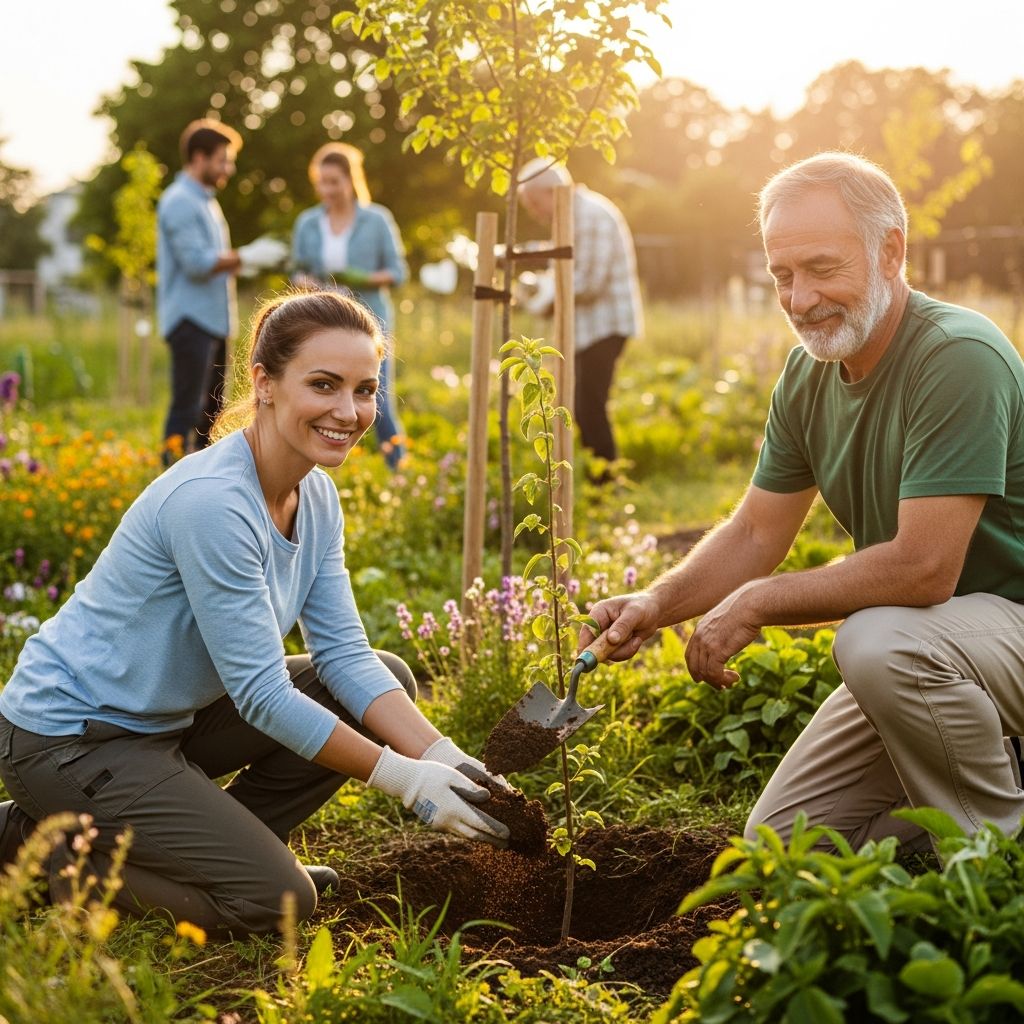
Volunteering is often viewed as a generous act that benefits other people, but research shows it can also be a powerful tool for protecting and improving your own mental health. When you give time, skills, or attention to a cause you care about, you activate emotional, social, and even biological processes that support well-being.
This guide explains how volunteering supports mental health, what the science says, and how to get started in a way that feels sustainable and safe.
Why Helping Others Helps Your Mind
When you volunteer, your brain responds as if you have received a reward. Helping others is linked to the release of dopamine, serotonin, and endorphins, chemicals associated with pleasure, motivation, and pain relief. These changes can temporarily boost mood and, when repeated over time, may contribute to more stable emotional health.
Large reviews of studies have also found that volunteering is associated with:
- Lower symptoms of depression and anxiety
- Reduced stress levels and better mood regulation
- Greater life satisfaction and sense of meaning
- Better overall social and physical functioning
Core Mental Health Benefits of Volunteering
1. Natural Stress Relief
Chronic stress can wear down both mind and body, increasing the risk of depression, anxiety, and physical illness. Volunteering offers a healthy way to interrupt stress cycles by:
- Shifting attention away from rumination and self-criticism
- Providing positive social interactions and supportive relationships
- Creating predictable routines that foster stability
Clinical experts note that volunteer work can reduce stress and improve overall life satisfaction by promoting a sense of contribution and belonging.
2. Lower Depression and Anxiety Symptoms
An umbrella review of 28 systematic reviews found that volunteering is linked to improvements in mood, including reduced depressive symptoms and better overall emotional well-being. Some individual studies have also reported reductions in anxiety among volunteers.
Volunteering can help by:
- Introducing pleasurable and meaningful activities into the week
- Breaking cycles of withdrawal and isolation common in depression
- Giving people achievable tasks that build confidence and motivation
While it is not a substitute for professional care, volunteering can complement therapy or medication as part of a broader mental health plan.
3. Stronger Sense of Purpose and Identity
Feeling useful and valued is a core psychological need. Civic engagement and volunteering consistently increase people’s sense of purpose and meaning in life. This is important because a strong sense of purpose is associated with lower stress, less depression, and healthier aging.
By contributing to something larger than yourself, you may find that:
- Your daily routines feel more meaningful
- You better understand your strengths and values
- You are more resilient when facing your own challenges
4. Reduced Loneliness and Stronger Social Connections
Loneliness is linked to higher rates of depression, anxiety, and even physical illness. Many volunteering roles naturally create opportunities for social connection, which can buffer against loneliness.
Evidence shows that volunteering:
- Expands social networks and friendships
- Increases feelings of belonging and social integration
- Improves perceived social support from peers and community
These effects are especially important for older adults, people living alone, students in a new city, and anyone rebuilding their social world after a major life change.
5. Higher Confidence and Self-Esteem
Successfully helping others can reshape how you see yourself. Volunteers often report:
- Greater self-confidence in their abilities
- A stronger sense of self-worth
- More optimism about what they can accomplish in other areas of life
These shifts can be particularly meaningful for people who have struggled with low self-esteem, unemployment, or long-term health problems.
6. Long-Term Health and Resilience
Beyond short-term mood boosts, volunteering has been associated with better long-term outcomes. Reviews have found links between volunteering and:
- Improved overall functioning in daily life
- Healthier behaviors, such as increased physical activity
- Lower mortality rates among older adults who volunteer regularly
These findings suggest that regular volunteering may contribute to greater resilience and a healthier trajectory over time, especially when combined with other positive lifestyle choices.
How Volunteering Supports Mental Health at Different Life Stages
| Life Stage | Key Mental Health Challenges | Potential Benefits of Volunteering |
|---|---|---|
| Teens & Students | Identity development, academic pressure, social comparison | Builds confidence, skills, and supportive peer networks; encourages healthy role models. |
| Young Adults | Career stress, loneliness in new cities, uncertainty about direction | Provides structure, expands social circle, clarifies values and potential career interests. |
| Midlife Adults | Work–life imbalance, caregiving strain, burnout | Offers meaningful engagement beyond work, reduces stress, reinforces a sense of contribution. |
| Older Adults | Retirement transitions, grief, social isolation | Increases social contact, preserves cognitive and physical activity, supports purpose in later life. |
Choosing Volunteer Roles That Support Your Mental Health
Not every volunteering opportunity will be a good fit for every person. The goal is to find roles that are meaningful, manageable, and emotionally safe for you.
Match the Role to Your Energy and Abilities
Before you commit, reflect on:
- Time capacity – How many hours per week or month can you realistically offer?
- Physical needs – Do you prefer seated tasks, remote work, or more active roles?
- Emotional bandwidth – Are you comfortable with intense situations, or do you need something lighter right now?
Experts recommend being honest about your limits so that volunteering remains a source of support, not an additional burden.
Align With Your Values and Interests
Research suggests that people gain the most from volunteering when the work feels personally meaningful and aligned with their values. Consider causes such as:
- Mental health advocacy or peer support
- Environmental or animal welfare projects
- Education, mentoring, or tutoring
- Community food banks or housing initiatives
- Arts, culture, or sports programs
When your volunteering reflects what you care about, you are more likely to feel fulfilled and stay engaged.
Start Small and Build Gradually
If you are currently managing significant stress, grief, or symptoms of a mental health condition, consider:
- Trying one-time events before ongoing commitments
- Beginning with low-intensity tasks such as administrative help or online support
- Checking in with a therapist or healthcare provider about your plans
This step-by-step approach lets you test how volunteering affects your mood and energy, and adjust if needed.
Practical Ideas for Mentally Supportive Volunteering
Here are examples of volunteering types that can be especially supportive for mental health, depending on your preferences.
- Social connection–focused roles
Visiting older adults, hosting community groups, joining mutual aid networks, or participating in peer support programs can reduce loneliness for both you and others. - Skill-based projects
Using professional skills (such as design, writing, language, or tech help) can reinforce your sense of competence and broaden your experience. - Nature and outdoor volunteering
Community gardening, park cleanups, or conservation projects combine the mental health benefits of nature exposure with those of helping others. - Creative and cultural activities
Supporting arts events, music programs, or cultural organizations can provide a positive outlet for expression and connection. - Remote or flexible roles
Online tutoring, crisis text support (with proper training), digital organizing, or administrative tasks can be ideal if you need to volunteer from home or manage fluctuating energy levels.
Staying Safe: When Volunteering Might Be Too Much
While volunteering often supports mental health, there are times when additional care is needed to protect your well-being.
- If you feel obligated to keep volunteering even when you are exhausted or unwell
- If you are drawn only to highly distressing situations and feel emotionally overwhelmed afterward
- If volunteering starts to replace, rather than complement, needed professional help
In these cases, it may help to:
- Reduce your hours or choose a less intense role
- Talk with a supervisor about boundaries and support
- Reach out to a mental health professional for guidance
Research has found that in rare situations where volunteers face chronic high emotional strain without adequate support, mental health benefits may be reduced. Choosing balanced, well-supported opportunities is key.
How to Get Started with Volunteering for Mental Well-Being
If you are ready to explore volunteering as part of your mental health toolkit, consider this simple roadmap:
- Clarify your goals.
Ask yourself what you hope to gain: less loneliness, more structure, new skills, or a deeper sense of meaning. - List your strengths.
Think about your communication style, skills, and experiences. There is almost always a role that fits what you can offer. - Research local and online options.
Look at community organizations, hospitals, schools, mental health nonprofits, and reputable online platforms. - Ask about expectations.
Before committing, clarify time requirements, training, supervision, and support available to volunteers. - Check in with yourself regularly.
Notice changes in mood, stress, and energy. Adjust your role as needed so that volunteering continues to nourish rather than deplete you.
Frequently Asked Questions (FAQs)
Q: Can volunteering replace therapy or medication?
A: No. Volunteering can complement professional treatment by adding structure, social support, and meaning, but it does not replace evidence-based care. If you are experiencing significant symptoms, consult a qualified mental health professional.
Q: How many hours do I need to volunteer to see mental health benefits?
A: There is no single ideal number of hours. Some studies suggest that even modest, regular involvement is associated with better well-being. Focus on consistency and sustainability rather than high volume.
Q: Is online volunteering helpful for mental health?
A: Yes. Remote roles can still provide connection, purpose, and a sense of contribution, especially when they involve real collaboration or community. This can be especially useful for people who are homebound or live in remote areas.
Q: What if social anxiety makes volunteering feel overwhelming?
A: Consider starting with behind-the-scenes or remote tasks, or roles with small, predictable groups. Over time, volunteering can gently increase your comfort with social situations while you continue to work on anxiety in therapy or with other supports.
Q: Are the benefits of volunteering the same for everyone?
A: Benefits can vary based on age, type of volunteering, motivation, and level of support. Some research suggests that older adults, people with altruistic motives, and those who reflect on their experiences may gain the most.
References
- Why Volunteering Can Benefit Your Mental Health — Cleveland Clinic Health Essentials / Newsroom. 2022-11-28. https://newsroom.clevelandclinic.org/2022/11/28/why-volunteering-can-benefit-your-mental-health
- Exploring the Effects of Volunteering on the Social, Mental, and Physical Health and Well-Being of the Volunteer — Jenkinson et al., BMC Public Health. 2023-04-29. https://pmc.ncbi.nlm.nih.gov/articles/PMC10159229/
- Benefits of Volunteering on Your Mental Health — First Tee / citing Mayo Clinic & NAMI. 2023-05-03. https://firstteesiliconvalley.org/benefits-of-volunteering-on-mental-health/
- Top 10 Ways Volunteering Improves Your Mental and Emotional Health — Points of Light. 2023-05-15. https://www.pointsoflight.org/blog/volunteering-improves-your-mental-and-emotional-health/
- 7 Mental Health Benefits of Volunteering — AbleTo / Optum. 2022-08-09. https://www.ableto.com/resources/mental-health-benefits-of-volunteering/
- How Volunteering Improves Mental Health — National Alliance on Mental Illness (NAMI) Blog. 2022-02-03. https://www.nami.org/Blogs/NAMI-Blog/February-2022/How-Volunteering-Improves-Mental-Health

- Integrated M.A. in Applied Linguistics, University of Hyderabad
- 5+ years in editorial, instructional, SEO, and research-based writing
Sneha is a relationships and lifestyle writer with a strong foundation in applied linguistics and certified training in relationship coaching. She brings over five years of writing experience to theskillvault, crafting thoughtful, research-driven content that empowers readers to build healthier relationships, boost emotional well-being, and embrace holistic living. Her writing and insights reflect the belief that beauty, happiness, and wellness…