
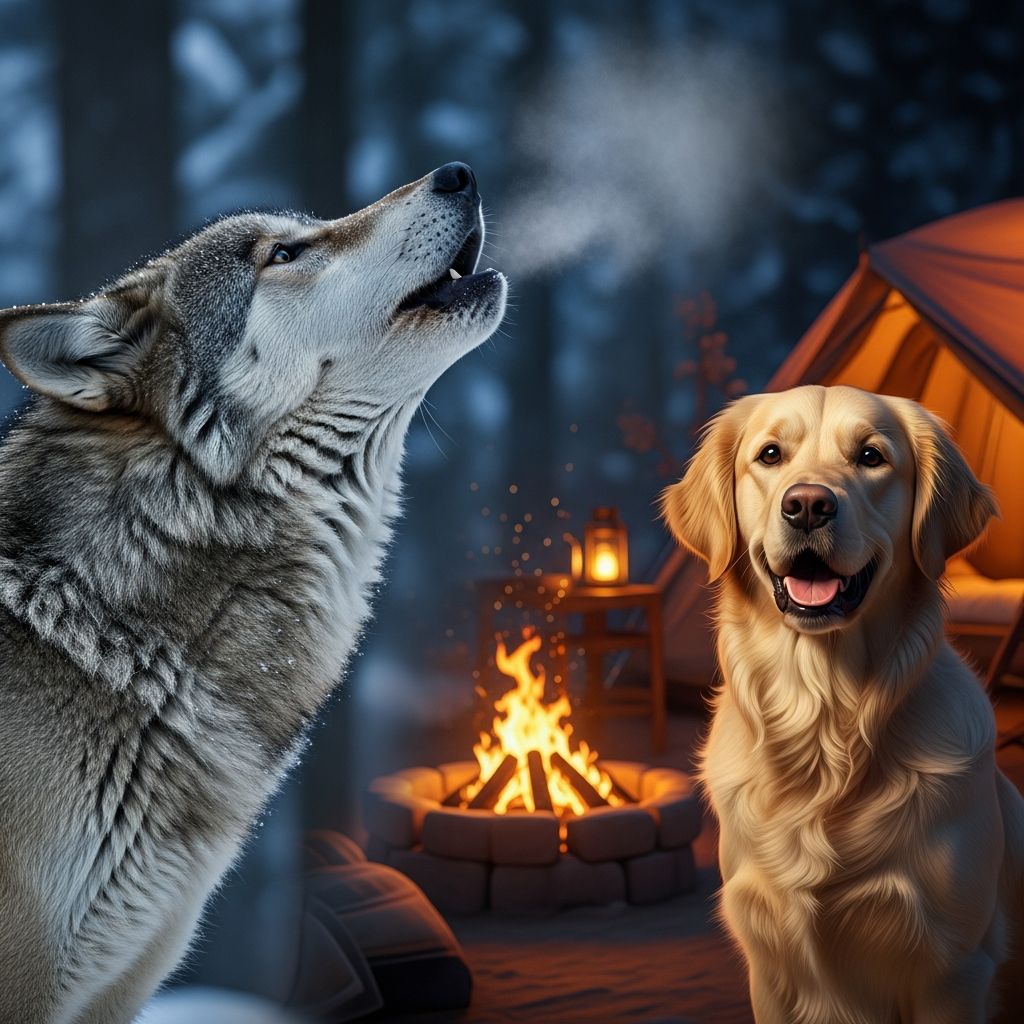
The transformation of fierce gray wolves into the devoted companions we know as dogs stands as one of humanity’s most remarkable achievements. This process, spanning tens of thousands of years, forged an unbreakable bond that has influenced human societies profoundly. Genetic studies confirm that dogs descend from an extinct wolf population, diverging between 15,000 and 40,000 years ago, marking them as the first domesticated species.
Tracing the Timeline of Domestication
Pinpointing exactly when wolves began their journey toward domestication remains a puzzle for scientists. Consensus points to at least 14,000 years ago, though some evidence suggests interactions as early as 30,000 to 40,000 years ago during the last Ice Age. A 2017 study analyzing ancient DNA from Neolithic dog fossils in Germany estimated a single domestication event around 20,000 to 40,000 years ago, pushing timelines further back.
These early dogs coexisted with hunter-gatherers, predating agriculture. Unlike other animals domesticated later for farming tasks, dogs emerged in a hunter-gatherer context, aiding survival in harsh environments. Recent genetic research indicates all modern dogs trace to one common wolf ancestor, resolving debates over multiple origins in Europe and Asia.
Where Did This Transformation Begin?
The geographical cradle of dog domestication sparks ongoing debate. Asia emerges as a strong contender, with ancient DNA supporting wolf-dog divergence there. Europe also claims evidence, particularly from fossils in Germany dating 4,700 to 7,000 years old.
One theory posits a singular event in Eurasia, followed by migrations. A now-discredited idea of dual domestications in Europe and Asia has given way to evidence of one primary lineage, with regional adaptations later. North American dogs largely stem from European imports by settlers, not indigenous wolf domestications.
Theories Explaining the Human-Wolf Alliance
How did wary wolves become trusting dogs? Several compelling theories illuminate this shift.
- Self-Domestication Hypothesis: Bold wolves, less fearful of humans, scavenged camp scraps, gaining reliable food and protection. Over generations, these ‘tamer’ wolves reproduced more, self-selecting for docility.
- Human-Initiated Taming: Hunters captured wolf pups, raising them around camps. Survivors adapted, providing benefits like camp cleanup and vermin control.
- Mutual Hunting Partnership: Wolves’ pack strategies complemented human spear-throwing, sharing kills and reducing injury risks for both.
These mechanisms likely overlapped, creating a symbiotic relationship. Domestication unfolded in phases: initial niche exploitation, fear reduction, and eventual human-directed selection.
Evolutionary Forces Shaping Canine Traits
Domestication imposed unique selective pressures. Early stages reduced fear and aggression toward humans, enabling coexistence. Natural selection favored wolves thriving near settlements; sexual selection preferred tamer mates; humans later bred for utility.
Key changes include floppy ears, juvenile facial features (neoteny), and altered brains for sociability. These ‘domestication syndrome’ traits appear across species, as seen in Belyaev’s fox experiment.
Belyaev’s Fox Experiment: A Window into the Past
In 1959, Soviet scientist Dmitry Belyaev tested domestication by breeding silver foxes for tameness. Selecting only the friendliest foxes over generations produced dogs-like traits: wagging tails, floppy ears, and piebald coats within years. This demonstrated that selecting for reduced fear triggers broad physiological shifts, mirroring wolf-to-dog evolution.
The experiment underscores ‘selection for tamability’ as domestication’s core driver, validating prehistoric processes.
| Trait | Gray Wolf | Domestic Dog |
|---|---|---|
| Fear Response to Humans | High aggression/flight | Low; seeks interaction |
| Physical Build | Muscular, erect ears | Variable; often neotenous |
| Social Structure | Strict pack hierarchy | Flexible; bonds with humans |
| Dietary Adaptation | Carnivorous hunter | Omnivorous scavenger |
Benefits Driving the Partnership
For wolves-turned-dogs, perks included steady food from human waste, predator protection, and safer reproduction. Humans gained alert sentinels, garbage disposers, hunting aides, and later transport/meat sources.
This symbiosis boosted human nutrition and population growth while minimizing wolf risks. Dogs cleared vermin, provided warmth, and enhanced hunts, proving invaluable to nomadic groups.
From Utility to Diversity: The Rise of Breeds
Early dogs served practical roles. Selective breeding for behaviors—like herding or guarding—preceded appearance-focused changes. The Victorian Era (19th century) exploded breed diversity, inspired by Darwin’s natural selection. Britons crafted ‘ideal’ types, birthing modern pugs, great Danes, and more.
Today, over 300 breeds exist, from tiny Chihuahuas to massive Mastiffs, all from that ancient wolf stock.
Genetic Evidence Unlocking Secrets
Ancient DNA revolutionizes understanding. Studies of fossils confirm wolf divergence 15,000-40,000 years ago. A single domestication in Eurasia, not multiple, aligns with migration patterns. Ongoing research refines timelines, emphasizing hunter-gatherer origins.
Modern Implications of Ancient Bonds
The dog-human alliance endures, with dogs aiding therapy, search-and-rescue, and detection. Understanding domestication informs breeding ethics and conservation, preserving wolf heritage. This partnership, born of mutual need, exemplifies evolutionary cooperation.
Frequently Asked Questions (FAQs)
Q: When were dogs first domesticated?
A: Genetic evidence places initial domestication between 15,000 and 40,000 years ago, with consensus around 14,000-30,000 years ago among hunter-gatherers.
Q: Did dogs come from one wolf population or multiple?
Q: Recent studies support a single origin from an extinct Eurasian wolf population, not separate European and Asian lines.
Q: How did wolves lose their fear of humans?
A: Through self-selection (bolder wolves scavenging camps) and human rearing of pups, reducing aggression over generations.
Q: What experiment proved domestication mechanisms?
A: Belyaev’s fox study showed selecting for tameness produces dog-like traits rapidly, simulating the process.
Q: Why did humans want dogs around?
A: For hunting aid, camp protection, waste cleanup, and companionship, offering survival edges.
References
- Why Did Humans Domesticate Dogs? — Psychology Today. 2021-12-01. https://www.psychologytoday.com/us/blog/smarter-you-think/202112/why-did-humans-domesticate-dogs
- Being a Dog: A Review of the Domestication Process — PMC (NCBI). 2023-05-24. https://pmc.ncbi.nlm.nih.gov/articles/PMC10218297/
- From Wolves to Pugs and Great Danes – The History of Dog Breeds — Morris Animal Foundation. 2023. https://www.morrisanimalfoundation.org/article/evolution-of-dogs
- Wolves to woofs: The story of our oldest companions — Natural History Museum (UK). 2023. https://www.nhm.ac.uk/discover/wolves-to-woofs-the-story-of-our-oldest-companions.html
- How Accurate Is the Theory of Dog Domestication in ‘Alpha’? — Smithsonian Magazine. 2018-04-18. https://www.smithsonianmag.com/science-nature/how-wolves-really-became-dogs-180970014/

- Integrated M.A. in Applied Linguistics, University of Hyderabad
- 5+ years in editorial, instructional, SEO, and research-based writing
Sneha is a relationships and lifestyle writer with a strong foundation in applied linguistics and certified training in relationship coaching. She brings over five years of writing experience to theskillvault, crafting thoughtful, research-driven content that empowers readers to build healthier relationships, boost emotional well-being, and embrace holistic living. Her writing and insights reflect the belief that beauty, happiness, and wellness…