
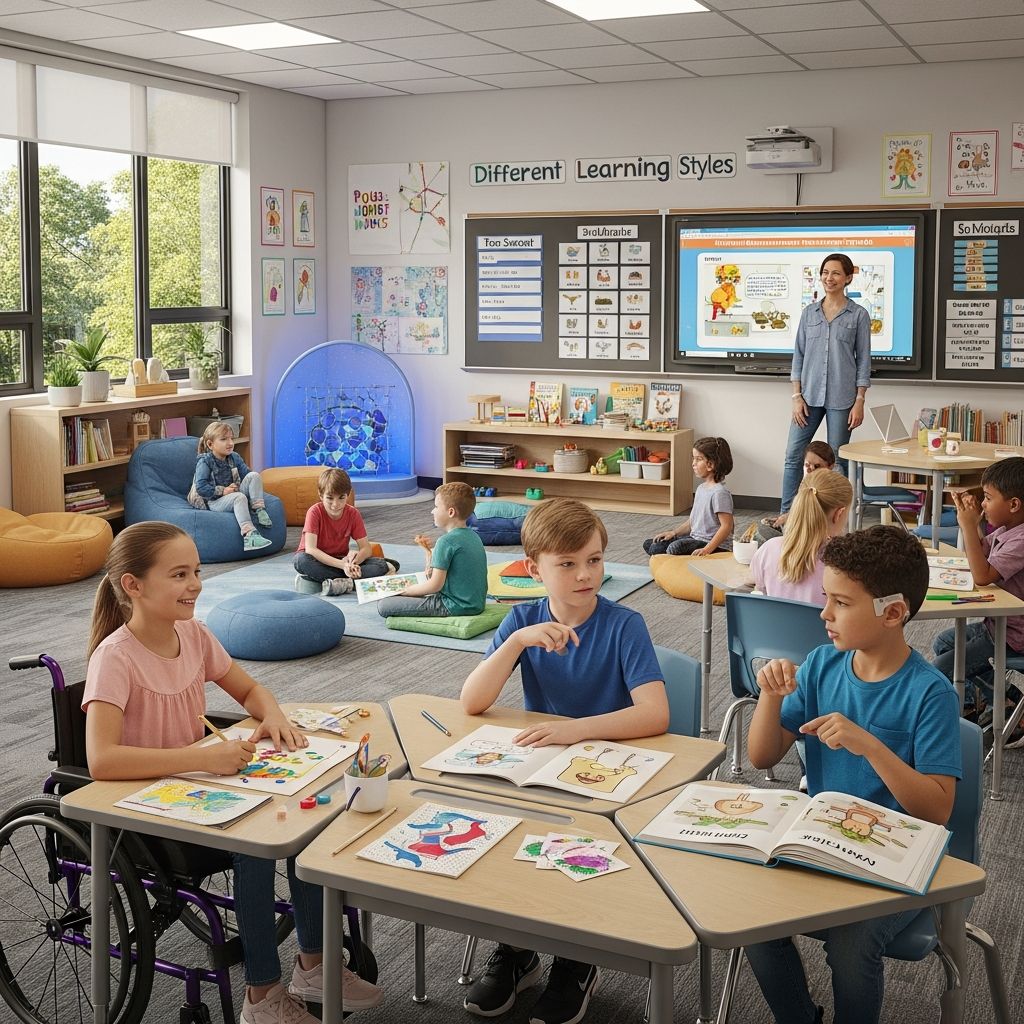
In today’s diverse educational landscape, inclusive classrooms empower every student to reach their potential regardless of background, ability, or learning style. These environments prioritize equity by adapting teaching methods to individual needs, promoting social connections, and removing barriers to participation. Educators who implement thoughtful strategies see improved engagement, reduced achievement gaps, and stronger community bonds among students.
Building a Foundation of Belonging and Connection
The cornerstone of any inclusive classroom is a strong sense of community where students feel seen, valued, and safe. Begin by learning each student’s name, interests, and cultural background through icebreaker activities or personal interviews. This personal touch builds trust and encourages open participation.
Encourage collaborative activities like partner shares or team projects to spark friendships and peer support. Structured discussions with protocols such as think-pair-share ensure quieter voices are amplified, preventing dominant students from overshadowing others. Celebrating collective successes, such as class goals met through group efforts, reinforces unity and motivates everyone.
Daily Practices to Strengthen Community
- Display student work and shout-outs on a ‘Wall of Wins’ to highlight diverse contributions.
- Incorporate morning meetings for sharing personal highlights or challenges.
- Use inclusive language like ‘we’ and ‘our classroom’ to emphasize shared ownership.
- Host cultural share days where students present family traditions or favorite stories.
These routines transform the classroom into a family-like space, particularly benefiting marginalized students who may feel isolated.
Adapting Instruction for Diverse Learning Profiles
One-size-fits-all teaching fails in inclusive settings; instead, differentiate by offering multiple pathways to mastery. Universal Design for Learning (UDL) principles guide this by providing options in representation, expression, and engagement.
For representation, supply content in varied formats: text paired with videos, infographics, or audio summaries. This accommodates visual, auditory, and kinesthetic learners. Engagement options might include choice boards where students select from reading, drawing, or building to demonstrate understanding.
| Learning Style | Representation Options | Engagement Strategies |
|---|---|---|
| Visual | Infographics, diagrams | Graphic organizers, mind maps |
| Auditory | Podcasts, read-alouds | Discussions, oral reports |
| Kinesthetic | Hands-on models | Role-playing, experiments |
| Reading/Writing | Texts, notes | Journaling, essays |
This table illustrates how tailored approaches meet varied needs without isolating any group.
Flexible Grouping to Maximize Peer Learning
Dynamic grouping prevents ability-based segregation and promotes mutual growth. Mix ability levels for tasks requiring peer teaching, where stronger students explain concepts to peers. For skill-building, form temporary homogeneous groups for targeted practice, then recombine for application.
Assign rotating roles in groups—facilitator, recorder, materials manager—to build leadership skills across abilities. Time-bound activities with clear success criteria keep groups focused and inclusive. Research shows this boosts confidence in struggling learners while challenging advanced ones.
- Pair-share for quick idea generation.
- Think tanks of 4-6 for complex problem-solving.
- Interest-based clusters for project work.
Leveraging Technology and Accessibility Tools
Assistive technologies level the playing field by addressing physical, sensory, or cognitive barriers. Tools like text-to-speech software, speech-to-text apps, and adjustable seating enhance participation. Ensure digital materials are accessible: alt text for images, captions for videos, and screen-reader compatible PDFs.
For multilingual learners, translation apps or bilingual glossaries support comprehension. Flexible seating options, such as wobble chairs or standing desks, accommodate sensory needs and improve focus. Train students on these tools early to foster independence.
Recommended Tech Integrations
- Voice recognition for writing tasks.
- Interactive whiteboards for collaborative input.
- Apps like Read&Write for multi-format output.
- Timers and visual schedules for executive function support.
Integrating these promotes equity without stigma.
Assessment Methods That Honor Individual Strengths
Traditional tests disadvantage many; opt for multifaceted assessments like portfolios, presentations, or performance tasks. Provide options: written, oral, visual, or tech-based demonstrations of learning. Scaffold with rubrics co-created with students for transparency.
Offer extended time, quiet spaces, or read-aloud accommodations as standard options. Formative checks via exit tickets or thumbs-up/down gauge understanding inclusively. Track growth over time rather than single snapshots to celebrate progress.
Classroom Management for Equity and Respect
Co-develop rules with student input to ensure buy-in: ‘Respect all voices’ or ‘Listen before speaking.’ Post visual schedules and use non-verbal cues like hand signals for transitions to minimize disruptions.
Positive reinforcement, such as praise for inclusive behaviors, outperforms punishment. Address conflicts restoratively: facilitate circles where parties share feelings and agree on repairs. Model empathy by narrating your thought processes during teachable moments.
Supporting Social-Emotional Growth
Inclusive classrooms nurture emotional intelligence through explicit lessons on empathy, resilience, and self-regulation. Role-play scenarios to practice conflict resolution. Peer buddy systems pair students for support, building lasting bonds.
Mindfulness breaks or reflection journals help manage stress. Recognize diverse emotional expressions influenced by culture, validating all as legitimate.
Professional Development and Collaboration
Educators thrive with ongoing training in UDL, cultural competency, and co-teaching models. Partner with specialists for push-in support, blending expertise seamlessly. Reflect via journals or peer observations to refine practices.
Frequently Asked Questions (FAQs)
Q: How do I start implementing inclusive strategies in an established classroom?
A: Begin small with one change, like choice boards or morning meetings, then expand based on student feedback and observations.
Q: What if some parents resist inclusive practices?
Q: Share evidence from sources like UDL guidelines showing benefits for all students, and invite them to observe successes.
Q: How can I manage time with differentiated instruction?
A: Use tiered tasks and peer support to parallelize activities, freeing you for targeted guidance.
Q: Are there resources for low-tech inclusive tools?
A: Yes, visual timers, fidget tools, and printed choice menus work without devices.
Q: How does inclusion benefit advanced learners?
A: Peer teaching roles and extension challenges keep them engaged while developing leadership.
These FAQs address common concerns, empowering educators to act confidently.
References
- Inclusive Classroom Strategies to Support Diverse Learners — Easter Seals. 2023. https://eastersealsar.com/inclusive-classroom-strategies-to-support-diverse-learners/
- Tips for Creating an Inclusive Classroom in Elementary School — Edutopia. 2023. https://www.edutopia.org/article/tips-creating-inclusive-classroom-elementary-school/
- Strategies for Inclusive Classrooms in Special Education — Marymount University. 2024. https://marymount.edu/blog/strategies-for-inclusive-classrooms-in-special-education/
- 50 Strategies for Inclusive Teaching — FeedbackFruits. 2023. https://feedbackfruits.com/blog/50-inclusive-teaching-strategies-a-comprehensive-list
- Best Practices for Building an Inclusive Classroom — Walden University. 2023. https://www.waldenu.edu/programs/education/resource/best-practices-for-building-an-inclusive-classroom
- Essential Strategies for Inclusive Teaching — ASCD. 2023. https://www.ascd.org/el/articles/essential-strategies-for-inclusive-teaching

- Integrated M.A. in Applied Linguistics, University of Hyderabad
- 5+ years in editorial, instructional, SEO, and research-based writing
Sneha is a relationships and lifestyle writer with a strong foundation in applied linguistics and certified training in relationship coaching. She brings over five years of writing experience to theskillvault, crafting thoughtful, research-driven content that empowers readers to build healthier relationships, boost emotional well-being, and embrace holistic living. Her writing and insights reflect the belief that beauty, happiness, and wellness…