
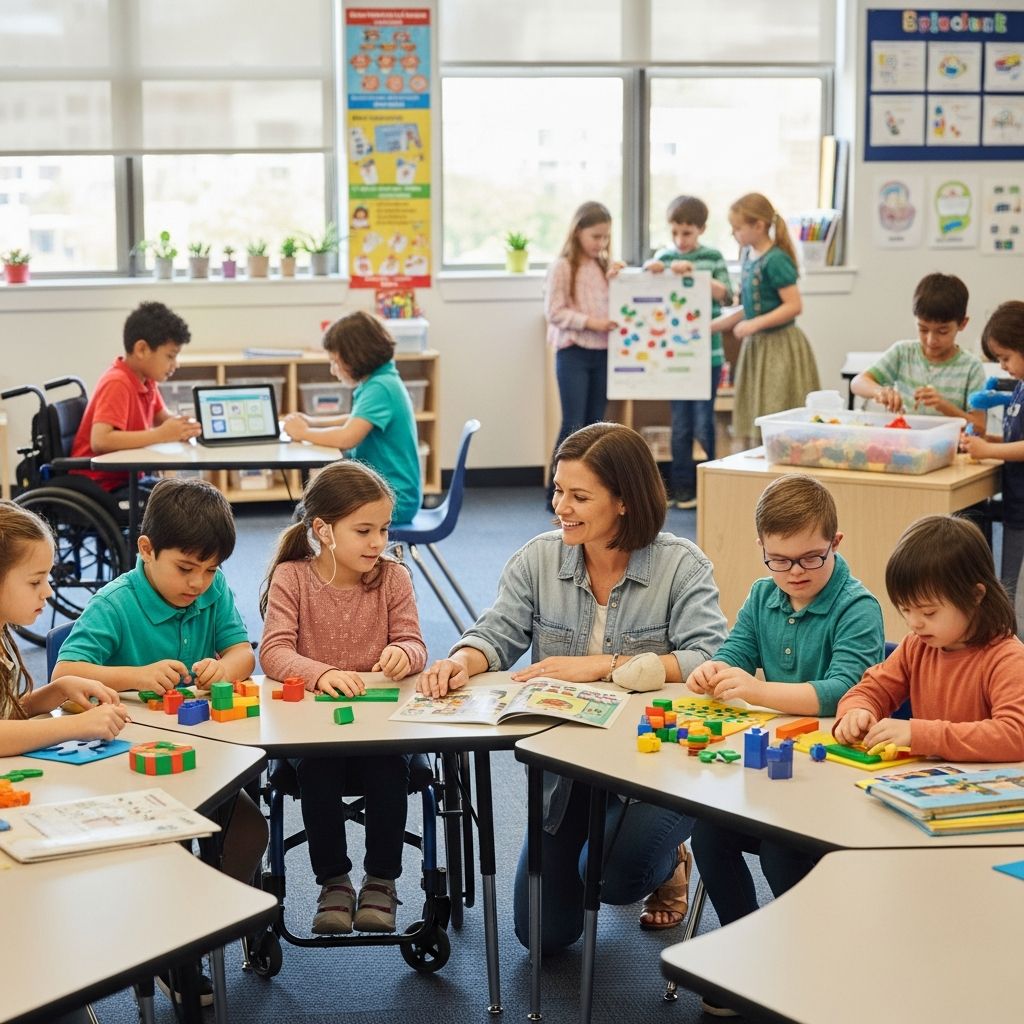
Inclusive education transforms schools into environments where every student, regardless of ability, background, or learning style, can achieve their full potential. By integrating students with diverse needs into general classrooms, educators promote equity, build community, and enhance learning outcomes for all.
Foundations of an Inclusive Learning Environment
Creating an inclusive classroom starts with understanding that no two learners are alike. Traditional one-size-fits-all approaches often leave many students behind, but inclusive practices address this by prioritizing accessibility and personalization from the outset.
Key principles include recognizing diverse learning styles, removing barriers to participation, and fostering a sense of belonging. Educators who adopt these foundations report higher engagement and academic gains across the board.
- Accessibility First: Ensure physical spaces like ramps and quiet areas are available, supporting both students and staff with disabilities.
- Cultural Relevance: Incorporate materials reflecting students’ backgrounds to validate their experiences.
- Equity Mindset: Shift from deficit-focused views to asset-based approaches, celebrating each learner’s strengths.
Universal Design for Learning: A Core Framework
Universal Design for Learning (UDL) is a proactive strategy that makes curricula flexible and accessible to all. It provides multiple means of engagement, representation, and expression, allowing students to engage with content in ways that suit their needs.
UDL eliminates the need for retroactive accommodations by building inclusivity into lesson planning. For instance, offering content through video, text, and audio caters to auditory, visual, and kinesthetic learners alike.
| UDL Principle | Description | Classroom Application |
|---|---|---|
| Multiple Means of Engagement | Offer choices to spark interest | Project-based options or gamified tasks |
| Multiple Means of Representation | Present info in varied formats | Text-to-speech tools, diagrams, videos |
| Multiple Means of Expression | Allow diverse output methods | Essays, presentations, art projects |
Research shows UDL implementation leads to improved outcomes, with schools using it seeing reduced achievement gaps.
Personalized Instruction Strategies
Individualized learning ensures no student is overlooked. Teachers work one-on-one or in small groups for targeted support, whether for remediation, enrichment, or core skill-building.
Examples include guided reading sessions focusing on comprehension skills, writing feedback conferences, and pre-teaching vocabulary to build confidence. This approach reinforces that every learner deserves teacher attention, boosting self-esteem and performance.
- Small-group interventions for math or reading gaps.
- Extension activities challenging advanced students.
- Peer tutoring to encourage leadership.
Leveraging Student Strengths and Interests
Highlighting what students do best builds confidence and relevance. A musically inclined student struggling with writing might compose a song about a history topic, connecting strengths to new learning.
Feedback should always note positives: “Your artistic eye will help you excel in descriptive writing.” This asset-based feedback transfers skills across subjects, motivating sustained effort.
Building a Supportive School Culture
Inclusivity extends beyond classrooms to the entire school. Welcoming signage, diverse bulletin boards, and staff spotlights create visible inclusion.
Team-building icebreakers on day one help newcomers integrate, while trauma-informed safety plans provide emotional security. Staff wellness spaces mirror student safe zones, modeling self-care.
Collaborative Leadership and Teamwork
Successful inclusion requires district-wide commitment. Leaders must cultivate a shared responsibility mindset, prioritizing culture over resources.
Cross-role collaboration—general ed, special ed, administrators—aligns plans and embeds inclusive practices. Professional learning, like demonstration sites, accelerates adoption, with surveys showing significant practice improvements post-training.
Structural changes, such as co-teaching models and data-driven decisions, sustain progress. Districts with strong teams report lasting gains in inclusion metrics.
Classroom Management for Inclusion
Clear routines foster predictability. Post daily schedules, display rules, and use signals for transitions to help all students, especially those with sensory needs.
Encourage peer instruction: stronger students mentor peers, building community and reinforcing knowledge. Consistent enforcement ensures fairness.
Data-Driven Inclusive Improvement
Regular data reviews guide inclusive efforts. Track placement, participation, and outcomes to identify gaps.
Tools like self-assessments and workgroups translate insights into action, such as expanding co-teaching or professional development.
Technology and Tools for Accessibility
Digital aids level the playing field. Text-to-speech, multilingual supports, and interactive platforms enhance participation.
During cultural events, demo these tools to show commitment to diverse needs.
Professional Development Essentials
Ongoing training builds educator capacity. Practice-embedded sessions yield statistically significant knowledge gains and practice shifts.
Focus on high-quality core instruction, extra time for needs, and content expertise.
Frequently Asked Questions
What is Universal Design for Learning (UDL)?
UDL is a framework offering flexible learning opportunities via multiple engagement, representation, and expression methods to suit diverse learners.
How can teachers personalize learning in large classes?
Use small groups, conferences, pre-teaching, and extensions for targeted support without overwhelming schedules.
Why is leadership crucial for school-wide inclusion?
Leaders shape culture and collaboration, overcoming barriers through mindset shifts and structural support.
What role does technology play in inclusive classrooms?
It provides accessibility features like speech-to-text and multilingual options, boosting participation.
How do you measure inclusive practice success?
Through data on placements, student outcomes, and surveys showing practice adoption and growth.
In summary, inclusive practices benefit everyone by creating dynamic, equitable schools. Implementing these strategies requires commitment but yields profound rewards in student growth and school vitality.
References
- Tips for Creating an Inclusive Classroom in Elementary School — Edutopia. 2023-10-15. https://www.edutopia.org/article/tips-creating-inclusive-classroom-elementary-school/
- 8 Tips for Creating a Welcoming & Inclusive School Culture — Alongside Care. 2024-02-20. https://www.alongside.care/learn/8-tips-for-creating-a-welcoming-inclusive-school-culture
- Best Practices for Building an Inclusive Classroom — Walden University. 2023-05-10. https://www.waldenu.edu/programs/education/resource/best-practices-for-building-an-inclusive-classroom
- Building and Sustaining Inclusive Educational Practices — U.S. Department of Education. 2024-01-01. https://www.ed.gov/media/document/inclusive-practices-guidance-109436.pdf
- Advancing Inclusive Education in California Schools — EdPolicy in CA. 2023-11-08. https://edpolicyinca.org/publications/advancing-inclusive-education-california-schools
- Inclusive Teaching — UCLA Teaching & Learning Center. 2024-03-12. https://teaching.ucla.edu/resources/teaching-guides/inclusive-teaching/
- 5 Inclusive Teaching Strategies for Inclusion in the Classroom — Mentimeter. 2023-09-05. https://www.mentimeter.com/blog/education/inclusive-teaching-strategies

- Integrated M.A. in Applied Linguistics, University of Hyderabad
- 5+ years in editorial, instructional, SEO, and research-based writing
Sneha is a relationships and lifestyle writer with a strong foundation in applied linguistics and certified training in relationship coaching. She brings over five years of writing experience to theskillvault, crafting thoughtful, research-driven content that empowers readers to build healthier relationships, boost emotional well-being, and embrace holistic living. Her writing and insights reflect the belief that beauty, happiness, and wellness…