
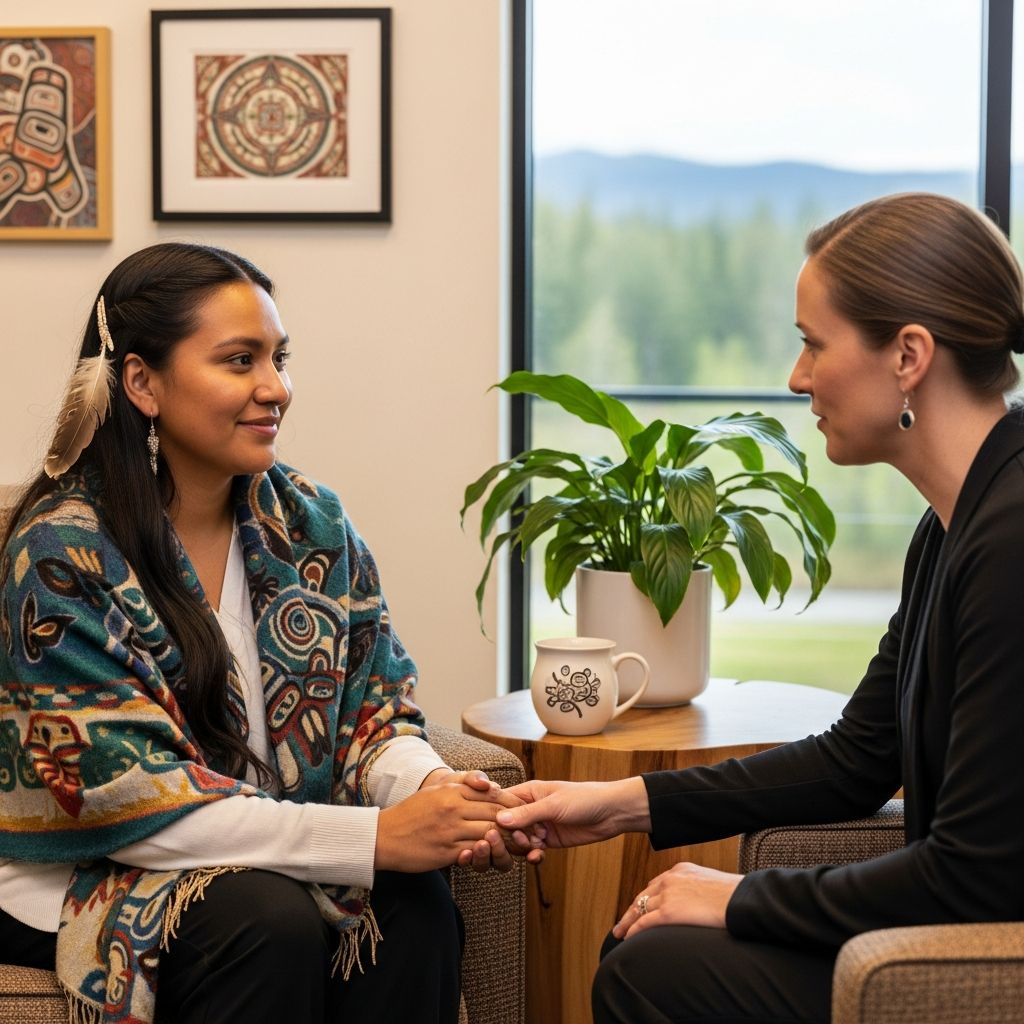
Understanding the Foundation of Indigenous Counselling
Counselling work with Indigenous peoples requires a foundational understanding that extends beyond standard therapeutic models. The counsellor must recognize that Indigenous clients bring with them unique historical experiences, cultural values, and community connections that fundamentally shape their worldview and approach to healing. This recognition forms the basis for any meaningful therapeutic relationship.
The journey toward effective counselling begins with acknowledging that Indigenous peoples in Canada represent diverse nations with distinct histories, languages, governance systems, and spiritual practices. This diversity exists not only between First Nations, Métis, and Inuit communities but also within each group, reflecting the distinct treaties, band structures, and regional identities that characterize Indigenous societies across the country.
The Role of Historical Context in Contemporary Counselling
The historical experiences of Indigenous peoples, particularly the impacts of residential schools, ongoing colonialism, and systemic marginalization, create a backdrop against which contemporary counselling relationships must be understood. These historical legacies are not abstract concepts but lived realities that manifest in family dynamics, community relationships, and individual mental health.
Trauma-informed care becomes essential in this context. Rather than viewing presenting problems in isolation, counsellors must understand how intergenerational trauma, cultural displacement, and systemic oppression intersect with individual client concerns. This approach recognizes that many Indigenous clients may be dealing with the cumulative effects of historical injustices alongside contemporary challenges.
Building Trust as the Foundation of the Helping Relationship
Trust cannot be rushed in Indigenous counselling contexts. Many Indigenous clients may approach formal helping relationships with caution, informed by historical experiences of institutions that have not served their communities well. The counsellor’s first responsibility is to demonstrate through consistent actions that they are trustworthy, respectful, and genuinely committed to the client’s wellbeing.
Building trust involves several key practices:
- Demonstrating genuine interest in the client as a whole person, not just as a case to be processed
- Respecting the client’s pace and readiness to disclose sensitive information
- Being transparent about the counselling process and the counsellor’s role and limitations
- Following through on commitments and being consistent in availability and support
- Acknowledging the courage it takes for Indigenous clients to seek help within systems that may feel foreign or unwelcoming
Developing Cultural Competency and Knowledge
Cultural competency in Indigenous counselling extends beyond surface-level awareness. Counsellors working effectively with Indigenous clients possess or actively develop deep knowledge of Indigenous worldviews, values, and practices. This knowledge ideally comes from lived experience or from sustained, respectful engagement with Indigenous communities and teachings.
Several dimensions contribute to cultural competency:
- Self-awareness: Counsellors must examine their own cultural background, biases, and assumptions, particularly regarding Indigenous peoples and their experiences
- Knowledge of Indigenous worldviews: Understanding how Indigenous perspectives on spirituality, family, community, and healing differ from dominant Western frameworks
- Awareness of systemic issues: Recognizing how colonialism, racism, and institutional barriers continue to affect Indigenous clients’ lives and access to services
- Understanding of specific cultural practices: Familiarity with the particular cultural traditions, languages, and practices relevant to the communities served
- Commitment to ongoing learning: Acknowledging that cultural competency is not a destination but a continuous process of learning and growth
The Importance of Accessibility and Informal Approaches
Traditional counselling models often rely on formal appointment systems, scheduled sessions, and structured environments. However, Indigenous clients may respond better to more accessible, flexible approaches that mirror how helping relationships naturally occur within Indigenous communities.
Accessibility in Indigenous counselling contexts might include:
- Offering drop-in services or rapid-response options rather than lengthy waiting periods
- Being willing to engage in informal conversations that build relationship before formal counselling begins
- Meeting clients in community spaces rather than exclusively in office settings
- Being present at community events, ceremonies, and gatherings to build familiarity and trust
- Adapting session formats to accommodate the client’s needs and preferences
Community Integration and Network Building
Effective counselling with Indigenous clients cannot operate in isolation from the broader community context. Counsellors who work successfully with Indigenous populations actively build and maintain relationships with key community members and institutions.
These networks typically include:
- Elders and Knowledge Keepers who hold cultural wisdom and can provide guidance
- Band officials and community leaders who understand community needs and resources
- Family members and informal support networks that are central to Indigenous client wellbeing
- Indigenous role models and mentors who demonstrate possibilities for positive change
- Other helping professionals within the community who complement the counselling work
Beyond building networks, counsellors demonstrate genuine investment in the community by participating in community affairs such as sporting events, ceremonies, feasts, and gatherings. This presence communicates respect for the community and willingness to engage with Indigenous cultures on their own terms.
Holistic and Culturally Relevant Therapeutic Approaches
Western counselling models often compartmentalize aspects of human experience, treating mental health, physical wellbeing, spiritual development, and social connection as separate domains. Indigenous approaches, by contrast, typically view the person as an integrated whole where all dimensions of existence are interconnected.
A holistic therapeutic approach recognizes that healing for Indigenous clients may involve:
- Addressing physical health alongside emotional and mental wellbeing
- Incorporating spiritual practices and connections as integral to the healing process
- Strengthening family relationships and community bonds as part of individual healing
- Reconnecting with cultural identity, language, and traditional practices
- Addressing practical concerns such as housing, employment, and access to resources
Distinguishing Between Indigenous Groups and Recognizing Internal Diversity
A critical mistake in Indigenous counselling is adopting a pan-Indigenous approach that treats all Indigenous peoples as a homogeneous group. While there are common themes in Indigenous experiences and values, each nation, community, and individual possesses unique characteristics that demand respectful recognition.
First Nations in Alberta, for example, operate under three different treaty frameworks, and within each treaty area, individual bands maintain distinct identities, governance structures, and cultural practices. Similarly, Métis and Inuit peoples have their own separate histories, languages, and contemporary realities. Even within these broader categories, significant diversity exists based on geographic location, degree of connection to traditional territories, language preservation, and contemporary economic circumstances.
Counsellors must resist stereotyping and instead approach each client as an individual whose identity is shaped by their specific community affiliation, family history, and personal experiences.
Identifying and Building on Client Strengths
The strength-based or solution-focused approach proves particularly valuable in Indigenous counselling contexts. Rather than beginning with deficits or pathology, this approach invites clients to identify their existing strengths, resources, and capabilities.
For many Indigenous clients, self-esteem and self-confidence may be challenged by experiences of discrimination, historical trauma, or systemic barriers. A strength-based approach helps counteract these impacts by deliberately drawing attention to what clients do well, how they have survived and adapted, and what resources they can mobilize toward their goals.
Practical questions that support this approach include:
- What challenges have you overcome in your life?
- Who in your community or family do you turn to for support?
- What aspects of your culture and identity are important to you?
- What skills or talents have helped you through difficult times?
- How do you envision your life improving?
Traditional Healing Practices and Their Integration
For many Indigenous peoples, healing is understood as a multifaceted process involving reconnection with culture, processing historical trauma, adapting to contemporary realities, and addressing the impact of systemic forces. Traditional practices offer proven frameworks for this healing work.
Indigenous healing traditions typically operate across three interconnected levels:
- Intrapersonal healing: Practices that enhance individual self-esteem, self-confidence, and personal agency
- Interpersonal healing: Approaches that build knowledge and understanding through shared experience with others
- Community healing: Initiatives that mobilize collective resources and strategies for the benefit of individuals and the broader community
Various traditional practices align with these healing levels. Healing circles, healing camps, Sun Dances, discussions with Elders, and treatment approaches that combine conventional medicine with traditional Indigenous knowledge all represent pathways through which many Indigenous peoples pursue healing and wellness.
The Sharing Circle as a Counselling Tool
The sharing circle, also known as a healing or talking circle, represents one of the most widely recognized traditional Indigenous counselling approaches. In this format, participants arrange themselves in a circle to create a physical and symbolic space of equality and connection. Within this space, individuals share personal experiences, express hopes for change, and work collectively toward problem resolution.
The power of sharing circles lies in several factors:
- The circular arrangement symbolizes equality and interconnection rather than hierarchy
- Peer support and collective wisdom provide alternative perspectives and validation
- Witnessing others’ experiences and struggles reduces isolation and shame
- The collaborative process creates belief that change is possible and achievable
- Community members, often Elders or experienced facilitators, provide continuity and cultural grounding
Practical Counselling Skills for Indigenous Contexts
While cultural knowledge and relationship-building form the foundation, specific counselling skills enhance effectiveness with Indigenous clients. These skills must be adapted to reflect and respect Indigenous cultural values and life experiences.
Key skill areas include:
- Asking genuine, open questions rather than making assumptions about client experiences or needs
- Listening deeply to understand the core challenges beneath presenting problems
- Acknowledging and validating the cultural values and lived experiences that shape client perspectives
- Reframing client concerns within strength-based and culturally relevant contexts
- Connecting clients with appropriate community resources and support systems
- Collaborating with clients to develop goals that align with their values and aspirations
Accessing Community Resources and Support Networks
Effective counselling with Indigenous clients extends beyond the counselling session to connect clients with the broader ecosystem of community resources and support. Native Friendship Centres, Indigenous organizations, government programs, and informal community networks all play roles in supporting Indigenous wellbeing.
Counsellors strengthen their effectiveness by developing familiarity with available resources and maintaining relationships with organizations that serve Indigenous communities. These connections enable counsellors to make informed referrals and help clients navigate systems that may otherwise feel overwhelming or inaccessible.
Integrating Multicultural Counselling Frameworks
Because Indigenous peoples represent a minority within the broader Canadian population, frameworks from multicultural counselling prove valuable. These frameworks emphasize that counsellors must develop competency across three dimensions: awareness of their own cultural identity and biases, knowledge of different worldviews and cultural contexts, and counselling skills that can be adapted to serve diverse populations.
Applying multicultural counselling principles to Indigenous work means continuously examining one’s own assumptions, actively seeking knowledge about Indigenous cultures and worldviews, and deliberately adapting counselling approaches to align with client cultural values and preferences.
The Role of Cultural Identity in Mental Health
For Indigenous clients, connection to cultural identity represents a protective factor and pathway to wellness. Language, traditional practices, spiritual engagement, and participation in cultural ceremonies all contribute to psychological wellbeing and resilience. Counselling that supports clients in strengthening cultural identity—whether through language learning, participation in ceremonies, engagement with traditional arts, or deepening relationships with Elders—promotes mental health in ways that align with Indigenous worldviews.
Frequently Asked Questions
Q: How can counsellors build trust with Indigenous clients who may be hesitant to engage in formal counselling?
A: Trust develops through consistent demonstration of respect, genuine interest, transparency about the counselling process, and willingness to engage informally before formal sessions begin. Being present in the community and following through on commitments signals trustworthiness to Indigenous clients.
Q: What is the difference between a pan-Indigenous approach and a distinctions-based approach?
A: A pan-Indigenous approach treats all Indigenous peoples as a homogeneous group, while a distinctions-based approach recognizes that First Nations, Métis, and Inuit peoples have separate histories, cultures, and contemporary realities. Within each group exists significant diversity that counsellors must respect and understand.
Q: How can counsellors incorporate traditional healing practices into contemporary counselling work?
A: Counsellors can invite clients to participate in or draw from traditional practices such as sharing circles, healing camps, ceremonies, or discussions with Elders. These practices can complement formal counselling by providing culturally grounded pathways to healing and wellness.
Q: What is strength-based counselling and why is it particularly relevant for Indigenous clients?
A: Strength-based counselling focuses on identifying client strengths, resources, and capabilities rather than deficits. This approach is particularly valuable for Indigenous clients because it counters the impacts of historical trauma and discrimination by deliberately drawing attention to client resilience and abilities.
Q: How should counsellors approach cultural competency development?
A: Cultural competency is an ongoing process rather than a destination. Counsellors develop competency through self-awareness work, active learning about Indigenous worldviews and cultures, building relationships within Indigenous communities, and continuously examining and adjusting their assumptions and practices.
References
- Effective Practices for Counselling Indigenous People — ALIS (Alberta Learning Information System). Accessed January 2026. https://alis.alberta.ca/inspire-and-motivate/counselling-diverse-clients/counselling-indigenous-people/effective-practices-for-counselling-indigenous-people/
- Promoting Indigenous Mental Health: Cultural Perspectives on Healing from Native Counsellors in Canada — Campus Mental Health. 2018. https://campusmentalhealth.ca/wp-content/uploads/2018/03/Promoting-Indigenous-Mental-Health-Stewart.pdf
- Indigenous Circle — Canadian Counselling and Psychotherapy Association (CCPA-ACCP). Accessed January 2026. https://www.ccpa-accp.ca/chapters/indigenous-circle/
- What Are the Best Practices for Psychotherapy With Indigenous Peoples in the United States and Canada — PubMed/National Center for Biotechnology Information. 2022. https://pubmed.ncbi.nlm.nih.gov/36190756/
- PHAC Indigenous Cultural Competency Learning Road Map — Public Health Agency of Canada. Government of Canada. https://www.canada.ca/en/public-health/services/publications/aboriginal-health/indigenous-cultural-competency-learning-road-map.html
- Working With Indigenous/Native American Patients — American Psychiatric Association. Accessed January 2026. https://www.psychiatry.org/psychiatrists/diversity/education/best-practice-highlights/working-with-native-american-patients

Medha Deb is an editor with a master's degree in Applied Linguistics from the University of Hyderabad. She believes that her qualification has helped her develop a deep understanding of language and its application in various contexts. Medha specializes in the areas of beauty, health, sports, and wellness and is committed to ensuring that the content on the website is…