
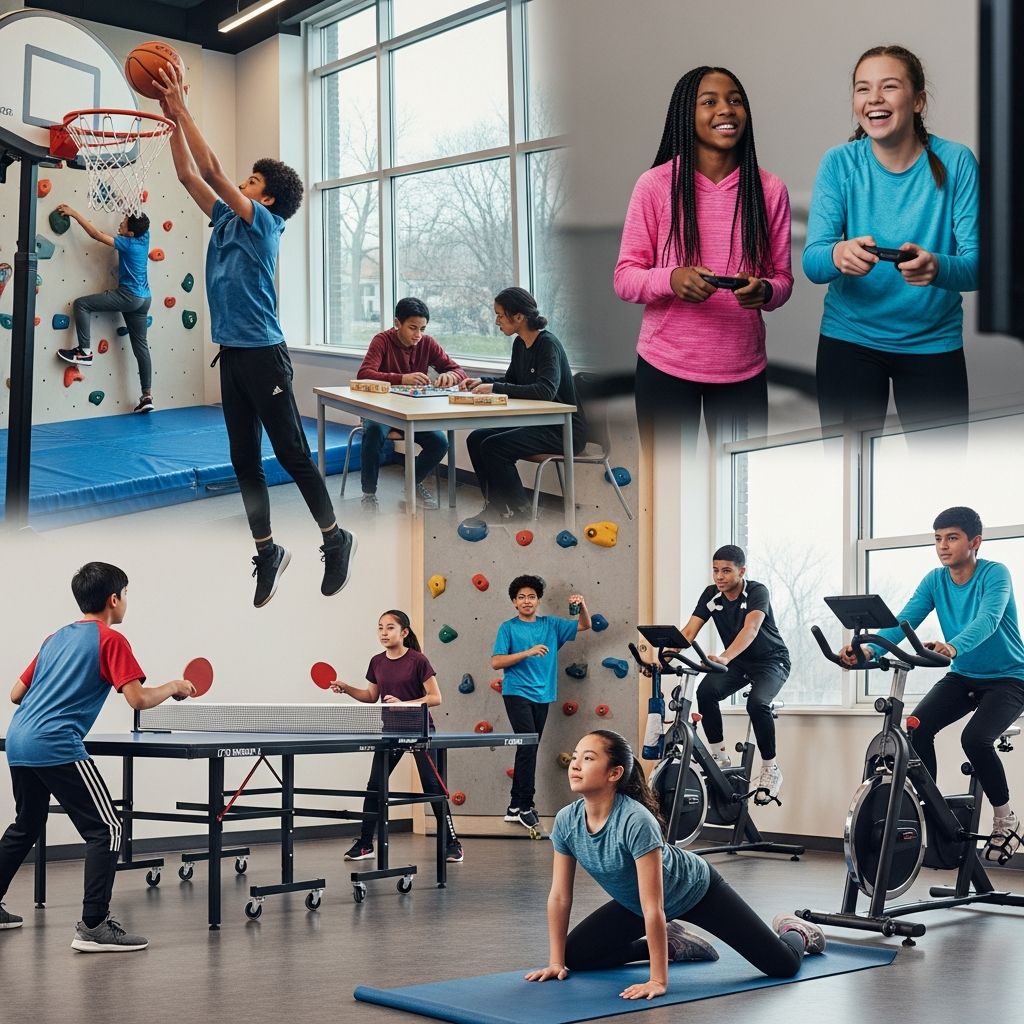
Understanding the Physical Activity Challenge for Distance Learners
The shift toward remote and hybrid learning models has fundamentally changed how students structure their days. Without the natural movement that comes from walking between classrooms, participating in physical education periods, or engaging in after-school sports, many teenagers face the risk of becoming increasingly sedentary. According to health guidelines, young people ages 13-18 should aim for a minimum of 60 minutes of physical activity daily to maintain optimal health and support cognitive development.
The challenge intensifies when weather conditions make outdoor recreation impractical or when students lack access to traditional sports facilities. Parents and educators often find themselves searching for creative solutions that can keep teenagers motivated and engaged in movement throughout their school day and beyond.
Digital Fitness Platforms: Accessible Workouts at Home
One of the most practical approaches to indoor fitness involves leveraging freely available digital resources. The internet offers an abundance of workout channels and fitness platforms specifically designed for teenagers, making it possible to follow professional guidance without purchasing expensive equipment or gym memberships.
Finding Quality Workout Content
YouTube and similar platforms host numerous channels dedicated to exercises appropriate for high school and middle school age groups. These resources provide structured routines covering various fitness styles and intensity levels. Students can explore different workout formats to discover what resonates with their interests and fitness goals.
When selecting workout videos, consider channels that focus on:
- Core strength and abdominal conditioning programs
- High-intensity interval training (HIIT) for cardiovascular endurance
- Low-impact routines suitable for beginners or those recovering from injury
- Sport-specific training to complement participation in teams or athletic pursuits
- Flexibility and mobility work to improve range of motion
Creating an Effective Home Workout Environment
To maximize the benefits of video-based fitness routines, students need adequate space to move safely without obstacles. A cleared area measuring at least 6 feet by 8 feet provides sufficient room for most exercises. Supporting materials can enhance the experience and effectiveness of workouts:
- Water bottle for hydration during and after exercise
- Exercise mat to cushion joints and provide traction
- Adjustable weights or resistance bands for strength training
- Stability ball for core work and functional movement patterns
- Foam roller for post-workout recovery and muscle tension release
Dance-Based Movement: Making Fitness Fun
Dancing represents one of the most enjoyable approaches to indoor physical activity, combining cardiovascular benefits with creative expression. Teenagers often respond more enthusiastically to dance-based fitness than traditional exercise formats, making it an excellent strategy for maintaining long-term activity habits.
Exploring Different Dance Styles
The diversity of dance genres allows students to find styles that match their musical preferences and personality. Popular options include:
- High-energy pop and rock movements set to contemporary hits
- Country line dancing featuring structured, group-oriented choreography
- Latin-inspired styles like salsa and merengue
- Zumba-style classes combining multiple Latin dance elements
- Hip-hop and street dance styles drawn from music videos and popular culture
Building Personalized Dance Routines
Students can develop their own dance routines by researching movement combinations from multiple sources. This approach transforms fitness into a creative project rather than a mandatory obligation. Research options include studying professional dancers, learning recognized dances like the Electric Slide or Cupid Shuffle, and extracting moves from favorite music videos.
Creating original choreography offers additional benefits beyond physical activity, including improved rhythm and coordination, enhanced spatial awareness, and boosted confidence through artistic expression.
Competitive Indoor Games: Team-Based Physical Activity
Games and competitive activities leverage the motivational power of achievement and social connection to drive sustained physical engagement. These formats work particularly well for students who respond to challenge-based learning environments.
Fitness-Integrated Competition
Games that combine traditional competition with exercise elements keep students moving while maintaining focus and engagement. Fitness Bingo, for example, presents exercises in a bingo-card format where players complete movements and mark off squares when called by an instructor or peer leader. This approach allows rapid gameplay with multiple rounds, ensuring participants stay active throughout the session.
Similarly, balance and coordination challenges like Shark Zone require teams to navigate obstacle courses while maintaining contact with designated safe zones. Such games develop gross motor skills while building problem-solving abilities and teamwork.
Skill-Based Games for Diverse Abilities
Traditional sports alternatives such as Pickleball have gained popularity in educational settings because they combine accessibility with competitive depth. The sport requires minimal equipment, fits in smaller indoor spaces, and features simplified rules that allow rapid learning while supporting advanced skill development.
Other inclusive games suitable for gymnasium environments include:
- Spikeball tournaments requiring minimal court space and 2-on-2 configurations
- Sabakiball matches that emphasize constant movement and ball possession alternation
- Castle Ball and similar objectives-based games focusing on strategy alongside physical exertion
Structured Movement Programs: Fitness Apps and Tracking
Digital platforms that combine workout content with progress tracking create additional motivation for sustained participation. Many free and premium applications allow students to log workouts, set fitness goals, and monitor improvements in endurance or strength metrics.
Tracking systems provide tangible evidence of progress, which proves particularly valuable for adolescents developing long-term health consciousness. Recording distance covered, calories expended, or workout duration creates accountability and celebrates achievement in meaningful ways.
Balancing Activity with Academic Requirements
Distance learning students face the challenge of maintaining physical activity within demanding academic schedules. Strategic planning helps ensure exercise becomes integrated into daily routines rather than competing with schoolwork.
Timing Physical Activity Effectively
Research demonstrates that brief movement breaks during study sessions improve focus and information retention. Short exercise sessions—even 10-15 minutes—between academic subjects provide mental breaks while maintaining daily activity targets. This approach prevents the common pattern where students postpone exercise until evening and then skip it entirely due to fatigue.
Using Movement as Transition
Physical activity sessions can serve as designated transitions between different subjects or lessons. This strategy helps students shift mental focus while simultaneously accumulating the 60 minutes of daily activity essential for optimal development.
Addressing Common Barriers to Indoor Activity
Understanding obstacles helps parents and educators develop targeted solutions. Limited space, noise concerns in shared housing, and lack of motivation represent common challenges with straightforward remedies.
Space Limitations: Many exercises require minimal room, and vertical movement (jumping jacks, step touches) uses less floor space than lateral activities. Apps and videos frequently offer space-specific options.
Noise Considerations: Low-impact activities like dancing, yoga, and strength training using body weight create minimal noise. Closed-toe shoes prevent floor sounds during cardio work.
Motivation Challenges: Social accountability through group challenges with friends, family involvement in activities, and progress tracking systems combat motivation lapses. Varying activity types prevents boredom and maintains novelty.
Building Long-Term Fitness Habits
Sustainable health requires moving beyond temporary fitness spurts toward permanent lifestyle integration. Successful long-term strategies emphasize choice, progression, and intrinsic motivation rather than external pressure.
Allowing students to select activities they genuinely enjoy increases adherence significantly. A teenager passionate about hip-hop will sustain dance-based fitness far longer than one forced into generic cardio routines. Supporting personal choice while encouraging consistent participation creates optimal conditions for lasting behavioral change.
Frequently Asked Questions
How much daily physical activity do middle and high school students need?
Health guidelines recommend a minimum of 60 minutes of physical activity daily for adolescents. This can be accumulated through multiple shorter sessions throughout the day rather than requiring one continuous block.
What equipment is essential for home workouts?
A water bottle and exercise mat represent the basics. Additional items like adjustable weights, resistance bands, and stability balls enhance options but aren’t required for effective workouts.
Can students meet fitness goals through dance alone?
Dance provides excellent cardiovascular benefits and develops coordination and rhythm. Combining dance with strength training creates more well-rounded fitness development, though sustained dance practice alone offers substantial health benefits.
How can parents encourage reluctant students to stay active?
Offering choices, participating alongside them, using progress-tracking systems, and celebrating improvements effectively increase engagement. Avoiding pressure and criticism creates positive associations with movement.
What games work best in small indoor spaces?
Spikeball, Pickleball, and fitness-based games like bingo or balance challenges work well in limited areas. Table tennis, badminton, and dance activities also require minimal floor space.
References
- Physical Activity Guidelines for Americans — U.S. Department of Health and Human Services. 2018. https://health.gov/our-work/nutrition-physical-activity/physical-activity-guidelines/
- 5 Best Indoor PE Games for Middle School Students — Marathon Kids. https://marathonkids.org/indoor-pe-games-for-middle-school-students/
- Top 5 Active Indoor PE Games — Gopher PE Blog, Jason Gemberling. https://blog.gophersport.com/indoor-pe-games/

- Integrated M.A. in Applied Linguistics, University of Hyderabad
- 5+ years in editorial, instructional, SEO, and research-based writing
Sneha is a relationships and lifestyle writer with a strong foundation in applied linguistics and certified training in relationship coaching. She brings over five years of writing experience to theskillvault, crafting thoughtful, research-driven content that empowers readers to build healthier relationships, boost emotional well-being, and embrace holistic living. Her writing and insights reflect the belief that beauty, happiness, and wellness…