
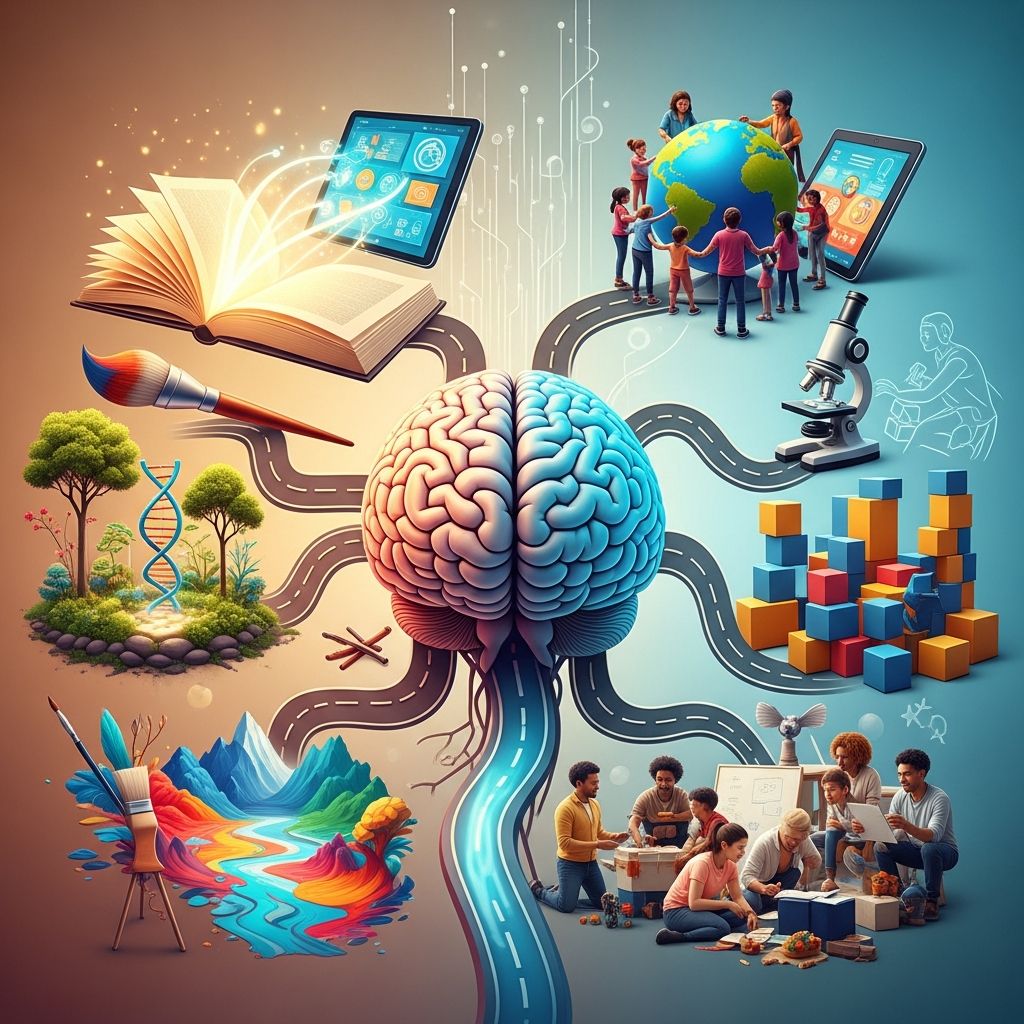
Modern education demands a shift from rigid, lecture-based models to dynamic, student-centered approaches that leverage diverse resources beyond textbooks and chalkboards. These unconventional tools not only captivate learners but also cultivate vital skills like critical thinking, collaboration, and adaptability, essential for thriving in a rapidly evolving world.
Why Conventional Methods Fall Short Today
Traditional teaching often prioritizes memorization over application, leaving students disengaged and unprepared for real-world challenges. In an era where automation handles routine tasks, educators must emphasize creative problem-solving and independent inquiry. Research shows that interactive methods improve retention and motivation by breaking content into digestible, hands-on segments.
Non-traditional resources address these gaps by promoting active participation. For instance, they encourage learners to explore topics through self-directed research, enhancing curiosity and confidence. This transition fosters deeper internalization of knowledge and hones soft skills such as communication and teamwork, which are increasingly valued in professional settings.
Hands-On Projects: Learning by Doing
Project-based learning (PBL) stands out as a cornerstone of innovative education. Rather than passive absorption, students tackle authentic problems, applying new concepts to devise practical solutions. This method transforms projects from mere assessments into core instructional strategies, with teachers acting as guides rather than dictators.
In PBL, learners gain autonomy while benefiting from structured support. They research, iterate, and collaborate, mirroring workplace dynamics. Benefits include sharpened research abilities, bolstered critical thinking, and heightened motivation through real-world relevance. Group elements further develop interpersonal skills, preparing students for collaborative environments.
- Identify a concept and link it to a tangible issue.
- Allow student-led exploration with teacher feedback.
- Assess progress formatively to refine approaches.
Educators report that PBL boosts engagement, particularly among diverse learners, by making abstract ideas concrete and purposeful.
Digital Platforms: Seamless Collaboration and Tracking
Cloud-based tools and Learning Management Systems (LMS) have reshaped classrooms by enabling real-time collaboration and personalized tracking. Apps for shared documents, interactive quizzes, and virtual whiteboards integrate effortlessly, supporting hybrid learning models.
Platforms like Google Classroom or Microsoft Teams streamline workflows, from assignment distribution to feedback loops. They accommodate varied paces, ensuring no student falls behind. AI-enhanced features analyze performance data to suggest tailored resources, promoting equity in access to quality education.
| Tool Type | Key Features | Benefits |
|---|---|---|
| Collaborative Docs | Real-time editing, commenting | Enhances teamwork, instant feedback |
| Quiz Apps | Adaptive questions, auto-grading | Personalized practice, quick insights |
| LMS Platforms | Progress tracking, resource sharing | Custom learning paths, scalability |
These technologies democratize education, especially for non-traditional students balancing work and studies.
Immersive Worlds: Virtual Reality in Action
Virtual Reality (VR) transports students beyond physical limits, offering immersive experiences that textbooks can’t match. From virtual field trips to simulated experiments, VR engages multiple senses, deepening understanding and retention.
Imagine exploring ancient ruins or marine ecosystems without leaving the classroom. This approach cuts costs and risks associated with traditional excursions while providing 360-degree interactivity. Biology students can dissect virtual specimens, while history classes witness pivotal events firsthand.
Studies highlight VR’s role in boosting empathy and spatial awareness, critical for STEM fields. It’s particularly effective for visual and kinesthetic learners, making complex topics accessible and memorable.
Personalization at Scale: Adaptive Learning Technologies
Adaptive learning uses algorithms and AI to customize content based on individual performance, ensuring each student progresses optimally. Unlike one-size-fits-all instruction, it identifies weaknesses early and adjusts difficulty dynamically.
Platforms analyze responses to deliver targeted exercises, preventing frustration or boredom. For example, a student mastering basics quickly advances, while others receive extra support. This data-driven method supports differentiated instruction, accommodating diverse needs in inclusive classrooms.
- Initial assessment gauges baseline skills.
- Real-time adjustments via AI analytics.
- Progress dashboards for teachers and students.
Adaptive tools excel in subjects like math, where repeated practice builds mastery without overwhelming learners.
Nature and Community: Outdoor and Experiential Models
Forest schools and microschools represent nature-centric alternatives, emphasizing outdoor exploration over desk-bound routines. These small-scale environments foster holistic development through play, inquiry, and environmental immersion.
In forest schools, lessons unfold in natural settings, blending academics with physical activity. Students investigate ecosystems hands-on, cultivating resilience and creativity. Microschools offer flexibility, from STEM-focused pods to arts immersion, tailoring to individual passions.
These models surged in popularity post-pandemic, highlighting benefits for mental health and focus. They prioritize student agency, with parents or guides facilitating rather than directing.
Supporting Diverse Learners: Strategies for Adults and Beyond
Non-traditional students, often adults with jobs and families, require flexible, supportive frameworks. Hybrid models combining flipped classrooms and inquiry-based learning allow self-paced progress.
Prior Learning Assessments (PLA) credit real-world experience, while online orientations build community. Platforms offering multi-device access and varied communication channels meet fluctuating needs.
Educators can integrate game-based elements for enjoyment and kinesthetic activities for engagement, ensuring inclusivity across demographics.
Overcoming Barriers to Adoption
Implementing these resources faces hurdles like tech access and teacher training. Solutions include professional development, affordable tools, and phased integration. Fostering an innovation culture encourages experimentation.
Cost-effective open educational resources (OER) supplement proprietary software, broadening reach. Collaborative planning among staff ensures smooth transitions.
Frequently Asked Questions (FAQs)
What are the main benefits of project-based learning?
Project-based learning enhances critical thinking, collaboration, and real-world application, making education relevant and engaging for students.
How does VR improve learning outcomes?
VR provides immersive, safe simulations of complex scenarios, boosting retention and empathy through multi-sensory experiences.
Is adaptive learning suitable for all ages?
Yes, adaptive platforms personalize content for diverse learners, from K-12 to adults, by adjusting to individual paces and needs.
What makes microschools effective?
Their small size allows personalized attention and flexible curricula, focusing on student interests like outdoor or project-based learning.
How can teachers support non-traditional students?
Offer flexible platforms, recognize prior knowledge via PLA, and create inclusive environments with hybrid options.
References
- 9 Innovative Tools and Techniques to Engage Modern Learners — Watermark Insights. 2023-05-15. https://www.watermarkinsights.com/resources/blog/engaging-learners-innovative-tools-techniques/
- Innovative Education Methods: Transforming Teaching and Learning — American College of Education. 2024-02-20. https://ace.edu/blog/innovative-education-methods-transforming-teaching-and-learning/
- Supporting Non-Traditional Students: Innovative Practices For Adult Learner Outcomes — Innovative Educators. 2023-11-10. https://www.innovativeeducators.org/products/supporting-non-traditional-students-innovative-practices-for-adult-learner-outcomes
- 3 non-traditional schools that focus on students — Stand Together. 2023-08-05. https://standtogether.org/stories/education/non-traditional-schools-that-focus-on-students
- Non-Traditional Learning Environments — edWeb. 2024-01-12. https://home.edweb.net/non-traditional-learning-environments/
- 5 Tactics for Supporting Non-Traditional Learners — Robots & Pencils. 2023-09-18. https://robotsandpencils.com/5-tactics-for-supporting-non-traditional-learners/

Medha Deb is an editor with a master's degree in Applied Linguistics from the University of Hyderabad. She believes that her qualification has helped her develop a deep understanding of language and its application in various contexts. Medha specializes in the areas of beauty, health, sports, and wellness and is committed to ensuring that the content on the website is…