
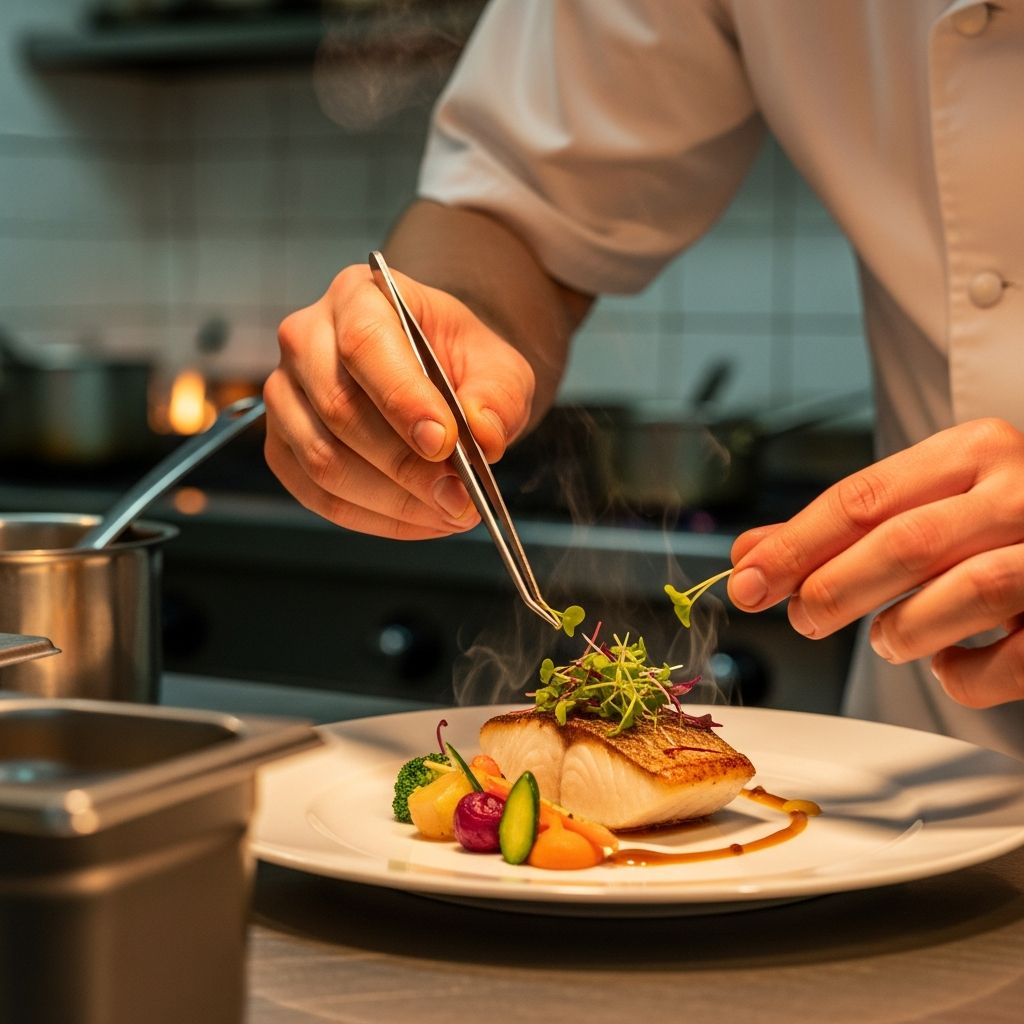
Professional chefs operate in a high-stakes environment where precision, endurance, and creativity collide daily. This article reveals the lesser-known aspects of their world, drawing from real experiences in bustling urban kitchens, remote luxury outposts, and everything in between.
The Relentless Rhythm of Kitchen Schedules
Chefs rarely follow a standard workday. Their shifts often stretch from early morning prep to late-night closings, peaking during evenings, weekends, and holidays when diners flock to restaurants. This unpredictability means missing family events or social gatherings that others take for granted.
In remote luxury destinations like safari lodges, schedules intensify further. Chefs must align meals with guest safaris or sunset views, adapting to limited daylight and isolation from suppliers. Time management becomes crucial, as coordinating prep, cooking, and service under these constraints demands flawless orchestration.
- Early starts for fresh produce handling and menu planning.
- Peak service rushes requiring split-second decisions.
- Late clean-ups to reset for the next day.
Despite the toll, many chefs find rhythm in this chaos, turning long hours into opportunities for mastery.
Navigating the Heat and Intensity of Service
Kitchen heat isn’t just literal—it’s a metaphor for the pressure cooker atmosphere. Temperatures soar from blazing ovens and stovetops, while orders pour in faster than hands can move. Chefs must stay composed amid shouts, clanging pans, and ticking clocks.
High-pressure moments test emotional resilience. A single misstep, like an overcooked protein or delayed plate, can cascade into service disruptions. Yet, this intensity forges skills: multitasking under fire, precise knife work, and plating artistry that elevates simple ingredients.
| Pressure Factor | Common Impact | Coping Strategy |
|---|---|---|
| Peak Dinner Rush | 100+ orders/hour | Prep mise en place in advance |
| Equipment Failure | Sudden downtime | Backup tools and quick repairs |
| Staff Shortages | Increased workload | Cross-training team members |
Over time, chefs develop a zen-like focus, transforming stress into fuel for excellence.
Balancing Creativity with Practical Constraints
At its core, chef work is artistic expression through food. Innovating dishes means blending flavors, respecting seasons, and tailoring to trends or guest preferences. In remote settings, creativity shines brighter: using foraged herbs or local game to craft menus that evoke the surroundings.
However, constraints abound. Budgets dictate ingredient choices, while supply chain hiccups force substitutions. Chefs must invent without compromising quality, constantly evolving recipes to keep menus fresh and diners returning.
- Seasonal adaptations: Swapping summer berries for winter roots.
- Guest personalization: Modifying allergens on the fly.
- Innovation under limits: Elevating pantry staples into signatures.
This push-pull hones true culinary genius, where imagination meets resourcefulness.
Building and Leading Kitchen Teams
Kitchens thrive on teamwork. Chefs lead diverse crews—local hires alongside global pros—fostering unity in chaos. Training emphasizes hygiene, speed, and consistency, turning novices into reliable hands.
Bonds formed here are profound, like family forged in fire. Shared triumphs over tough services create lifelong friendships. Leadership involves motivation, constructive feedback, and conflict resolution, all while maintaining high standards.
In isolated lodges, teams double as communities, sharing living quarters and meals. Strong interpersonal skills ensure harmony, boosting morale and output.
Work-Life Equilibrium in a Demanding Field
Maintaining personal life poses ongoing hurdles. Irregular hours clash with 9-to-5 partners, straining relationships. Exhaustion from physical labor—standing for 12+ hours, lifting heavy pots—demands recovery strategies.
Chefs prioritize self-care: targeted exercise for stamina, mindfulness for stress, and scheduled downtime. Some negotiate shifts for family time or explore flexible roles in catering or teaching.
- Delegate tasks to empower staff and free headspace.
- Schedule ‘off’ days rigorously.
- Cultivate hobbies outside food for mental reset.
Success lies in boundaries, preventing burnout while sustaining passion.
The Thrill of Global Culinary Exploration
Great chefs chase diverse traditions. Traveling to flavor-rich regions—think Thai street markets or Italian agriturismos—exposes new techniques, spices, and philosophies. These immersions reshape menus, infusing global twists into local fare.
Remote postings amplify this: crafting fusion dishes from scarce imports and hyper-local bounty. Competitions and stages under mentors further expand horizons, challenging chefs to adapt and excel.
Financial and Economic Realities
Entry-level pay often lags behind the toil, with advancement requiring years of grit. Head chefs grapple with economics: costing menus, negotiating suppliers, and maximizing profits without skimping quality.
Mistakes teach volumes—overordering perishables or mispricing dishes. Savvy chefs master these, turning operations into sustainable ventures.
Health Impacts and Resilience Building
The physical toll is real: burns, cuts, back strain from repetitive motions. Mental health strains under criticism and isolation. Yet, chefs build resilience, viewing feedback as growth fuel.
Proactive measures include ergonomic tools, rotation schedules, and wellness programs. Many embrace the rewards—guest smiles, perfected plates—to outweigh rigors.
Rewards That Fuel the Fire
Beyond challenges, joys abound. Nailing a flawless service brings euphoria. Touching lives through food—creating memories at weddings or proposals—imbues purpose.
Camaraderie shines: post-shift beers celebrating victories. Creative freedom and reputation-building propel careers, from pop-ups to cookbooks.
Essential Milestones for Aspiring Chefs
Key experiences define mastery:
- Staging in elite kitchens for elite techniques.
- Launching personal ventures to test business acumen.
- Competing to sharpen under pressure.
- Documenting journeys via books or media.
Frequently Asked Questions (FAQs)
What are the biggest daily challenges for chefs?
High-pressure rushes, long irregular hours, and maintaining creativity amid constraints top the list, demanding physical stamina and mental sharpness.
Is chef work suitable for introverts?
It can be; while teamwork is key, many thrive by focusing on tasks, with leadership roles suiting those who build quiet confidence.
How do chefs handle burnout?
Through self-care routines, delegation, flexible scheduling, and passion-driven reminders of food’s impact on others.
What makes remote chef roles unique?
Limited resources, on-site living, and location-inspired menus create immersive challenges paired with unparalleled natural settings.
Can chefs achieve work-life balance?
Yes, with intentional boundaries, supportive teams, and career pivots like consulting or teaching for steadier hours.
References
- Behind-the-scenes work and challenges of chefs — Astrus.lt. 2023-05-15. https://www.astrus.lt/en/behind-the-scenes-work-and-challenges-of-chefs
- The Role of a Chef in a Remote Luxury Destination or Safari Lodge — The Chef Agency. 2024-02-10. https://thechefagency.com/the-role-of-a-chef-in-a-remote-luxury-destination-or-safari-lodge/
- The Challenges and Rewards of a Culinary Career — Wander with Wonder. 2023-11-20. https://www.wanderwithwonder.com/the-challenges-and-rewards-of-a-culinary-career/
- 5 Experiences that All Great Chefs Should Have — Escoffier.edu. 2024-08-05. https://www.escoffier.edu/blog/culinary-arts/the-experiences-all-chefs-should-have/
- Realities of life as a chef: behind the scenes — Ecole Ducasse. 2023-09-12. https://www.ecoleducasse.com/en/blog/life-of-a-chef

Medha Deb is an editor with a master's degree in Applied Linguistics from the University of Hyderabad. She believes that her qualification has helped her develop a deep understanding of language and its application in various contexts. Medha specializes in the areas of beauty, health, sports, and wellness and is committed to ensuring that the content on the website is…