
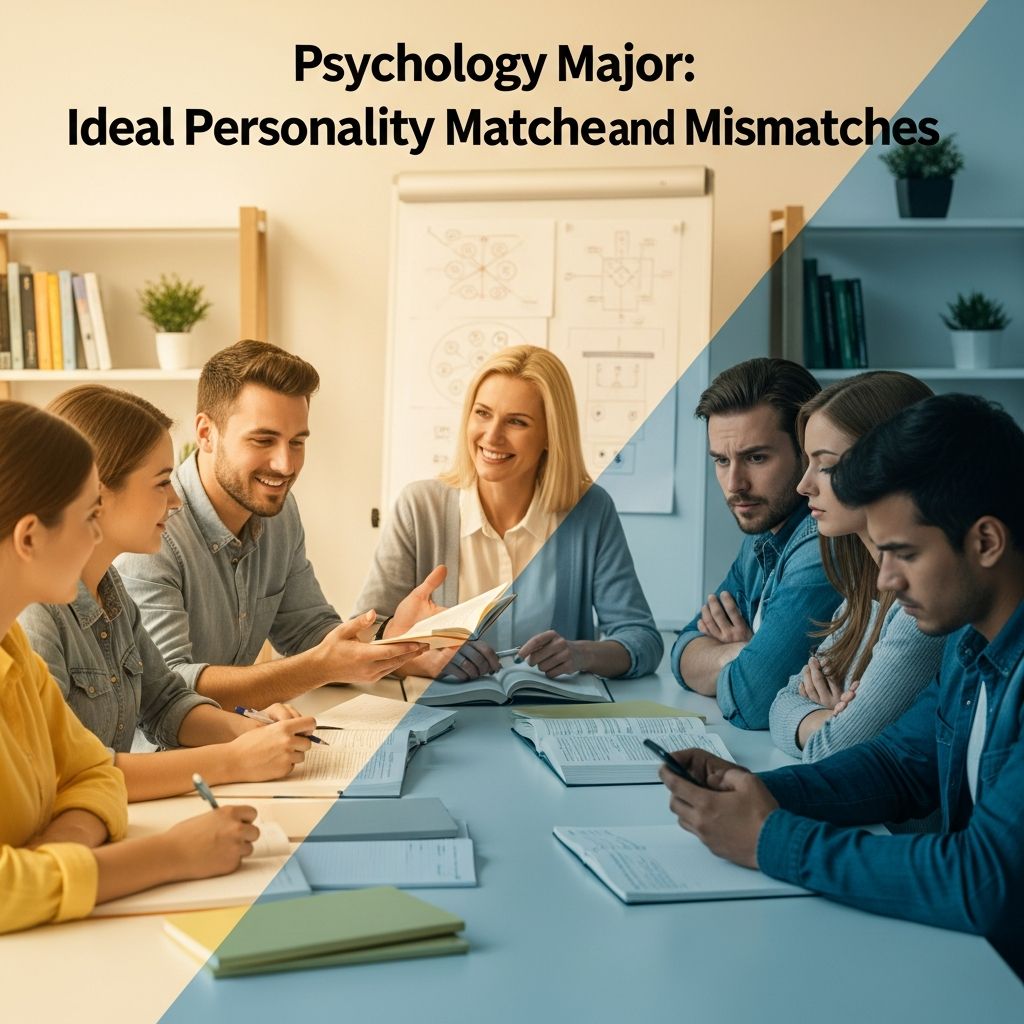
A psychology degree delves into the human mind, behavior, and emotions, offering profound insights into what makes people tick. But is it the right path for you? This article examines personality traits that align perfectly with studying psychology and those that might clash, drawing from expert analyses to help you assess your fit.
Traits That Make You a Natural for Psychology
If certain qualities define you, a psychology major could unlock fulfilling academic and career opportunities. These characteristics not only ease your studies but also position you for success in diverse fields like counseling, research, or human resources.
1. Natural Curiosity About Human Behavior
Individuals fascinated by why people act the way they do excel in psychology. This field rewards those who ponder motivations behind decisions, from everyday choices to complex social dynamics. Psychology courses build on this inquisitiveness, teaching you to analyze patterns in thought and action systematically.
2. Strong Empathy and Compassion
Empathy—the ability to feel and understand others’ emotions—is core to psychology. If you often sense unspoken feelings in friends or colleagues, you’ll thrive when learning therapeutic techniques or studying emotional intelligence. This trait fosters deep connections, essential for roles like clinical work or social services.
3. Excellent Listening Abilities
Great listeners absorb information without interrupting, picking up on verbal and non-verbal cues. Psychology demands this skill for interviews, therapy sessions, and research. If you’re the go-to confidant in your circle, you’ll adapt effortlessly to coursework involving case studies and active listening exercises.
4. Open-Mindedness to Diverse Perspectives
Psychology exposes you to varied cultural, social, and individual viewpoints. Open-minded people embrace this without bias, enhancing their grasp of topics like cross-cultural psychology. This flexibility proves invaluable in globalized workplaces, from marketing to international aid.
5. Commitment to Ethical Standards
Ethical dilemmas abound in psychology, from client confidentiality to research integrity. Those with a strong moral compass navigate these adeptly, building trust in professional settings. Your adherence to principles will shine in classes on professional ethics and real-world applications.
6. Enjoyment of Helping Others Grow
A drive to support personal development suits psychology perfectly. Whether guiding someone through stress or facilitating group dynamics, this passion fuels motivation. Graduates often find satisfaction in education, coaching, or community outreach, where impact is tangible.
7. Proficiency in Analytical Thinking
Psychology involves dissecting data from experiments and surveys. If you love puzzles or spotting trends in information, you’ll master statistics and research methods. These skills transfer to business analytics, policy-making, or any data-driven role.
8. Resilience in High-Stress Scenarios
Dealing with emotional content requires emotional steadiness. Resilient personalities handle heavy topics like trauma without burnout, using course knowledge to manage their own stress. This prepares you for demanding careers in mental health or crisis intervention.
9. Effective Communicators
Psychology hones verbal and written skills for reports, presentations, and counseling. If articulating complex ideas clearly comes naturally, you’ll excel in debates on theories or client interactions. Communication prowess opens doors in HR, sales, or public relations.
Personality Traits That Could Hinder Success
Not every trait meshes with psychology’s demands. Recognizing potential mismatches early can save frustration and guide better choices.
- Impatience with Abstract Concepts: Psychology theory can feel intangible. If you prefer concrete results over nuanced discussions, the philosophical aspects might frustrate you.
- Discomfort with Emotional Intensity: Constant exposure to others’ pain demands boundaries. Emotionally sensitive individuals without coping tools risk vicarious trauma.
- Aversion to Statistical Analysis: Heavy math in research methods deters number-phobes. If equations cause dread, alternative majors might suit better.
- Preference for Solitary Work: Psychology emphasizes collaboration and people-facing tasks. Introverts needing isolation may struggle in group projects or internships.
- Disinterest in Continuous Learning: The field evolves rapidly with new studies. Those uninterested in lifelong education might lag in advanced practice.
Comparing Fits: A Quick Reference Table
| Strong Fit Traits | Potential Mismatch Traits |
|---|---|
| Empathetic & compassionate | Emotionally overwhelmed easily |
| Analytical & data-savvy | Math-averse |
| Resilient communicator | Prefers working alone |
| Open-minded listener | Impatient with theory |
| Ethically driven helper | Dislikes ongoing study |
Career Pathways for Psychology Personalities
Matching personalities often lead to thriving careers. Empathetic types gravitate to therapy, while analytical minds pursue research or forensics. Versatile skills apply to non-clinical roles like organizational consulting or user experience design.
Self-Assessment: Are You Ready?
Reflect on your daily interactions. Do you analyze conversations? Seek to resolve conflicts? Rate yourself on a scale for the traits above to gauge readiness.
Frequently Asked Questions
Is psychology right if I dislike math?
Basic statistics are required, but tools simplify it. If advanced math repels you, consider applied tracks over research-heavy ones.
Can introverts succeed in psychology?
Yes, with self-awareness. Many excel in research or assessment, balancing people-time with solitude.
Does a psychology degree guarantee therapy jobs?
No, advanced degrees are needed for licensure. It builds broad skills for many fields.
How does psychology improve personal growth?
It fosters self-insight, stress management, and better relationships through behavioral understanding.
What if I’m unsure about my fit?
Take intro courses or shadow professionals to test the waters before committing.
References
- 11 Reasons to Pursue a Psychology Degree — Husson University. 2023-07-01. https://www.husson.edu/online/blog/2023/07/why-pursue-a-psychology-degree
- The Top 10 Reasons to Major in Psychology — Psychology Today. 2012-09-01. https://www.psychologytoday.com/us/blog/fulfillment-at-any-age/201209/the-top-10-reasons-to-major-in-psychology
- 7 Reasons to Study Psychology — University of Toronto Department of Psychology. N/A. https://www.psych.utoronto.ca/our-department/7-reasons-study-psychology
- Signs You’re Perfect for a Career in Psychology — The Chicago School of Professional Psychology at TUW. N/A. https://www.tuw.edu/psychology/career-in-psychology-traits/
- 8 Big Reasons Why You Should Major in Psychology — Best Psychology Degrees. N/A. https://www.bestpsychologydegrees.com/faq/should-i-major-in-psychology/
- Benefits of a Psychology Degree Major — Grand Canyon University. N/A. https://www.gcu.edu/blog/psychology-counseling/benefits-of-psychology-major
- The Superpowers of the Psychology Major — American Psychological Association. N/A. https://www.apa.org/ed/precollege/psychology-teacher-network/introductory-psychology/superpowers-psychology-major

- Integrated M.A. in Applied Linguistics, University of Hyderabad
- 5+ years in editorial, instructional, SEO, and research-based writing
Sneha is a relationships and lifestyle writer with a strong foundation in applied linguistics and certified training in relationship coaching. She brings over five years of writing experience to theskillvault, crafting thoughtful, research-driven content that empowers readers to build healthier relationships, boost emotional well-being, and embrace holistic living. Her writing and insights reflect the belief that beauty, happiness, and wellness…